

The Misconception That Pigmentation Doesn't Occur in Winter
Melasma and blemishes that appear darkly on the face are pigment issues that, once established, are difficult to erase and can be a source of concern. Many people believe that pigmentation is less likely to occur in winter when UV radiation is weaker, but this is not actually the case.
Of course, the intensity of UV radiation is lower than in summer when the sun shines brightly, and with shorter daylight hours and thicker clothing covering the skin, the sudden appearance of pigmentation may be relatively less frequent. However, it is not possible to completely avoid these issues.
Why Melasma and Blemishes Are Called Intractable
Melasma and various blemishes like lentigo are often referred to as intractable conditions. This is because they can appear severely regardless of age, gender, or seasonal factors, and recurrence is not uncommon even after treatment.
For those who frequently engage in outdoor activities, concerns about blemishes can deepen. Let's now examine laser treatments that can help lighten pigmentation and management tips that can help increase satisfaction.

The Biggest Cause of Pigmentation Issues is UV Radiation
Many people who visit dermatology clinics for laser lesion removal have occupations or lifestyles that involve prolonged and repeated exposure to UV radiation. This is because UV radiation is considered a primary cause of pigmentation issues.
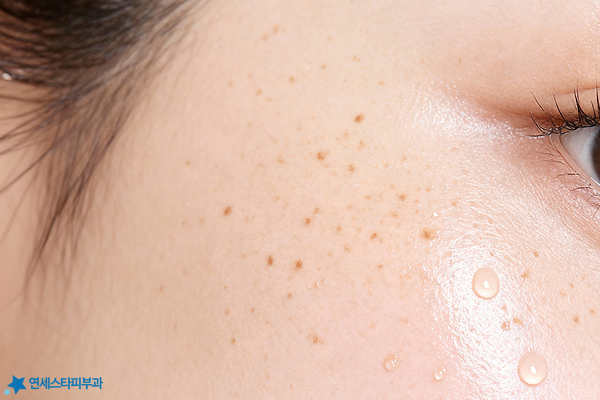
Even if not immediately visible, excessive melanin can be produced deep within the skin and gradually emerge. Also, when something dark and dull appears on the face, it's easy to mistake it all for melasma, but in reality, there are various types of blemishes that may look similar but have different characteristics.

From lentigo to seborrheic keratosis and nevus of Ota, these can easily be mistaken for melasma, leading some to be disappointed when they don't see changes even after receiving laser lesion removal.
Similar-Looking Pigmentation is Not the Same
It's easy to think that similar-looking pigmentation problems can be cleanly removed with the same equipment. However, to effectively utilize equipment that helps lighten such pigmentation, it's crucial to determine the appropriate direction for Epidermal Pigment Removal through a precise check by a dermatologist, rather than self-diagnosing the condition.
In the clinic, it's surprisingly common to see melasma, lentigo, and seborrheic keratosis mixed together on one person's face. Even if the color is the same, the depth and nature differ, making it difficult to apply a single method uniformly.

Even for similar-looking pigmentation, the approach varies depending on depth and nature, so accurate diagnosis is reported as the first step in treatment.
How Does Laser Approach Differ by Pigment Type?
Equipment that helps lighten pigmentation problems includes picosecond lasers utilizing picoseconds, and RePott Laser. The application method varies depending on the depth and nature of the pigmentation.
| Pigment Type | Characteristics | Approach |
|---|---|---|
| Melasma | Spreads deeply within the skin layers | Repeated PicoWay Toning to prevent spreading |
| Lentigo | Appears on the skin surface and is firm | Strong energy for quick removal in a short period |
| Seborrheic Keratosis | Surface is rough and raised | May require concurrent work to smooth the surface |
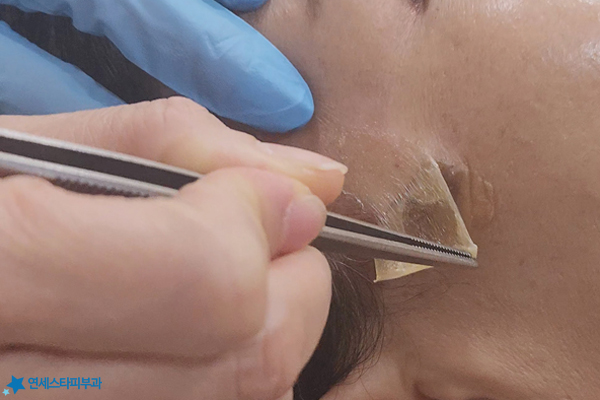
For melasma, which is scattered deeply, repeated toning with PicoWay is applied to remove the pigment without spreading. Conversely, for cases like lentigo, where the pigment appears relatively on the skin surface and has a firm nature, a strong energy approach for quick removal in a short period is important.
If you are concerned about pigmentation, we recommend checking your condition first through Inquiry for Blemish/Melasma Pigment Consultation.
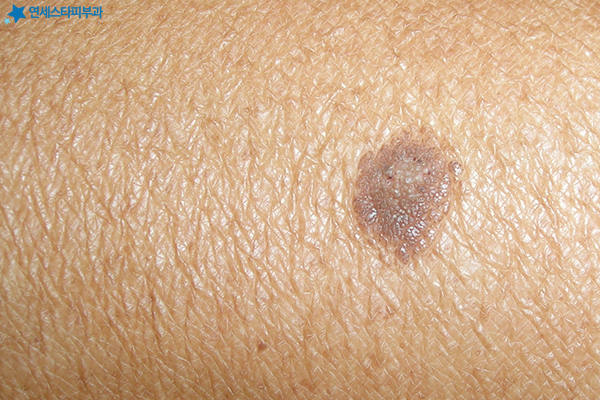
For seborrheic keratosis, which feels similar to lentigo but has a rough, raised surface, laser work to smooth the surface may need to be performed concurrently in some cases. The key is that even if they appear to be similar pigmentation problems, each requires treatment tailored to its specific characteristics.
What to Check to Increase Satisfaction
To increase satisfaction with pigment treatment, diagnosis and aftercare are as important as the procedure itself. We recommend checking the following items:
- Is a precise diagnosis distinguishing melasma, lentigo, and seborrheic keratosis performed beforehand?
- Are the equipment and intensity applied differently according to the pigment type?
- Is appropriate intensity maintained during treatment to avoid excessive skin damage?
- Is guidance on daily recurrence management, such as UV protection, provided?
Frequent Recurrence of Pigmentation Requires Consistent Management
Unfortunately, pigmentation problems such as melasma and blemishes on the face tend to have a high recurrence rate. It is also common for multiple pigmentary disorders to appear complexly in one person.
These characteristics make treatment and management more difficult, sometimes leading people to give up and live with dull skin. We hope that through today's information, you can choose the right direction for yourself and find a dermatology clinic with accurate knowledge and experience in skin, not just lasers, to enjoy a brighter face throughout the year. Individual differences in effectiveness and recovery speed may occur.
If you are confused whether your pigmentation is melasma or lentigo, we recommend Consulting for Melasma and Blemish Laser Treatment first rather than self-diagnosing.

Find out which laser lesion removal is right for you at Yonsei Star Dermatology Sinchon.

Chief Director Lee Sang-joo (MD, PhD, Yonsei University College of Medicine and Graduate School, Completed Dermatology Residency at Severance Hospital, President of Korean Dermatological Association) Chief Director Lee Sang-joo's Profile First Published 2026-01-08 / Last Reviewed 2026-06-16
This content is for general information purposes only, and the type of pigmentation and treatment response may vary for each individual. Please consult with medical staff for an accurate diagnosis and treatment plan.