
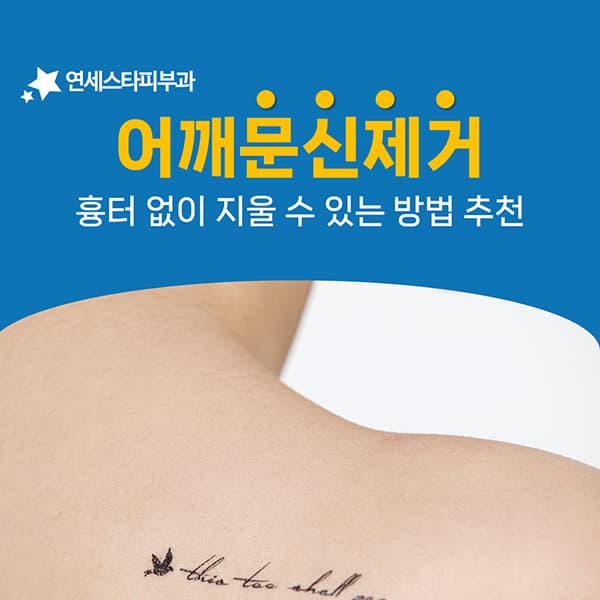
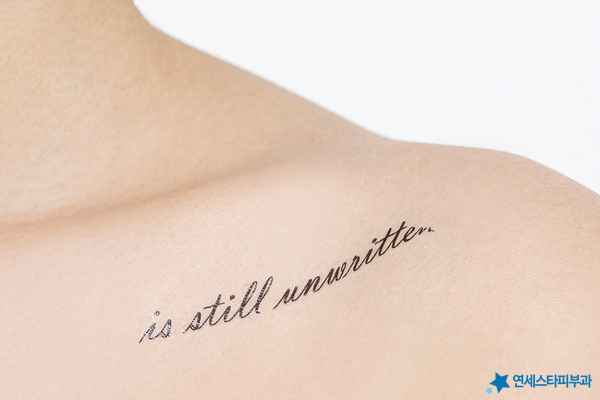
The skin on the shoulder is thick and frequently exposed, making tattoo removal quite challenging. Even in seasons with less exposure, like winter, clothing friction is severe, making tattoos prone to lingering and thus difficult to remove.
Conditions of the Shoulder Area
This location often involves large tattoos, so many people hesitate before starting. Shoulder skin is thick and has a high distribution of pores and sebaceous glands.
Therefore, incorrect laser treatment can lead to the following:
- Blisters
- Pigmentation
- Scars
This is why the choice of equipment, treatment technique, and specialist becomes crucial.
Dark Colors and Large Areas
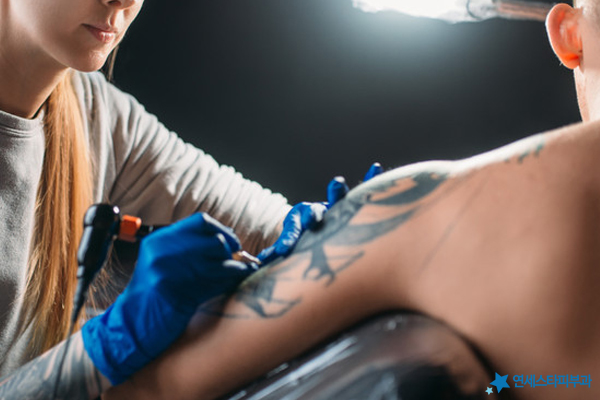
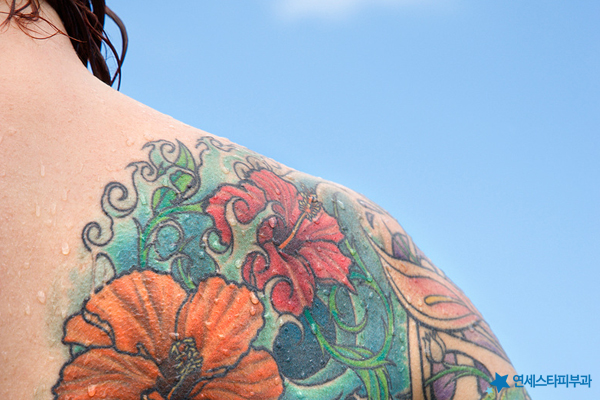
Currently, the most widely used equipment for tattoo removal is the PicoWay Laser. Shoulder tattoos are often dark and large, and the difficulty increases further if multiple colors are mixed.
There are various types of PicoWay Laser, and whether a high-performance laser like PicoWay is used can significantly affect the results. You can see the equipment configuration in the R-Zero Pico-Frectat Tattoo Removal guide.
A Method of Erasing Bubbles and Continuing Irradiation
Recently, the R-Zero Technique has been a hot topic in tattoo removal. With conventional lasers, a bubble forms, turning the skin white after one irradiation, which makes immediate repeated irradiation difficult.
The R-Zero Technique uses a special solution to quickly erase the bubbles, allowing for immediate re-irradiation. When applied to large, dark areas like the shoulder, it can lead to faster and safer progress.
How Will the Pain Feel?
The shoulder has fewer nerve distributions than the face, but due to the depth and large area of the tattoo, it can be an area where laser pain is felt more intensely.
Even with the same procedure, the results can differ depending on whether it is performed by a specialist with sufficient knowledge and experience in tattoo removal methods and skin. We recommend checking thoroughly before starting. There may be individual differences in pain perception.
Everyday Factors Hindering Recovery
The shoulder is an area where friction, sweat, and UV exposure are very common, making it prone to scarring or pigmentation if not managed properly.
| Management Item | Method | Reason |
|---|---|---|
| 2 to 3 days | Avoid water, sweat, and exercise | Shoulder exercises can cause significant irritation |
| Ointment and regeneration care | Regularly apply ointment prescribed by the clinic | Helps the recovery process |
| Sun protection | Use sunscreen | High frequency of exposure increases the risk of pigmentation |
| Clothing friction | Minimize bra straps, backpack straps | The biggest hindrance to initial recovery |
The scar prevention stage is detailed in the Pinhole for Burn & Surgical Scar procedure guide, and the overall process is outlined in the Tattoo Removal Treatment guide.
Seasonal Burdens
The shoulder is surprisingly an area that experiences frequent friction in daily life, requiring careful attention during tattoo removal. Depending on the season, it can also be an area that causes significant stress due to exposure.
It is important to choose a clinic that minimizes irritation from the start and meticulously performs the procedure to prevent side effects such as scars or pigmentation.
If you are curious about the R-Zero Technique and scar management methods, feel free to inquire via chat now.

Authored and Medically Reviewed by Representative Director Dr. Jinmoon Kang (Dermatologist) Graduated from Yonsei University College of Medicine · Dermatology Resident at Severance Hospital · Current Adjunct Professor, Department of Dermatology, Yonsei University College of Medicine Member of the Korean Dermatological Association · Member of the Korean Association of Dermatologists · Author of 'Medical Body Care' View Medical Staff Profile
First Published 2025-11-24 · Last Reviewed 2026-07-29
This article contains general medical information and does not substitute for individual diagnosis and treatment. Results and recovery progress may vary by individual.