
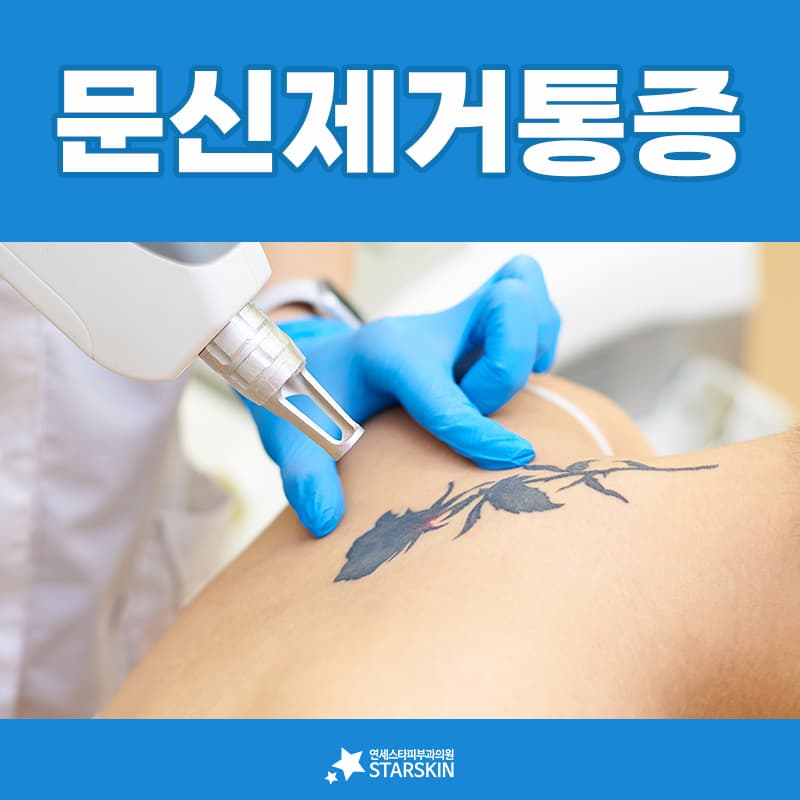
Many people want to remove their tattoos but hesitate due to pain. We've summarized the conditions that increase pain and the types of anesthesia that can be chosen to match them.
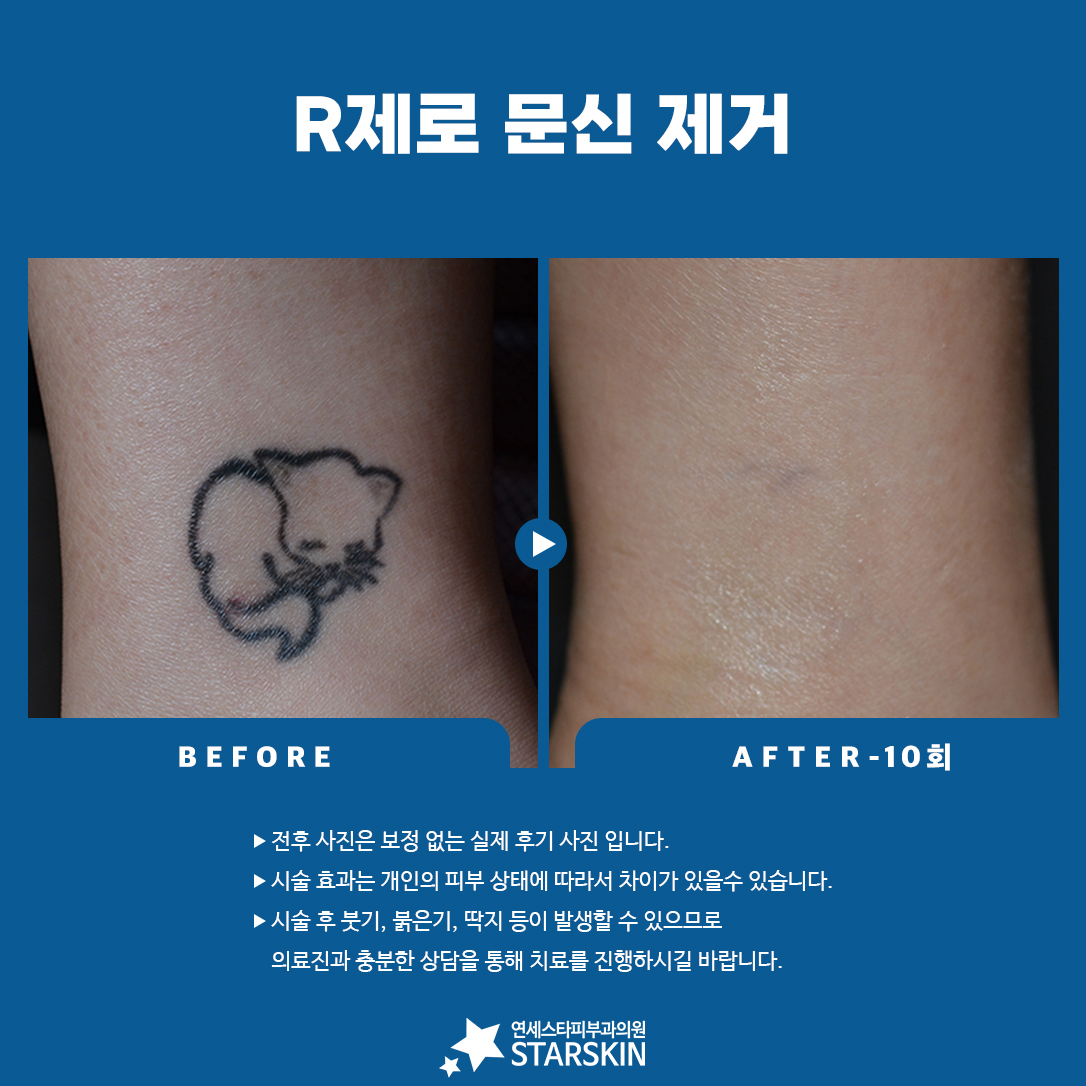
Three Conditions That Increase Pain
Even with the same laser, the perceived pain can vary depending on the tattoo's condition and location.
- When tattoo pigment is deeply located
- When removing a large tattoo
- When the tattoo is in an area with a high concentration of nerves and blood vessels
However, the degree to which pain is felt can vary from person to person. It is advisable to consult with a dermatologist who will perform the procedure to find an anesthesia method suitable for your situation.
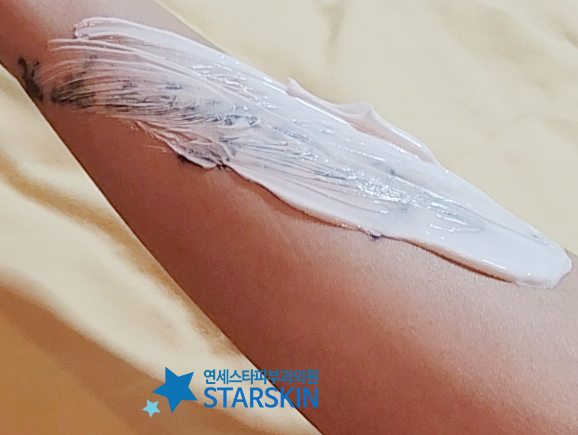
What Anesthetic Cream Does
Anesthetic creams, cryo-anesthesia, and nitrous oxide anesthesia are used to reduce pain during tattoo removal.
Anesthetic cream is a topical anesthetic applied to the skin, providing a numbing effect to a specific area. It has the advantage of being easy to use, and once the cream is applied and absorbed for a certain period, the anesthetic effect appears, alleviating pain.
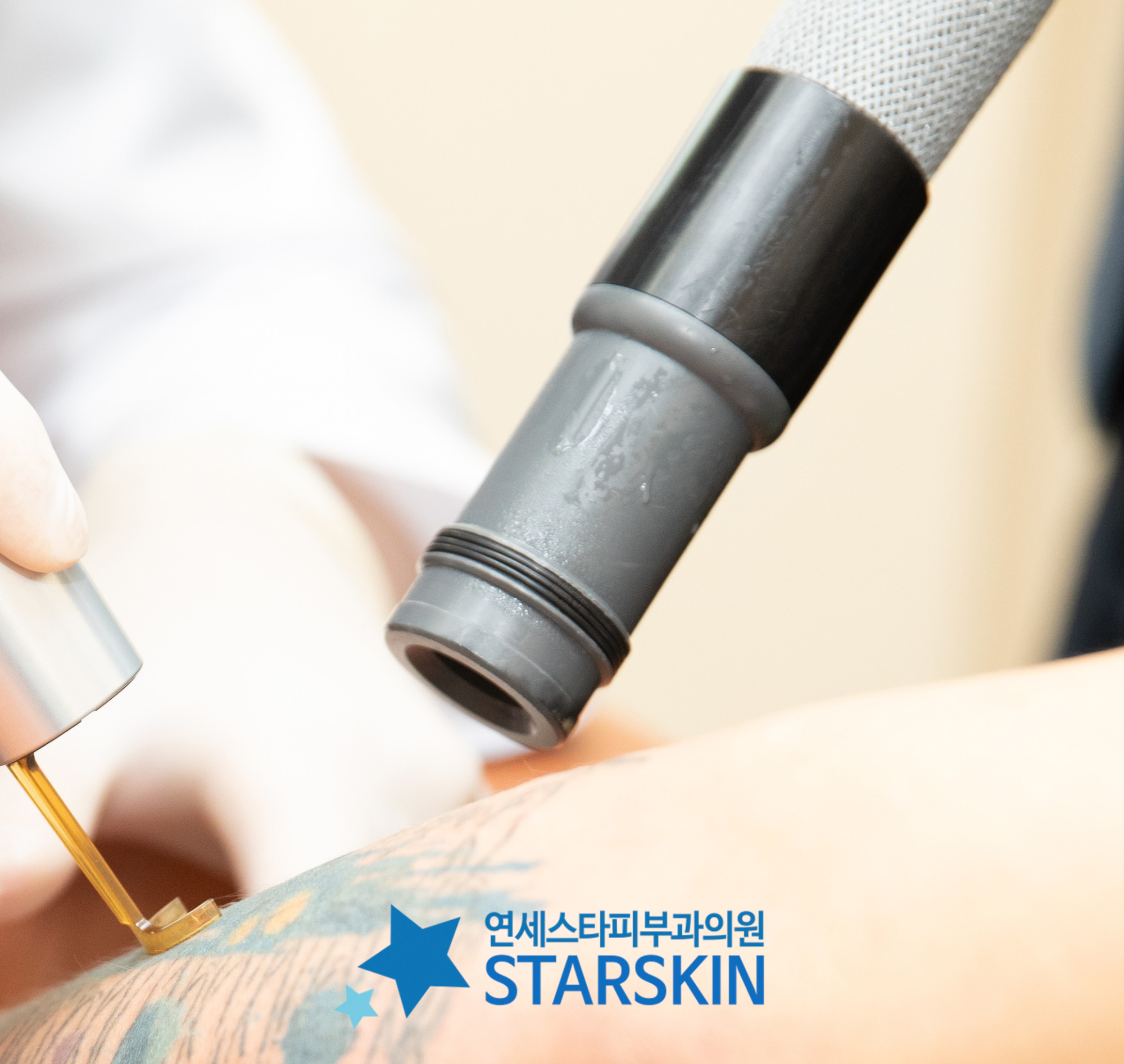
Cryo-Anesthesia with No Waiting Time
Cryo-anesthesia uses an air cooling device to deeply inject cold air into the skin, producing an anesthetic effect. This helps reduce pain and allows the treatment to proceed smoothly.
Since the air cooling device is used simultaneously with the removal procedure, no separate anesthesia time is required.
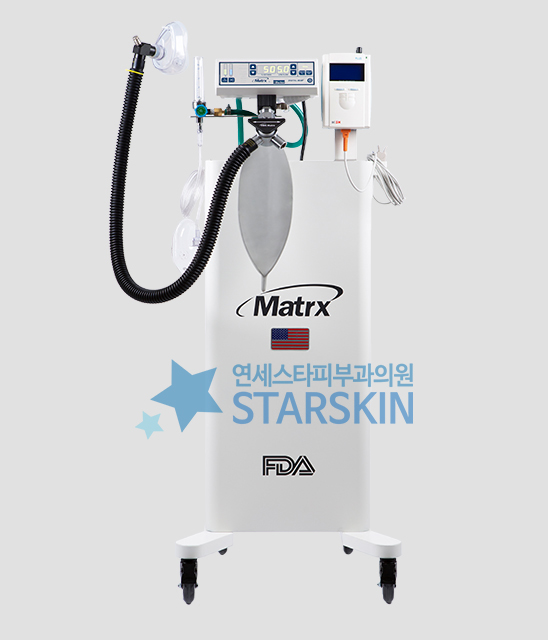
Nitrous Oxide Anesthesia Performed While Conscious
Non-sedative low-pain nitrous oxide anesthesia is one of the anesthesia methods used in dental treatments or simple procedures. It maintains a state of sedation using a respiratory sedation method with nitrous oxide and oxygen.
| Item | Content |
|---|---|
| Approval | FDA-approved anesthesia method |
| Consciousness | Conscious during anesthesia, allowing communication with medical staff |
| Vital Functions | Respiration and blood pressure are maintained normally |
| Post-procedure | Few side effects, allowing immediate driving after anesthesia wears off |
It helps reduce anxiety caused by pain and makes existing pain feel milder. Nitrous oxide anesthesia is performed after consulting with the attending medical staff before the procedure.
Some individuals may experience dizziness or headaches after anesthesia. If headaches persist, take Tylenol and ensure sufficient rest and hydration on the day of the procedure.
What Comes Before Anesthesia
At Yonsei Star Dermatology Sinchon, anesthesia methods are discussed with a dermatologist before the procedure and customized for each individual. Tattoo removal is a treatment that requires a long time and effort, so the will to continue ultimately determines the outcome.
Details on the procedure components are summarized in R-Zero Pico-Frectat Tattoo Removal and Pinhole for Burn & Surgical Scar, and the overall process is outlined in Tattoo Removal Treatment Guide. If you are concerned about pain, please contact us via chat now.

Authored and Medically Reviewed by Representative Director Dr. Lee Sang-joo (Dermatologist) Severance Hospital Dermatology Resident · Yonsei University Graduate School, Doctor of Medicine Former Head of Dermatology, National Police Hospital · Current Adjunct Professor, Yonsei University College of Medicine, Department of Dermatology View Medical Staff Profile
First Published 2023-12-12 · Last Reviewed 2026-07-29
This article contains general medical information and does not substitute for individual diagnosis and treatment. Results and recovery may vary from person to person.