

When skin troubles recur, the first thought is often, "Could it be because of what I'm eating?" To put it simply, food alone does not cause or cure acne, but some foods are reported to potentially influence acne exacerbation. Today, we will calmly sort out the relationship between acne and food.
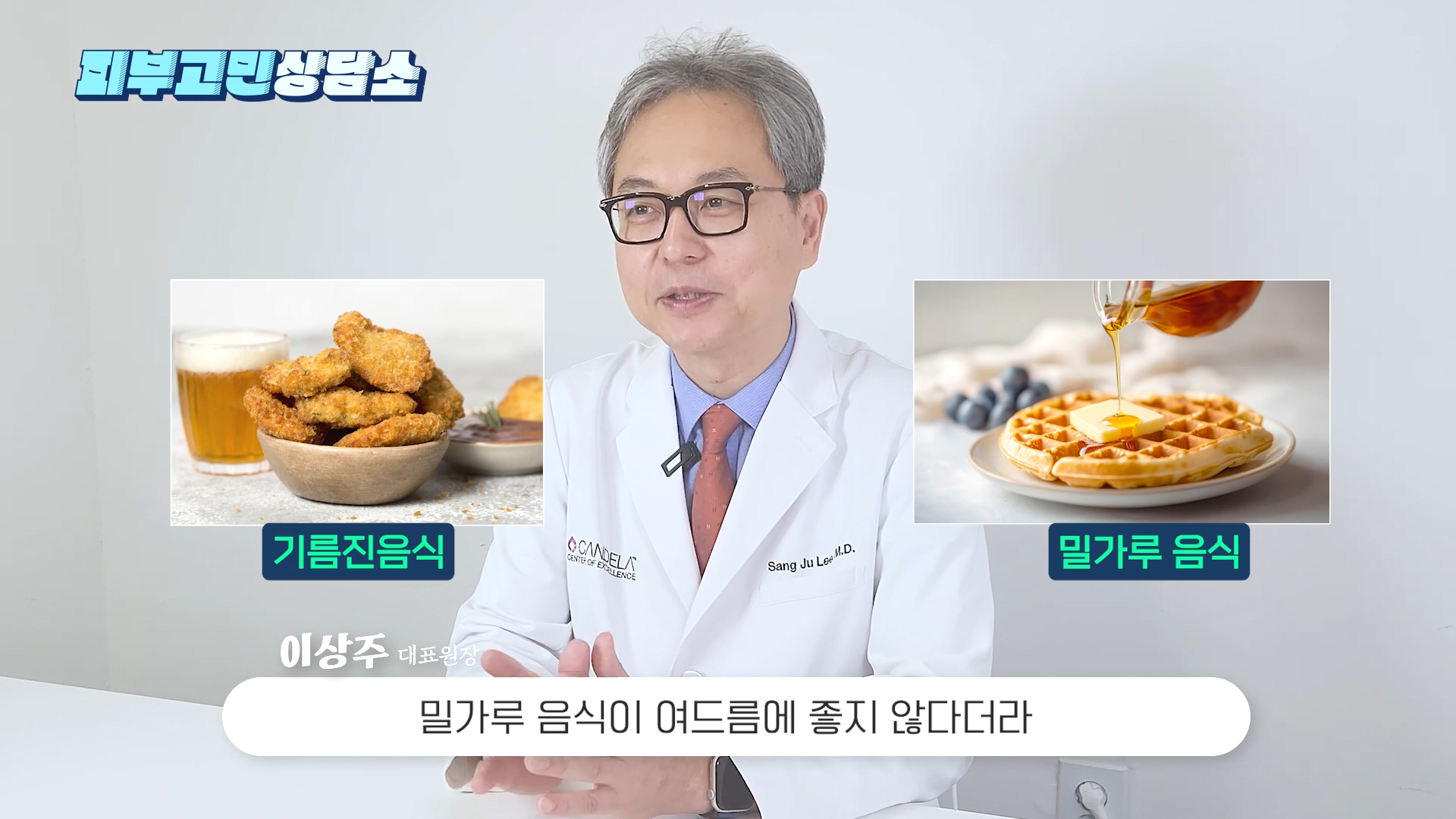
Why does acne occur?
Acne is known to be caused by a complex interplay of various factors. It appears as a combination of sebum secretion, clogged pores, bacteria, and inflammatory responses. This is why there are many stories like "eating a lot of oily food makes acne worse" or "flour is bad for acne." The connection between food and acne is also one of the most frequently asked topics by patients in the consultation room.

Why do doctors have different opinions?
There are varying opinions among doctors regarding foods that are bad for acne. There's a reason for this.

This is because research related to food requires a long period. Even if people eat the same food, their reactions differ, and variables such as hormones, sleep, and stress act simultaneously in addition to dietary habits, making it difficult to clearly determine causality.

Nevertheless, some aspects have been revealed in recent scientific literature. Results have been reported indicating that certain foods may influence acne development.

Foods known to exacerbate acne
Generally, there are two main types of foods known to exacerbate acne.
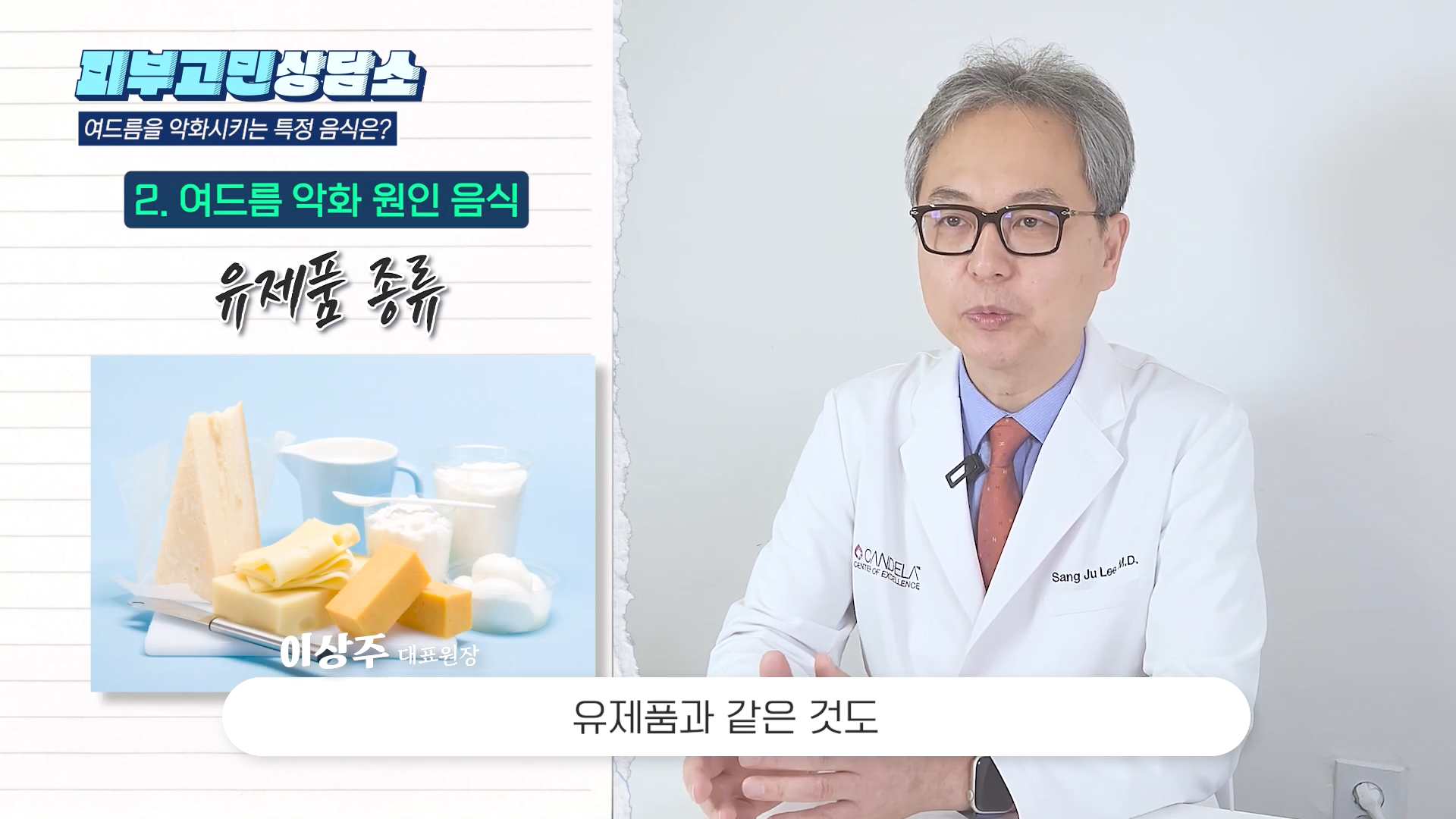
First are high-glycemic foods. Foods like chocolate or sugar can momentarily raise blood sugar. At this time, insulin secretion is induced to lower blood sugar, and substances released during that process are reported to sometimes be associated with acne.
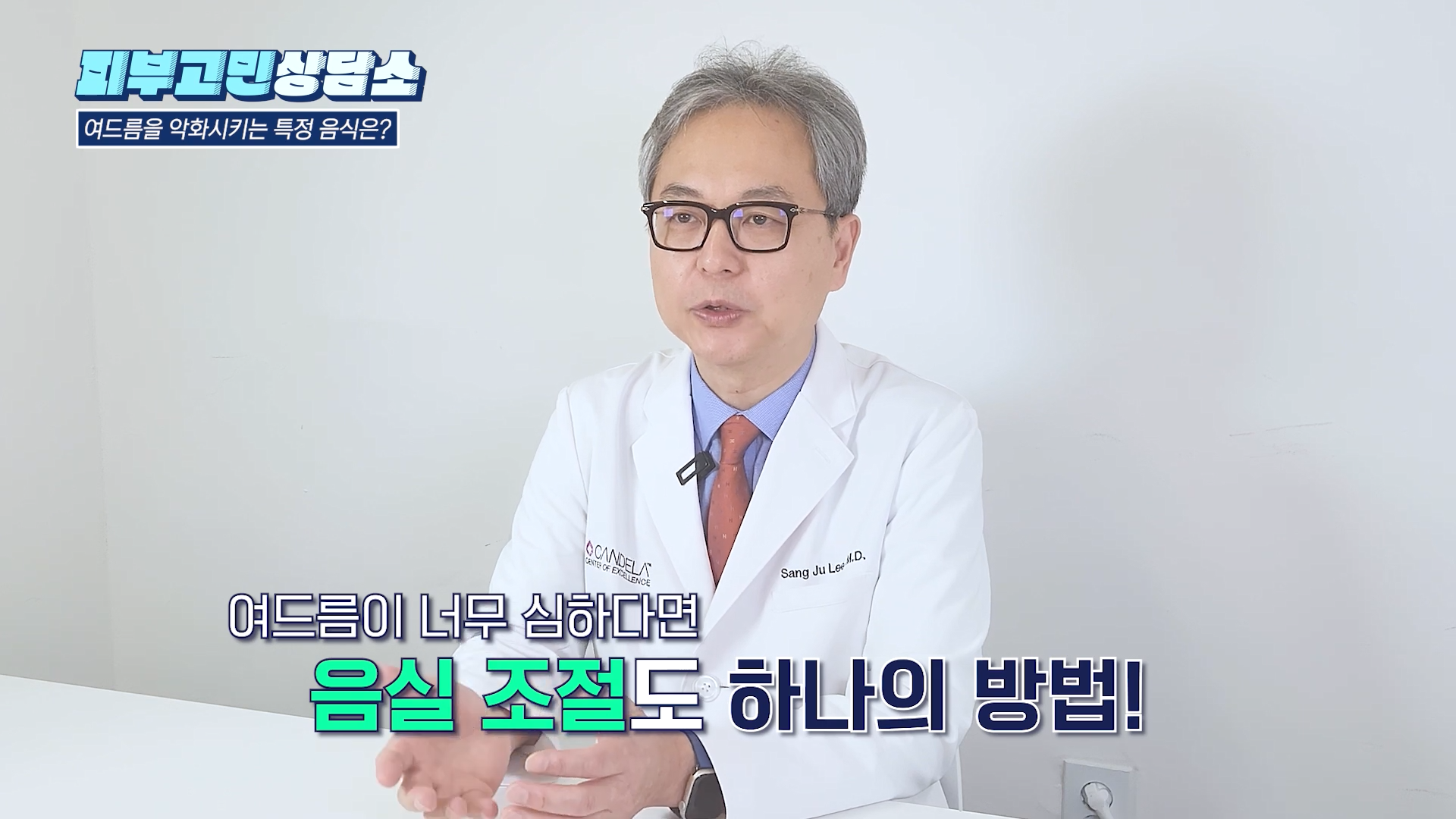
Second are milk and dairy products. There are also papers suggesting that dairy products are bad for acne.
Current research consistently points to high-glycemic foods and dairy products, but the effects and reactions may vary from person to person.
Therefore, if you feel that your acne has worsened after eating certain foods, reducing those foods a little when your acne is severe can help manage it.
If you have any questions, you can easily ask them through Acne consultation via chat.
Are oily foods really the cause of acne?

Some people say that overly oily foods are bad for acne, but in fact, there is a lack of supporting evidence for this.
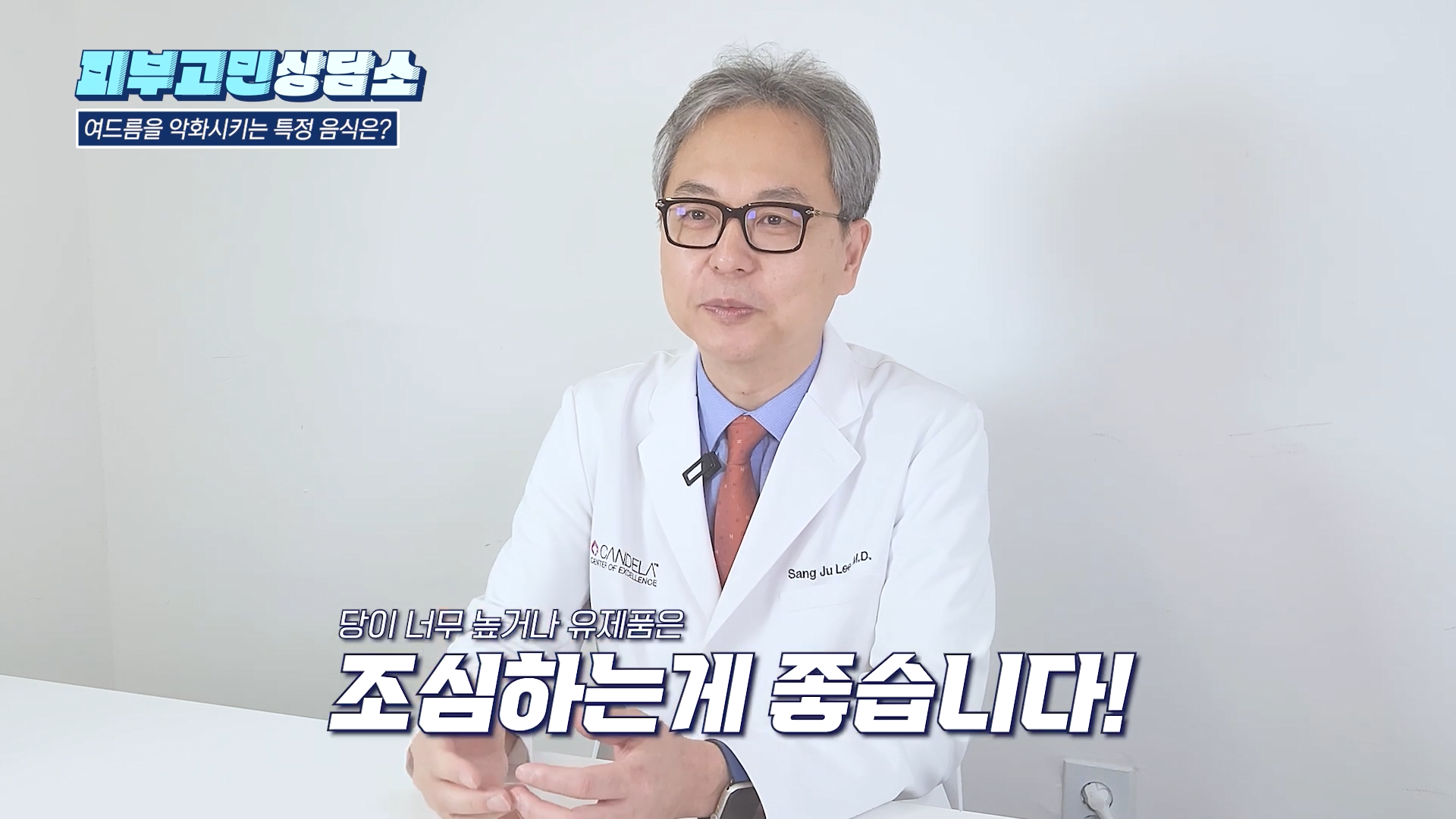
Here's an analogy: beef has a lot of fat, but cows only eat grass. Just as fat can still be produced even if only grass is eaten, it's difficult to directly link the oiliness of food to skin sebum. Therefore, within the currently known scope, it is better to be cautious with high-glycemic foods, overly sweet foods, and dairy products.

What about alcohol?

Alcohol is considered a major culprit in exacerbating acne. However, rather than alcohol itself being directly linked to acne, the problem lies in the fact that excessive drinking can lead to fatigue, and that fatigue, in turn, leads to the secretion of stress hormones. These hormones then influence the occurrence of acne.

So, while a glass of alcohol might be fine, if you drink excessively to the point of fatigue, your acne is likely to worsen the next day.
Lifestyle habits more important than food
In fact, acne is deeply related to our body's hormones. While hormones cannot be artificially changed, lifestyle factors that exacerbate acne can be controlled by oneself. In the consultation room, sleep and stress management often determine the course more than diet.
- Reduce high-glycemic foods and overly sweet foods
- Adjust the amount of milk or dairy products when troubles are severe
- Avoid excessive drinking and refrain from alcohol consumption that leads to fatigue
- Lower stress hormone secretion through sufficient sleep
- Maintain condition with a balanced diet and appropriate exercise
Just as a balanced diet and appropriate exercise contribute to overall health, acne and skin diseases also show a stabilizing trend when exercise, stress management, sufficient sleep, and diet management go hand in hand. If acne is difficult to resolve with diet control alone, you can consider management tailored to the inflammatory stage, such as the Triple Acne Package, at a dermatology clinic. If marks or acne scars have already formed, Acne Scar Triple Repair can be used to promote recovery at the scar stage. Responses and progress may vary from person to person.
If diet control or treatment direction feels overwhelming, please feel free to consult via chat about acne and dietary habits to sort it out together.

Chief Director Lee Sang-joo (Yonsei University College of Medicine · Graduate School Doctor of Medicine, Severance Hospital Dermatology Resident Completion, President of Korean Dermatological Association) Chief Director Lee Sang-joo's Profile First Published 2024-10-21 / Last Reviewed 2026-06-16
This content is for general information purposes only, and skin reactions to the same food may vary from person to person. Please consult with medical staff for an accurate diagnosis and treatment plan.