

If you've experienced a skin injury healing and then rising firmly beyond the original wound area, turning red, you might suspect a keloid. The first question that comes to mind is likely, "Is this just a scar, or is it a keloid that needs treatment?" To put it simply, if it grows beyond the wound's boundaries and is accompanied by itching or pain, it's likely a keloid rather than a simple scar.
Today, we will gradually examine the symptoms of Keloid Scars, as well as case-specific characteristics and treatment directions.
Keloids: What's the Difference from Regular Scars?
Scars are marks left after skin damage, where collagen fills in during the healing process. Most fade over time, but keloids occur when the healing signal doesn't stop, and collagen accumulates excessively. This causes them to grow wider and thicker than the original wound, extending beyond its borders.
Unlike hypertrophic scars, which remain within the wound area, keloids are reported to extend beyond the original damaged boundary into the surrounding healthy skin, which is a key differentiating point.
If you experience itching or stinging, a reddish hue, and firmness when touched, it's worth getting it checked.
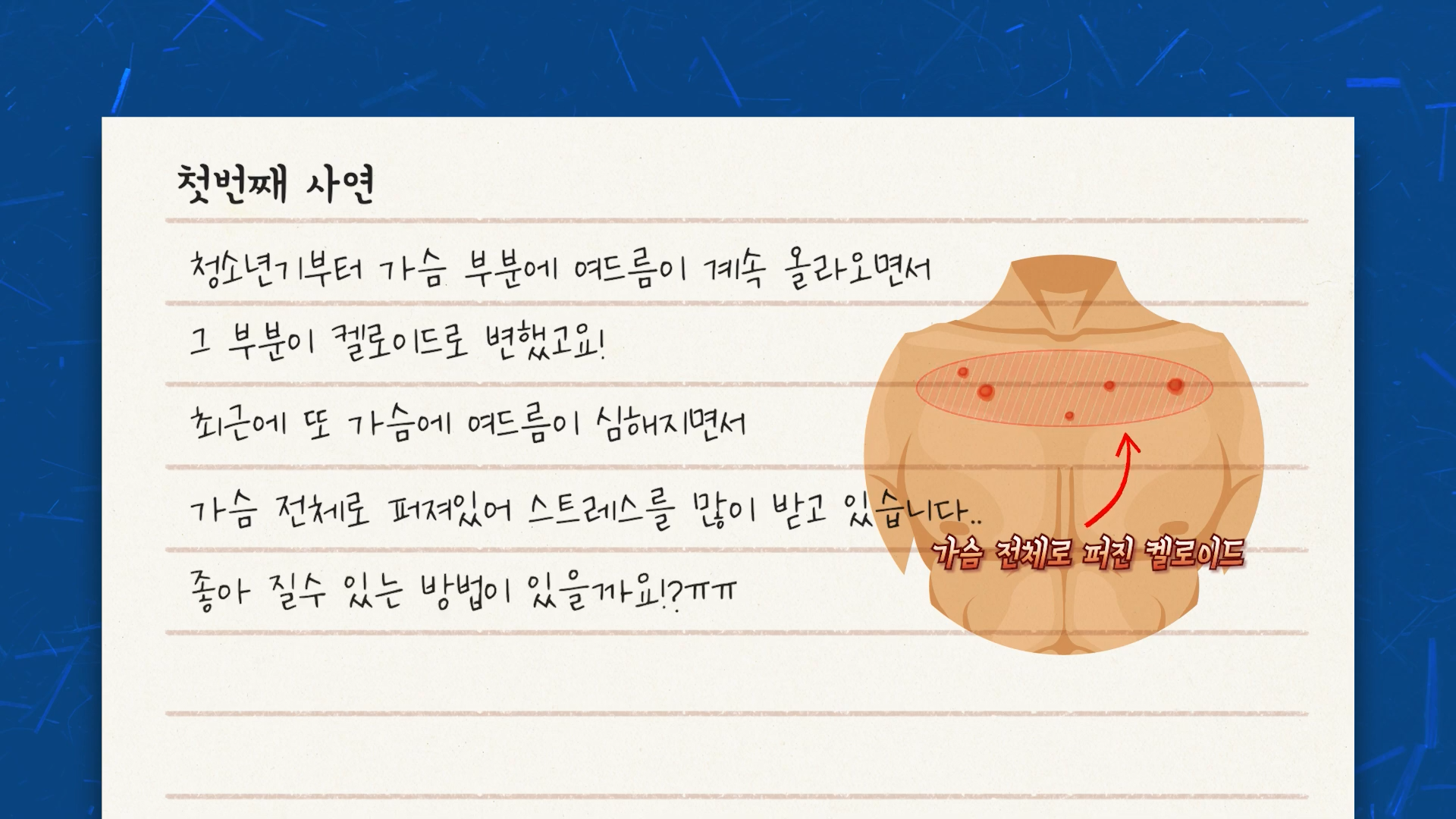
Keloid Cases Originating from Acne
The first case involves individuals who primarily have acne and have developed keloid scars due to it. If inflammation is deep and recurrent, the healing process can be prolonged, causing scars to rise thickly.
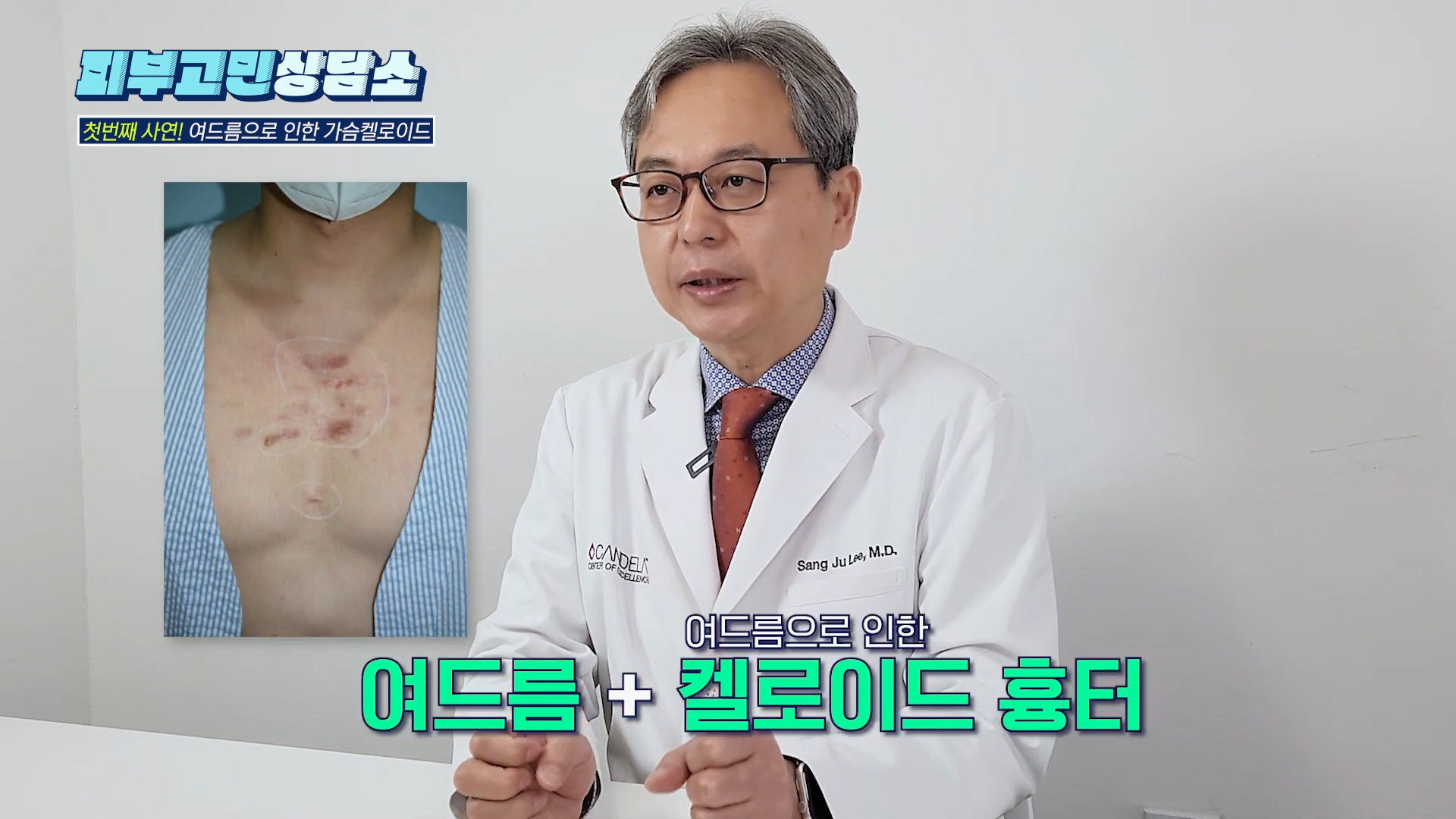
When such keloid symptoms appear, if the severity is mild, injection treatment can be attempted. If the effect is insufficient or the condition is severe, improvement can be expected by combining laser and injection treatments. Rather than worrying too much, we recommend seeking medical consultation at an appropriate time. In the same vein, if acne scars are also present, the treatment direction will be determined according to the scar pattern.
Treatment Direction Varies by Size
There are several approaches to treating keloid scars, with size being a key variable. For small keloids, improvement can be aimed for with Triamcinolone Scar Injection alone. Therefore, it is important to start treatment early.
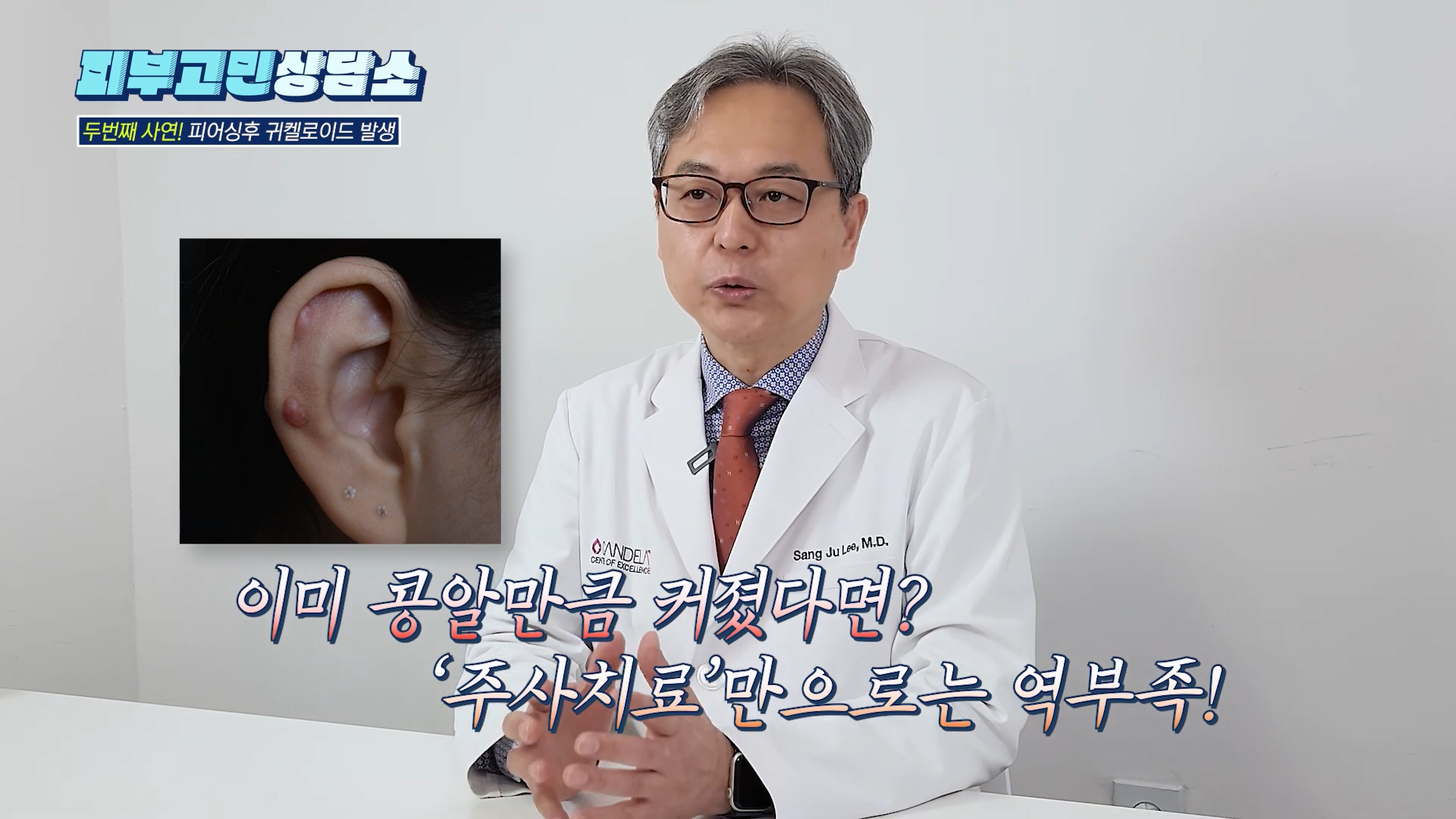
If the size grows to about the size of a bean, injection treatment alone may have limitations, and cosmetic concerns may arise. In such cases, surgical treatment or laser treatment is considered.
In the clinic, we often find that even for the same keloid, the recommended method varies depending on the area, size, and the patient's healing tendency.
| Condition | Primary Consideration | Characteristics |
|---|---|---|
| Small, early stage | Injection treatment | Relatively simple to attempt |
| Bean-sized or larger | Laser or surgery | Limited effectiveness with injection alone |
| Prominent redness | Combined vascular laser and injection | Expects improvement in color |
Surgery vs. Laser: Pros and Cons
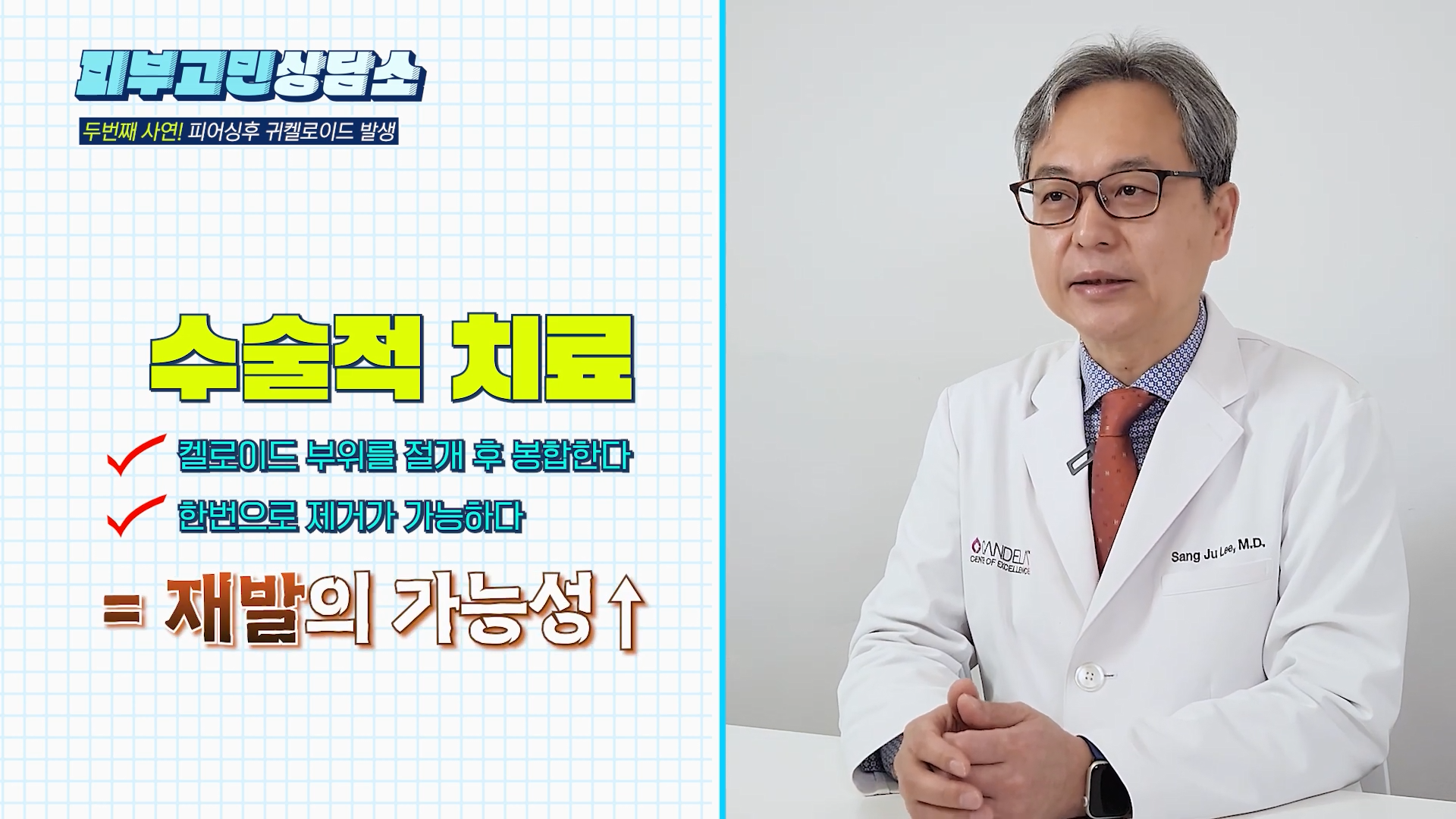
Surgery, as the name suggests, involves excising and suturing the keloid area. While it has the advantage of immediate removal, the high recurrence rate of keloid scars must also be considered. Another method is to remove keloid scars with a laser.
Lasers can be handled more precisely than scalpels, and in our clinic's experience, the risk of recurrence has been relatively lower. If a bean-sized keloid has appeared and you want to resolve it quickly, we recommend laser removal in one go. If you are concerned about scars from surgery, we may also consider Surgical Scar Revision.
If you have any questions, please contact us via chat for keloid treatment directions.
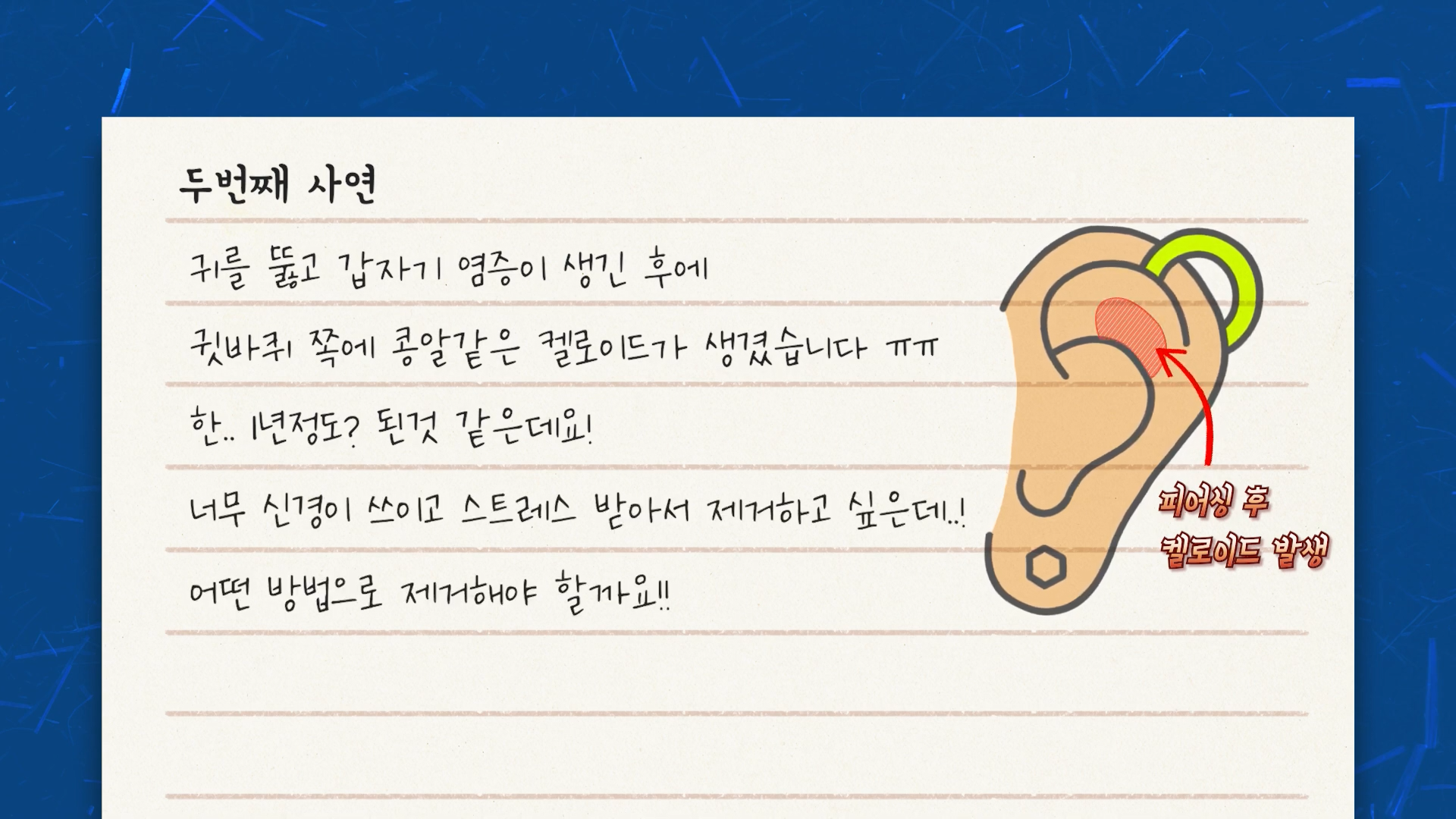
C-section Scars Can Be Keloids
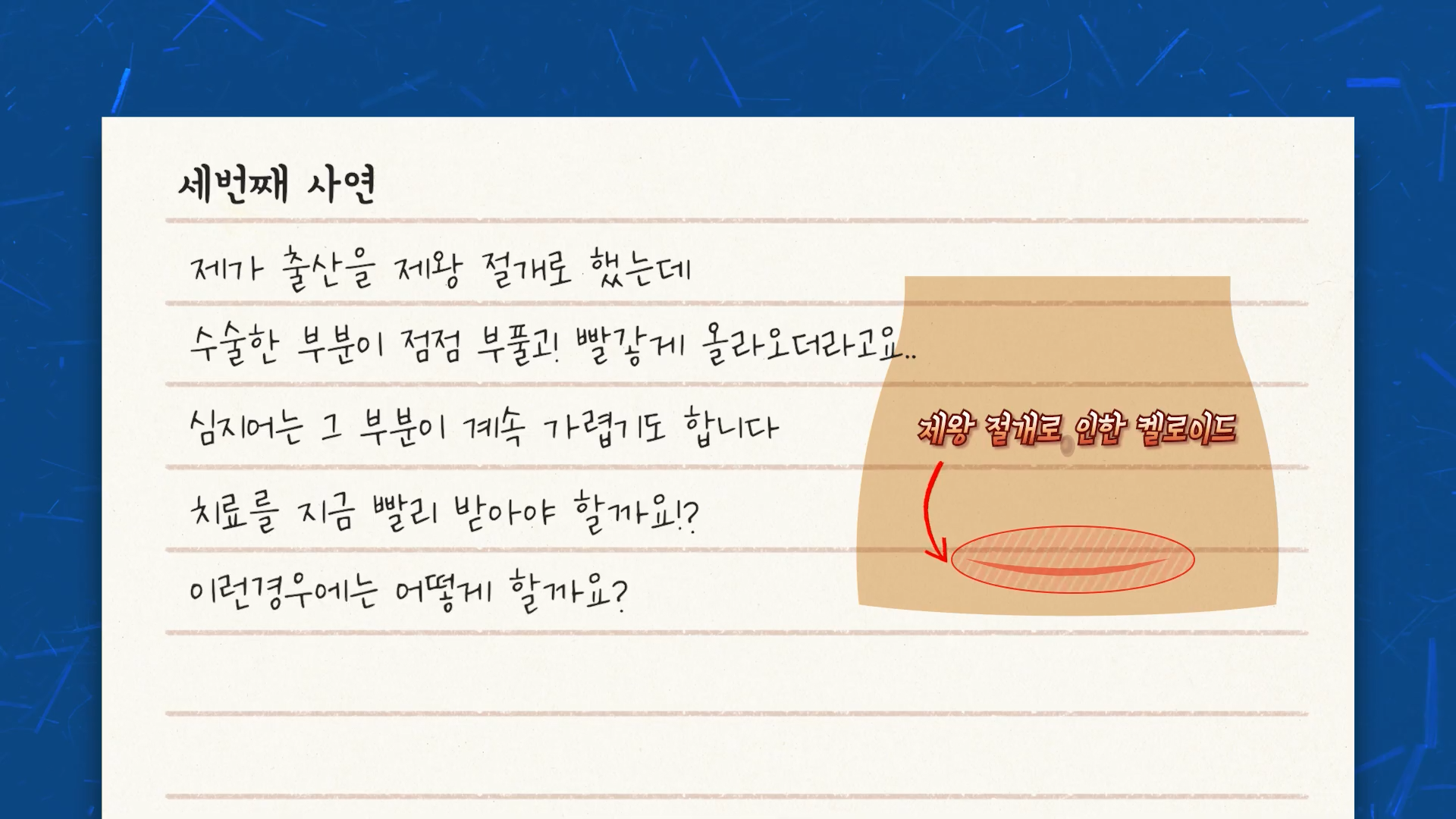
If the area of a C-section is red and swollen, it's a good idea to suspect a keloid. Keloids can appear in surgical sites, so it's necessary to distinguish them from simple surgical scars.

When a keloid is about to grow, it can be itchy and appear redder. If you notice these signs, we recommend visiting as soon as possible for injection and laser treatments.
It's advisable not to delay consultation if you observe the following changes:
- When the scar gradually widens beyond the wound's border
- When itching or stinging pain persists
- When redness deepens and the area becomes firm
- When a C-section or surgical site swells
- When the size does not decrease over time
How to Treat Red Keloids
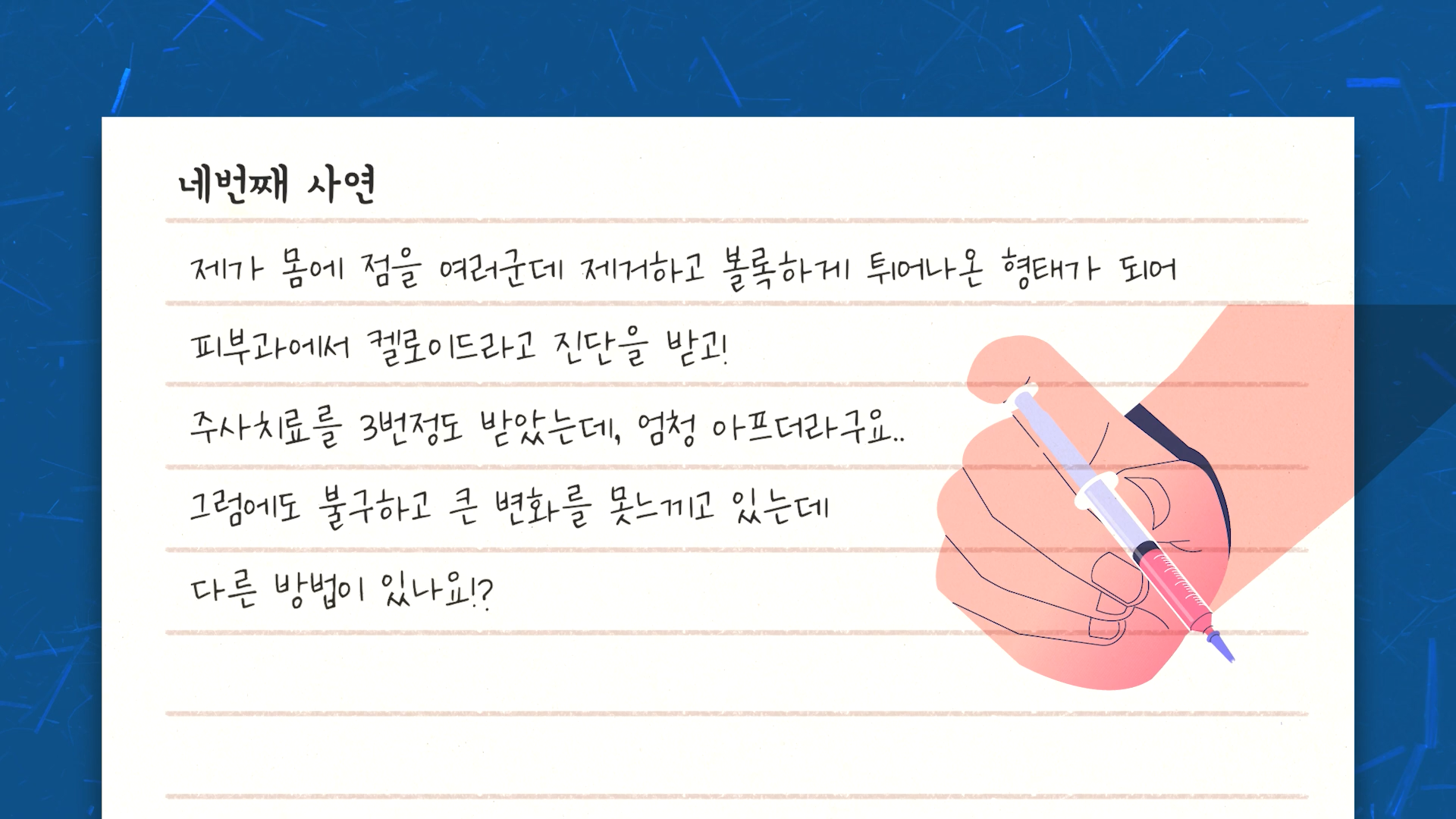
Generally, injection treatment is common, and in some cases, it is combined with laser treatment.

Especially when redness is severe, combining a laser like Vbeam Prima with injection treatment can lead to improvement. For keloids with prominent discoloration, lasers targeting blood vessels are known to be helpful.

Pain Management for Those Afraid of Injections
The problem is that quite a few people have received injections elsewhere and then couldn't continue due to the pain.
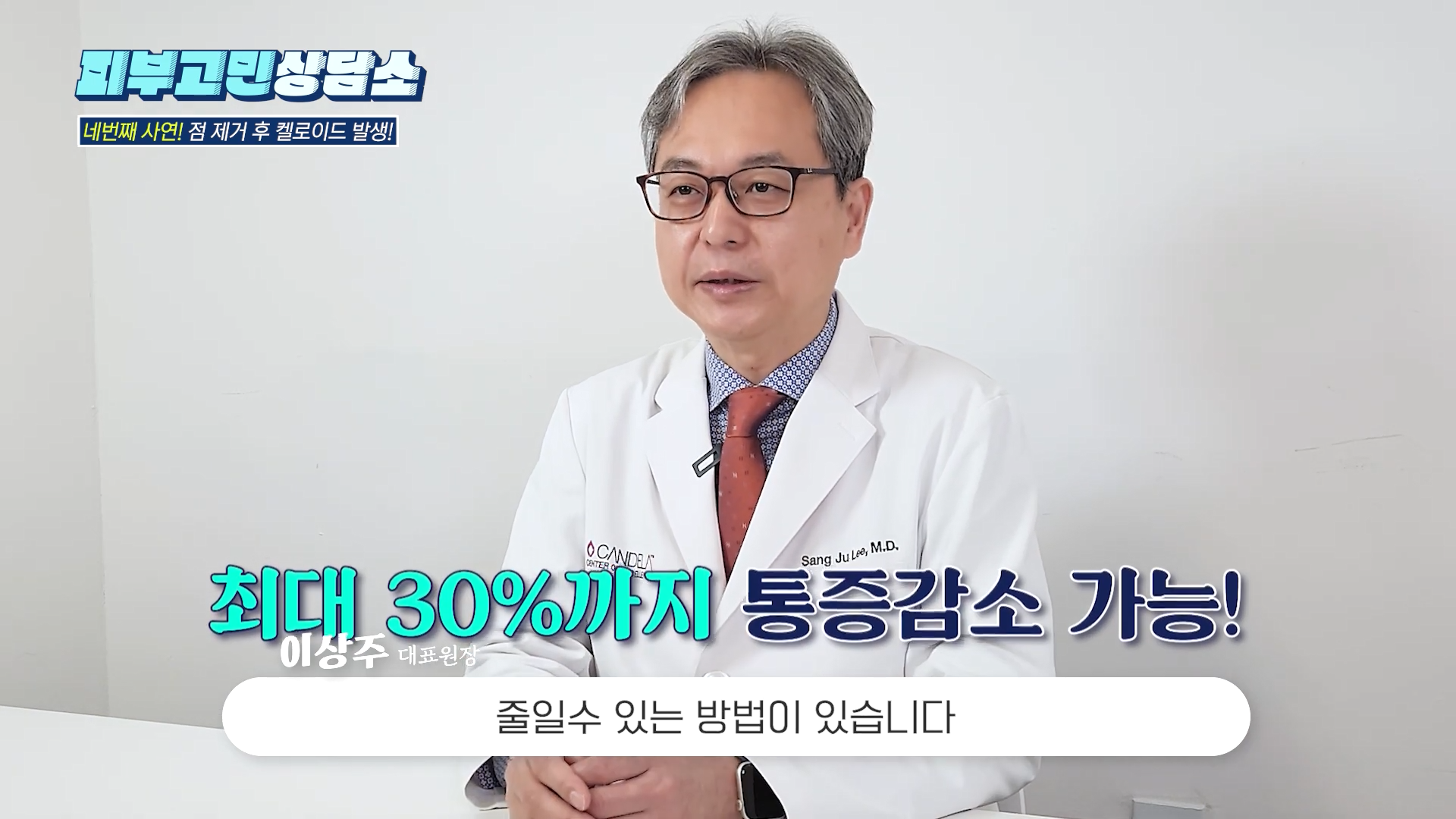
There are several ways to reduce pain during injections. Utilizing these methods is reported to reduce pain by about 10-30% compared to conventional injections.

This method is the low-pain injection at Yonsei Star Dermatology Sinchon. If you've hesitated to receive treatment due to pain, you can feel much more at ease. Keloids can progress in size and color if left untreated, so the key is to consult a dermatologist quickly when symptoms appear to determine the direction of treatment.
Finally, here are some important points to remember for keloid management:
- Early intervention is crucial as smaller keloids are easier to treat.
- A combination of injections, lasers, and surgery is used depending on the size and color.
- If you are concerned about pain, you can discuss methods like low-pain injections.
- Due to the tendency for recurrence, follow-up observation is necessary.
If you have any questions, rather than worrying alone, we recommend asking comfortably through the consultation below.
💬 Consult Now
Chief Director Lee Sang-joo (MD, PhD, Yonsei University College of Medicine & Graduate School, Completed Dermatology Residency at Severance Hospital, President of the Korean Dermatological Association) Chief Director Lee Sang-joo Profile First published 2024-05-30 / Last reviewed 2026-06-16
The content of this article is for general information purposes only, and keloid symptoms and treatment responses may vary among individuals. Therefore, please consult with medical staff to determine an accurate diagnosis and treatment.