
![Understanding Blisters After Tattoo Removal and How to Manage Wounds and Blisters | [Yonsei Star Dermatology Sinchon]](/_next/image?url=https%3A%2F%2Fagqdgbuateknhwpocrgu.supabase.co%2Fstorage%2Fv1%2Fobject%2Fpublic%2Fsources%2Fbbf3bebe-45b6-4415-bd04-bda18b2cac0f%2Fblog-images%2F224086543352_00_160b1589aa25.jpg%3Ftype%3Dw966&w=3840&q=75)
The first method that comes to mind when deciding to remove a tattoo is laser tattoo removal. However, if blisters appear on the skin after the procedure, concerns like "Is this normal? Will it leave a scar?" often follow. To put it simply, blisters are a common change that can occur during the laser's thermal reaction process, and the recovery pattern can vary depending on how they are managed.
Blisters can arise through various pathways, including thermal reactions from the laser, incorrect irradiation methods, or the use of inappropriate equipment. Recently, technologies aimed at reducing the likelihood of scars, such as the R0 method, which minimizes the possibility of side effects like wounds or scars and is applied more safely, have been introduced and are being utilized, going beyond merely removing pigment.
Why Do Blisters Form After Tattoo Removal?
Lasers work by concentrating energy on tattoo pigments. During this process, heat is transferred not only to the pigment but also to the surrounding tissue, which can cause blisters to form on the skin surface. In other words, blisters are more akin to a defensive reaction of the skin that accompanies the process of pigment destruction.

The causes of blisters and wounds can be summarized as follows:
- Laser Thermal Reaction: Blisters can form as heat accumulates in the surrounding tissue while the laser delivers energy to the tattoo pigment.
- Limitations of Repeated Laser Irradiation: Immediately after laser irradiation, bubbles appear on the skin surface, which obstruct the laser from reaching the depth where the ink is located. If repeated irradiation is forced in this state, skin damage can increase.
- Equipment Performance and Irradiation Technique: Older lasers or unskillful irradiation methods can lead to blisters, pigmentation, and scars.
- Insufficient Aftercare: Popping blisters yourself or irritating them can worsen them into infection and scars, while sun exposure, sweat, and friction can also hinder recovery.
How blisters are handled often determines whether a scar will remain, more so than the blister itself. Avoiding excessive repeated irradiation and self-irritation is reported to be key.
The Vicious Cycle Caused by Impatience to Remove in One Go
Many people hesitate to start tattoo removal because it is widely perceived as time-consuming and complicated. Some opt for cover-ups by overlaying new designs on existing tattoos, but such temporary solutions can easily lead to a vicious cycle, increasing the difficulty and duration of subsequent tattoo removal.
In the clinic, we often see patients who, eager for quick removal, want to receive concentrated laser treatments in one area. However, if irritation accumulates without giving the skin time to recover, blisters and wounds can deepen. Therefore, a phased approach with recovery cycles is safer.
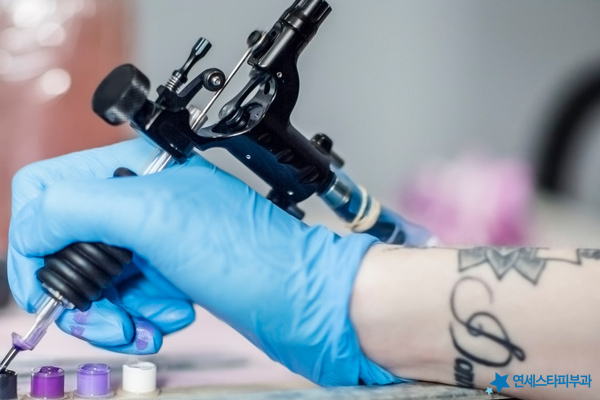
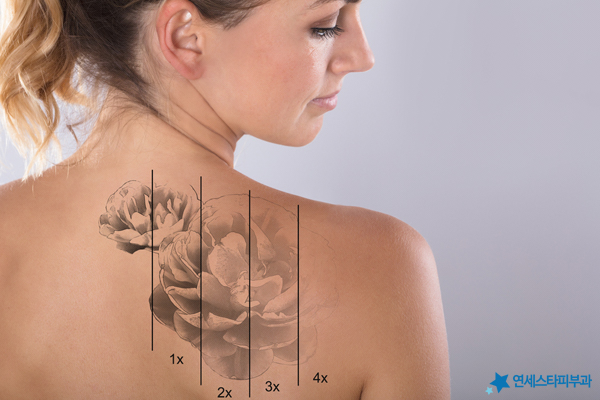
To reduce such discomfort and proceed more safely and quickly, methods like R0 technology are recently gaining attention. This method allows for continuous pigment destruction within a single session, enabling up to four consecutive applications in one laser treatment. It is considered a way to proceed while reducing the burden of recovery.
If you are curious about the laser equipment and methods used for tattoo removal, you can check the principles and scope of application in the RePott Laser Treatment Guide.
Why the R0 Method is Gaining Attention
Laser tattoo removal is still widely used as a relatively safe and quick method. However, due to the nature of repeatedly irradiating the same area, concerns about skin recovery, wounds, and scars are inevitable.
The R0 continuous irradiation method is designed to reduce the burden of repeating treatments over several days by allowing a phased approach to depths previously blocked by bubbles within a single session. However, the applicability and number of treatments may vary individually depending on the tattoo's color, depth, area, and skin condition, so consultation before the procedure is necessary.
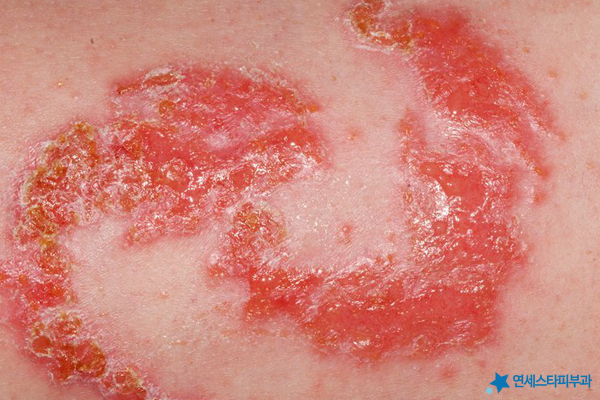
Blisters sometimes appear during tattoo removal. In such cases, it is important to be careful not to pop them or irritate the area if it bothers you, as this can lead to scars that are even more difficult to remove. Conversely, with proper management, most blisters heal well, often returning to normal skin without scar concerns.
If you want to know more about tattoo removal or are curious about the appropriate pace for your skin condition, please use chat consultation regarding tattoo removal blisters.
How to Manage Blisters When They Occur
If blisters appear, please follow these guidelines:
- Do not pop the blisters yourself. A broken blister becomes an entry point for infection and scars.
- If you have been prescribed ointment or dressing, apply it consistently as instructed.
- Reduce sun exposure and refrain from activities that cause sweat and friction until recovery.
- If oozing, pain, or redness worsens, do not make arbitrary judgments; consult with medical staff.

By minimizing irritation and allowing sufficient recovery time, most blisters subside cleanly. Conversely, if the next procedure is rushed before full recovery, damage can accumulate in the same spot, increasing the likelihood of scarring.
What to Check to Reduce Scars
Tattoo removal blisters are a change that can be avoided. Organizing based on the following items can help reduce the burden of scars.
| Check Item | Key Points |
|---|---|
| Equipment and Method | Application of continuous irradiation methods like R0, equipment condition |
| Treatment Plan | Phased plan with recovery cycles, avoiding over-treatment in one session |
| Aftercare | Guidance on scar prevention management for blisters and wounds |
| Consultation Thoroughness | Explanation of individual differences based on color, depth, and area |
If you are concerned about scars where tattoo pigment is located, or scars remaining after removal, we recommend referring to Cosmetic Surgery Scar Management information and discussing it during your consultation.

In summary, it is reported that planning procedures with safe equipment within reasonable limits, adhering to recovery cycles, and proceeding without haste is the way to reduce concerns about blisters and scars. If you are preparing for tattoo removal, carefully check for R0 usage, equipment, and aftercare during the consultation phase.
If you are considering tattoo removal, 💬 Consult Now
Representative Director Lee Sang-joo (MD, PhD, Yonsei University College of Medicine and Graduate School, completed dermatology residency at Severance Hospital, President of the Korean Dermatological Association) Representative Director Lee Sang-joo's Profile First Published 2025-11-24 / Last Reviewed 2026-06-16
This article provides general information, and recovery patterns and results may vary individually. Accurate diagnosis and treatment plans should be determined through consultation with medical staff.