

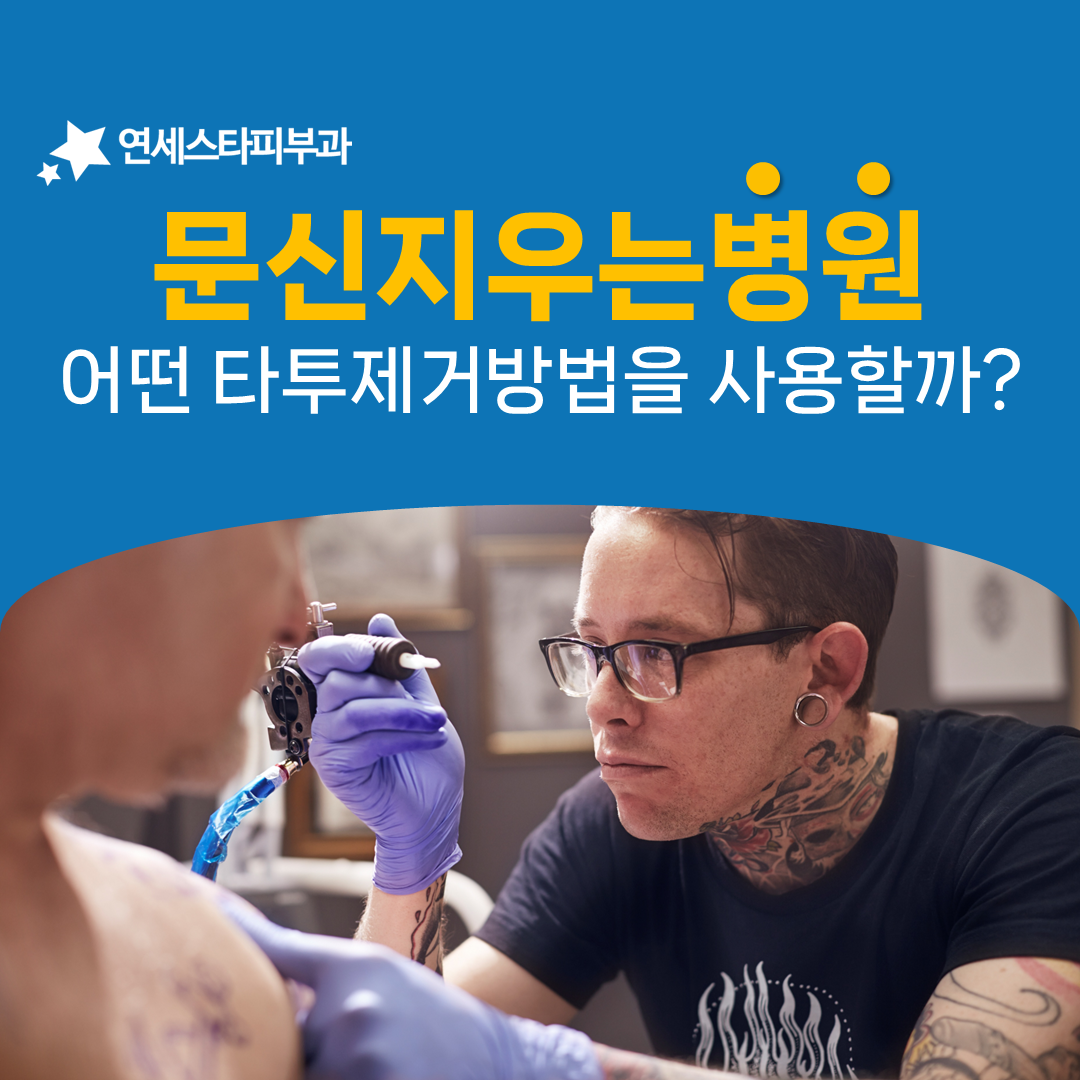
Many people are curious about the methods used in clinics that remove tattoos. Broadly, there are the general laser method and the R-Zero method, which complements it.
We've summarized how far the two methods are similar and where they diverge.

How Tattoos Fade with Laser
Generally, clinics that remove tattoos use lasers. The process is as follows:
- A picosecond laser creates microscopic holes in the epidermis.
- The tattoo pigment is broken down into tiny fragments.
- Macrophages engulf the fragmented ink particles.
- Through this process, the tattoo gradually fades.
Up to this point, both methods are identical.
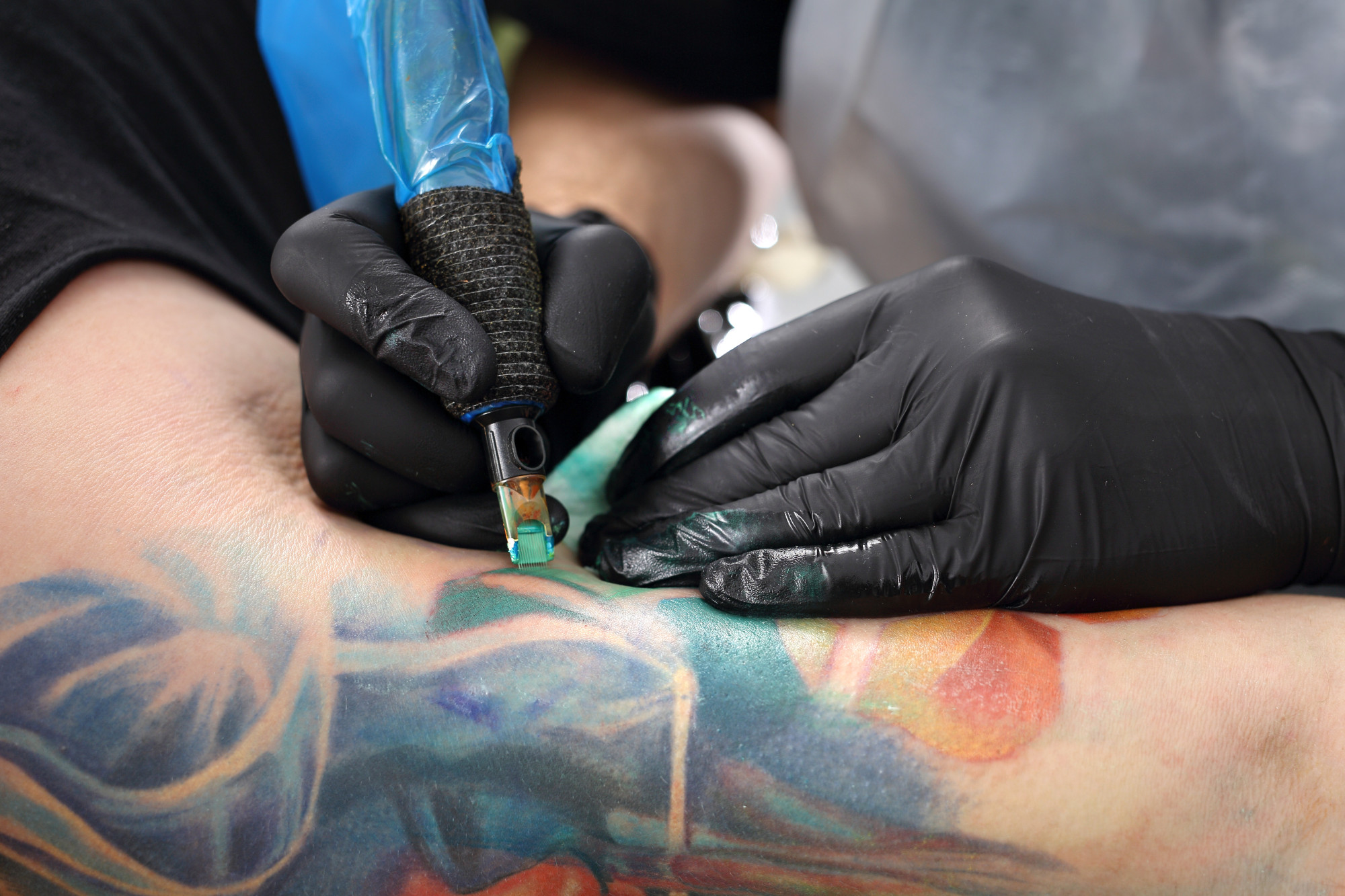
The Divergence Point is the Bubble
When a tattoo removal laser is irradiated, a white bubble layer forms, which obstructs laser penetration. This is why the general method allows only one treatment per visit.
Even with the same equipment and principle, the reason for the difference in progress speed lies in whether this bubble layer is left as is or managed.
Attempts to overcome this limitation led to various tattoo removal methods, among which R-Zero Tattoo Removal is representative.
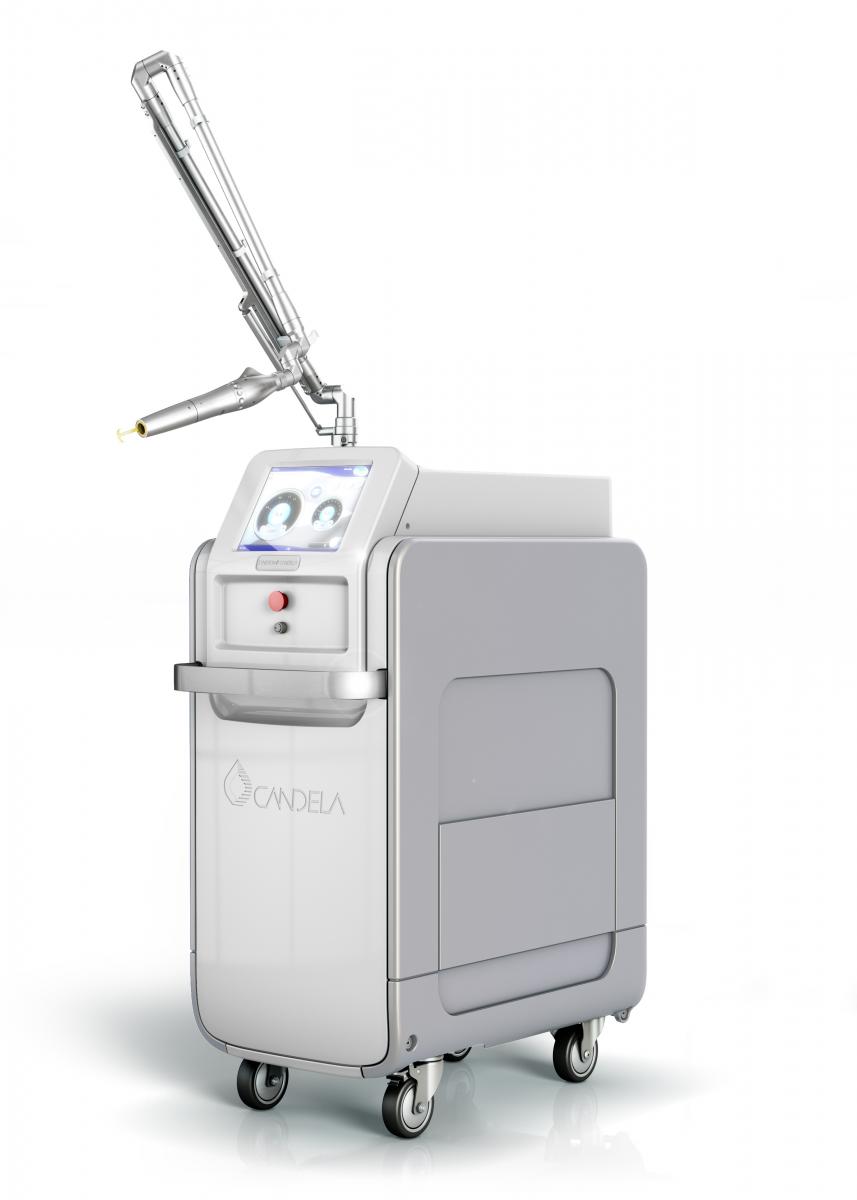
How R-Zero Handles Bubbles
In R-Zero Tattoo Removal, when the PicoWay Laser beam is irradiated once and a white bubble layer forms, a specialized medication is applied.
Applying the medication removes the bubble layer, allowing the laser to pass through up to 4 times under conditions that minimize skin damage.
| Category | General Tattoo Removal | R-Zero Tattoo Removal |
|---|---|---|
| Bubble Layer Treatment | Left as is | Removed with specialized medication |
| Irradiations per visit | 1 time | Up to 4 times |
| Treatment Period | Relatively longer | Can expect to be shortened |
Since four irradiations are possible at once, it may be possible to shorten the treatment period compared to the general method, which allows only one irradiation at a time. The treatment composition is available in the R-Zero Pico-Frectat Tattoo Removal Guide.

One Standard for Any Method
Whether it's the general method or the R-Zero method, the most important thing is to perform the procedure safely, leaving as few scars as possible.
When considering scar prevention, the Pinhole for Burn & Surgical Scar Guide may also be combined.
What to Ask During Consultation
We recommend checking which method is suitable for your tattoo, how many irradiations are possible per session, and the total number of sessions expected. Results and recovery progress may vary individually.
The overall treatment flow can be found in the Tattoo Removal Treatment Guide.

Authored and Medically Reviewed by Dr. Kang Jin-moon, Chief Director (Dermatologist) Board-Certified Dermatologist · Graduated from Yonsei University College of Medicine · Dermatology Resident at Severance Hospital Currently Adjunct Professor, Department of Dermatology, Yonsei University College of Medicine · Former Professor at Bundang CHA Hospital Member of the Korean Society for Aesthetic and Dermatologic Surgery · Author of 'Medical Body Care' View Medical Staff Profile
First Published 2025-04-16 · Last Reviewed 2026-07-29
This article contains general medical information and is not a substitute for individual diagnosis and treatment. Results and recovery progress may vary individually.