
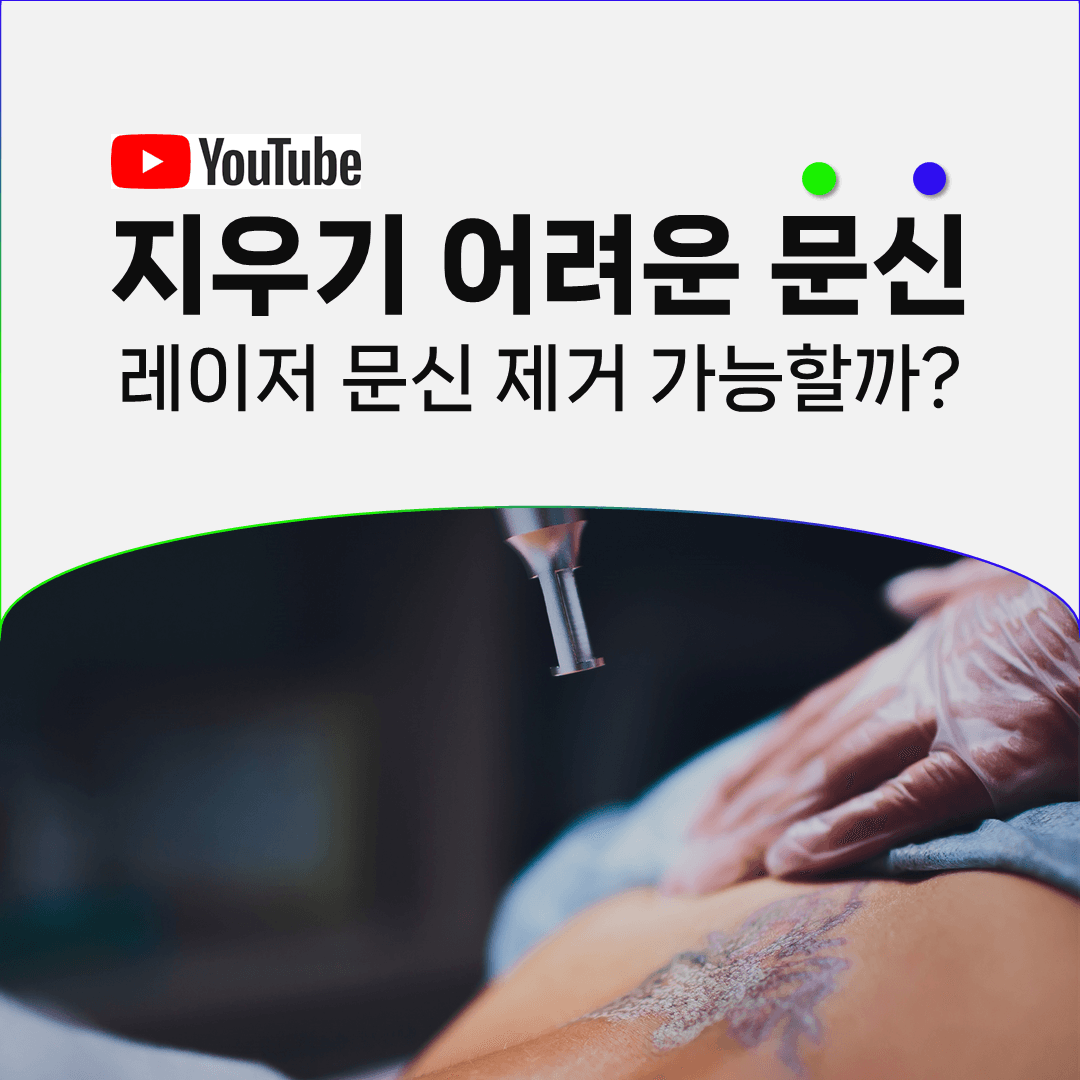

Even if you've decided to get a tattoo removed, you might still wonder if your specific tattoo will be easy to remove. As more people visit our clinic, we encounter a variety of cases, and some of them are particularly challenging.
In this article, we've organized the conditions that make tattoo removal difficult, in order of constitution, cover-up status, ink color, and skin tone.
Keloid Diathesis and Tattoo Removal
When discussing difficult-to-remove tattoos, keloid diathesis is often mentioned first.
Keloids can occur even without severe injury, so it cannot be said that they will not occur at all.
There are also cases where they occur in areas that have been repeatedly pressed, even if not due to injury.

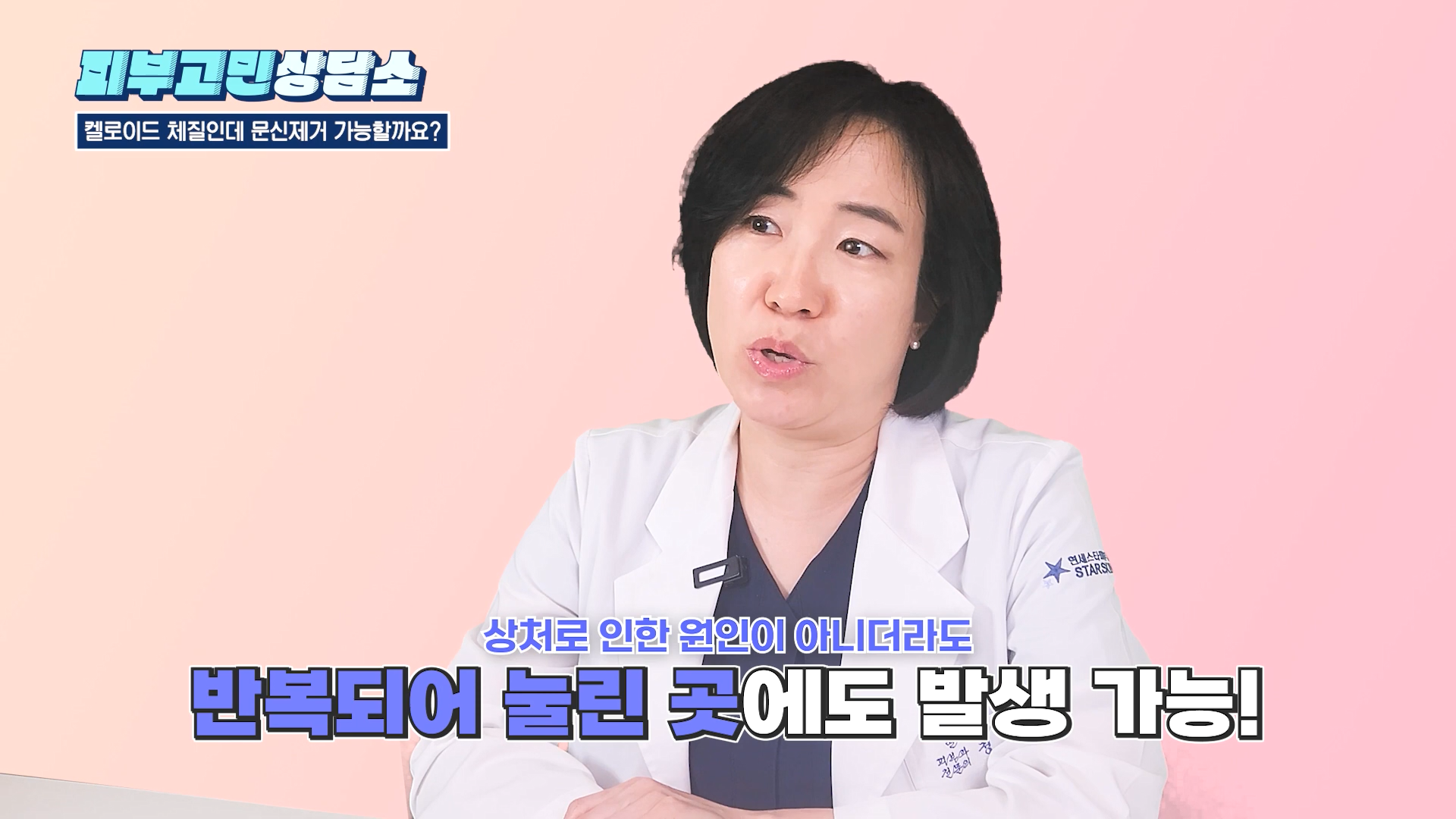
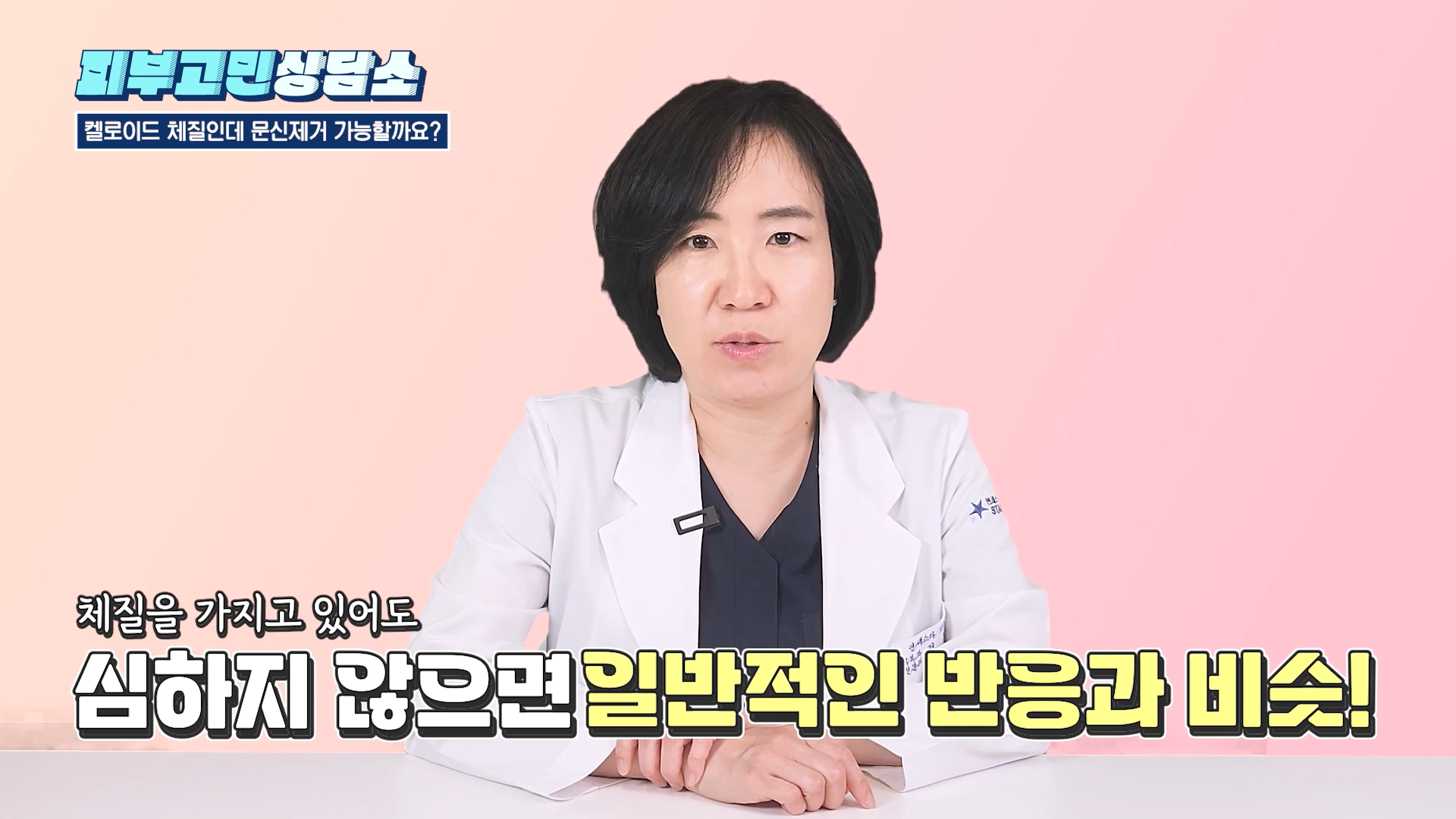
If the tattoo is on the shoulders or collarbones, areas prone to keloid scarring, and if the patient is in their 20s or 30s, they may be slightly more affected. However, even with keloid diathesis, if the keloids are not severe, the response may be similar to those with a typical constitution.
What kind of scars remain?
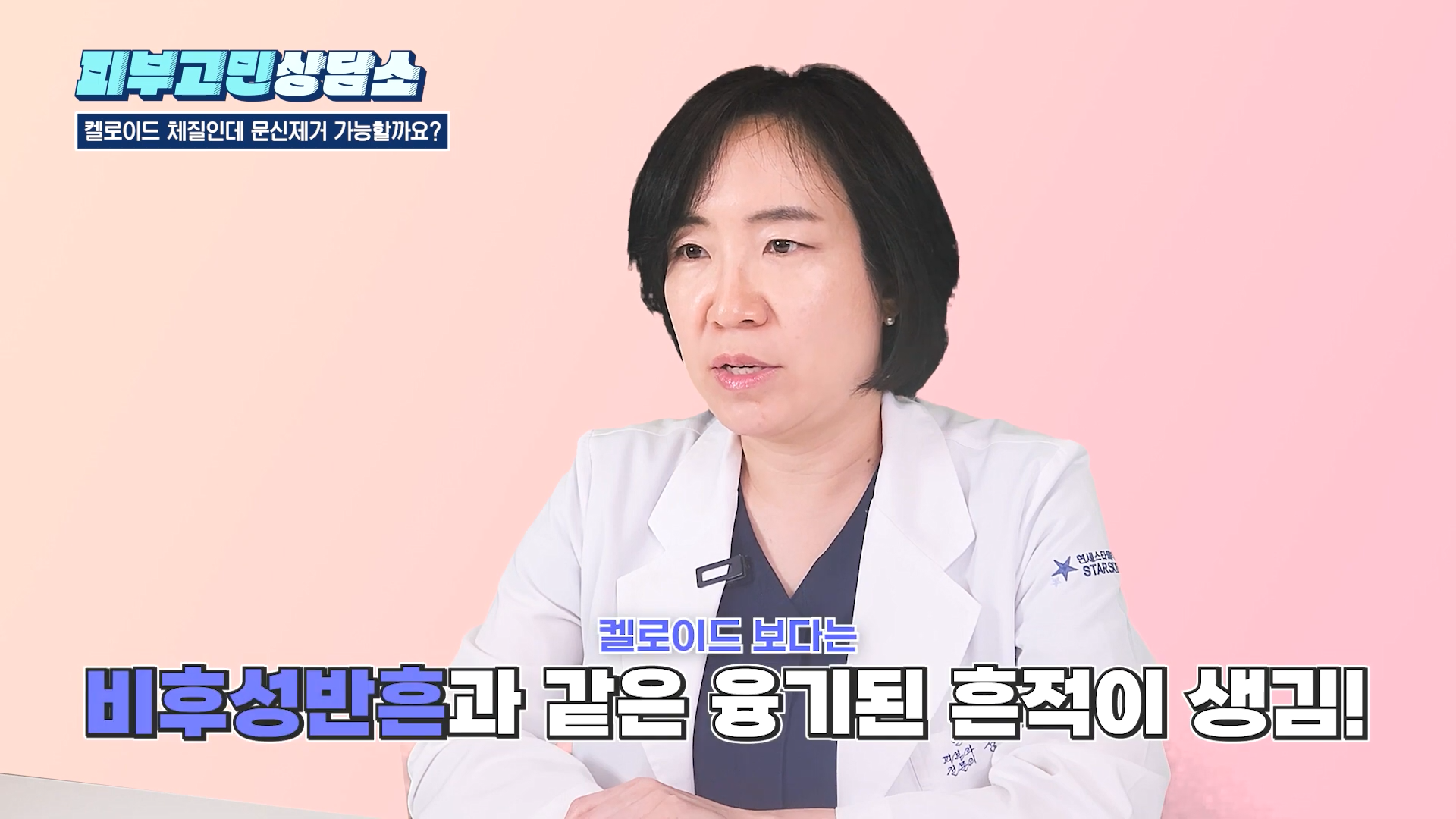
Even if scarring occurs, keloids often result in slightly raised marks, similar to hypertrophic scars.
Conversely, even without keloid diathesis, the following types of tattoos can lead to changes in skin texture, such as hypertrophic scars:
- Tattoos with a particularly large amount of ink
- Tattoos with a wide variety of colors
- Tattoos located in areas prone to scarring
Methods for treating raised scars are summarized in the Pinhole for Burn & Surgical Scar guide.
The Challenges of Cover-Up Tattoos
Cover-up tattoos are those where existing tattoos are covered with ink, not just to conceal scars. For cover-up tattoos intended to hide scars, if the existing tissue is tough and thick, the removal effect may be slow.
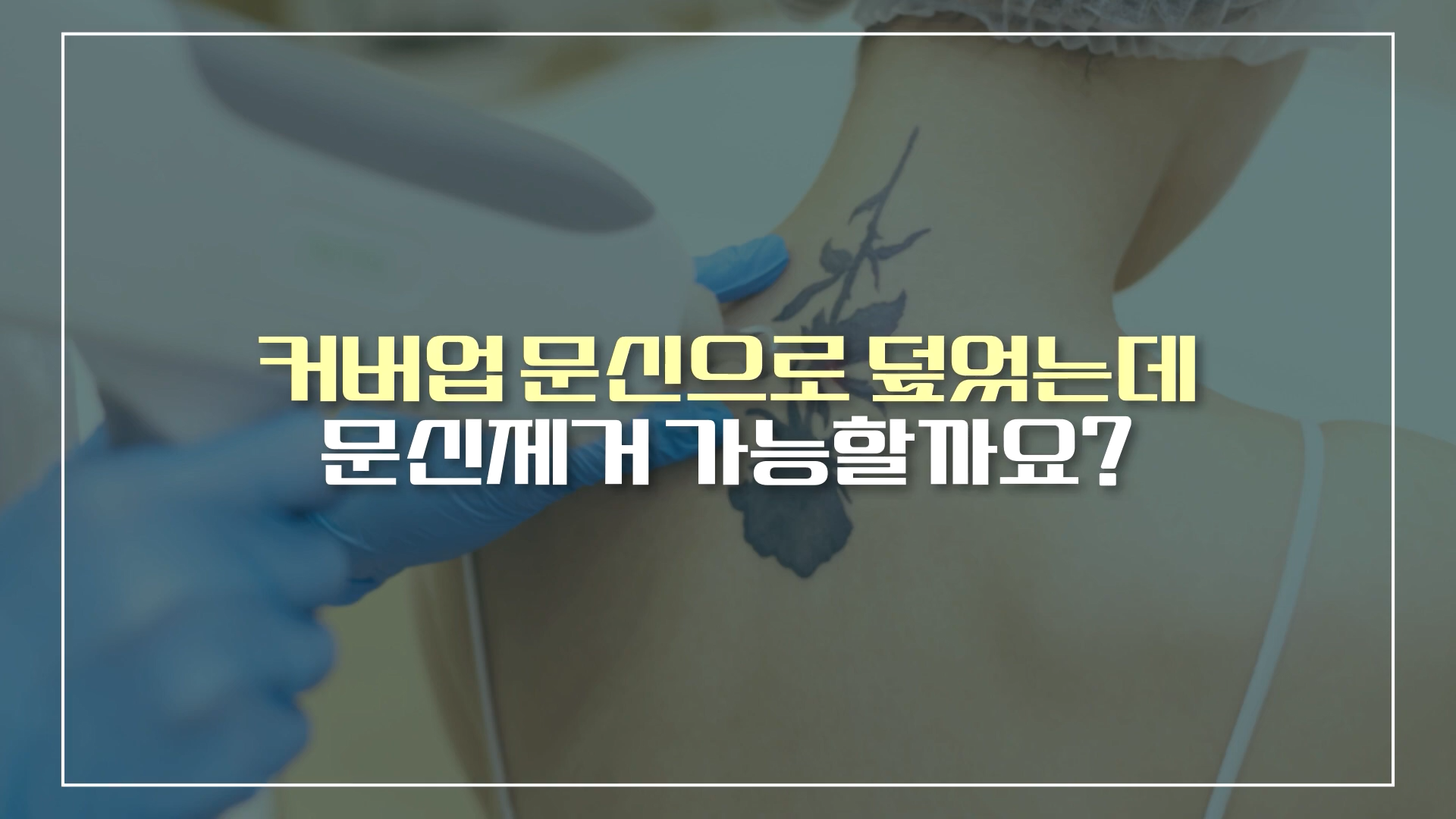
Cover-up tattoos typically contain much more ink than regular tattoos. Therefore, there is a higher possibility of needing more treatment sessions and a greater chance of developing raised conditions like hypertrophic scars. As the treatment must be tailored to the skin condition, we recommend seeking removal from a skilled dermatologist.
If the cover-up tattoo has minor and thin scars, it may be removable with little difference from other tattoos. The procedure can be found in the R-Zero Pico-Frectat Tattoo Removal guide.
Colors with Low Laser Response
Unfortunately, the colors with the lowest laser response are flesh tones, white, and yellow. It can be said that there are no specific wavelengths that react to these colors.
Generally, more sessions are required than for black and white tattoos, and colors may lighten after repeated treatments. Overall, it is somewhat more difficult to achieve satisfactory results compared to monochromatic black.
Therefore, it is advisable to avoid tattoo colors such as flesh tones or white, in case you wish to remove them later.
The Impact of Skin Tone on the Number of Sessions
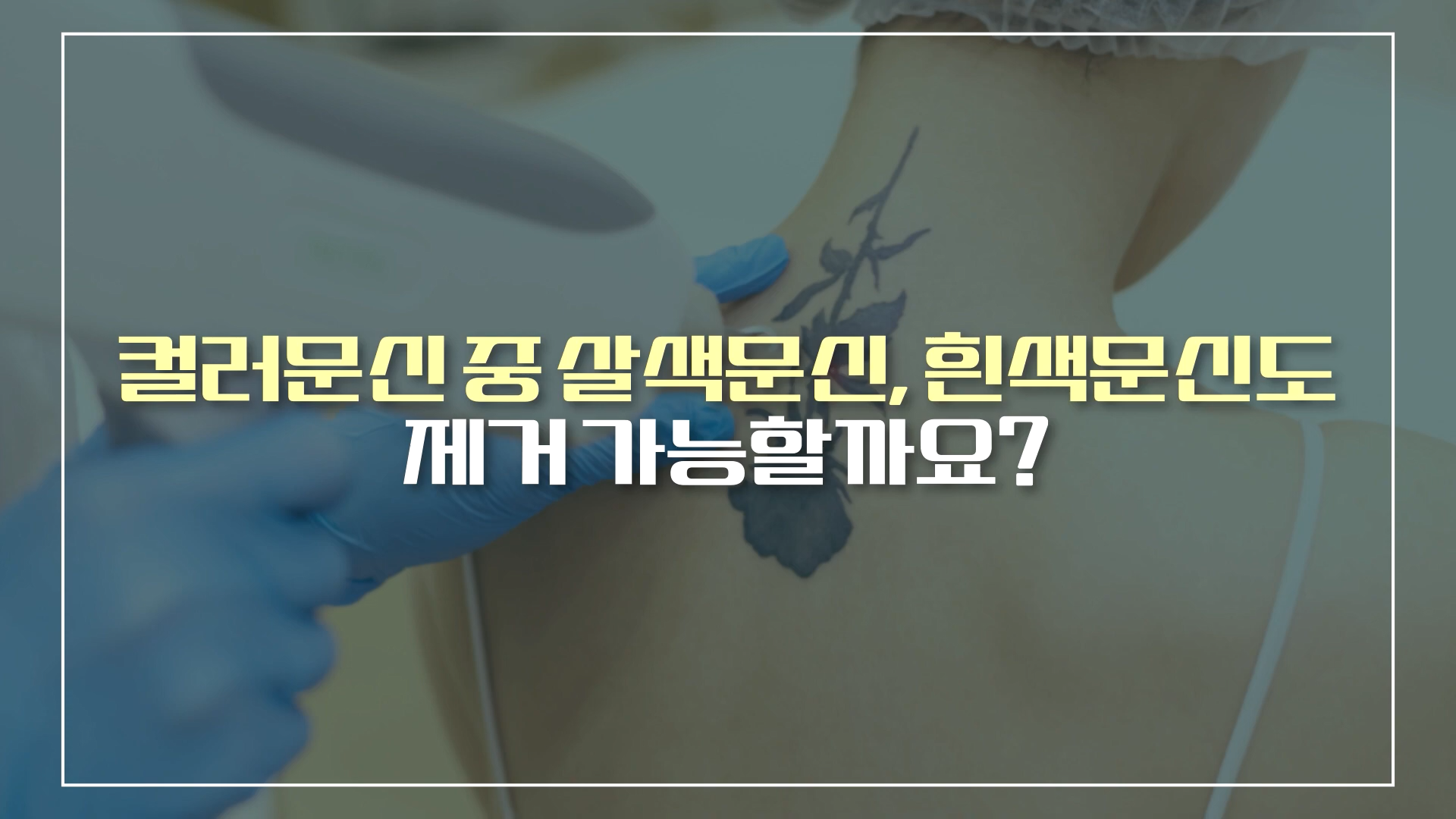
Skin tone is known to affect the number of tattoo removal sessions to some extent. This is because darker skin tones can cause excessive melanin pigment to react, hindering laser penetration.
Additionally, side effects such as post-laser hyperpigmentation or, conversely, hypopigmentation, may occur slightly more often in individuals with darker skin tones. Methods for treating pigmentation can be found in the Pico·Dual·Gold-Diamond Toning guide.
Generally, for Korean skin, the difference in skin tone is not extremely large, so you can consider that it does not pose a difficulty to the extent of making removal impossible. However, if a person with dark skin tans or is exposed to a lot of UV light, causing their skin to darken, the effectiveness may decrease, so it is best to avoid such exposure.

Summary by Condition
| Condition | Reason | Progress of Removal |
|---|---|---|
| Keloid diathesis | Influence of areas prone to scarring, such as shoulders or collarbones | If not severe, may show similar response to general constitution |
| Cover-up tattoo | Existing tissue is tough and thick, and ink volume is high | Removal effect is slow, and number of sessions is likely to increase |
| Flesh, white, yellow colors | No specific wavelength reacts to these colors | Requires more sessions than black and white tattoos |
| Dark skin tone | Melanin pigment reacts excessively, hindering laser penetration | Affects the number of sessions and may increase pigmentation-related side effects |
These are aspects you might not consider when getting a tattoo. You can check the overall treatment flow in the Tattoo Removal Treatment Guide, and inquire about which category your tattoo falls into via Chat Consultation.

Authored and Medically Reviewed by Chief Director Dr. Lee Sang-Joo (Dermatologist) Former Resident in Dermatology at Severance Hospital · Former Professor of Dermatology at Yeongdong Severance Hospital Former Head of Dermatology at National Police Hospital · Current Adjunct Professor, Department of Dermatology, Yonsei University College of Medicine View Medical Staff Profile
First Published 2024-06-19 · Last Reviewed 2026-07-29
This article contains general medical information and is not a substitute for individual diagnosis and treatment. Results and recovery may vary among individuals.