


Many people want to remove a tattoo but postpone it because they don't know where to start.
We'll briefly explain how our clinic performs tattoo removal and when it's best to start.
R-Zero Method Using a Special Medication
Our clinic performs tattoo removal using the R-Zero method.
The R-Zero treatment involves applying a special medication to the tattooed area. This allows for up to four repeated treatments in a single session. You can find more details about the procedure in R-Zero Pico-Frectat Tattoo Removal.

We Also Focus on Scar Prevention
Our clinic is staffed by dermatology specialists and possesses excellent expertise in scar prevention treatment.
- We have extensive experience and know-how accumulated over many years in the field of scars.
- We perform procedures in a way that minimizes scars that may remain after tattoo removal.
Methods for addressing scars are summarized in Pinhole for Burn & Surgical Scar.

Anesthesia to Reduce Pain Burden
One of the concerns with tattoo removal is pain. Our clinic performs procedures to minimize pain.
We use various anesthesia methods to alleviate pain, aiming to reduce discomfort and provide comfort during the procedure. The perception of pain may vary among individuals.
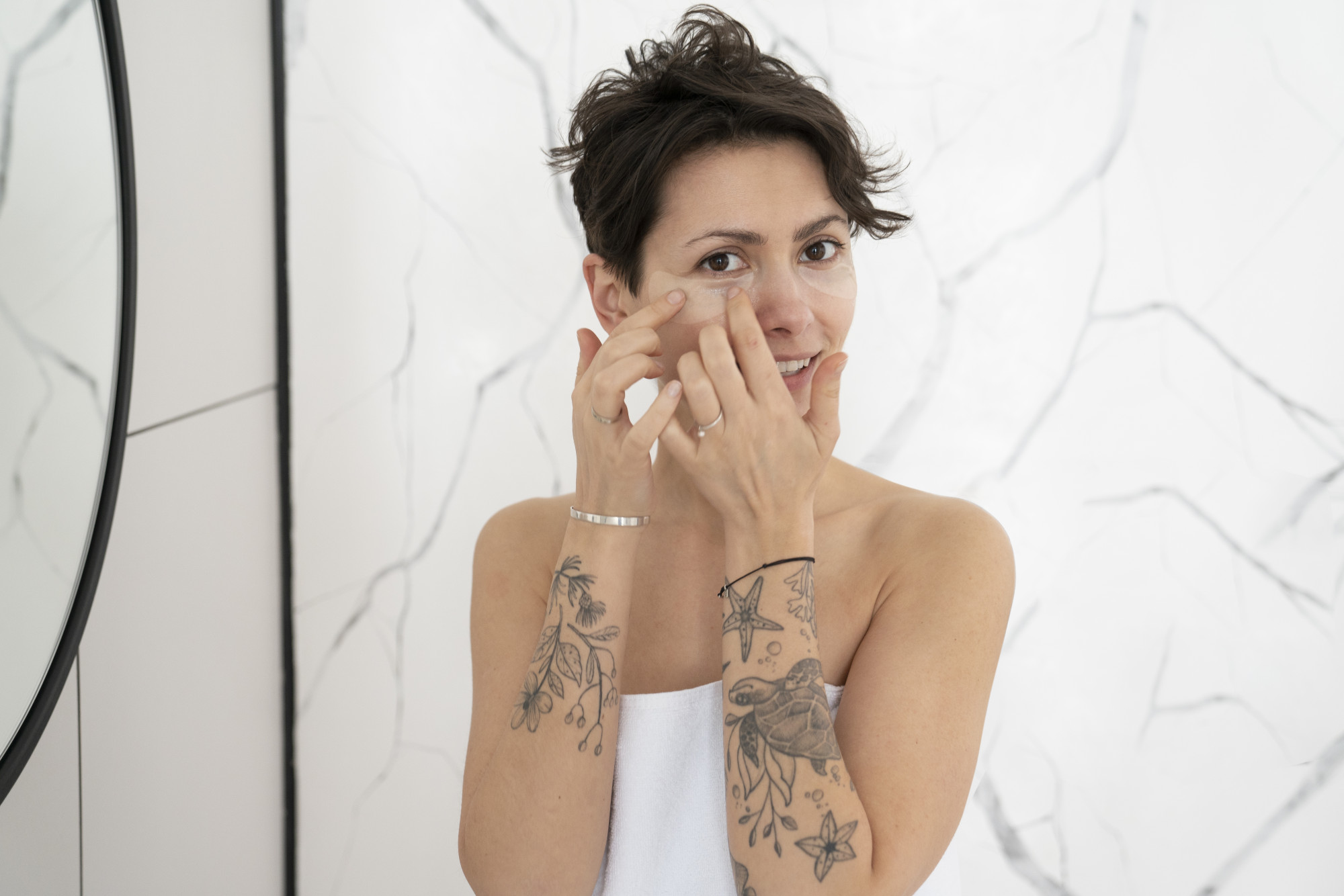
When is the Best Time to Remove a Tattoo?
Many people ask when is the best time to remove a tattoo. The answer is earlier than you might think.
Tattoos can be removed immediately after they are done.
If you regret getting a tattoo, we recommend starting removal right away with a dermatology specialist, even before the wound heals.

In Summary
| Item | Method |
|---|---|
| Removal Method | R-Zero treatment, applying a special medication to the tattooed area |
| Repeated Shots | Up to four times in a single session |
| Scars | Minimizing scars that may remain after tattoo removal |
| Pain | Reducing pain burden during the procedure with various anesthesia methods |
| Starting Point | Removal is possible even before the wound heals |
You can see the overall treatment flow in Tattoo Removal Treatment Guide. For any questions, please use Ask via Chat.

Authored and Medically Reviewed by Dr. Jinmoon Kang, Chief Director (Dermatology Specialist) Graduated from Yonsei University College of Medicine · Former Professor at Bundang CHA Hospital Currently Adjunct Professor at Yonsei University Department of Dermatology · Member of the Korean Dermatological Association View Medical Staff Profile
First Published 2025-01-13 · Last Reviewed 2026-07-29
This article contains general medical information and does not substitute for individual diagnosis and treatment. Results and recovery progress may vary among individuals.