


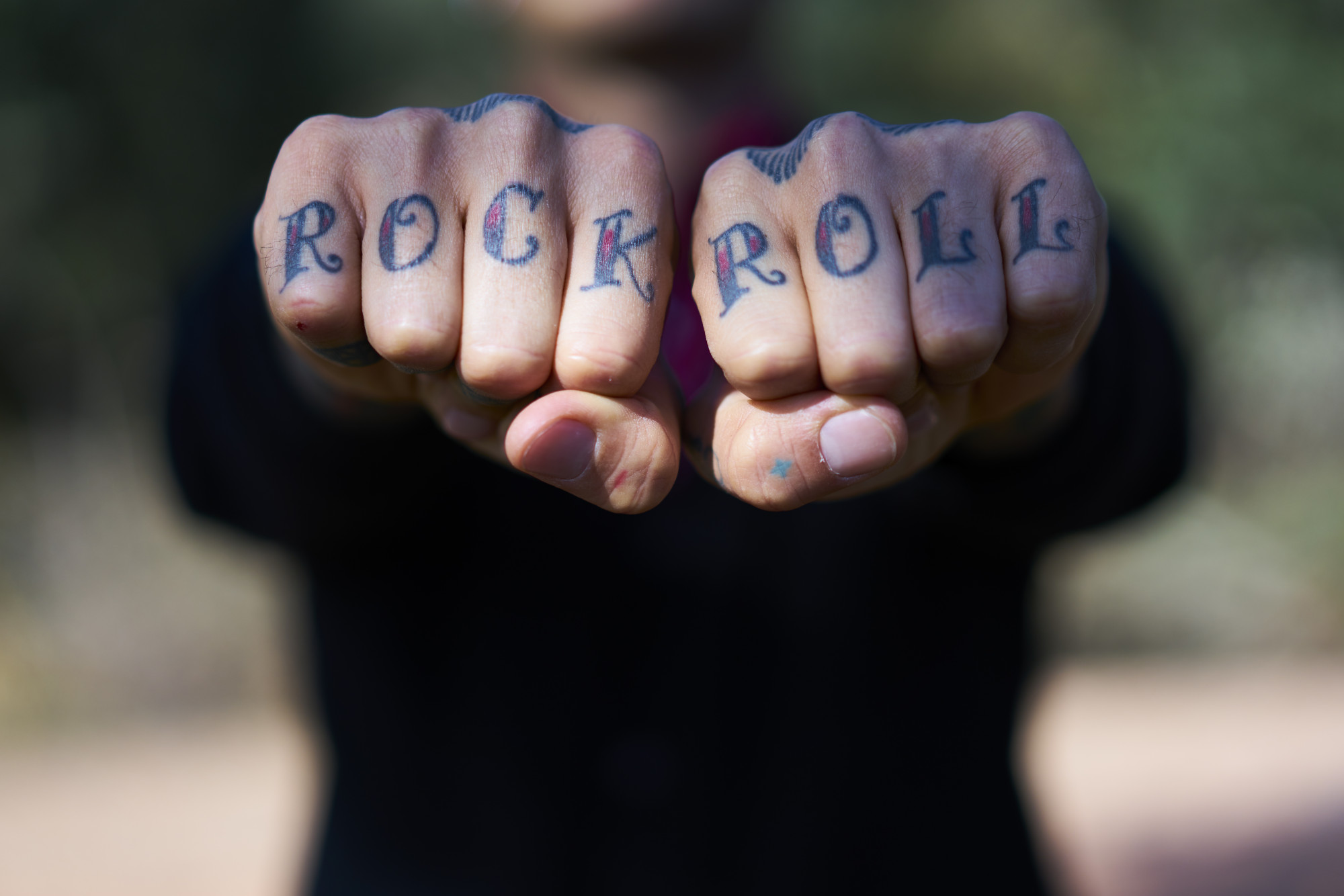
When trying to remove a small mini tattoo or a finger tattoo, it's easy to think that because the area is small, it will be over quickly.
This article clarifies common misconceptions and actual conditions for mini tattoo and finger tattoo removal.
Small Area Does Not Mean Faster Removal
Although a small area might seem to imply a quicker process, it can actually be more challenging if the pigment is dense or the skin is thin and sensitive.
Fingers, in particular, combine these conditions.
| Finger Conditions | Impact on Removal |
|---|---|
| Frequent movement | Repeated irritation during recovery |
| High sun exposure | Affects pigment and recovery |
| Slower skin recovery | Pigment can be deeply embedded, increasing risk of side effects |
Misconception of Shallow Pigment
Another misconception is that thin lines will disappear easily.
Pigment that is too shallow may receive less laser reaction, making complete removal difficult in some cases.
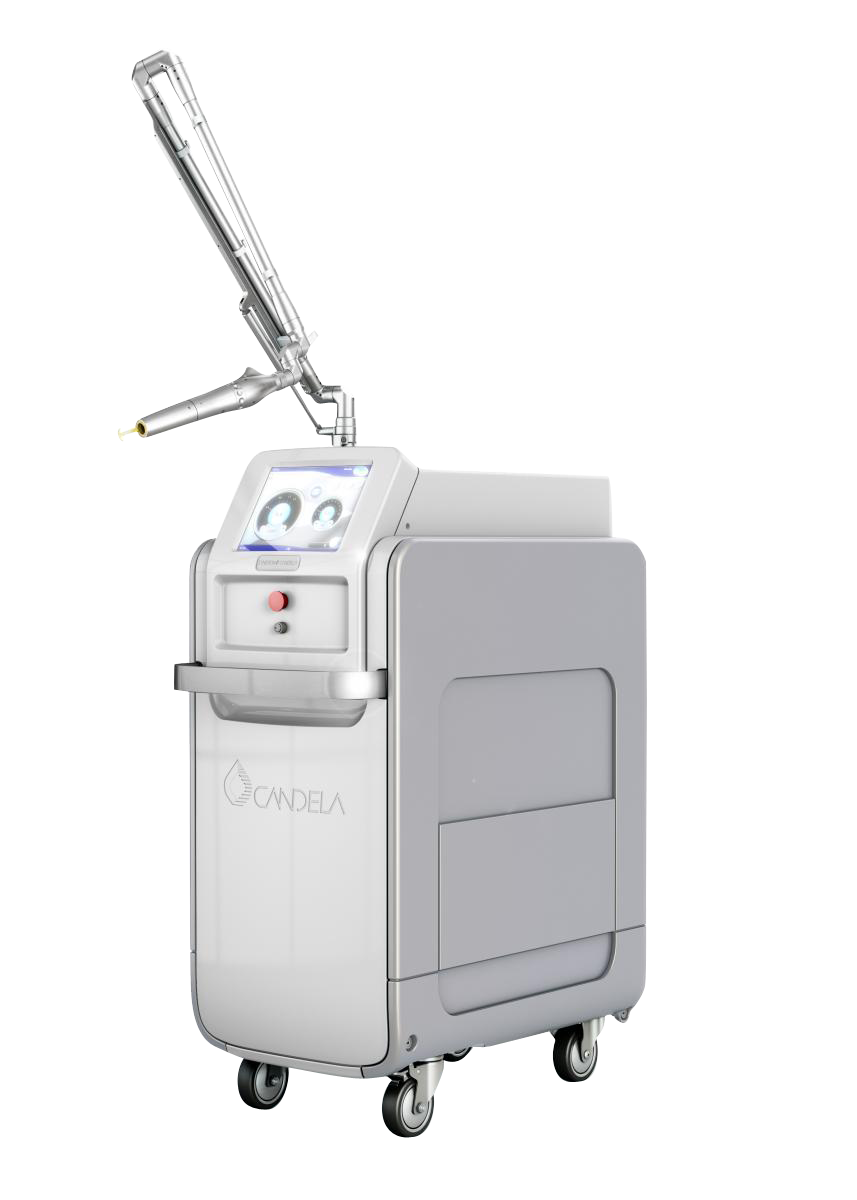
For colored mini tattoos, using a high-power laser with a short pulse width, like a PicoWay Laser, can help improve results. The equipment configuration is detailed in the R-Zero Pico-Frectat Tattoo Removal guide.
Thinner Skin Increases Scar Risk
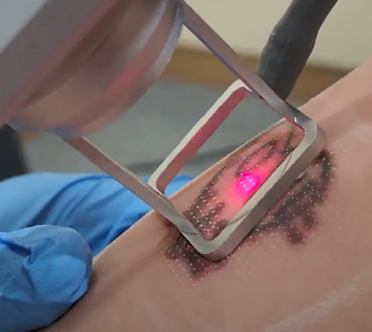
The thinner the skin, the higher the risk of scarring. Therefore, in addition to laser treatment, the Pinhole Technique using a CO2 laser is sometimes used in the final stage to prevent scars and restore skin texture.
The Pinhole Technique creates microscopic holes in the skin to induce recovery, restoring skin texture and elasticity. More details can be found in the Pinhole for Burn & Surgical Scar treatment guide.
What to Include in the Plan
- Depth of the pigment
- Number of colors mixed
- Repeated irritations due to the specific area's characteristics
It is often necessary to adjust the laser based on a comprehensive assessment of these three factors. If you have any questions, you can ask them via Chat Now.

Small but Not Light Treatment
Mini tattoos and finger tattoos, though small, should not be taken lightly. They often require more sensitive and precise laser control.
By comprehensively considering the pigment depth, color type, and area characteristics, and undergoing consultation with a dermatologist specializing in laser equipment, it is easier to plan the results. Individual results may vary.
The overall treatment flow can be found in the Tattoo Removal Treatment Guide.

Authored and Medically Reviewed by Dr. Jinmoon Kang, Chief Director (Dermatologist) Dermatologist · Graduated from Yonsei University College of Medicine · Dermatology Resident at Severance Hospital Former Professor at Bundang CHA Hospital · Member of the Korean Dermatological Association View Medical Staff Profile
First Published 2025-06-04 · Last Reviewed 2026-07-29
This article contains general medical information and is not a substitute for individual diagnosis and treatment. Results and recovery may vary by individual.