
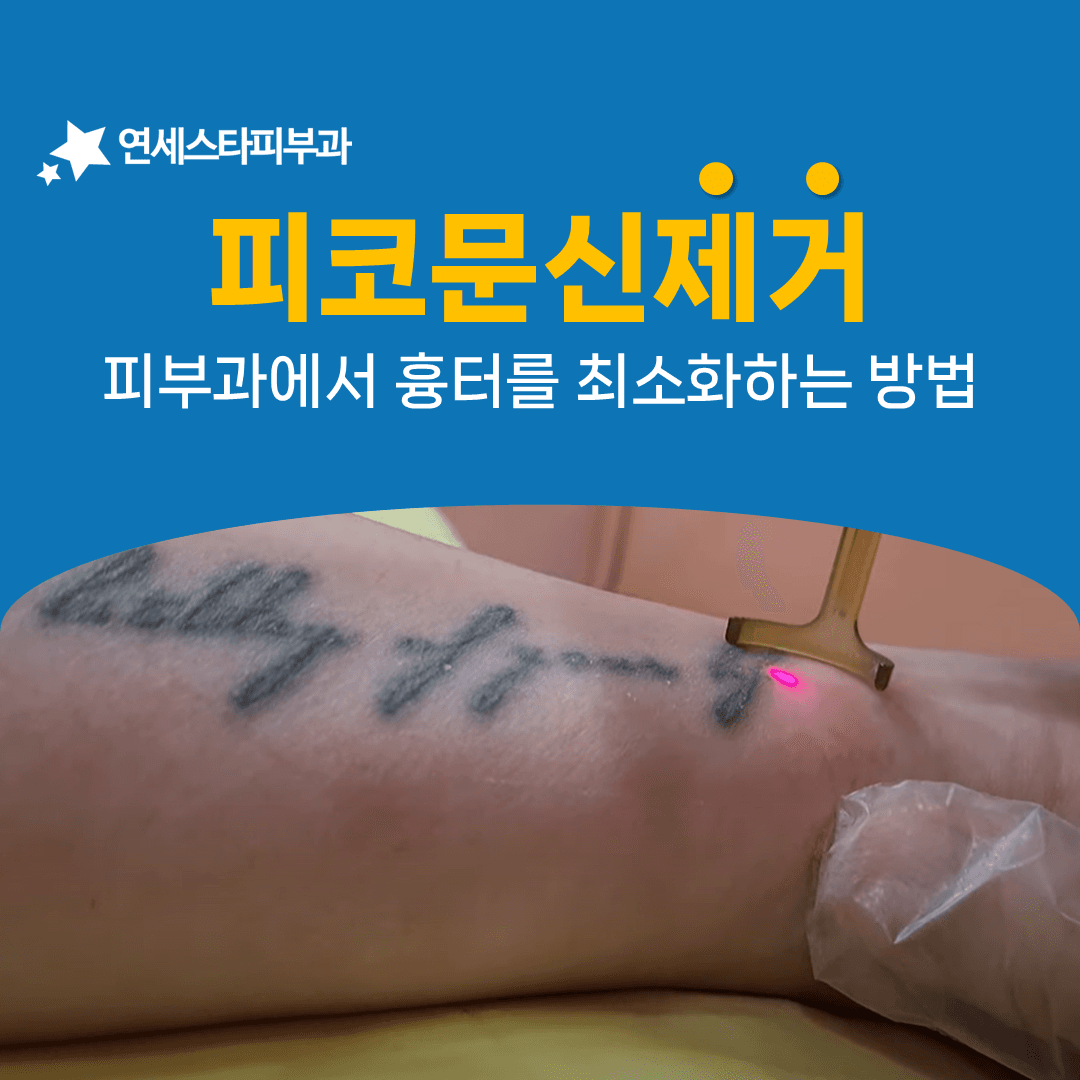
Recently, dermatology clinics often remove tattoos with PicoWay Laser. This article summarizes the equipment used and methods to reduce scarring.
Tattoos require a different approach than general skin procedures because pigment particles remain in the deep layers of the skin.
The PicoWay Laser
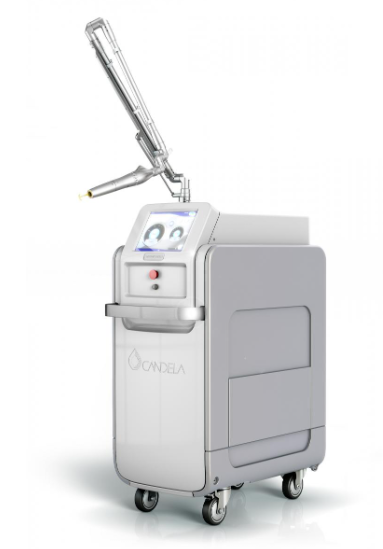
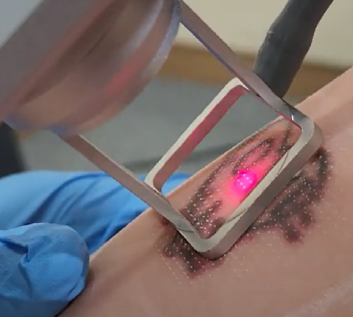
Dermatology clinics use picosecond laser equipment to remove tattoos. Among them, PicoWay is classified as the latest generation in the picosecond laser family.
The advantage is that it breaks down ink particles into very fine pieces in a very short time, which can reduce thermal damage to the skin and shorten recovery time.
The equipment configuration is summarized in R-Zero Pico-Frectat Tattoo Removal.
Variables that Determine Results
- Pigment concentration
- Depth of pigment insertion
- Colors used in the tattoo
The results may vary depending on these three factors. This is why equipment that can precisely control output and wavelength is necessary.
Where Scars Occur
| Cause | Description |
|---|---|
| Excessively strong laser energy | Skin tissue damage |
| Insufficient regeneration after ink removal | Inadequate skin regeneration |
Therefore, a method that includes post-treatment to aid skin regeneration after pigment removal is currently used.
Pinhole Technique as Post-Treatment
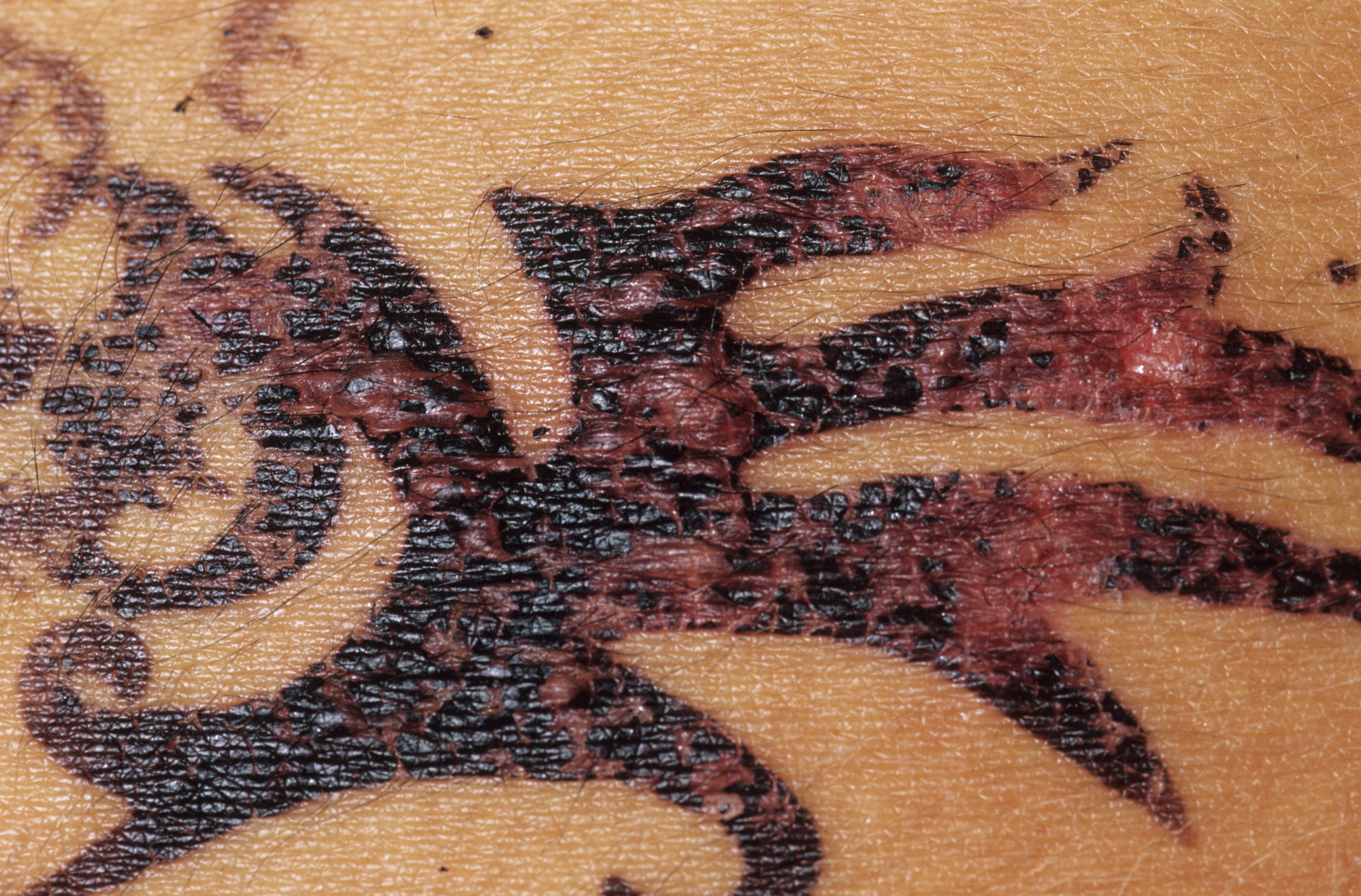
The Pinhole Technique, utilizing CO2 laser, induces regeneration of damaged skin layers through microscopic holes. It helps to reduce the formation of scar tissue.
This complementary method can be particularly important for areas with thin or sensitive skin, or where pigment is deeply embedded.
Detailed information can be found in Pinhole for Burn & Surgical Scar, and any questions can be asked via Chat Now.
Going Slowly Leads to Better Results
Tattoo removal is not just a cosmetic procedure; it is a treatment that requires an understanding of skin structure and reactions.
A method that removes tattoos slowly while minimizing skin damage ultimately leads to better results. We recommend consulting with an experienced dermatologist to create a plan.

Check the Overall Flow
The key is to combine the pigment removal stage and the skin restoration stage into one plan. The overall treatment flow can be found in Tattoo Removal Treatment Guide.

Authored · Medically Reviewed by Chief Director Lee Sang-joo (Dermatologist) Dermatologist · Graduated from Yonsei University College of Medicine · Severance Hospital Dermatology Resident Author of "Acne Bible" · Current Adjunct Professor, Department of Dermatology, Yonsei University College of Medicine View Medical Staff Profile
First Published 2025-06-23 · Last Reviewed 2026-07-29
This article contains general medical information and does not substitute for individual diagnosis and treatment. Results and recovery progress may vary from person to person.