
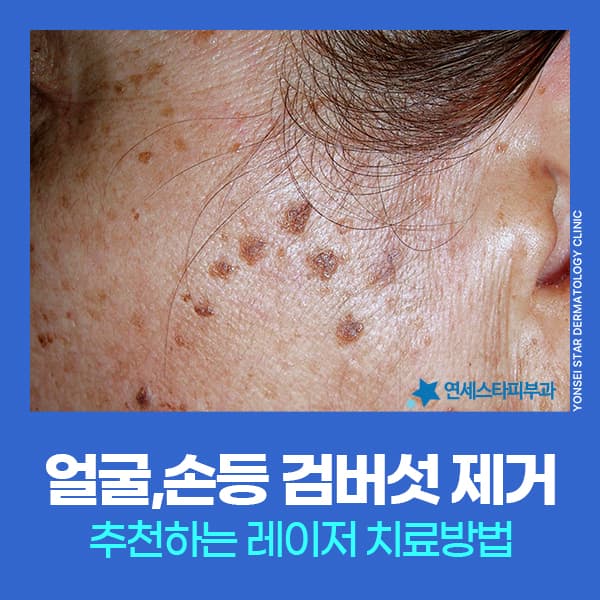
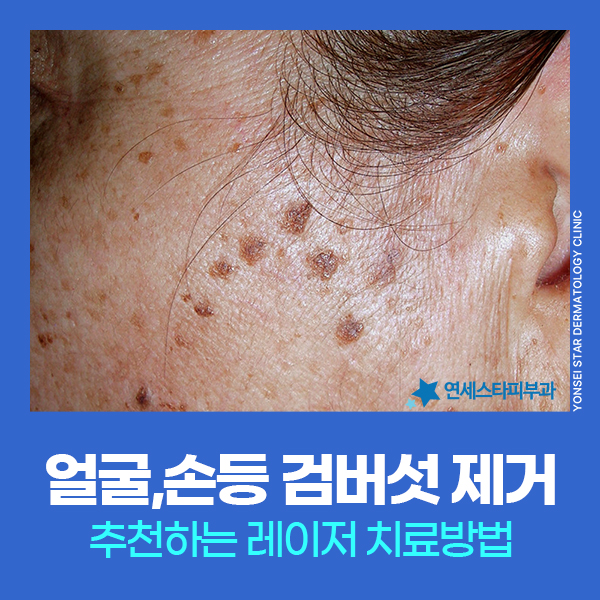
When brown spots start to appear one by one on your face or the back of your hands, you might initially dismiss them, but at some point, they become persistently noticeable. Seborrheic keratosis is not a lesion that fades on its own; it tends to darken and expand over time. Therefore, if you are considering treatment, the first step is to find a dermatology clinic that can provide an accurate diagnosis. Recently, Reepot Laser for seborrheic keratosis removal has gained attention due to its short treatment time and minimal recovery burden. In this article, we will summarize the characteristics of seborrheic keratosis, the principles of Reepot Laser, and what to consider when choosing a treatment method.
What is Seborrheic Keratosis?
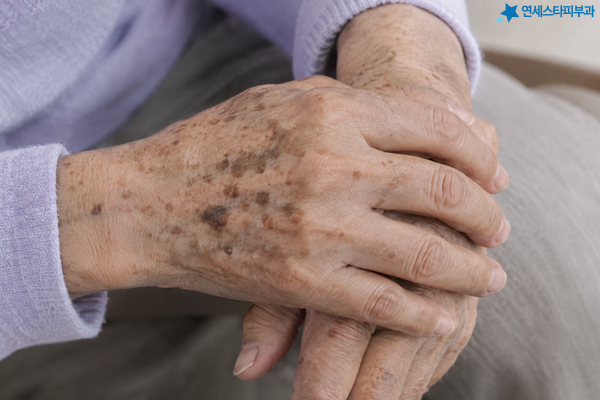
Seborrheic keratosis is a benign lesion caused by the thickening of the stratum corneum and epidermis, also known as senile lentigo. It typically appears after the age of 40 on the face, back of the hands, and arms, areas frequently exposed to UV light, and varies in color from brown to dark brown. Unlike other pigmentary disorders, it often protrudes above the skin surface, making it relatively easy to distinguish with the naked eye.
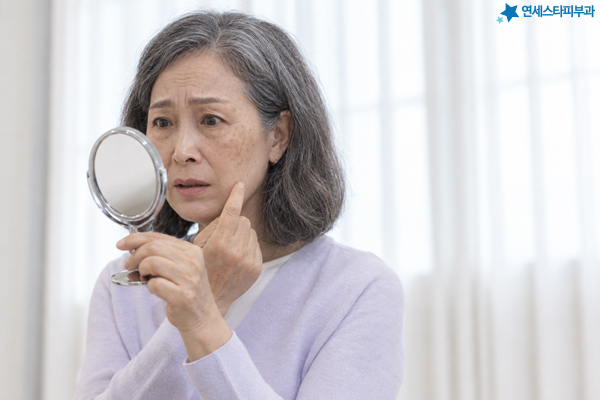
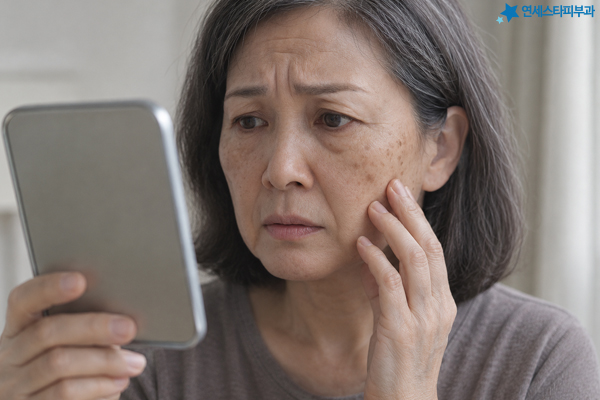
The problem is that seborrheic keratosis is not merely a cosmetic concern. It rarely disappears naturally and tends to increase in number and expand in area with accumulated UV exposure. Since it can be easily confused with lentigo or melasma due to similar appearances, a precise diagnosis at a dermatology clinic to confirm the type and depth of the lesion is the most crucial step before deciding on a treatment method.
Principles of Reepot Laser
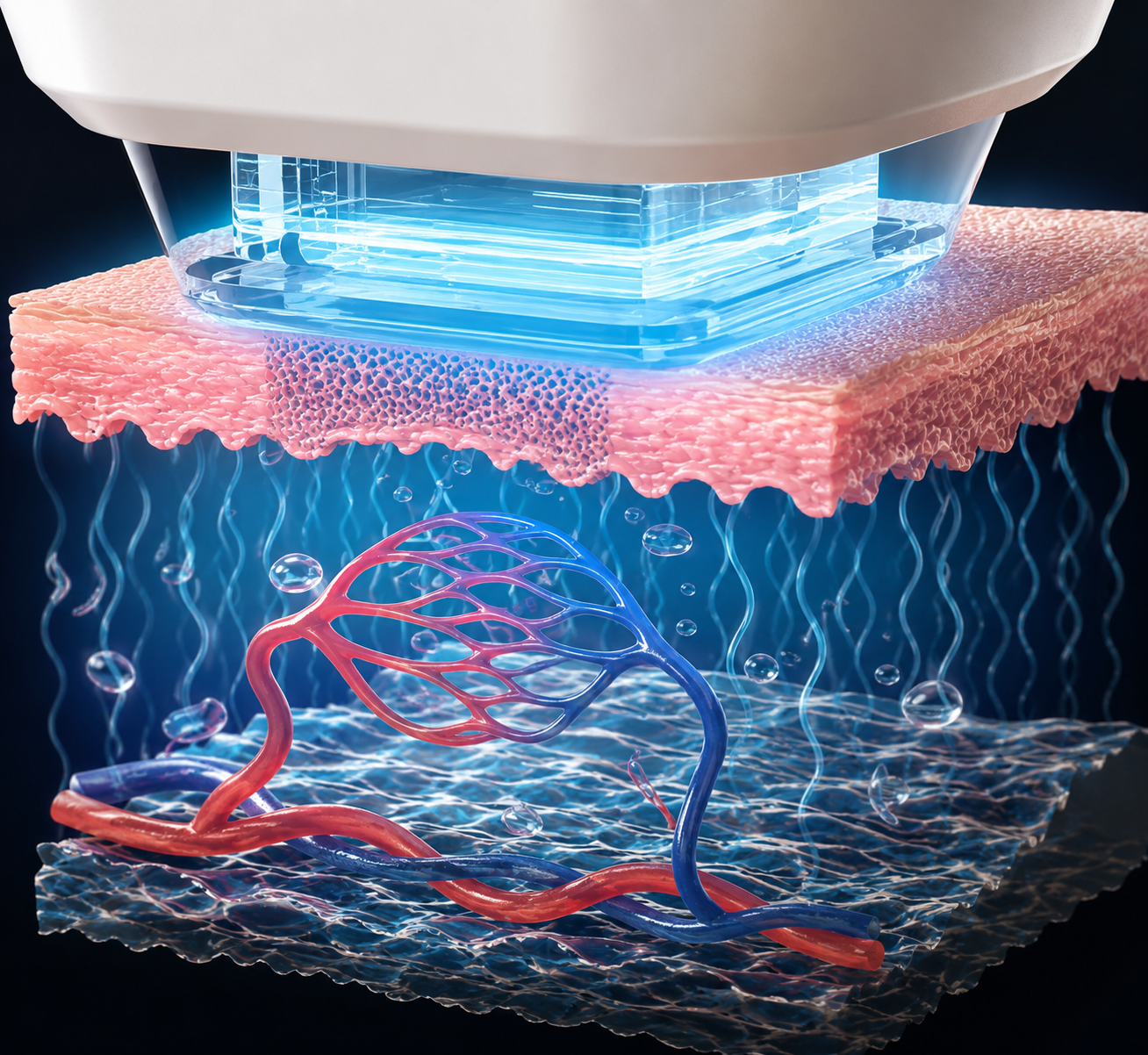
Reepot Laser, gaining attention as a method for seborrheic keratosis removal, is equipment specialized for pigmented lesions. It delivers strong energy to the lesion in a very short moment, precisely destroying melanin pigment. With contact cooling, it is designed to continuously keep the skin surface temperature low during the procedure, reducing pain and the risk of burns. Enhanced with technology that protects blood vessels and accurately targets only the lesion area, it can minimize damage to surrounding healthy tissue and selectively treat only the desired areas.
Why Lentigo and Seborrheic Keratosis Require Different Treatments
Lentigo and seborrheic keratosis may look similar but have different structures. Lentigo is relatively flat with pigment spreading towards the dermis, while seborrheic keratosis appears as a raised lesion due to epidermal thickening. Reepot Laser is suitable for such epidermal pigment issues, allowing for expected seborrheic keratosis removal effects even with a small number of treatments. However, for prominent seborrheic keratosis, additional lasers to ablate the raised parts may be combined to enhance the results.
Thanks to the combination of sapphire cooling and precise targeting, energy can be delivered only to the lesion, which helps reduce damage to surrounding skin and capillaries. This can lower the risk of post-procedure erythema or pigmentation, making it an accessible treatment option for those concerned with both seborrheic keratosis and lentigo.
What to Consider When Choosing a Dermatology Clinic for Seborrheic Keratosis
The completeness of treatment depends as much on the precision of diagnosis as on the equipment. If you are looking into seborrheic keratosis removal in Sinchon, it is advisable to check whether the clinic goes beyond visual assessment to precisely diagnose the depth and condition of the lesion within the skin using advanced diagnostic equipment, and whether personalized settings can be applied based on these results.
Pigmentary lesions often vary slightly in depth and shape, and it is common for melasma, freckles, and blemishes to appear mixed. Even with the same Reepot Laser, a satisfactory outcome is more likely when the energy settings, and whether to combine it with other pigment lasers or procedures, are planned according to the specific situation. Before the procedure, understanding the nature of the lesion through precise diagnosis, and consistently continuing with UV protection and calming care after the procedure, are important to reduce recurrence.

Post-Treatment Care and Recurrence
Seborrheic keratosis is a common sign of aging that tends to appear with age, but external factors like UV radiation also play a significant role. If you have a lifestyle with frequent outdoor activities, seborrheic keratosis may reappear even after Reepot Laser removal, necessitating consistent UV management.
In Summary
Once seborrheic keratosis appears, it rarely disappears and tends to visibly darken over time. Therefore, finding a dermatology clinic early to identify the cause and condition of the lesion is the starting point for choosing a treatment method. As Reepot Laser is equipment that can precisely target only the lesion, we recommend consulting sufficiently with a dermatologist to create a plan suitable for your skin. If you have any questions, you can check through consultation inquiry.
Author · Chief Director Lee Sang-joo / Dermatologist As the chief director of Yonsei Star Dermatology Sinchon, he treats a wide range of dermatological procedures including skin boosters, scars, and pores. Detailed history can be found in the Medical Staff Profile. · Last reviewed September 14, 2026
This article is intended to provide general medical information, and treatment effects and downtime may vary depending on individual skin conditions. For an accurate diagnosis and treatment plan, please consult with a dermatologist.