

When dark spots start to appear one by one on your face or the back of your hands, it's natural to sigh in front of the mirror. We often hear the question, "Will it disappear if I just apply ointment?" To answer directly, seborrheic keratosis is a lesion that is thickly established on the skin's surface, so it is often difficult to improve with topical medication alone.
Today, we will systematically organize why seborrheic keratosis appears on the back of the hands and face, where it tends to appear, and what to be careful about when managing it.


What is the exact name for seborrheic keratosis?
Commonly called seborrheic keratosis, its medical term is seborrheic keratosis. It is a lesion where keratin builds up in areas with high sebum secretion, becoming rough and bumpy. It tends to appear on oily facial areas like the scalp, forehead, and bridge of the nose.
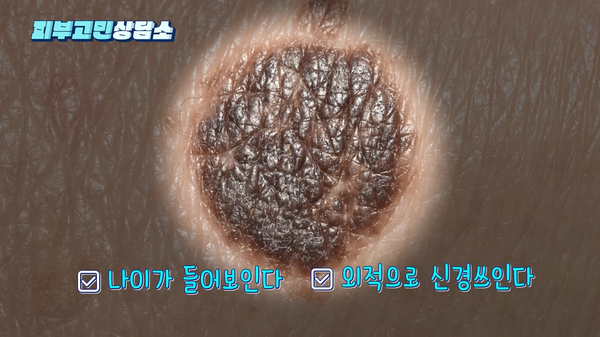

Because it appears as black spots on the face and back of the hands, it has long been called 'the flower of the underworld'. It generally does not disappear on its own and tends to increase in number with age. As time passes, it can make one's complexion look dull, which is naturally a concern. This is why there is increasing interest in Customized Whitening Solution for dull pigment tone.

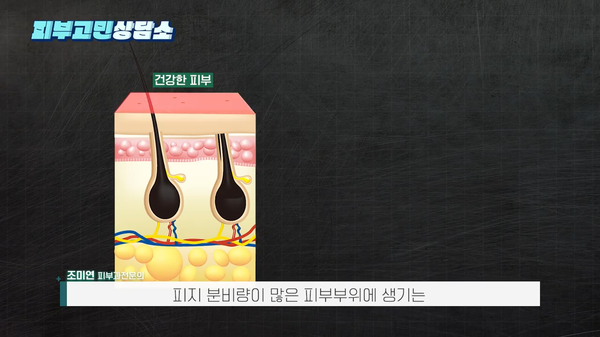
Why does it appear? The biggest cause is UV radiation.
The most common cause is prolonged exposure of the skin to strong sunlight. Accumulated UV exposure increases the likelihood of developing the condition, so even younger individuals who enjoy outdoor activities like tennis, golf, or hiking should take preventive measures and be cautious.


While it is more likely to occur in areas exposed to UV radiation, it can also appear in multiple areas covered by clothing due to genetic causes. Since it resembles warts, some patients visit the clinic mistaking it for flat warts and then receive an accurate diagnosis.
Seborrheic keratosis often appears in areas with accumulated UV exposure, but it can also occur in covered areas due to genetic factors, making self-diagnosis based solely on appearance difficult.

If the number suddenly increases, also check your body's condition.
Occasionally, it is reported that the number of seborrheic keratoses can suddenly increase if adenocarcinoma, which causes stomach, rectal, colon, or breast cancer, progresses rapidly. However, this is a very rare phenomenon, and an increase in dark spots cannot be definitively concluded as a sign of cancer.
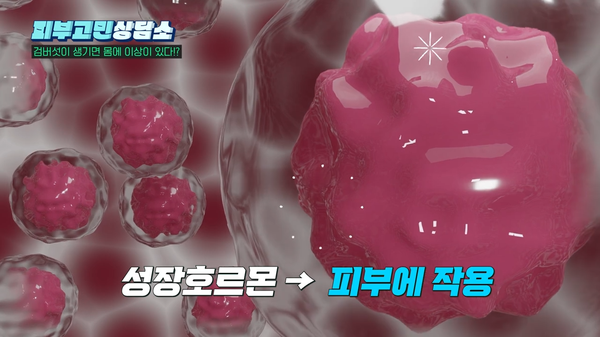

However, if the number of seborrheic keratoses on your face and hands rapidly increases from a few to dozens or hundreds within one or two months without a specific reason, we recommend not just relying on ointment treatment but also undergoing regular health check-ups to see if there are any other underlying abnormal symptoms.


If you have any questions, please feel free to leave them via chat consultation for seborrheic keratosis and pigment concerns.
Can I trust internet folk remedies?
Various folk remedy information is spread across the internet. It is said that seborrheic keratosis can be removed with apple cider vinegar, flour, lemon juice, or chickpea packs. Some people even visit the clinic with larger wounds after trying to tie off and remove raised lesions with string.

Since the medical evidence for these methods has not yet been clearly established, it is difficult to definitively state the likelihood of their effectiveness as a treatment.


Why don't ointments work well?
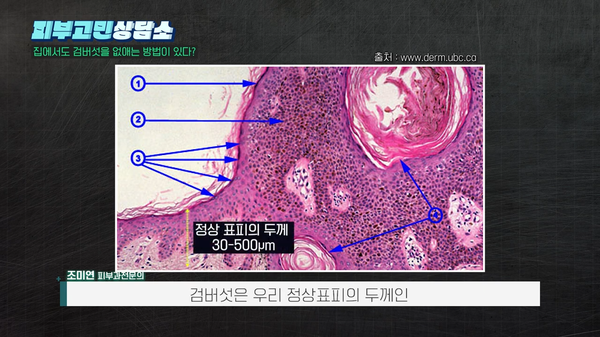
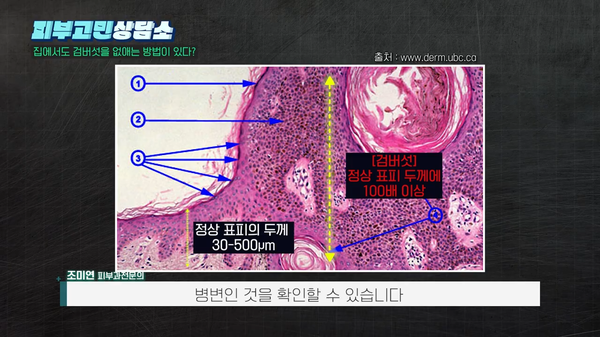
Seborrheic keratosis can be observed to be much thicker, more than 100 times the thickness of normal epidermis. For this reason, it is often not easy to improve the condition by applying ointment to the skin or to manage it with home care that removes only the affected area.


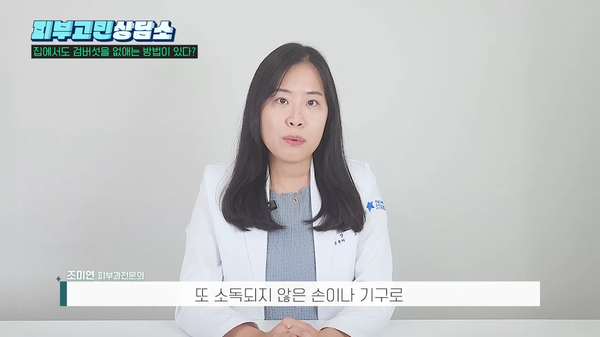
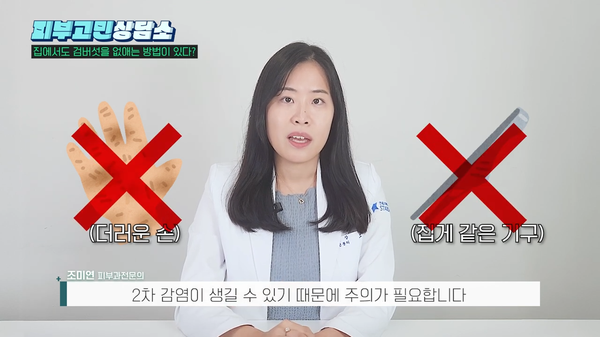
Furthermore, if the skin is irritated with unsterilized hands or tools, there is a risk of secondary infection within the torn wound, requiring more delicate and hygienic management. In a hospital, lasers can be selected according to the skin condition and the nature of the lesion, and the procedure is performed hygienically with sterilized instruments, making it relatively fast and safe. For lesions like warts or syringomas, an approach tailored to the nature of the lesion, such as Laser Lesion Removal, can be helpful.

Lesions similar to seborrheic keratosis, summarized:
In the clinic, we often see patients confusing seborrheic keratosis with other lesions. Even if the forms appear similar, their characteristics can be different, so an accurate diagnosis is paramount.
| Category | Common Areas | Characteristics |
|---|---|---|
| Seborrheic Keratosis | Forehead, bridge of nose, back of hands | Thick epidermal elevation, associated with accumulated UV exposure |
| Flat Warts | Face, back of hands | Small and flat, known to be viral |
| Blemishes, Freckles | Cheekbones, cheeks | Epidermal pigmentation, relatively flat |
As shown in the table, areas and forms can overlap, so even similar marks are safer to distinguish accurately through Epidermal Pigment Removal treatment consultation rather than self-diagnosis.

The best treatment is prevention: daily management tips
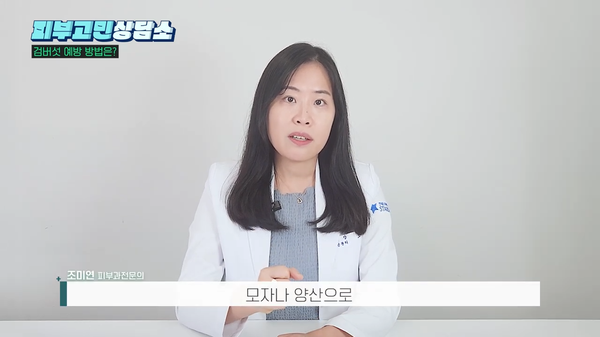
There's a saying that the best treatment is prevention. Even if seborrheic keratosis improves with laser treatment, it's important to maintain consistent habits to prevent the problem from occurring in the first place. This also helps prevent recurrence after treatment.
- Apply sufficient sunscreen before going out, and reapply if outdoor activities are prolonged.
- Reduce direct exposure of hands and face with hats, parasols, and long sleeves.
- Do not pick or irritate lesions with fingernails or tools.
- Do not attempt self-removal with unverified folk remedies.
- If the number increases rapidly, check your overall health status with a dermatologist.



Don't worry alone about seborrheic keratosis on your hands and face.
Discolored spots on the back of the hands or face can be a significant source of stress, as these areas are highly visible. Many people spend distressing time searching for seborrheic keratosis removal ointments or looking for hospitals.


Since skin conditions and the nature of lesions vary from person to person, it is essential to find the right approach based on an accurate diagnosis. Yonsei Star Dermatology Sinchon will help you address your skin concerns.





Chief Director Dr. Sang-Joo Lee (MD, PhD, Yonsei University College of Medicine and Graduate School, completed dermatology residency at Severance Hospital, President of the Korean Dermatological Association)
Chief Director Dr. Sang-Joo Lee's Profile
First published 2024-12-10 / Last reviewed 2026-06-16
This article is intended to provide general information about seborrheic keratosis and pigment disorders. Symptoms and treatment responses may vary individually, so please consult with medical staff for an accurate diagnosis and treatment plan.