

Many people are concerned about dull, spot-like pigmentation on their face, hands, or neck every time they look in the mirror. The first question that usually comes to mind is, "Is this just a blemish, or is it deep-seated melasma?" While superficial freckles or blemishes on the epidermis take time to fade, melasma, where pigment is deposited in deeper skin layers, takes longer to lighten and has a higher chance of recurrence, making accurate diagnosis a priority.
Pigmentary Disorders: Why They Occur and Why They Are Tricky
Ultraviolet (UV) rays are a primary cause of various pigmentary disorders. While it's well-known that UV rays have a strong impact in summer, winter also poses a risk as the skin barrier can weaken in dry environments. Therefore, emphasizing UV protection is never enough, regardless of the season.

The approach varies depending on whether the pigment remains in the epidermis or has descended to the dermis. Superficial pigments are relatively easy to see changes in, while deep pigments often require gradual, staged management over time. Even if they appear as similar brown spots, their actual depth and nature differ, making it easy for treatment direction to go awry if judged by eye alone.
Epidermal Pigment vs. Dermal Pigment: What's the Difference?
In the clinic, it's not uncommon to find a mix of epidermal and dermal pigments in the same area. They differ in location and fading speed.
| Category | Location | Common Examples | Management Characteristics |
|---|---|---|---|
| Epidermal Pigment | Outer skin layer | Freckles, light blemishes | Relatively easy to observe progress |
| Dermal Pigment | Deep skin layer | Deeply embedded melasma | Tends to require staged, long-term management |
Because their properties differ, distinguishing the type of pigment first is the starting point of treatment. If you are concerned about epidermal pigment, it may be helpful to explore the approach of Epidermal Pigment Removal procedures.

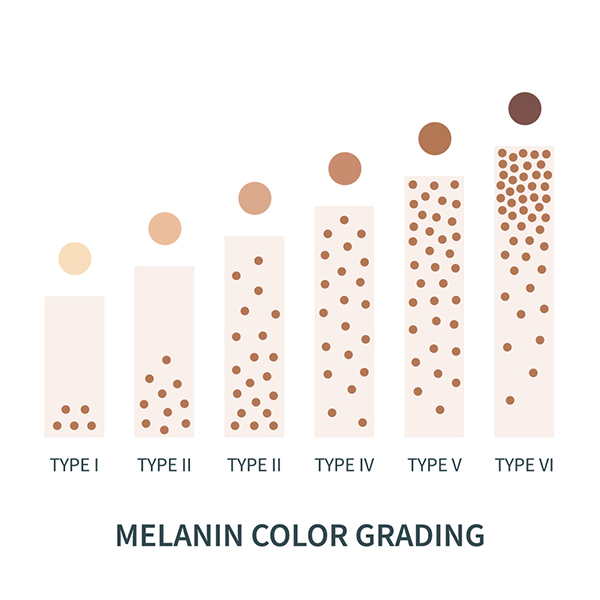
The Principle of Laser Treatment for Pigmentation
Laser procedures are now widely known as a method for treating melasma and blemishes. This method targets only the pigmented lesions in the epidermal or dermal layers and irradiates them quickly, which is advantageous because it allows for regular management without placing a significant burden on the surrounding skin.
Before starting pigment treatment such as laser toning or IPL, it is necessary to accurately assess the approach and establish a treatment plan. Consulting sufficiently with medical staff experienced in pigment treatment and deciding on the appropriate equipment for your melasma and blemishes can increase satisfaction.
Yonsei Star Dermatology Sinchon offers RePott Laser procedures for pigmentary disorders. Since this method targets pigmented lesions, individual responses to the procedure may vary, and the number of sessions and plan will be adjusted according to the condition.
Pigmentary disorders are often not a one-time fix; it is safer to approach them as a process of gradual management based on accurate diagnosis.
For inquiries, please contact us via chat for melasma and blemish laser treatment
Why We Look First with VISIA and Dermoscopy
When something is wrong with the body, it constantly sends signals, and if those signals are not recognized quickly, the response may be delayed. The same applies to the skin; if you notice changes different from usual, it is advisable to promptly check its condition.
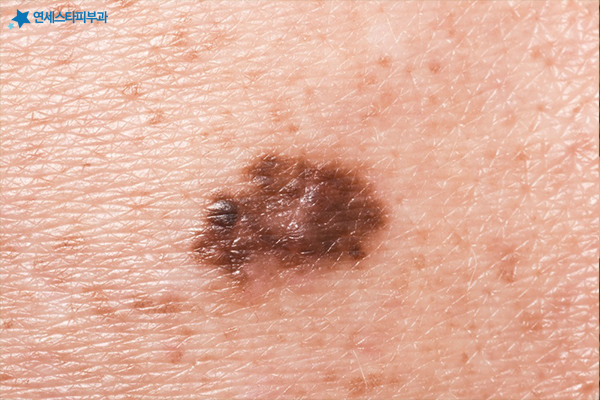
Before treating pigmentary disorders, we examine not only melasma and blemishes but also the overall skin condition using various devices that can more accurately confirm the condition. Before receiving actual laser treatment, VISIA or Dermoscopy devices are used to meticulously check the skin condition.
Dermoscopy, in particular, is a type of camera that can closely examine pigments and blood vessels within the skin and is used to estimate the approximate depth of pigmentation. It is also helpful in distinguishing conditions when combined with concerns like facial redness, which need to be viewed alongside blood vessels in the skin.


VISIA uses blue light to photograph and confirm the condition of pigments deep within the skin that are not visible on the surface, which helps in planning care for less visible pigmentation. Thoroughly checking the condition before the procedure makes it easier to set a direction for pigmentation concerns that have been difficult to lighten, and even if the skin condition changes, it can be precisely re-examined, making management much smoother.
Things to Check Before Pigment Management
Daily habits influence the results as much as diagnosis and treatment. Reviewing the following items may be helpful:
- Apply sunscreen thoroughly and reapply frequently when going out.
- Do not neglect new or rapidly changing pigmented spots; check their condition.
- Prioritize diagnosis over self-assessment, as epidermal and dermal pigments may be mixed.
- After laser procedures, pay extra attention to moisturizing, soothing, and UV protection.
- Keep in mind that treatment sessions and progress may vary individually.


Beyond Brightness, Towards Healthy Skin
The delicate verification process is meaningful not just for brightening the skin, but for helping to maintain a healthy state. It involves looking not only at pigmentation but also at overall skin changes. If you wish to gradually refine your overall tone and pigmentation, it is advisable to also consult about Customized Whitening Solution.
Yonsei Star Dermatology Sinchon will continue to assist in maintaining healthy skin not only through treatment but also through the verification process.

Since melasma and blemishes require different approaches depending on their depth and nature, finding the right method based on an accurate diagnosis is key.
💬 Chat for a consultation nowChief Director Dr. Sang-Joo Lee (MD, PhD, Yonsei University College of Medicine & Graduate School, Completed Dermatology Residency at Severance Hospital, President of the Korean Dermatological Association) Chief Director Dr. Sang-Joo Lee's Profile First Published 2025-01-13 / Last Reviewed 2026-06-16
This article is for general informational purposes only, and the patterns of pigmentary disorders and treatment responses may vary for each individual. Please consult with medical staff for an accurate diagnosis and treatment plan.