

Many people are surprised to see red lines appear on their abdomen, chest, or thighs during pregnancy. The first question that comes to mind is likely, "Will these stretch marks disappear on their own after childbirth?" To answer directly, stretch marks are scars formed when the skin structure stretches, so natural disappearance is difficult to expect. The key is to manage prevention and treatment together, according to the timing.
Hello. This is Yonsei Star Dermatology Sinchon. Today, we will focus on stretch marks related to pregnancy and organize laser treatments and management methods like creams and oils.
Why do stretch marks occur, and why are they more common during pregnancy?
Our skin has elasticity, so it naturally stretches to accommodate changes in body shape.

However, if body shape changes rapidly, the skin can overstretch, causing the collagen fibers to break and tear, leading to stretch marks. Pregnant women, in particular, experience a rapid expansion of the abdomen and sudden weight changes, which often results in many stretch marks on the abdominal area.

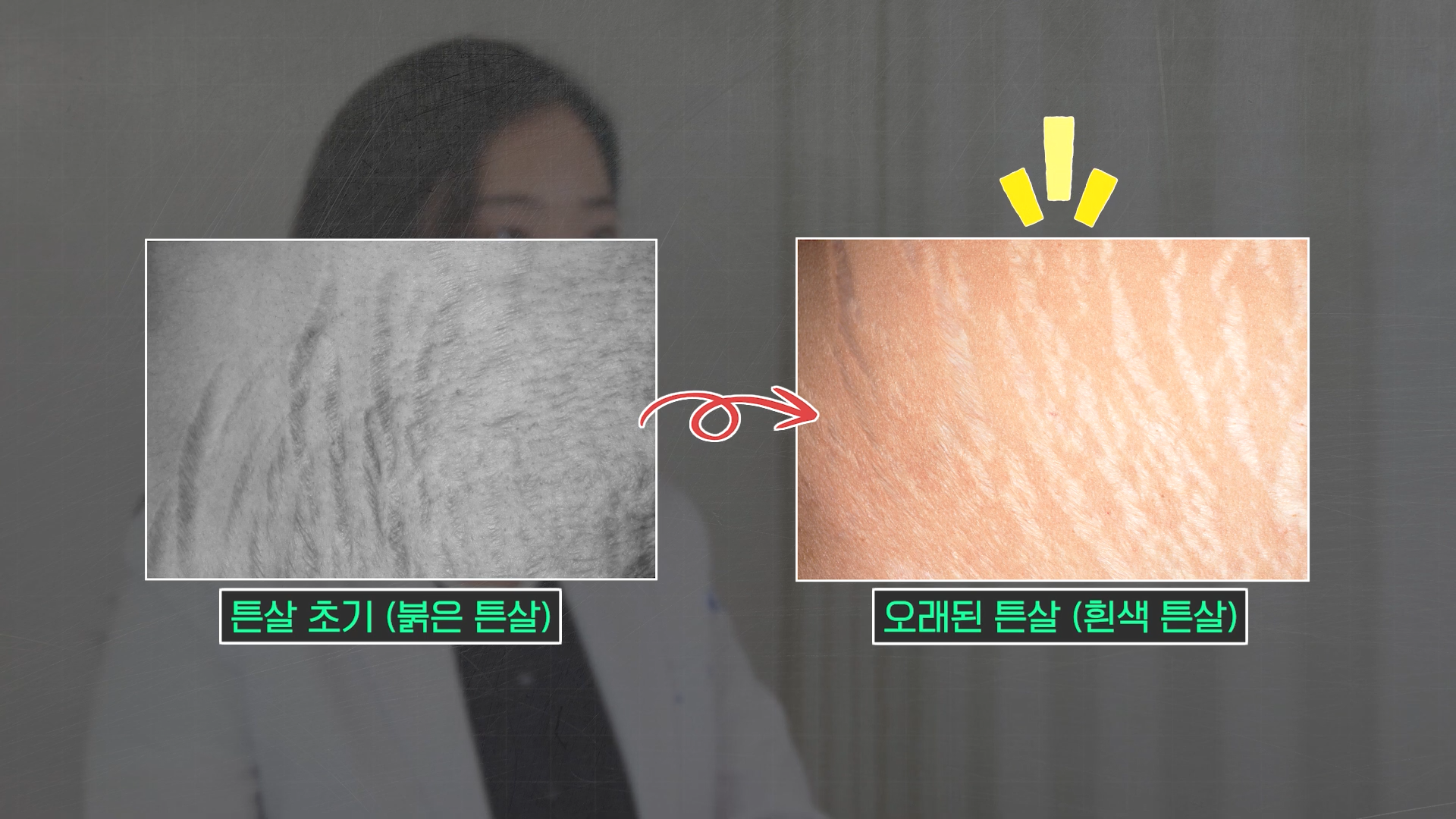
Initially, red, raised lines appear, but over time, the red color changes to white or brown, developing into scar tissue that is slightly thinner than normal skin. Hormones secreted during pregnancy are also associated with the occurrence of stretch marks. While stretch marks do not adversely affect the health of the fetus or mother, they are an unavoidable cosmetic concern.
Nevertheless, with active management, prevention and improvement can certainly be expected. Therefore, we will explain the laser treatment for pregnancy stretch marks and methods for prevention using creams and oils, step by step.

Where do pregnancy stretch marks commonly appear?
Naturally, the most common area for pregnancy stretch marks is the abdomen.

As the fetus grows, along with the uterus and amniotic fluid, a significant volume increases, making the abdomen the primary area where the skin stretches the most, thus being highly susceptible to stretch marks.


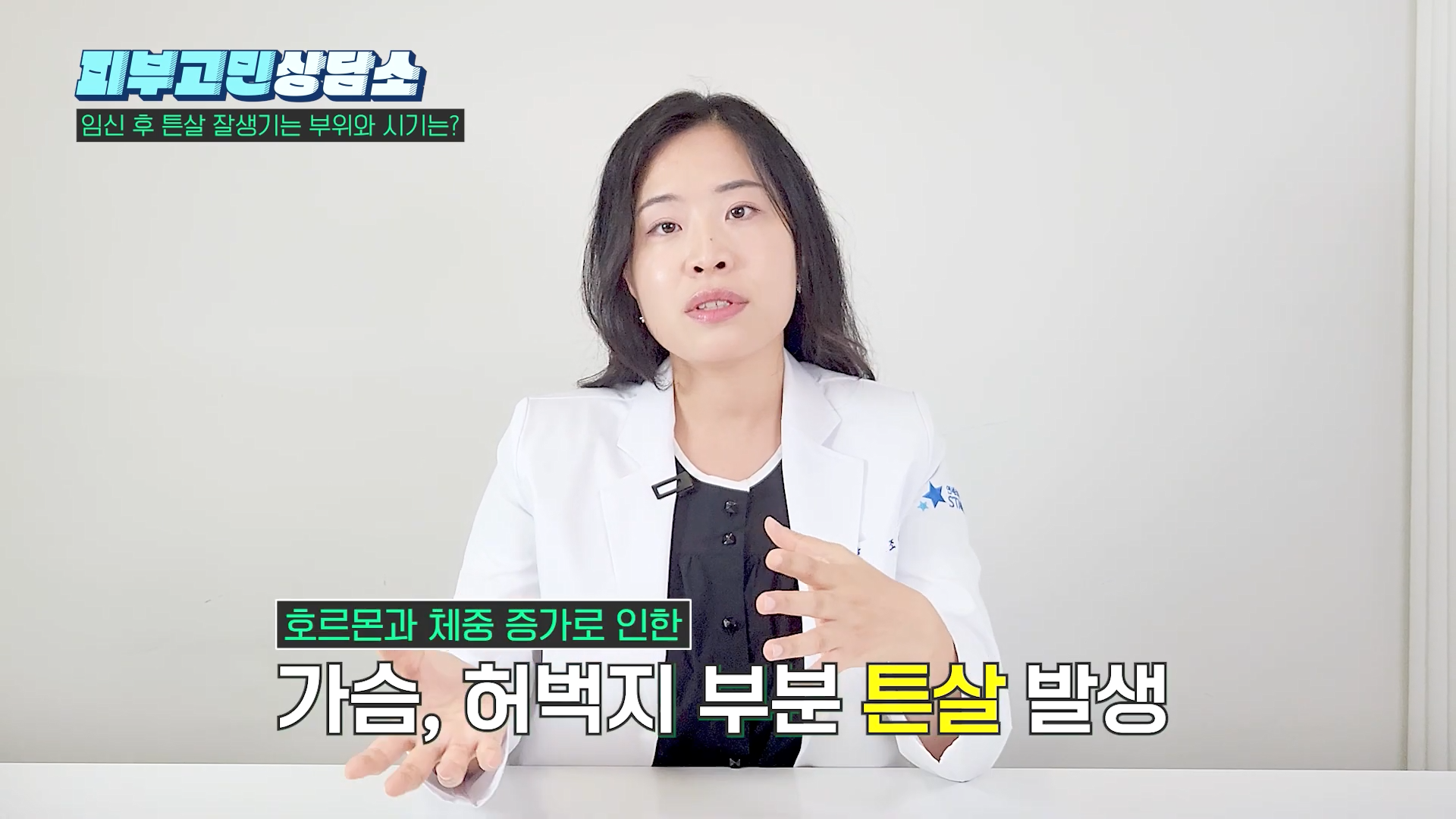
Next, due to hormonal changes and weight gain, stretch marks also commonly appear on the chest and thighs. The areas where stretch marks are prone to occur are summarized as follows:
- Abdomen: The primary area where the skin stretches most due to the uterus and amniotic fluid.
- Chest: Commonly occurs due to hormonal changes and increased volume.
- Thighs: Areas significantly affected by weight gain.
- Buttocks, flanks: Additional areas that may appear depending on individual differences.
When should management begin?
Seasonally, it is known to occur most frequently around 28 weeks, transitioning from the second to the third trimester of pregnancy, but some studies have reported that over 40% of stretch marks occur before 24 weeks of pregnancy.

Since it can start earlier than expected, it is advisable to consider active management from the second trimester onwards.

In the clinic, many people come in worried, asking, "Is it already too late?" However, the moment red lines begin to appear is precisely the right time to start management.

Do creams and oils really prevent stretch marks?
This is a question many pregnant women have, and I'd like to share some interesting research from the University of Michigan, USA.

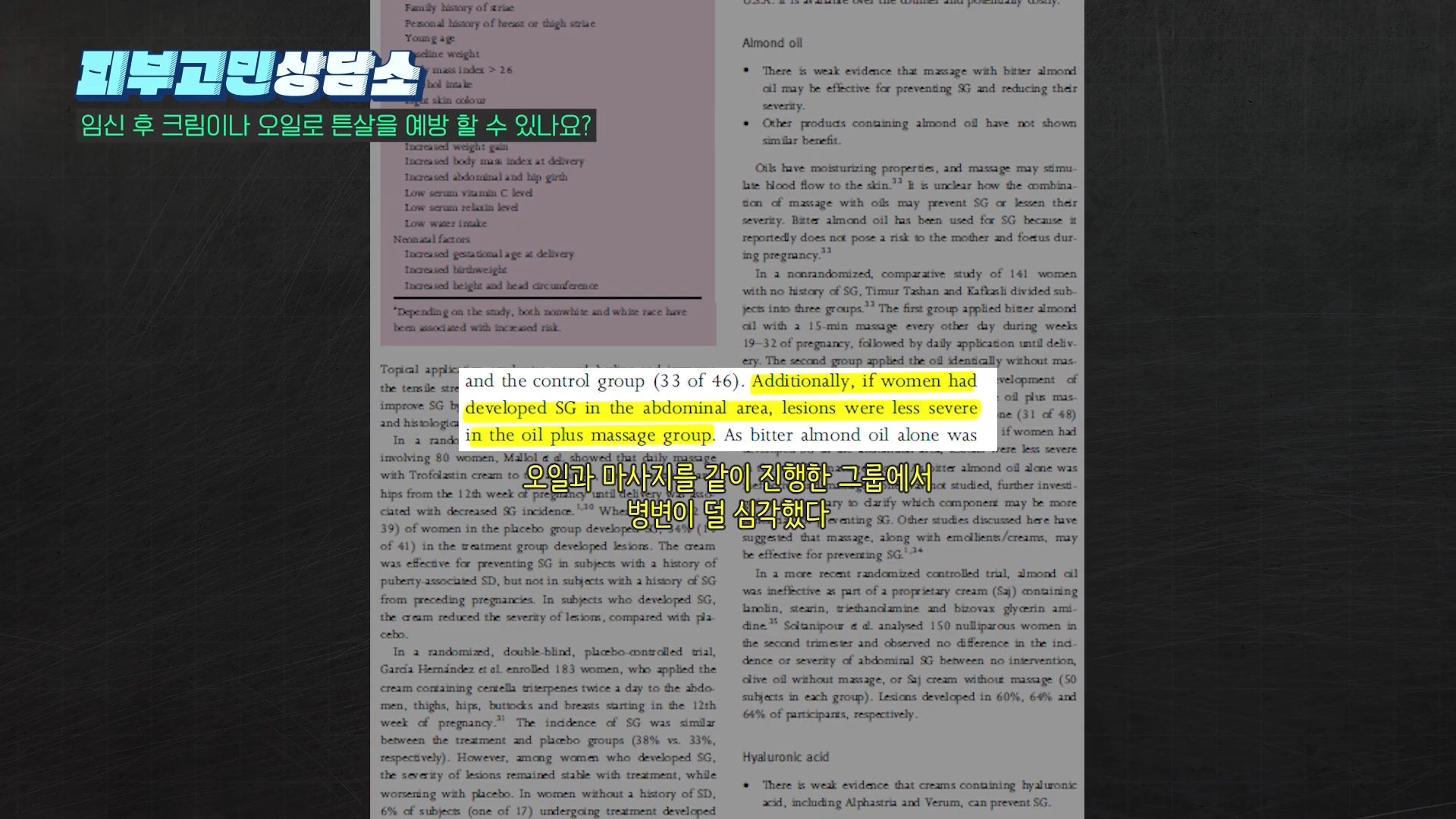
This study analyzed whether applying olive oil, almond oil, coconut butter, and other regenerative moisturizing ingredients to the pregnant abdomen could completely prevent stretch marks or reduce their severity.

It was reported that massaging with Centella Asiatica, an ingredient in Madecassol, and almond oil could help prevent stretch marks or reduce their severity.
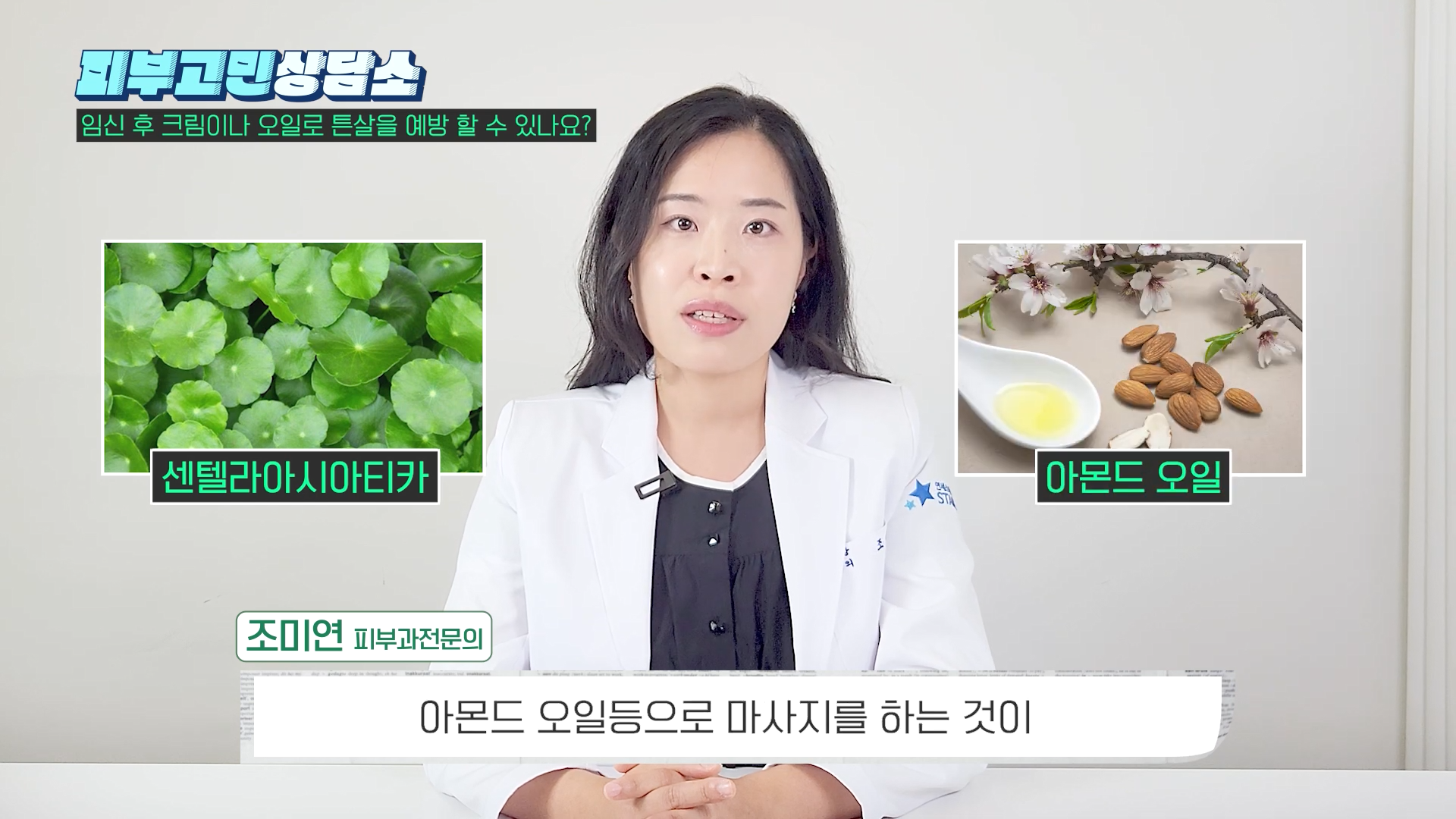
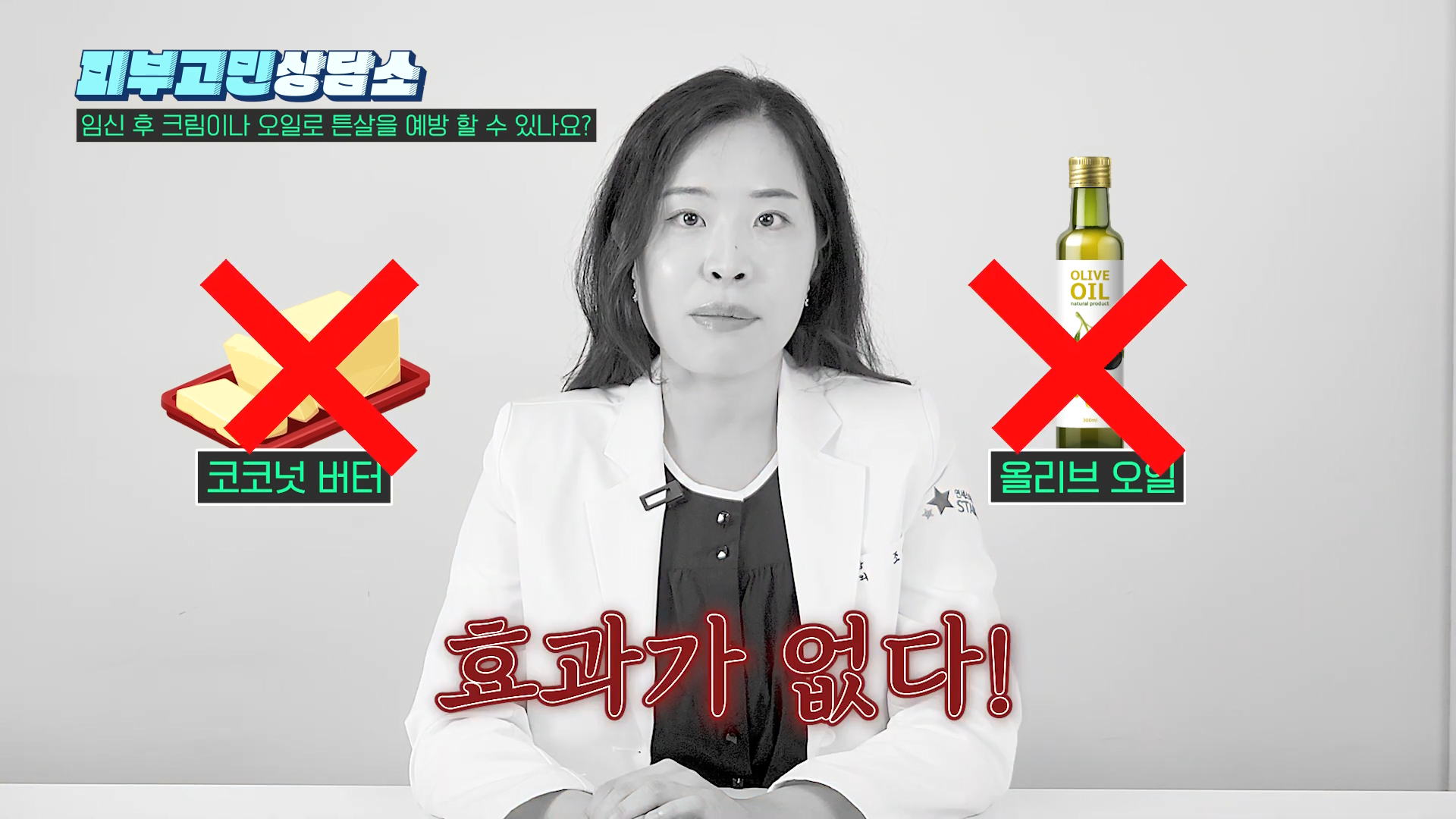
Interestingly, coconut butter and olive oil did not show a clear effect in preventing or reducing stretch marks. However, this study did not compare the effects of each ingredient under identical conditions, so it is difficult to consider it a comparison of ingredients under the same conditions.
The common finding reported in most studies is that creams containing skin moisturizing factors like hyaluronic acid, when applied with massage, showed a stretch mark prevention effect.
Therefore, applying cream with a massaging motion after the second trimester of pregnancy can be helpful. To summarize:
- Creams containing moisturizing factors like hyaluronic acid are reported to be helpful for prevention.
- Applying gently with massage is recommended rather than just applying.
- Coconut butter and olive oil were reported to have no clear effect.
- Consistency is important, as individual results may vary.
If you are new to stretch mark management and are wondering which product and timing are right for you, please feel free to inquire via chat consultation regarding pregnancy stretch mark management.
Will stretch marks disappear after childbirth?
Stretch marks are a phenomenon that occurs when the normal skin structure stretches, so they may not disappear naturally even after childbirth.

Therefore, two things are most important. First, preventing them by applying cream with a light massage, and second, if stretch marks have already appeared, managing that area quickly with Stretch Mark Treatment. Even established Red Stretch Marks or White Stretch Marks can be expected to improve with appropriate methods.

Do family history and constitution also play a role?

Research has also been conducted on this, and there is some correlation. If there is a family history of pregnancy stretch marks in the mother or sisters, the individual is known to have a higher likelihood of developing stretch marks during pregnancy.
Furthermore, the risk of stretch marks is higher if the pregnant woman is younger with good skin elasticity, or if she had a high pre-pregnancy weight. An interesting research finding reports that a higher fetal weight is also associated with more stretch marks during pregnancy.

Pregnancy Stretch Mark Laser Treatment After Childbirth: When and How?

After childbirth, once the mother's condition has recovered, pregnancy stretch mark laser treatment is possible. In particular, vascular laser procedures, which do not necessarily require topical anesthetic cream, can be received relatively easily after delivery. However, some topical ointments cannot be used during breastfeeding, so if you are breastfeeding, it is essential to consult with your doctor before starting treatment.

Here are the items to check before treatment:
- Whether the mother's overall condition has recovered after childbirth.
- If breastfeeding, consult with your doctor about whether the ointment can be used.
- The approach differs depending on whether the stretch marks are red, white, or brown.
- The recommended treatment direction may vary depending on the progression.

Red stretch marks are early-stage stretch marks, and Vbeam Prima vascular laser treatment is reported to be effective. For white or brownish stretch marks that have already progressed, improvement can be expected with Ultrapulse Encore laser treatment and additional PLLA drug application. Since the treatment direction varies depending on the color and progression, it is important to first determine the stage of your stretch marks.
Today, we have summarized pregnancy stretch marks, which many expectant mothers worry about, along with laser treatment and preventive management methods. If you are concerned about pregnancy stretch marks or have any questions, please feel free to ask via the chat consultation below.
💬 Consult Now
Chief Director Lee Sang-joo (MD, PhD, Yonsei University College of Medicine and Graduate School, completed dermatology residency at Severance Hospital, President of the Korean Dermatological Association) Chief Director Lee Sang-joo's Profile First published 2024-09-09 / Last reviewed 2026-06-16 The appearance and progression of stretch marks vary from person to person, so we recommend consulting with medical staff for an accurate diagnosis and treatment plan.