

Melasma is a brown pigmentation that spreads widely across the face. Once it takes hold, it is difficult to conceal even with makeup, making the overall impression of the face look dull. The most frequent first question we hear in the consultation room is, "Can it be completely erased with one or two laser treatments?" To answer directly, melasma is a pigment that is managed consistently with weaker, more frequent treatments rather than strong, short ones.
Melasma and blemishes are representative factors that hinder clear and bright skin. Many people are concerned about pigmentation appearing on their faces due to the increasingly strong UV rays. At first, it's not noticeable enough to worry about, but as the color gradually deepens and becomes difficult to conceal, it often leads to stress.
Why does melasma occur, and why is it hard to conceal?
Melasma is characterized by its wide spread on the skin, which can easily leave the face looking dull and messy. The longer the exposure to UV rays, the higher the probability of developing melasma. This is why we emphasize applying sunscreen thoroughly when going out.
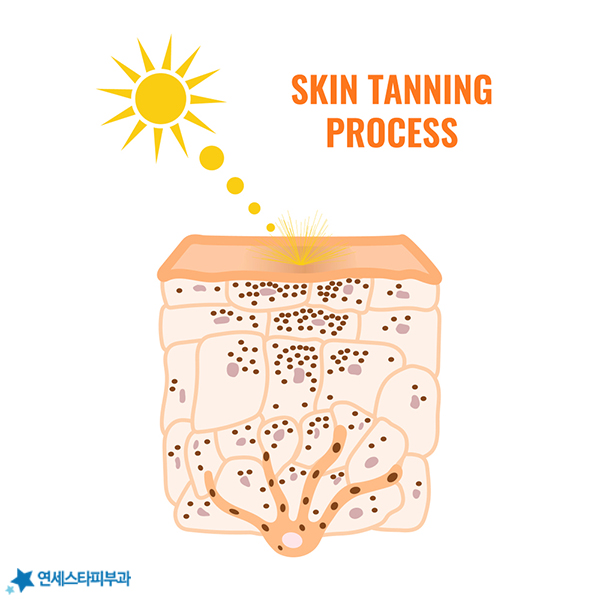
Melanin, which the skin excessively produces to protect itself, ironically results in a dull complexion. The reason melasma is more challenging than simple blemishes is that melanin is widely and deeply embedded.
How does laser toning address pigment?
Toning is the first method that comes to mind for removing melasma. Due to various causes such as UV rays, stress, and genetic factors, the skin produces melanin. Toning works by suppressing the activity of melanin itself, preventing its excessive production.

Pigment issues require different approaches depending on their type. Pigmentation that frequently occurs in the epidermal layer, such as freckles or blemishes, is often treated by applying strong energy to induce scabbing. In contrast, melasma is treated with weaker energy over multiple sessions, so no scabs form after the procedure, and daily life can be resumed immediately.
| Category | Epidermal Pigment (Freckles · Blemishes) | Melasma |
|---|---|---|
| Location | Relatively shallow epidermal layer | Widely and deeply distributed |
| Approach | Strong energy to induce scabbing | Repeated toning with weak energy |
| Recovery | Scabbing · regeneration period required | Immediate return to daily life without separate recovery period |
Since laser toning does not require a separate recovery period, it is not a procedure that has a particularly advantageous season or a fixed timing. However, as pigment deepens and becomes more embedded in the skin over time, it is recommended to start treatment early if blemishes begin to appear.
Epidermal Pigment Removal for blemishes, age spots, and freckles, which often accompany melasma, has a different approach. Therefore, it is easier to plan by examining which type of pigment you have with a Customized Whitening Solution.
Can't it be erased strongly all at once?
Surprisingly, many people question, "Do I really need to get procedures so often?" They also wonder if it's possible to use powerful lasers to erase it quickly and strongly, given the many high-performance lasers available today.

While it would be ideal to resolve it in a short period, toning is ultimately a light-based procedure. Excessive energy could potentially stimulate melanin and worsen the pigment problem.

Furthermore, if pigment is destroyed all at once, hypopigmented spots, where the affected area turns white, may appear. For these reasons, it is more reasonable to slowly calm melanin activity for melasma rather than aggressively pushing with strong energy.
Melasma is not a pigment that is "erased all at once" but one that is "managed consistently." Approaching it with weaker, more frequent treatments is considered a more reasonable choice in terms of both safety and results.
How to determine treatment intervals and frequency
Melasma laser toning is generally recommended to be performed around 10 times at 1-2 week intervals. If the treatment interval becomes too long, melanin can become active again in the interim, reducing the treatment effect and, in severe cases, increasing the likelihood of recurrence.

If you are undergoing management, continuing without delaying more than 3 weeks as much as possible leads to better results. Here are some good guidelines to refer to when planning your treatment:
- The basic treatment interval is 1-2 weeks, and it should be managed so as not to exceed 3 weeks.
- The total number of sessions is adjusted based on the pigment condition, with approximately 10 sessions as a guideline.
- If the interval becomes too long, melanin may reactivate, reducing the effect.
- It is important to adhere to a schedule of repeating treatments weakly rather than strongly all at once.
If you have any questions, you can easily check them through chat consultation regarding melasma laser toning schedule.
Post-procedure skin care tips
After melasma laser toning, temporary skin dryness may occur. This applies not only to pigment lasers but also to general laser procedures.

Although it is a temporary symptom, you can expect more positive results if you also perform moisturizing care during the management period. Here are some important care points to consider after the procedure:
- For a few days after the procedure, moisturize more thoroughly than usual.
- Apply sunscreen meticulously every day to reduce melanin regeneration.
- Avoid rubbing or irritating the skin.
- If dryness or sensitivity persists for a long time, consult with medical staff.

Pigment issues on the skin are quite challenging to treat. The equipment used varies, and the expertise of the practitioner handling it also differs. It is wise to start at a place that can establish a treatment plan tailored to your condition from the beginning, and consistent management is necessary to prevent recurrence even after the procedure.
The key is to start early, without delay
Uneven skin tone can make a person look older and leave a dull impression. As pigment deepens and darkens over time, planning management when changes begin to appear determines the outcome.

If you are curious whether your pigment is melasma or another type, or what schedule would be best, please feel free to check through chat consultation for melasma and pigment treatment.
Chief Director Lee Sang-joo (MD, PhD, Yonsei University College of Medicine and Graduate School, Completed Dermatology Residency at Severance Hospital, President of the Korean Society for Dermatology) Chief Director Lee Sang-joo's Profile First Published 2025-04-17 / Last Reviewed 2026-06-16
This content is for general information purposes only, and treatment effects and responses may vary by individual. Accurate diagnosis and treatment plans should be determined through consultation with medical staff.