

When the dark, spreading pigment on your face in the mirror starts to bother you, the first question that usually comes to mind is one: Will laser treatments like toning really be as effective as the cost invested? To put it simply, melasma is not a problem that ends in one or two sessions; it's an area that requires consistent management tailored to the depth of the pigment in the skin and its type. Only with this premise can you assess satisfaction relative to cost.
As the weather gets cooler and the Chuseok holiday passes, we are entering the full swing of autumn. Even in the cool breeze, UV rays can still weaken the skin layer and quickly promote the growth of blemishes like melasma or freckles on the face and back of the hands. This is why it is reported that it is better to start management before the color deepens.
Why doesn't melasma disappear in one go like a mole?
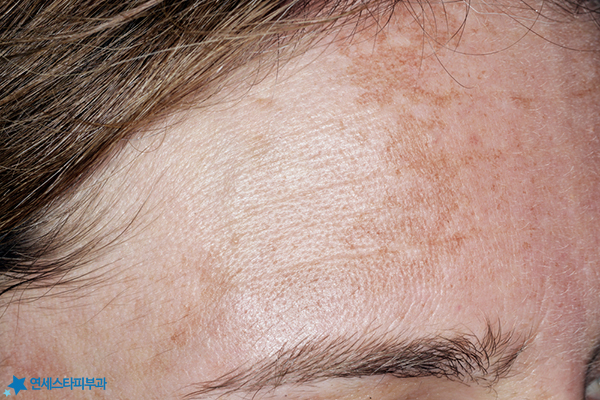
Many people may have felt frustrated wondering why moles on the skin disappear quickly with one or two treatments, but melasma doesn't. The key lies in the depth where the pigment is located.
Moles that are removed for cosmetic reasons are likely to be formed in the relatively shallow epidermal layer, so they are cleared relatively quickly. However, pigmentary disorders like melasma, which gradually rise from the deep dermal layer, are a different story.

It is reported that applying strong energy to deep dermal pigment all at once can actually worsen the problem and risk the pigment not clearing well.
Therefore, melasma is managed consistently with low-intensity beams. You might worry that the slow appearance of results means you chose the wrong clinic, but this is a normal treatment progression considering the depth of the pigment.
Will strong irradiation lead to faster improvement?

What happens if you rush and increase the intensity excessively? Dormant pigment in the skin can rise all at once, or unexpected reactions like hypopigmented spots, where the skin turns white as melanin is destroyed, can occur. This significantly increases the difficulty of treatment.
In the examination room, we often see cases where patients, desiring quick results, increased the intensity only to find their pigment reactions becoming erratic. Therefore, maintaining an appropriate intensity level is paramount.
Here are the items to check before pigment management:
- Type of pigment (distinguishing between melasma, freckles, blemishes, etc.)
- Depth of pigment in the skin (epidermal or dermal)
- Type and wavelength of the laser equipment used
- Treatment intensity and session plan
- Sun protection and moisturizing care before and after treatment
For questions, inquire via chat for melasma pigment management consultation
Pigment is not just one type

Dark pigmentary troubles on the face often appear as a complex combination of melasma, freckles, and blemishes, each with its own characteristics. Depending on the skin layer where they are located, the approach may differ, such as deeper progression or combining equipment, case by case.
| Pigment Type | Main Layer of Location | General Management Direction |
|---|---|---|
| Moles | Relatively shallow epidermal layer | Relatively quick removal is possible |
| Blemishes·Freckles | Primarily epidermal layer | Management focused on epidermal pigment |
| Melasma | Distributed up to the dermal layer | Low-intensity, repeated management |
Since each pigment has a different depth and nature, it is helpful to consider approaches tailored to the condition, such as Epidermal Pigment Removal for blemishes, age spots, and freckles, or a Customized Whitening Solution. This is a different area from Laser Lesion Removal for distinct moles, syringomas, and warts, even if they are all pigments.
How to view toning sessions and costs

Toning is usually performed over multiple sessions, so some people may feel burdened by the total cost. However, the criterion for efficient spending is not simply the price per session, but rather how stably the cleared condition is maintained.
The process of not just shooting a laser at the problem area, but also considering equipment selection, the medical team's skill, and safety, and applying solutions case by case, ultimately determines the results relative to the cost.
Why Pico Laser Toning is gaining attention

Pico laser toning, which can shatter pigment into finer particles in a shorter time, like PicoWay, is attracting attention for its potential to shorten the overall treatment period. It is reported that it can accelerate the treatment speed while relatively reducing the burden on the skin during the procedure, which can also affect satisfaction relative to cost.
As the variety of lasers utilizing picoseconds has increased, checking which equipment is used beforehand becomes an important step before management.

Why now is the right time for management

Melasma has a high chance of recurrence, and if left untreated, it tends to spread or darken, leaving duller marks. With increasingly dry weather, still strong UV rays, and aging, an environment where pigment can easily deepen is close at hand.
If the cleared state after toning is maintained for a long time, that itself is a result of efficient cost utilization. Remember that the optimal time for treatment is now, and take a step away from the stress caused by dull skin.
For questions, inquire via chat for personalized pigment treatment direction

We will continue to provide information for clean and healthy skin. This has been Yonsei Star Dermatology Sinchon.
Chief Director Lee Sang-joo (MD, PhD, Yonsei University College of Medicine and Graduate School, completed dermatology residency at Severance Hospital, President of the Korean Dermatological Association) Chief Director Lee Sang-joo's Profile First published 2025-09-30 / Last reviewed 2026-06-16
Pigment response and recovery speed may vary by individual, and we recommend consulting directly with medical staff for an accurate diagnosis and treatment plan.