

Anyone who discovers brown smudges spreading across their cheekbones or forehead in the mirror feels a heavy heart. The first question that usually comes to mind is one: "Is this melasma, and can it be removed with a laser?" To answer directly, melasma is a pigmentary disorder that, unlike blemishes that disappear in one go, must be treated with weak intensity over multiple sessions, and accurate diagnosis is the starting point of treatment.
Melasma is actually a refractory pigmentary disorder
Melasma appears when excessive melanin pigment is produced due to a combination of hormonal, UV, and genetic factors. It typically appears as various shades from dark brown to gray, primarily on the cheekbones, forehead, and bridge of the nose, which are frequently exposed to UV light. Its characteristic feature is a blurry and widely spread appearance.

The key to melasma is that, although common, it is surprisingly tricky. Unlike other pigmentary lesions that are strongly removed in one go, its widespread nature makes it difficult to remove cleanly in a single session.

When you thought it was melasma, but it wasn't
In the clinic, it's not uncommon for patients to come in thinking they have melasma, but it turns out to be a different pigmentary lesion. Here are common lesions that resemble melasma:
- Lentigo Blemishes called lentigo
- Seborrheic Keratosis Brown lesions that become prominent with age
- Nevus of Ota Bluish dermal pigment

Since there are many similar-looking lesions, it's important to differentiate them from areas like Epidermal Pigment Removal for blemishes and seborrheic keratosis, so an accurate diagnosis comes first. Even if it's the same brown smudge, the treatment approach changes depending on what it is.
How is a diagnosis made?
Melasma diagnosis is primarily and accurately made by a dermatologist through visual inspection. In most cases, this process distinguishes whether it is melasma or not.

However, in ambiguous or difficult cases, a 3D facial skin diagnostic device can be used to more precisely examine which layer of the epidermis or dermis the pigment is located in.
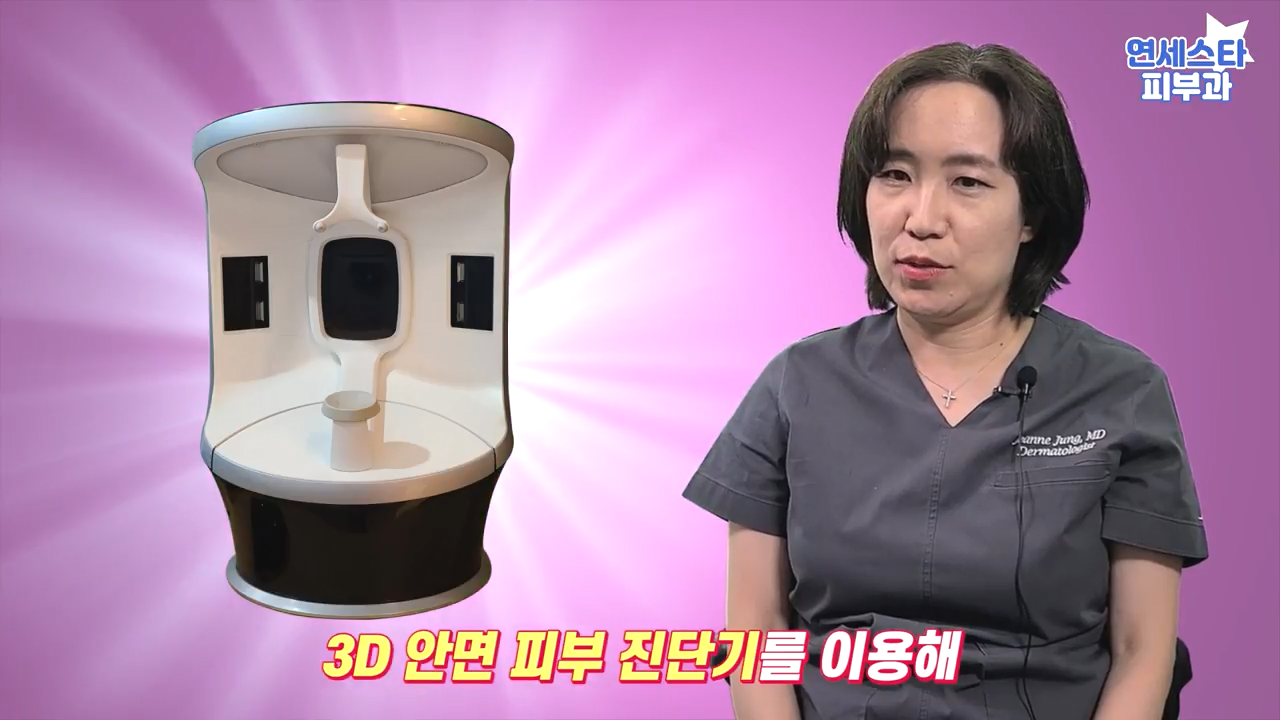
Melasma is a condition that requires accurate diagnosis and customized treatment by a dermatologist, rather than self-diagnosis.
Reasons why laser results were not satisfactory
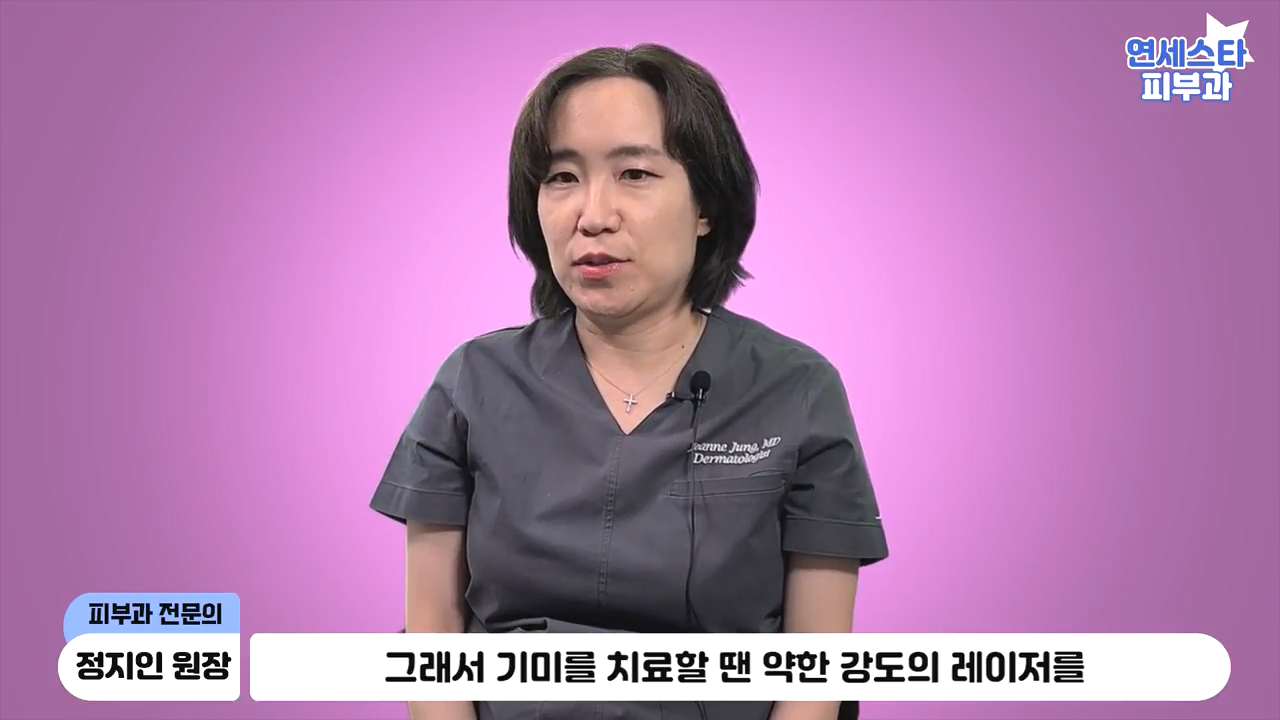
Have you had an experience where melasma and blemish laser treatment results were disappointing? For melasma, it is often more appropriate to approach it with weak intensity over multiple sessions rather than a strong laser in one go. A strong laser can over-stimulate or deplete melanin cells in the deepest layer of the epidermis, sometimes leaving hypopigmented spots with a whitish appearance.

Unlike general pigmentary disorders, melasma tends to spread widely, so it is recommended to receive low-output laser treatment with weak intensity at least 10 times or more. Therefore, it is important to find a dermatologist with extensive experience in melasma treatment who can delicately adjust the intensity according to the condition.
Equipment selection also influences the results. While Nd:YAG laser toning based on first-generation nano-technology was a good option, treatment centered on the second-generation PicoWay Laser is currently gaining attention.
PicoWay works by irradiating a 1064nm wavelength laser in picosecond units (one trillionth of a second), rapidly and finely breaking down melanin pigment while minimizing surrounding thermal damage. While the basic wavelength is 1064nm, shorter wavelengths like 532nm or 730nm can be applied for shallow pigments, allowing for customized treatment per lesion. When combined with whitening care that calms skin inflammation and infuses vitamins, highly satisfactory results are reported.
If you are curious about pigment management focused on laser toning, reviewing Customized Whitening Solution may be helpful.
For questions, inquire via chat consultation regarding melasma laser treatment
Can I get melasma laser treatment in the summer?

The exact cause of melasma is not yet clearly understood, but it is presumed to involve genetics, the influence of female hormones, and overall health status. Major contributing factors include UV radiation and female hormones. Therefore, there is a perception that melasma laser treatment should be avoided in summer when UV radiation is strong, but it can be received even in summer.
The reason lies in the type of UV radiation. UV-A primarily stimulates pigment deep in the skin and causes aging, while UV-B becomes stronger in summer. UV-A, which has a greater impact on pigment production, remains constant throughout the year regardless of the season and is known to be at a similar level on cloudy or foggy days as on clear days.
Melasma laser treatment typically uses a relatively low output, so the procedure itself rarely creates new pigment. Therefore, it is more rational to decide the timing based on whether there are outdoor activities that involve excessive UV exposure after the procedure, rather than the season itself.
Melasma after pregnancy and childbirth

Melasma is a common skin change in pregnant women. This is due to the influence of hormones, a major contributing factor. Usually, about half of cases lighten within several months after childbirth as hormones normalize, but it is not uncommon for it to remain or persist for several years.
If UV radiation and genetic predisposition are added to hormonal factors, melasma may darken or persist. In such cases, melasma creams/ointments containing hydroquinone or retinoids may be used, and the PicoWay Laser toning described earlier is also reported to be helpful. For vascular melasma, a combination of tranexamic acid medication, laser toning, and vascular laser may be performed. If you are concerned about facial redness along with melasma, we recommend consulting about V-beam Facial Redness Treatment as well.
Daily management to reduce recurrence

Unfortunately, melasma is a condition with a high recurrence rate, so 100% removal may be difficult. This is because it is a pigmentary lesion caused by a complex interplay of various factors. However, after it has lightened to some extent with treatment, daily management plays a significant role in maintaining the results for a long time. Consider the following habits:
- Apply sunscreen daily, regardless of the season
- Consistently use functional whitening cosmetics
- Consume sufficient antioxidant vitamins, such as Vitamin C
- Regulate outdoor activities that involve prolonged exposure to strong UV radiation
- Regularly have your condition checked by a specialist
If you are concerned about pores or skin texture along with melasma, Pores can also be discussed during the same consultation.
We have summarized the principles of melasma and current treatment approaches. Given that melasma is a condition that is difficult to cure completely, treatment methods that minimize recurrence and consistent daily management are paramount. Since the approach varies depending on the cause and depth of the brown smudge, we recommend accurate confirmation in the clinic rather than self-diagnosis.
💬 Consult Now
Chief Director Lee Sang-joo (MD, PhD, Yonsei University College of Medicine and Graduate School, completed dermatology residency at Severance Hospital, President of the Korean Dermatological Association) Chief Director Lee Sang-joo's Profile First published 2024-05-22 / Last reviewed 2026-06-16
Melasma patterns and responses may vary from person to person, and accurate diagnosis and treatment plans should always be determined through in-person consultation with medical staff.