
![Low-Temperature Burn Symptoms, Deep Second-Degree Burn Scar Removal Treatment | [Yonsei Star Dermatology Sinchon]](/_next/image?url=https%3A%2F%2Fagqdgbuateknhwpocrgu.supabase.co%2Fstorage%2Fv1%2Fobject%2Fpublic%2Fsources%2Fbbf3bebe-45b6-4415-bd04-bda18b2cac0f%2Fblog-images%2F223680150288_00_601523bf6438.jpg%3Ftype%3Dw966&w=3840&q=75)
In winter, electric blankets and hand warmers, meant to keep us warm, can sometimes cause scars. If you wonder, "Why did a mark remain even though it wasn't hot?", you might need to suspect a low-temperature burn, which progresses slowly at relatively low temperatures.
As the weather gets colder, many people start using mini heaters, electric blankets, and hot packs. While these are grateful tools that keep us warm in falling temperatures, excessive and prolonged use can sometimes lead to unexpected results like low-temperature burn scars.
Why are low-temperature burns difficult to notice?
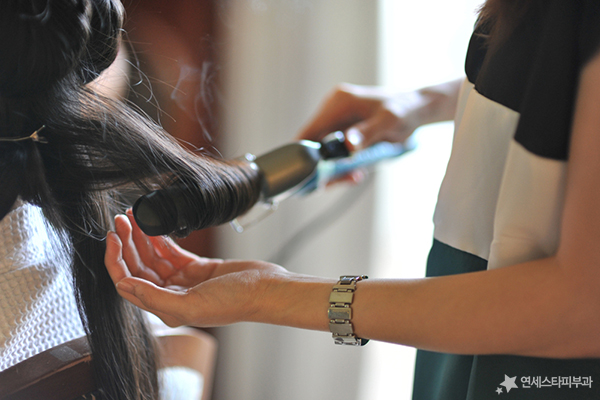
When we think of burns, we often first imagine major fire accidents, but they are surprisingly common injuries in daily life. As the use of heating devices increases, so does the number of people visiting hospitals for burns, making it a problem not to be taken lightly. It's more common than one might think for hands or legs to get burned by the heat from electric blankets, heaters, hot packs, or curling irons.
It's easy to overlook them because there are no immediate visible changes. Due to the relatively low temperature, symptoms appear late, so it's not uncommon for people to not notice skin damage and only visit the hospital much later when it has become a burn scar.
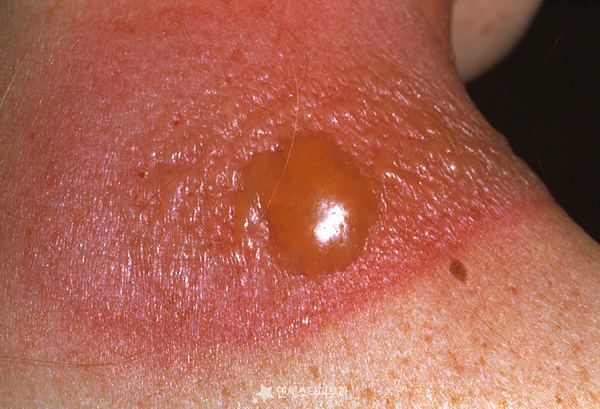
Electric blankets are essential for a good night's sleep in winter, but prolonged exposure of the skin can slowly cause burns. At temperatures of about 40-50 degrees, without feeling hot, if heat is continuously applied for a long time and reaches the dermis, skin tissue can be damaged, leaving scars even from low-temperature burns.
Our bodies reflexively pull away when they feel hot, preventing major accidents, but at temperatures felt as 'warm,' this defense mechanism does not activate. This is precisely why low-temperature burns are dangerous.
What symptoms appear?
Many people dismiss them as minor because the pain is not severe. It starts with a level of itchiness, but as the damage deepens, the skin color changes, pain gradually worsens, blisters may form, and in severe cases, skin tissue necrosis can occur, requiring caution.

In particular, those with reduced peripheral sensation need more careful attention to prevent the development of burn scars:
- Elderly individuals with slow sensory perception
- Young babies who are not good at expressing themselves
- Individuals with reduced peripheral sensation due to underlying conditions like diabetes
- Those who fall asleep with heating devices on after drinking alcohol
In clinical practice, such cases often lead to scars because the damage is discovered late.
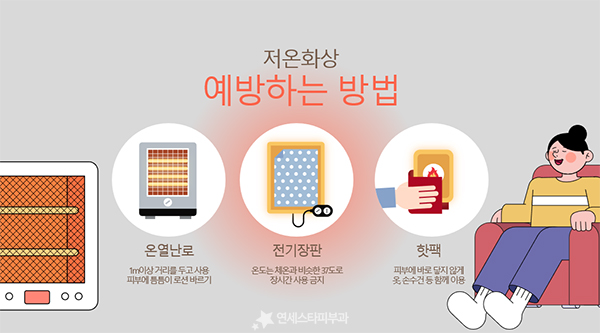
Prevention rules to follow in daily life
It's always best to prevent injuries rather than treat them after they occur. When using heating devices, check the following:
- Maintain a safe distance of at least 1m from heating devices
- Wrap hot packs in cloth to prevent direct skin contact
- Set electric blankets to a slightly lower temperature
- Set a timer to prevent prolonged heat exposure to the same area
- Be careful not to sleep in the same position for too long
How to provide first aid for burns
If the heated area is persistently itchy and swollen, it's likely a low-temperature burn. In this case, cooling treatment is a priority.
First, quickly remove the source of heat. If you were using an electric blanket, hot pack, or curling iron, stop immediately and cool the skin with cold water. Running water helps lower skin temperature quickly and can alleviate pain, so cool it for about 15-20 minutes, or if you have an ice pack, wrap it in a towel and apply it to the area to reduce the heat.
If skin damage deepens, it can progress to deep second-degree burn scars, so use a thick foam-type bandage that can generously cover the wound. Hydrocolloid dressings like Mefoam can keep the wound moist, aid collagen production, and help with recovery.
If a wound or blister has already formed, management is needed to prevent additional inflammation. If a blister bursts, inflammation can worsen, and the risk of secondary bacterial infection can increase, so do not force it to burst. Reduce irritation with burn ointment and bandages, and it's best to receive appropriate treatment at a hospital as soon as possible.
If you suspect a low-temperature burn, you can inquire about burn scar treatment options via chat consultation to receive guidance tailored to your symptoms.
How is hospital treatment for low-temperature burn scars different?
While self-treatment can lead to some improvement, if burn marks are already red (first-degree burn) or if blisters have formed (deep second-degree burn scars), the damage extends beyond the epidermis to the dermis, requiring systematic treatment from a burn scar perspective.
The approach to burn scar treatment varies depending on the color and shape of the remaining marks.
| Scar Type | Damage Characteristics | Treatment Direction |
|---|---|---|
| Redness | Remaining vascular dilation | Vascular treatment to restore skin color |
| Brown or Black | Accompanied by pigmentation | Pigment treatment performed concurrently |
| Wrinkled contracture | Dermal tissue contraction | Induce skin regeneration |
| Whitened form | Melanocyte damage | Activate melanocytes and induce regeneration |
For burn scars with redness, the approach is to restore the skin to its original color through vascular treatment for facial redness or red scars. If the scar has turned brown or black, pigment treatment is performed concurrently.
Even with low-temperature burns, depending on the degree, contracture can occur, causing the skin to become wrinkled. If melanocytes are damaged, the scar may appear white. In such cases, the approach is to activate melanocytes and help the skin regenerate quickly.
What is the principle of the Pinhole Technique?
If burn scars have developed, they do not recover well naturally, so appropriate treatment is necessary. The older the scar, the slower the recovery, so it's best to start as early as possible and receive consistent treatment with patience.
Representative Pinhole-type treatments, such as Pinhole Alpha, help regenerate the skin. The principle is to create dense micro-holes in the scar area with a high-output laser, loosening the tangled collagen tissue down to the dermis. Depending on the extent of the damage, treatments like Mild Pinhole may be performed with adjusted stimulation.

Yonsei Star Dermatology Sinchon has adopted the Pinhole Technique system and has experience treating various types of burn scars. While the Pinhole Technique is a method performed in many dermatology clinics, even with the same method, results can vary depending on the practitioner, so it is important to consider the depth, color, and shape of the scar when determining the treatment direction. Treatment effects and recovery patterns may vary individually.

In seasons like today, when high-heat devices are frequently used in daily life, low-temperature burns can happen to anyone. We recommend using them correctly for a safe and warm winter, and if you feel pain that suggests a burn, visit a hospital before it develops into a scar.
💬 Consult NowChief Director Lee Sang-joo (MD, PhD, Yonsei University College of Medicine and Graduate School, completed dermatology residency at Severance Hospital, President of the Korean Dermatological Association)
Chief Director Lee Sang-joo's Profile
First published 2024-12-02 / Last reviewed 2026-06-16
Even with the same symptoms, the depth and progression of scars vary from person to person, so please confirm an accurate diagnosis and treatment plan through consultation with medical staff.