

As the weather gets warmer and clothing becomes lighter, interest often turns back to weight loss and dieting. However, after liposuction, what often becomes a concern are the surgical marks, or scars. You might first wonder, "The surgery went well, so why are there marks?" or "Can these be removed without another surgery?" To answer directly, liposuction scars can be improved with non-surgical laser treatment, and the key is to tailor the treatment approach to the scar's characteristics.
Why Do Liposuction Scars Form?
During liposuction, a thin tube called a cannula is repeatedly moved back and forth inside the skin to remove fat. This process can damage the surrounding skin where the cannula passes, and the sutured area may heal, leaving a mark. In some cases, the skin may appear sunken where fat was removed.

In severe cases, friction during surgery can cause burns, leading to pigmentation. Many people choose surgical methods when it's difficult to change body shape with just exercise and diet, but this also carries the risk of scarring. Therefore, it's important to proceed safely from the start.
What Do They Look Like?
Liposuction scars don't appear in just one form. Even with the same surgical cause, they manifest differently in each person.
- Red or prominent scars
- Scars that have lost color and appear white
- Depressed, sunken scars
- Pigmentation that darkens to brown
- Keloid-like scars that rise depending on body type

Because the characteristics are so diverse, the process of identifying the cause and condition of the scar and then determining the treatment method comes first. Even if they look similar, depressed scars and raised keloid scars require different approaches.
Where Do They Usually Appear?

Liposuction is often performed on areas where people want to lose fat, such as the arms, abdomen, and thighs. Coincidentally, these areas are also easily exposed when wearing thin or short clothing. Therefore, if scars remain after surgery, it can lead to psychological distress, and in severe cases, stress to the point of avoiding going out.
At this point, the concern of creating new marks if another surgery is performed to remove the scars adds to the burden. This is why many people seek non-surgical laser treatment. Many also come with similar concerns about cosmetic surgery scars in general.
When is the Best Time for Treatment?
When can liposuction scar laser treatment begin? It's usually possible after the stitches from the sutured area are removed. Recovery speed varies from person to person, but generally, starting initial preventive treatment to prevent further worsening of scars is considered optimal from about 3 weeks post-surgery.
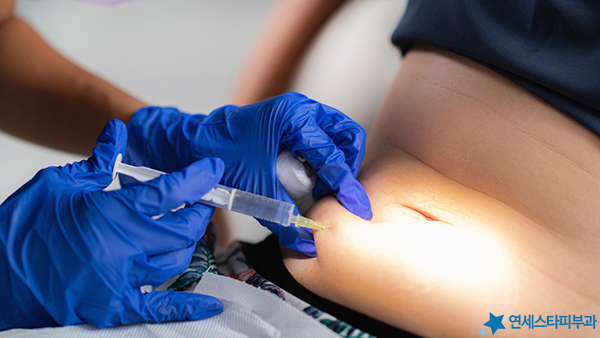
If the incision site remains unchanged even after more than a year post-surgery, it can be considered a settled scar.
At this stage, vascular laser treatment like Vbeam Prima or Triamcinolone Scar Injection can help minimize the problem. Of course, treatment is possible even after a long time, but given the variety of scar types, it's not a simple one-time solution.
In the consultation room, many people say, "I wish I had come a little earlier," as earlier management tends to offer a wider range of options.
For questions, inquire via chat consultation about liposuction scar treatment timing
Treatment Approaches Differ by Scar Type

The method applied varies depending on the appearance of the scar. The table below makes it easy to understand.
| Scar Type | Treatment Approach |
|---|---|
| Pigmentation | Lighten pigmented areas with toning or other pigment lasers |
| Red Scars | Normalize blood vessels that cause redness with vascular lasers |
| Whitened Scars | Induce regeneration similar to healthy skin |
| Depressed Scars | Activate regenerative power with Pinhole Technique |
| Keloid-like Scars | Gradually manage with combined Triamcinolone Scar Injection and laser |
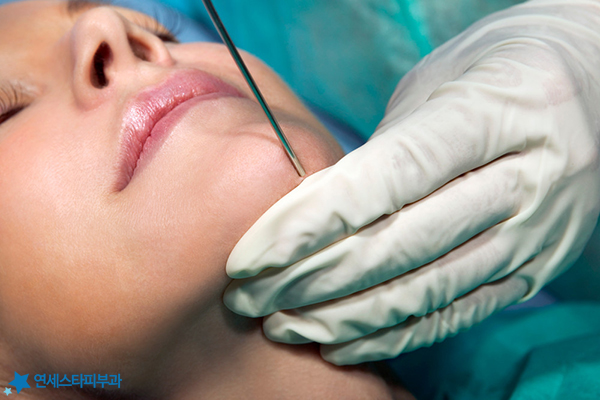
For scars that have lost color and appear white, or old depressed scars, an approach using the Mild Pinhole method to boost skin regeneration is reported. Raised keloid-like scars are slowly managed over time with a combination of Triamcinolone Scar Injection and laser.
Things to Know Before Treatment
If you are considering liposuction scar treatment, keeping the following in mind can be helpful:
- Diagnosis comes first, as treatment methods and duration vary depending on the scar type.
- Starting early allows for preventive management and a wider range of options.
- Treatment often proceeds in multiple stages rather than being completed in one session.
- The effectiveness and recovery speed may vary individually.
- Professional consultation is necessary for a non-surgical approach without further surgery.

Even with the same cause of liposuction, the appearance of scars varies from person to person. Therefore, it is important to safely apply equipment and methods suitable for each individual in a scar treatment environment where various situations can be addressed. If necessary, Surgical Scar Revision may also be considered.
We will work with you to safely treat liposuction scars with non-surgical methods and help you recover healthier skin that is less noticeable.

For questions, inquire via chat consultation about liposuction scar laser treatment
Dr. Sang-Joo Lee, Chief Director (MD, PhD, Yonsei University College of Medicine and Graduate School; Dermatology Resident, Severance Hospital; President, Korean Dermatological Association) Dr. Sang-Joo Lee's Profile First Published 2025-06-09 / Last Reviewed 2026-06-16
This content is for general informational purposes only, and scar characteristics and recovery may vary individually. Please consult with medical staff for an accurate diagnosis and treatment plan.