
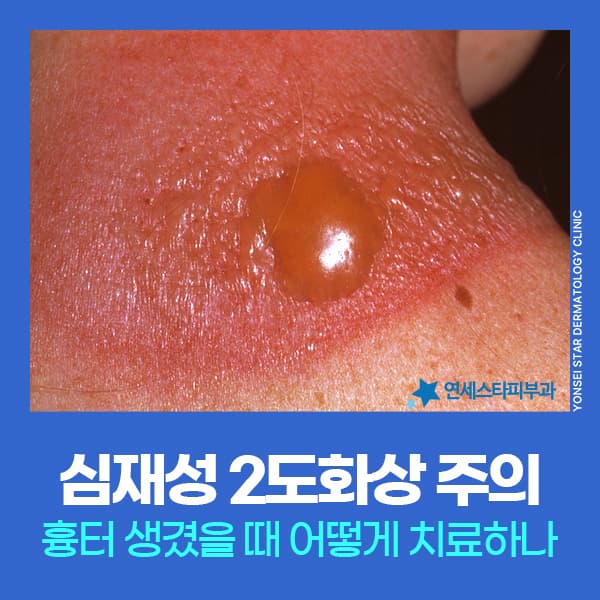
Stories of burns from hot oil splashes or accidents during procedures are not uncommon in the news. The reason it's hard to dismiss these as someone else's problem is that such accidents can happen to anyone. After sustaining a burn, the first question that often comes to mind is whether a scar will remain, and the answer depends not on the size of the wound, but on how deep the damage has gone.
Scarring is Determined by the Depth of Damage
The skin is composed of the epidermis, dermis, and subcutaneous tissue beneath. When heat reaches deep into the dermis, which is a deep second-degree burn, traces may remain even after healing.
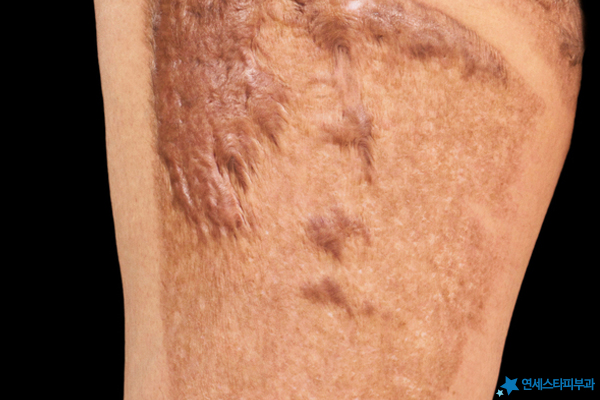
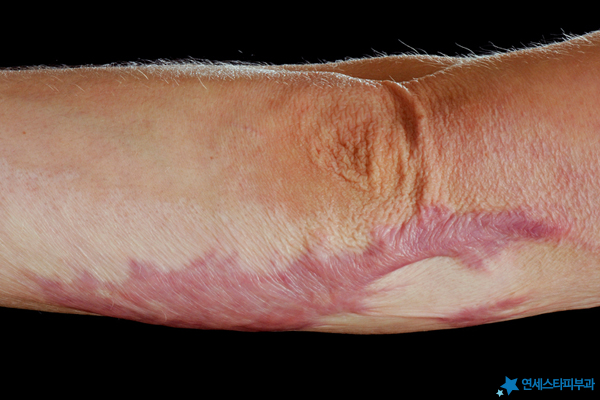
The difference from superficial burns, which involve redness and swelling that subsides, is that from deep second-degree burns onward, the foundational tissue that allows the skin to regenerate itself is damaged. During the healing process, collagen may not align correctly and can clump together, resulting in a hardened scar.

No Pain Does Not Mean a Minor Burn
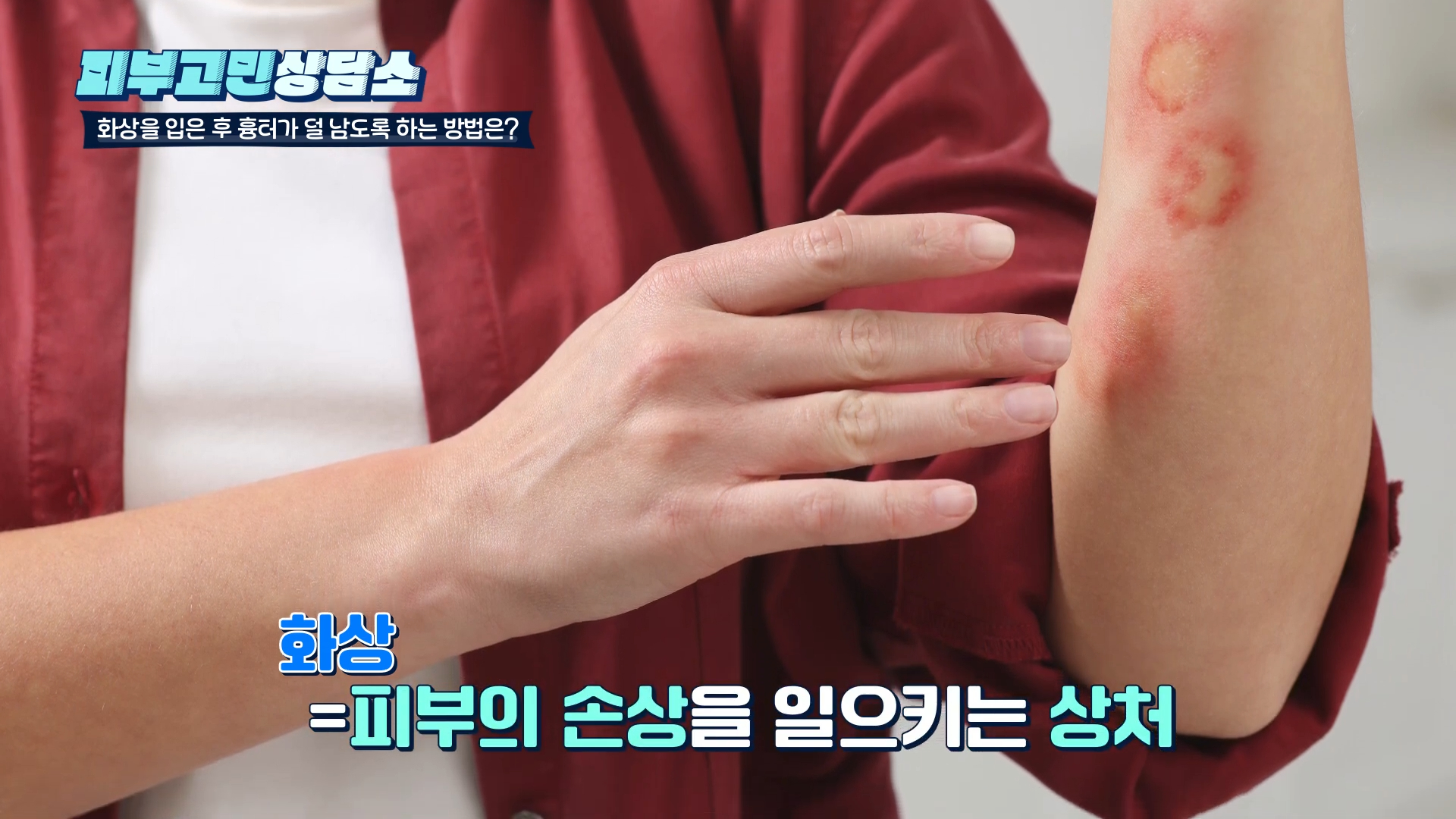
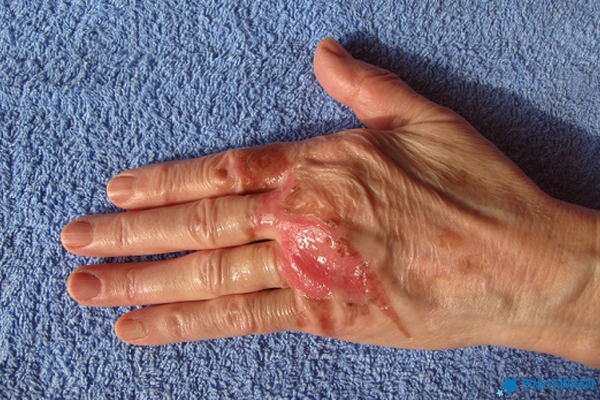
Deep second-degree burns and above often involve blisters, oozing, and swelling. The areas where blisters have peeled may appear bright pink, and the pain can be considerable depending on the extent of the damage.
However, if the nerves are also damaged, pain may not be felt as strongly. It is safer not to assume the damage is shallow simply because there is no pain.
If, after the wound has healed, the color, texture, or thickness of the area differs from the surrounding skin, it is possible that a scar has formed. If the scar is in an exposed area like the hands or face, it can also lead to psychological burden.

Treatment Varies Depending on the Current Stage
For a long time, burn scars were thought to be permanent once formed, but now they can be significantly improved with lasers. However, even for the same deep second-degree burn, the treatment method and expected outcomes can vary depending on when treatment is started.
In the early stages, when redness still remains, the skin's regenerative response is still active. Applying appropriate treatment at this time can help reduce the scar from thickening.
Conversely, old scars that have already become white and raised or hardened have lost elasticity due to clumped fibrous tissue, requiring more aggressive stimulation.
Different Lasers Are Used for Different Stages
Early Stage with Remaining Redness
Redness is addressed first with vascular lasers like Vbeam Prima. This approach can show relatively quick changes in the early stage.
Old, Hardened Scars
Pinhole for Burn & Surgical Scar is added to Ultrapulse Alpha. The Pinhole for Burn & Surgical Scar method involves creating tiny, dense holes in the scar to boost the regenerative response, and it is not significantly affected by skin thickness. This is why improvement can be expected even for old scars that were once given up on.
Treatment Plans Are Customized for Each Individual
Burn scars are among the more challenging cases due to the varied shapes of the lesions and individual skin conditions. The choice of device, energy intensity, and treatment intervals must be tailored to the individual, and it is not uncommon to combine multiple methods rather than relying on a single laser.
During the treatment period, as lasers are frequently applied, the skin can easily become dry and vulnerable to external stimuli. Home care, including ointments, moisturizers, and sunscreens, supports the treatment results.
Summary
Deep second-degree burns can lead to scarring due to their depth, but the outcome is not predetermined. Depending on whether it's an early red scar or an old, hardened scar, a stepwise improvement can be expected by choosing and layering appropriate treatments from Vbeam Prima, Ultrapulse Alpha, and Pinhole for Burn & Surgical Scar. We recommend checking your treatment plan tailored to your current condition through a consultation.

Author · Dr. Sang-Joo Lee, Chief Director / Dermatologist As the Chief Director of Yonsei Star Dermatology Sinchon, Dr. Sang-Joo Lee has extensive experience in scar treatment, including burn scars. He serves as the President of the Korean Association of Dermatologists in 2026 and an adjunct professor at the Department of Dermatology, Yonsei University College of Medicine. Detailed credentials can be found in his medical staff profile. · Last reviewed September 1, 2026
This article is intended for general medical information purposes, and treatment methods and results may vary depending on the depth and area of the burn and individual skin condition. For an accurate diagnosis and treatment plan, please consult with a dermatologist.