

Keloid scars are scars that form when a skin injury heals, rising above the normal skin surface and becoming firm. If you've had injection treatment that somewhat flattened the scar, but it reappears over time, your first question might be, "Why does it keep recurring?" The conclusion is that the exact cause of keloids has not yet been clearly identified, making it difficult to completely resolve with a single method. A combined approach that addresses both the raised portion and the red marks is known to help reduce the possibility of recurrence.
Keloids are influenced by body constitution
Generally, keloid scars are known to occur in individuals with a predisposition. However, it's difficult to know if you have this predisposition before the problem arises. Since environments that create scars, such as acne, piercings, or surgery, are common in daily life, many people experience stress at unexpected times.
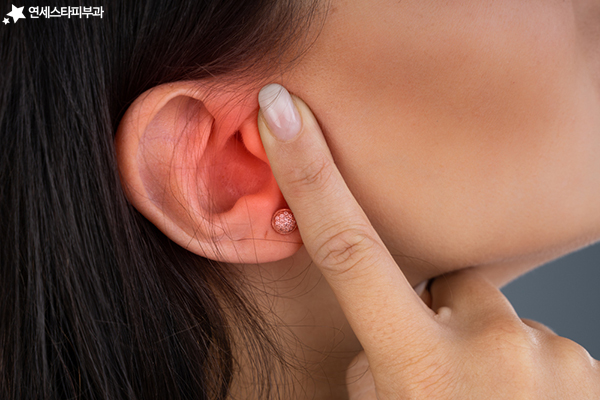
If the keloid is in a noticeable area, many people opt for injection treatment first for a quick resolution. While it may show good progress at the time, a single method often leads to frequent recurrence, so the period of satisfaction may feel relatively short. Therefore, many people seek ways to maintain the improvement for longer. If you have similar concerns, understanding the characteristics of keloid scars first may be helpful.
Why do they keep reappearing?
It's difficult to summarize in one sentence why the problem reappears. The biggest factor is that the mechanism of occurrence itself has not yet been clearly elucidated. Treating according to the cause is the key to reducing recurrence, but identifying that cause is not easy.

You might feel inclined to postpone treatment, thinking, "Maybe I'll start when the perfect management method comes out." Unfortunately, if left untreated for a long time, keloids tend to grow larger over time, which increases the difficulty of treatment.
If you are in a situation where treatment cannot be delayed even if the exact reason is unknown, it is better to proceed with treatment step-by-step, monitoring the condition.

What's easily missed if you only do injection treatment
Many people are familiar with Triamcinolone Scar Injection, which gradually reduces the height of the scar, but the red discoloration may still be noticeable. This is a crucial turning point. It's easy to feel relieved when the raised part has improved, but if the treatment concludes without thoroughly addressing the red marks, the recurrence rate is reported to increase.
It can be disheartening if the scar, after being reduced in size, returns to its original state. Combining Laser Lesion Removal in the initial treatment phase can help maintain more stable results. The key is to treat the raised tissue and red marks as a single process, rather than separately.
In the clinic, it's not uncommon to see patients who stopped care midway, satisfied with only the reduction of the raised part, only to revisit when it reappears.
For questions, inquire via chat consultation about keloid scar treatment
The real reason for redness lies in the blood vessels
The reason the lesion appears red is due to blood vessels. If an excessive amount of nutrients and oxygen are supplied, collagen is overproduced. In the problematic area, the number of blood vessels increases and their shape expands for rapid recovery, and this process manifests as the redness of the keloid.

It's easier to understand Laser Lesion Removal as a treatment that helps normalize the number and shape of these blood vessels. Collagen that has already formed is dissolved with injections, and this process is combined with vascular management to help prevent further activation.

| Category | Injection Treatment | Laser Lesion Removal |
|---|---|---|
| Main Role | Flattens raised tissue and collagen | Manages proliferated blood vessels, red marks |
| Change Pattern | Height decreases | Redness fades |
| Recommended Method | Combined rather than standalone | Stable when combined from early stages |
While it may be difficult to achieve significant changes in a short period, through repeated treatments, you can expect the scar size to gradually decrease and the raised parts to become natural enough to be less noticeable. Individual results may vary.
Important points to remember during treatment
Even if you don't feel changes immediately, don't get too discouraged. It's best to allow ample time for treatment to ensure thorough care until the end. Here are some helpful points to keep in mind for keloid treatment:
- Address not only the raised part but also the red marks.
- Continue repeated treatments until the end, even if changes feel slow.
- Don't postpone treatment, as the size can increase if left untreated.
- Since the progress varies depending on body constitution and area, proceed while monitoring the condition.
- Do not stop midway based on your own judgment; review the progress with medical staff.

Keloids often start from scars formed after surgery or procedures. If you have similar concerns, reviewing the changes in cosmetic surgery scars or surgical scar management guidelines can help you understand your condition.
So far, we've discussed the synergy of combining injection treatment with Laser Lesion Removal. Since understanding the characteristics of the problem can determine the treatment direction, we hope that by carefully checking the mentioned points, your skin concerns will be reduced through treatment tailored to your individual constitution.
If you're wondering what stage your scar is in or what combination might be right for you, feel free to ask through keloid treatment consultation.

Chief Director Lee Sang-joo (MD, PhD, Yonsei University College of Medicine and Graduate School, Completed Dermatology Residency at Severance Hospital, President of the Korean Dermatological Association) Chief Director Lee Sang-joo's Profile First published 2025-03-12 / Last reviewed 2026-06-16 This article provides general information about keloid scar treatment. Progress and effects may vary by individual, and accurate diagnosis and treatment plans should be determined through consultation with medical staff.