
![Importance of Early Treatment for Liposuction Scars: Laser Treatment Timing and Methods | [Yonsei Star Dermatology Sinchon]](/_next/image?url=https%3A%2F%2Fagqdgbuateknhwpocrgu.supabase.co%2Fstorage%2Fv1%2Fobject%2Fpublic%2Fsources%2Fbbf3bebe-45b6-4415-bd04-bda18b2cac0f%2Fblog-images%2F224067051520_00_629fac8dbb6b.jpg%3Ftype%3Dw966&w=3840&q=75)
Liposuction is a procedure chosen to refine body lines, but small traces may remain at the incision sites where the cannula was inserted. When marks are left on the skin after a significant decision for change, it's natural to feel disheartened. The first question that usually comes to mind is: "Should I treat this scar now, or wait longer?" To put it simply, liposuction scars tend to harden and darken over time, so it is advantageous to assess their condition and plan for management early on.
Why Do Liposuction Scars Remain?
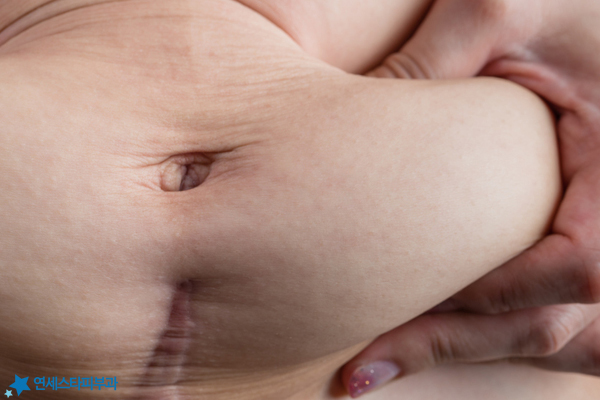
Liposuction involves small incisions and skin damage during the process of inserting a cannula to remove fat. During recovery, red marks or hyperpigmentation may remain, or the marks may settle as indentations where the skin appears sunken, or as raised keloids.
Especially for individuals with a keloid predisposition, the incision site may thicken and rise, and may not easily subside. This is why the recovery pattern varies from person to person, even after receiving the same procedure.
What Type of Scar Do I Have?
Liposuction scars do not appear in just one form. The approach varies depending on the shape and depth, so the starting point is to first identify which type it most closely resembles.
- Depressed type: Scars where the skin appears sunken inward
- Red marks, hyperpigmentation: Discoloration commonly seen in the early stages of recovery
- White scars: Scars that have lost color over a long period of time
- Raised scars, keloids: Forms that rise above the incision line
- Complex scars: Multiple of the above forms present in one area

As the shape and depth of scars vary from person to person, the treatment method is also adjusted to each individual's condition rather than being fixed to one approach. Similar concerns lead to similar conclusions in the stage-by-stage changes of surgical scars or the recovery process of cosmetic surgery scars.
When is the Best Time to Start Laser Treatment for Liposuction Scars?
Generally, laser treatment is considered approximately 4 to 6 weeks after surgery, once the wound has healed and scabs have fallen off. Until then, it is considered a period for sufficient rest and managing the body to return to a stable state.
Scars are reported to tend to harden and darken over time. Therefore, early assessment and management can influence the subsequent course.
Many people worry that the marks might worsen while waiting. However, there are options that can be applied depending on the situation, from approaches that help prevent the scar from getting larger in the early stages, to lasers that boost skin regeneration later on. Therefore, it is better to consult with a specialist first rather than making a judgment alone.
If you are curious about the treatment timing, please check your current condition by inquiring about liposuction scar treatment timing via chat consultation.
Approaches Differ by Scar Type

If the type is different, the target is different, and if the target is different, the equipment used is also different. The table below summarizes the typical types of liposuction scars and the approaches considered for them.
| Scar Type | Main Target | Approach Considered |
|---|---|---|
| Red scars, early keloids | Blood vessels, redness | Vbeam Prima |
| White scars, depressed scars | Dermal layer regeneration | StarLux, Ultrapulse Alpha |
| Keloidal scars | Fibroblast proliferation | Combined laser and injection |
| Hyperpigmented scars | Melanin, skin tone | Combined toning, such as PicoWay |
For red scars, the approach is to reduce redness and even out skin tone with Vbeam Prima, which targets blood vessels. Starting in the early red mark stage can make it easier to manage the recovery process.
For white scars or depressed scars, equipment such as StarLux and Ultrapulse Alpha are considered, which deliver energy to the dermal layer to aid in collagen remodeling. The focus is on restoring elasticity in areas with uneven texture or hardened areas that have remained for a long time.

Combination Treatment is Key for Keloids and Hyperpigmentation
Keloids tend to grow larger due to constitutional factors or in frequently moving areas like the armpits, arms, or waist. In such cases, a combination of laser and injection therapy is often recommended.
- Keloid injection: Focuses on suppressing excessive fibroblast proliferation to flatten raised scars
- Laser treatment: Plays a role in refining redness and thickened scar texture
- Performing both together can reduce the burden of recurrence and help with maintenance
- The number of sessions and intervals may vary individually depending on the area and constitution
In the clinic, keloidal scars are often approached in stages, considering the progression of keloid scars rather than ending with a single treatment. If the degree of elevation is clear, Triamcinolone Scar Injection is combined, and if the incision itself is wide and deep, Surgical Scar Revision may also be considered.
For hyperpigmented liposuction scars, meaning dull marks around the treated area, toning lasers like PicoWay are combined to brighten and even out the surrounding skin tone.

Key Takeaways
Liposuction scars tend to harden and become more noticeable over time, making early, appropriate management crucial. Combining equipment and methods according to skin condition—such as vascular-targeted lasers for red scars, dermal regeneration lasers for depressed or white scars, and combined injections for keloids—can lead to a more stable outcome.
However, even for the same type, results may vary individually depending on the depth, area, and constitution of the scar. Therefore, it is important to accurately assess your current condition first, rather than making a self-diagnosis.
💬 Consult Now
Chief Director Lee Sang-ju (MD, PhD, Yonsei University College of Medicine and Graduate School, completed dermatology residency at Severance Hospital, President of the Korean Dermatological Association) Chief Director Lee Sang-ju's Profile First published 2025-11-06 / Last reviewed 2026-06-16
This content is for general information purposes only, and the condition and treatment progress of scars may vary from person to person. Please consult with medical staff for an accurate diagnosis and treatment plan.