

If you've started to notice dark brown spots on your face every time you look in the mirror, the first question that comes to mind is probably, "Is this just melasma, or is it another type of pigment?" To answer directly, lentigo is a type of pigment spot that differs from melasma or freckles, so a different approach is needed for effective removal.
How does lentigo differ from other blemishes?
Although they may look similar, pigment spots on the face vary in type, including melasma, freckles, seborrheic keratosis, and lentigo. Among these, lentigo is a representative pigment spot, primarily caused by UV exposure from sunlight, genetic factors like hormonal changes, and the aging process.
Lentigo typically has a relatively clear border and tends to darken over time, making it quite noticeable. Many people seek medical help for the difficulty of facial lentigo removal. If you have similar pigment concerns, it's advisable to check your condition along with Epidermal Pigment Removal for melasma, seborrheic keratosis, and freckles.
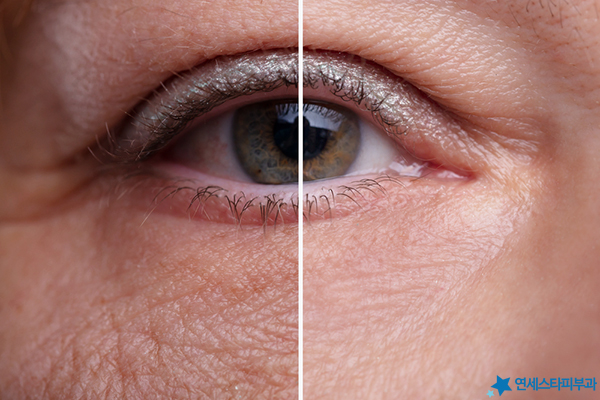
It may not just be a simple cosmetic issue
When pigment becomes noticeable, it can make one look older and give the impression of dull skin. Even from a purely aesthetic perspective, it's not desirable.
However, in some cases, it's not just about dull skin. Although rare, it can be a sign of a health warning, so active facial lentigo removal management is needed rather than simply neglecting it.
If pigment spots suddenly change color or increase in size, it is safer to consult a medical professional for diagnosis rather than self-diagnosing.
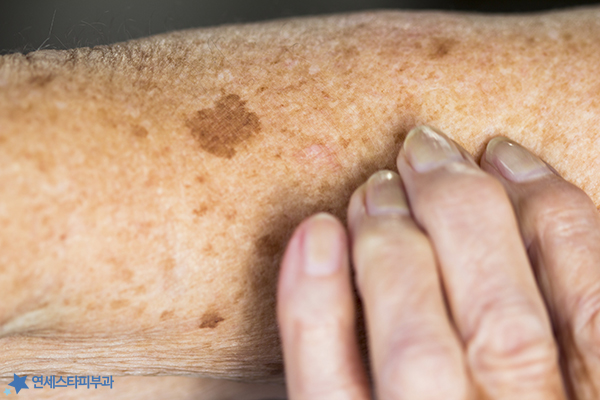
Why is lentigo so hard to remove?
Lentigo is a challenging pigment problem that is quite firm and deep-rooted, making removal difficult. Toning, one of the common pigment management methods we often use, has weak energy, making it hard to destroy firm lentigines.
However, simply increasing the laser intensity indiscriminately can be risky, as it may worsen hyperpigmentation due to strong light or lead to side effects like hypopigmentation, where the pigment is excessively destroyed, causing the skin to turn white.
In the clinic, even with the same lentigo, the approach varies from person to person depending on the depth, location, and skin condition. Therefore, it is crucial to plan the type and intensity of the laser, skin condition, and treatment cycle carefully. It seems simple but is difficult to remove and often requires a long period of pigment treatment, leading to significant stress.
How is RePott Laser different?
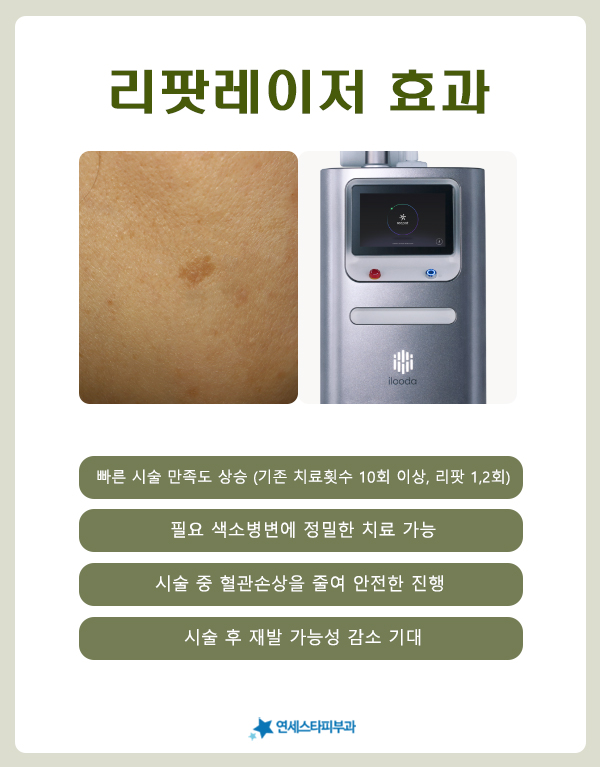
In the past, such a treatment method might have seemed like a dream, but the recent emergence of RePott Laser, which allows for a similar approach, has garnered attention. It can be considered for epidermal pigment concerns like lentigo or seborrheic keratosis.
The characteristics of RePott Laser are reported as follows:
- Can selectively treat pigment lesions while safely protecting blood vessels
- Relatively low burden of pain or erythema after the procedure, allowing for comfortable daily life
- Can feel changes with fewer sessions compared to existing pigment treatments that required 10 or more sessions
- For shallow epidermal lesions, changes can be expected with 1-2 sessions
Of course, effects and number of sessions may vary by individual, so a plan tailored to your skin condition is paramount.
If dermal pigment or melasma is mixed in
For lentigo that has occurred relatively shallowly in the epidermis, facial lentigo removal can be expected with 1-2 sessions. However, if the pigment has settled into the dermis or if various problems such as melasma are mixed in, a method of restoring bright skin by combining pigment lasers suitable for the lesion, such as PicoWay Laser, is considered. If melasma and pigment concerns overlap with lentigo, a comprehensive plan is needed rather than a single treatment.
After RePott Laser treatment, the results can vary depending on post-treatment care, so please refer to the information below.
If you are curious about the type of pigment concern you have or the best approach, please use chat consultation for facial pigment treatment.

Post-Procedure Care Checklist
Maintaining treatment effects requires diligent post-procedure care. Please remember these four points:
- UV protection is a major factor in pigment problems. After the procedure, your skin is weakened and vulnerable to UV rays until new skin grows, so apply sunscreen when going out, even on cloudy days, and add sunglasses or a hat on sunny days.
- Maintain regeneration patch, it is important to keep the DuoDERM regeneration patch attached for at least 2 weeks after the procedure.
- Avoid irritation, do not scratch or artificially remove the patch to prevent additional irritation to the damaged area; maintain it as is.
- Moisturizing and regeneration care, after removing the patch, using a regeneration cream or ointment can help strengthen the skin barrier.

The regeneration patch protects the damaged area from external irritation while it heals. Artificially removing it can delay recovery, so please ensure it stays on naturally.

Why are moisturizing and regeneration important?
After the procedure, the skin tends to become much drier than usual. To speed up recovery, good moisturizing must be maintained. Using a regeneration cream or ointment after removing the patch can help strengthen the skin barrier.
As there are many products available, it would be beneficial to consult after the RePott procedure to find products suitable for you.

Why thorough checking is needed at the beginning
Many people have undergone various procedures for facial lentigo removal before or have not seen satisfactory results with unverified home remedies. Since unexpected worsening of the condition can prolong treatment time, thorough checking is necessary, if possible, when starting for the first time.
To accurately determine how lentigo differs from melasma and seborrheic keratosis, and which treatment is right for your skin, direct consultation is essential.
| Pigment Type | Key Characteristics | General Approach |
|---|---|---|
| Lentigo | Clear borders, firm and deep | Pigment laser tailored to the lesion |
| Melasma | Blurry borders, can extend to dermis | Gradual management with low-irritation toning, etc. |
| Seborrheic Keratosis | Often raised surface | Primarily epidermal pigment removal |
If you are curious which type of pigment your condition is closer to, you can first check through facial lentigo removal consultation chat.

In summary
Lentigo is a pigment problem that can darken over time. As it is firm and deep-rooted, a plan tailored to the skin condition and pigment depth, rather than just increasing intensity, determines the outcome. We hope this information has been helpful in addressing your pigment concerns.
Sang-Joo Lee, Chief Director (MD, PhD, Yonsei University College of Medicine and Graduate School, Dermatology Resident at Severance Hospital, President of the Korean Society for Dermatology) Dr. Lee Sang-Joo's Profile First published 2025-04-15 / Last reviewed 2026-06-16
The above content is for general information purposes only, and treatment effects and progress may vary by individual. We recommend consulting with medical staff for an accurate diagnosis and treatment plan.