
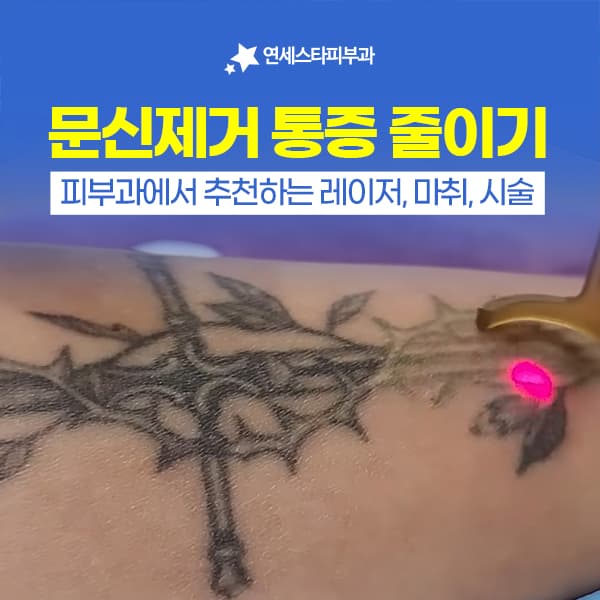
Many people get tattoos, from initials and lettering to small designs and even semi-permanent makeup for convenience. However, if they change their mind or the original design doesn't remain intact, the time may come to remove it. When faced with removal, many delay the decision due to concerns about pain during the procedure. In this article, we will explain why tattoo removal pain occurs and how equipment selection and anesthesia methods can help reduce it.
Why people say it hurts more to remove than to get a tattoo
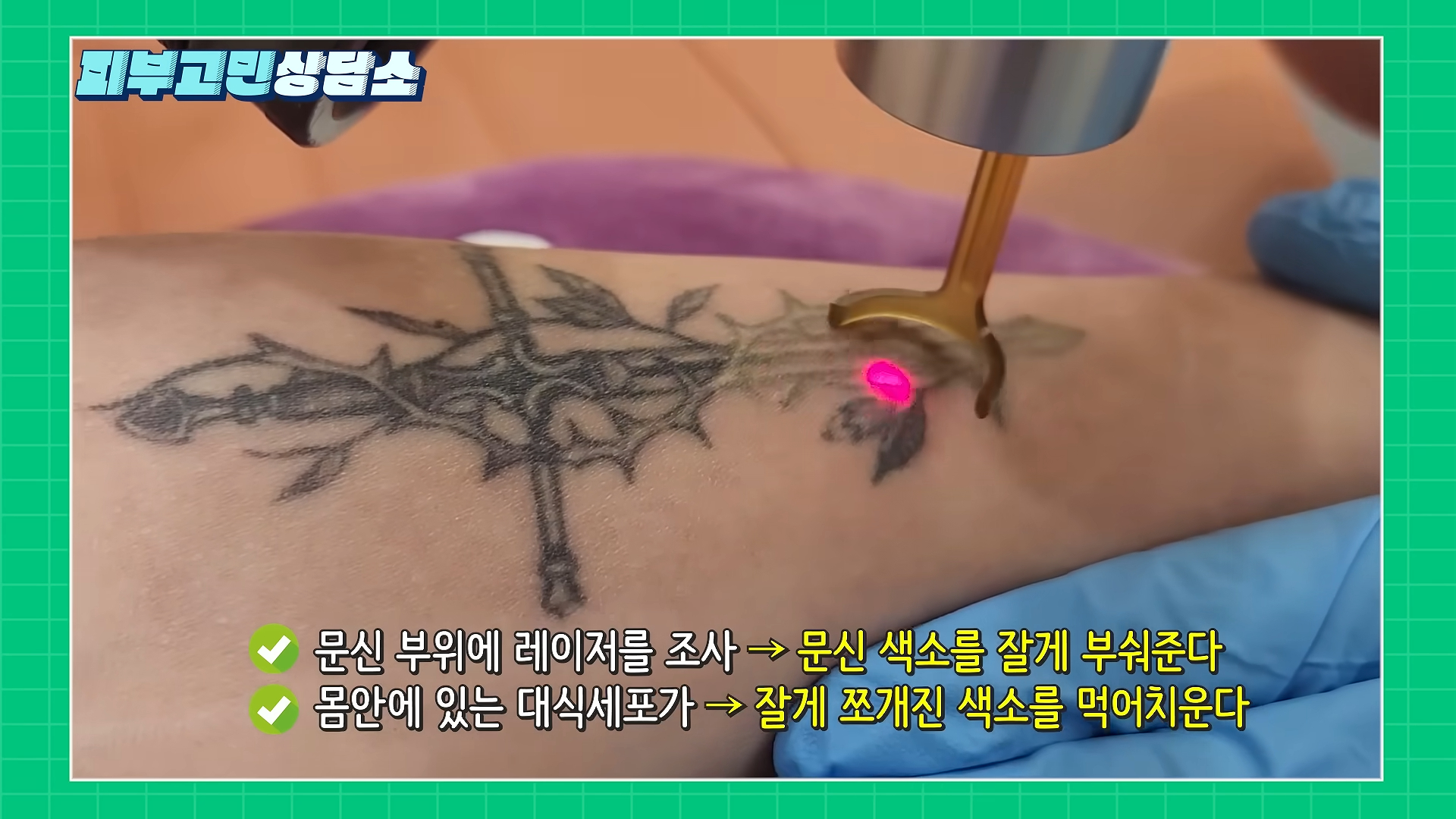
Most tattoo removals today are performed with lasers. As the laser penetrates the dermis to break down pigment, it can cause stinging or burning sensations, leading to the saying that removal hurts more and takes longer than getting the tattoo. Many people hesitate due to fear of tattoo removal pain, so it's advisable to consider carefully before deciding to get a tattoo.
Laser treatment has become an established method for relatively quick and safe pigment removal, but caution is needed as inadequate care during or after the procedure can lead to blisters or scars beyond just pain. Fortunately, recent advancements in laser techniques and anesthesia methods have diversified the options for safely removing pigment while reducing laser tattoo pain.
Why does tattoo removal pain occur?
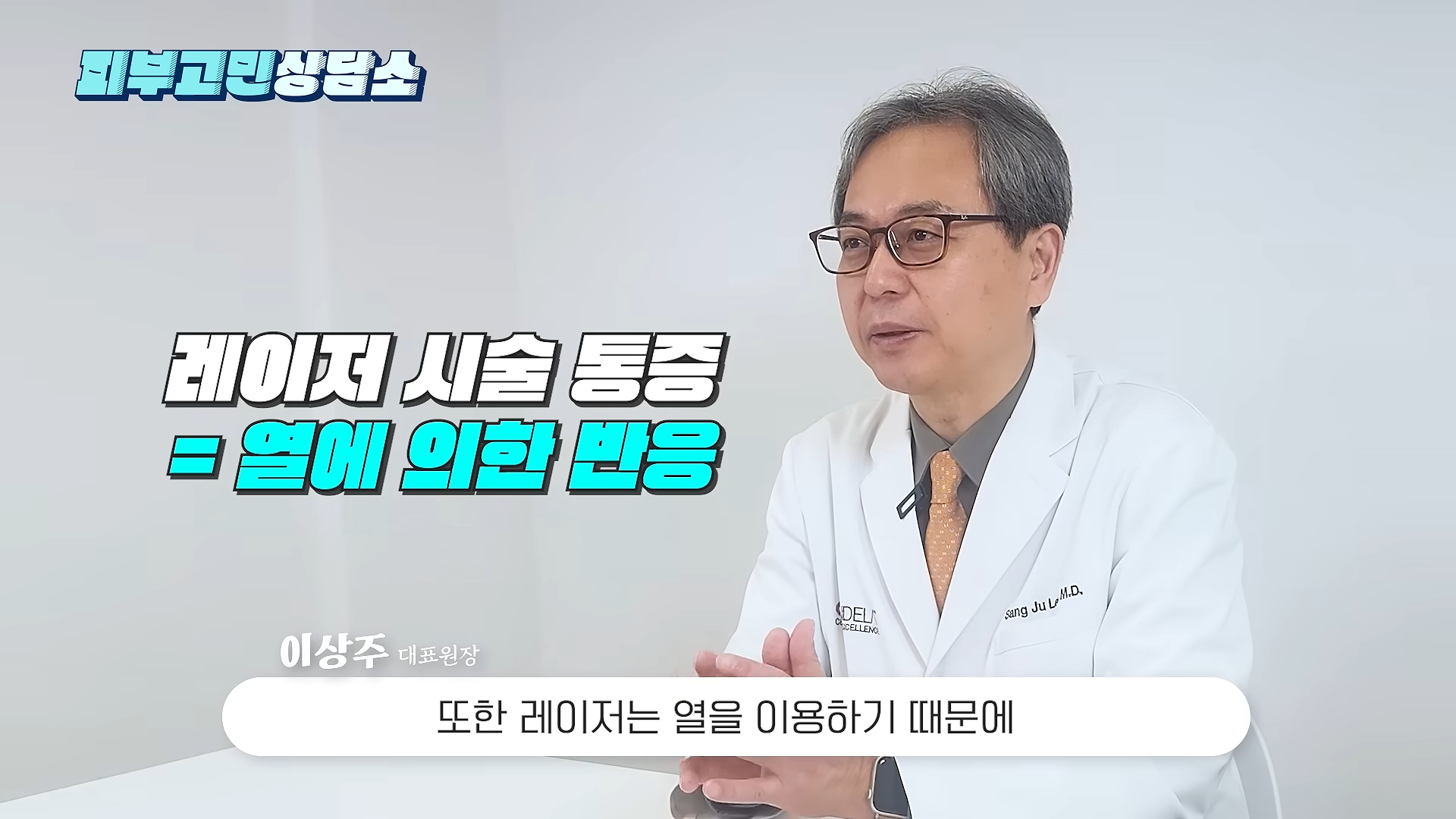
Tattoo removal lasers deliver short, powerful energy to the dermis to instantly break down pigment particles in the skin. This stimulates skin tissue, causing pain. The pain may be felt more intensely if the pigment is darker or covers a larger area, or in areas where the skin is thin and close to bone, such as the wrists and ankles.
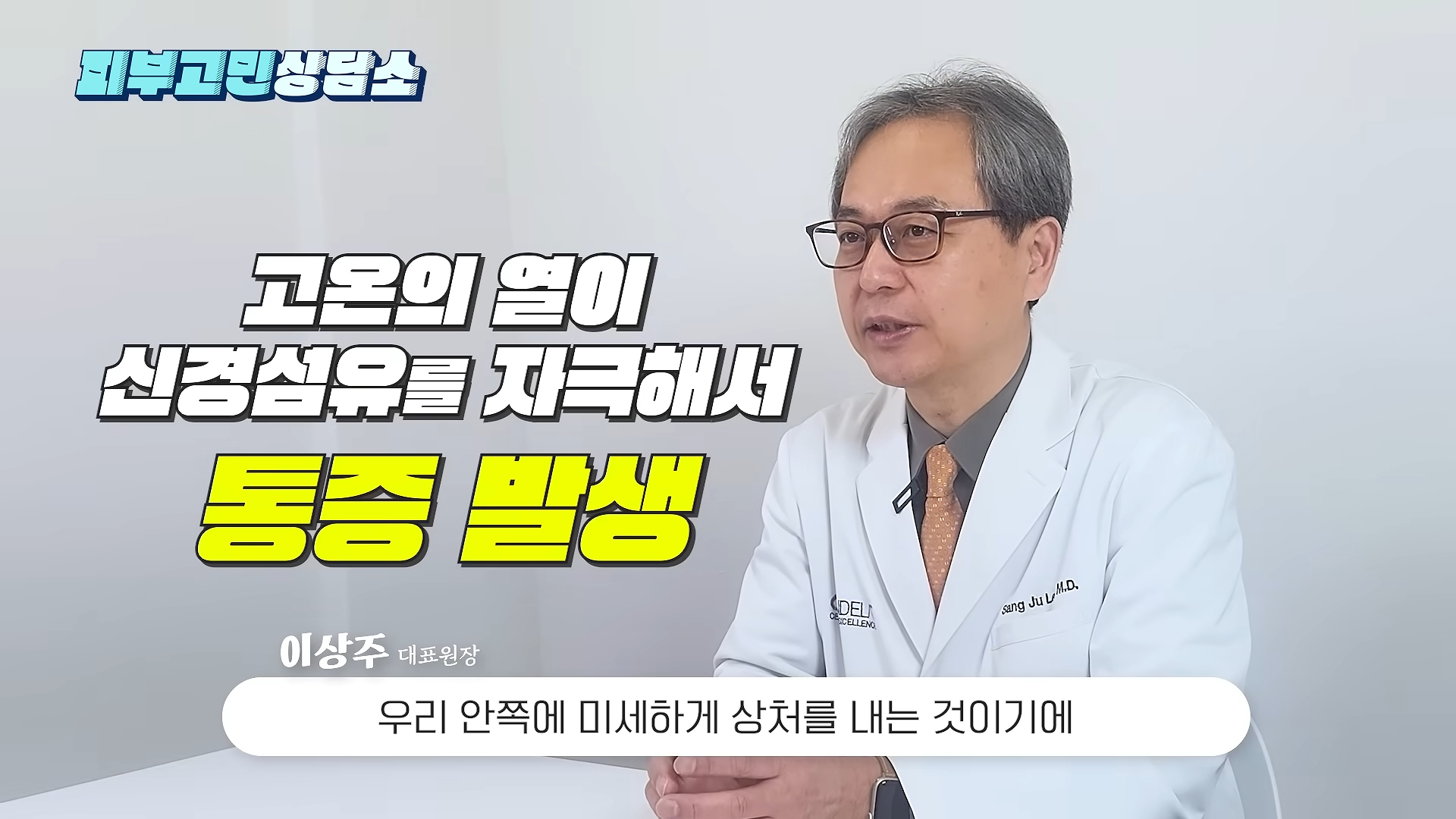
After the procedure, the treated area may experience heat and redness. If left untreated or excessively stimulated, this can lead to blisters or scars. Applying the laser too strongly to finish quickly, or setting intervals too short without considering the skin's recovery time, can also cause side effects. Therefore, it is important to consult with a dermatologist to establish a safe treatment plan.
Reducing laser tattoo pain through equipment selection
Equipment and method selection play a significant role in managing tattoo removal pain. Among tattoo removal lasers, the R-Zero Technique allows for continuous treatment by quickly resolving the bubbling phenomenon that occurs in the skin during laser irradiation. Without excessively increasing intensity, it can more effectively break down pigment in a single session, which helps reduce the overall number of sessions and time, and consequently, lowers the pain burden accumulated from repeated treatments.
Recently, picosecond lasers are widely used. Among them, PicoWay is a device that breaks down pigment into very small particles with ultra-short pulse energy in units of one trillionth of a second. It can use four different wavelengths, allowing for the application of appropriate wavelengths for multi-colored tattoos. Compared to traditional nanosecond lasers, it generates less heat and precisely shatters pigment, which can reduce laser tattoo pain and increase removal speed, leading to high patient satisfaction.
Reducing tattoo removal pain with anesthesia
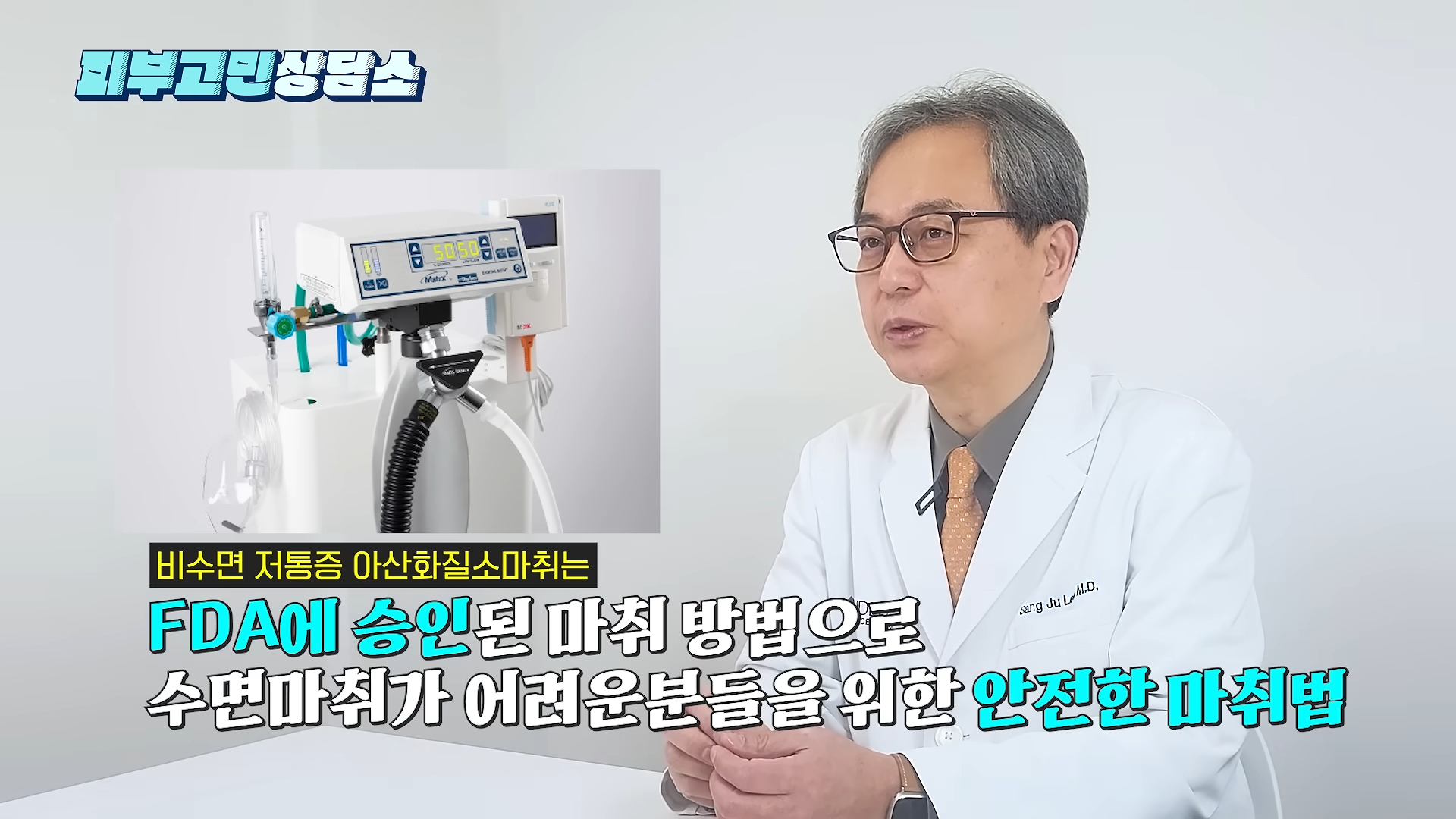
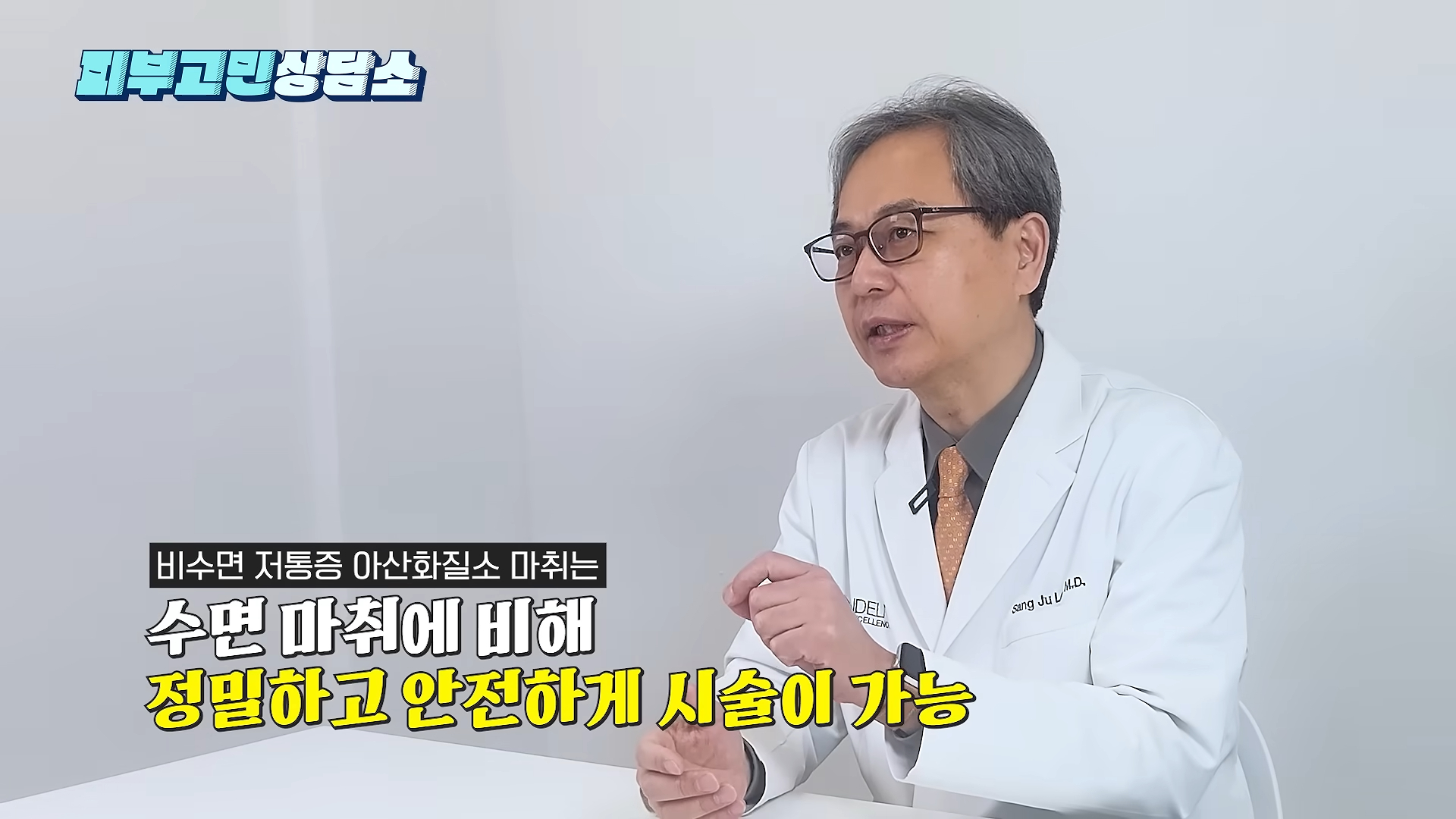
Many people also consider anesthesia for pain management during the procedure. Among various methods, nitrous oxide anesthesia is one of the safely used non-sleep options. It is inhaled with oxygen, allowing for pain and tension relief while remaining conscious.
Nitrous oxide is widely used in dentistry, pediatrics, obstetrics, and gynecology, in addition to tattoo removal. Advantages include being able to communicate with medical staff without being fully asleep, reducing pain while maintaining treatment precision and safety, and a quick return to daily life after the procedure.
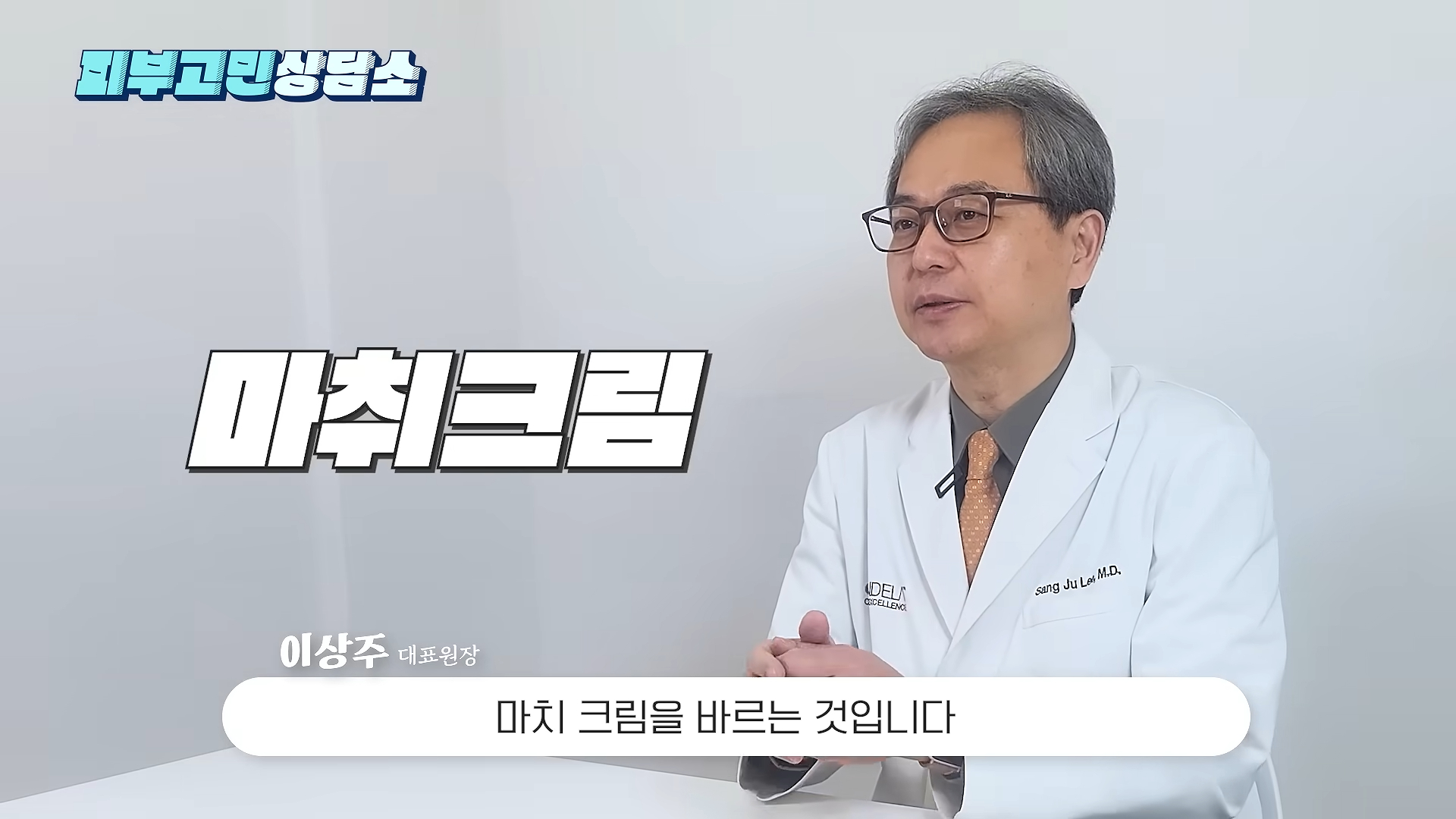
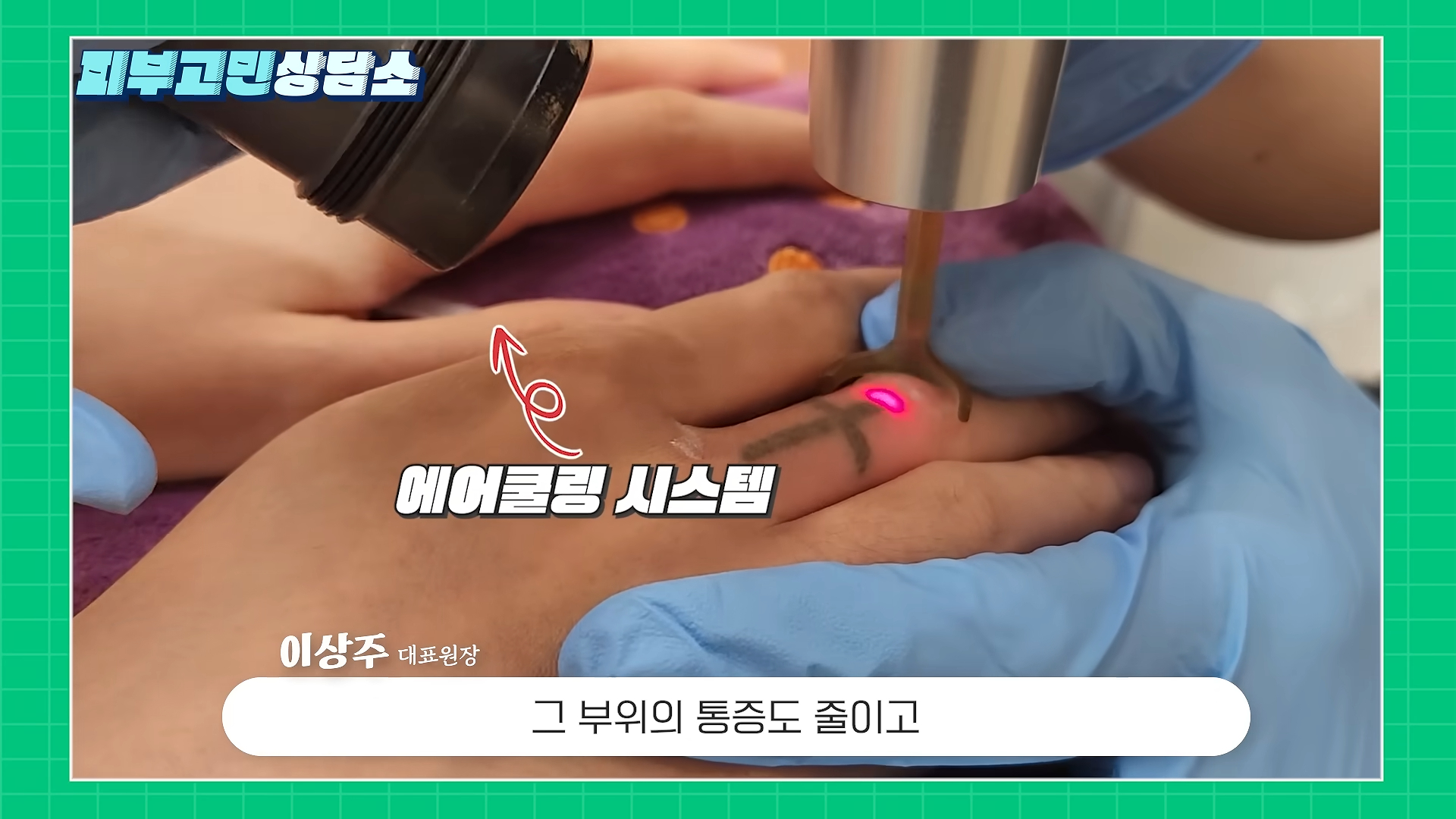
In addition, pain relief methods such as topical anesthetic cream and air cooling systems are also used. It is important to combine appropriate methods based on individual pain sensitivity, treatment area, and health condition, applying them without overdoing it.
In summary
The moment comes when tattoos need to be removed for various reasons. However, if you cover them with makeup or get a cover-up tattoo because you're worried about the time it will take or the pain of tattoo removal, it can actually make removal even more difficult. Rather than delaying due to concerns about tattoo removal pain, discussing equipment and anesthesia methods suitable for your tattoo condition and skin type with a specialist is the path to safe and satisfactory results. If you have any questions, you can check through consultation inquiry.
Author · Representative Director Dr. Lee Sang-joo / Dermatologist As the representative director of Yonsei Star Dermatology Sinchon, he provides comprehensive skin treatments including skin boosters, scars, and pores. Detailed career history can be found in Medical Staff Profile. · Last reviewed September 14, 2026
This article is intended to provide general medical information, and treatment effects and downtime may vary depending on individual skin conditions. Please consult with a dermatologist for an accurate diagnosis and treatment plan.