

When you touch your ear, you feel a small lump, and over time, it feels increasingly hard and larger. For those experiencing these changes, the first question that comes to mind is likely, "Is this just a scar, or is it a keloid that needs treatment?" To put it simply, if the lump grows or is accompanied by itching and pain, it could be an ear keloid, and it's advisable to seek medical attention.
Piercings, Ear Wounds, and the Start of Keloids
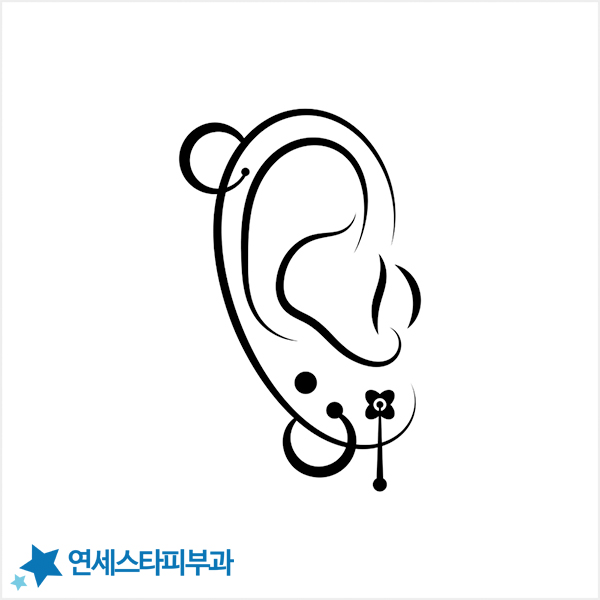
Piercing is a popular way to adorn earlobes or cartilage, but it ultimately involves creating a wound and a hole in the body. It requires the hassle of managing it to prevent infection in the initial stages and consistently keeping it clean.
In the cold and dry winter, wound care is relatively easier, making ear piercing less burdensome. However, this does not mean it is completely safe. If a piercing is done incorrectly or inflammation is not managed properly, discharge may occur, or significant pain may be felt.

For some individuals, a scar may remain at the wound site. If a small lump felt when touching the ear continues to grow to a visible size and inflammation persists, it may be necessary to suspect an ear keloid rather than a simple scar.
Why Are Ear Keloids Different?
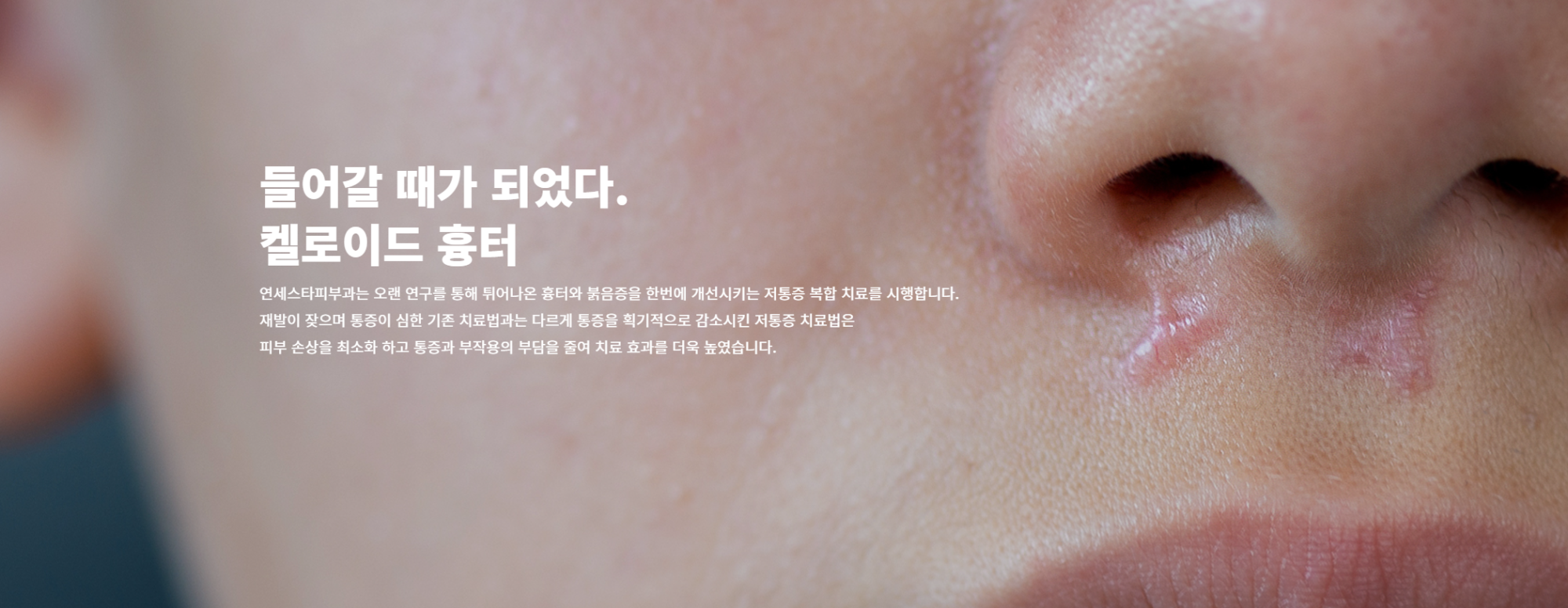
Keloid scars can occur in various parts of the body due to a specific constitution. Among these, keloids that form on the ear exhibit slightly different characteristics from typical scars. They start as small, inconspicuous growths but continue to enlarge into a tumor-like shape.
Initially, many people dismiss it, thinking, "It's nothing, it will get better with time," only to seek treatment much later after it has grown into a large mass.
Due to this progression, it is important to notice changes early. In the clinic, we often see patients who visit when the lump has hardened and darkened in color.
Surgical Removal: What You Should Know
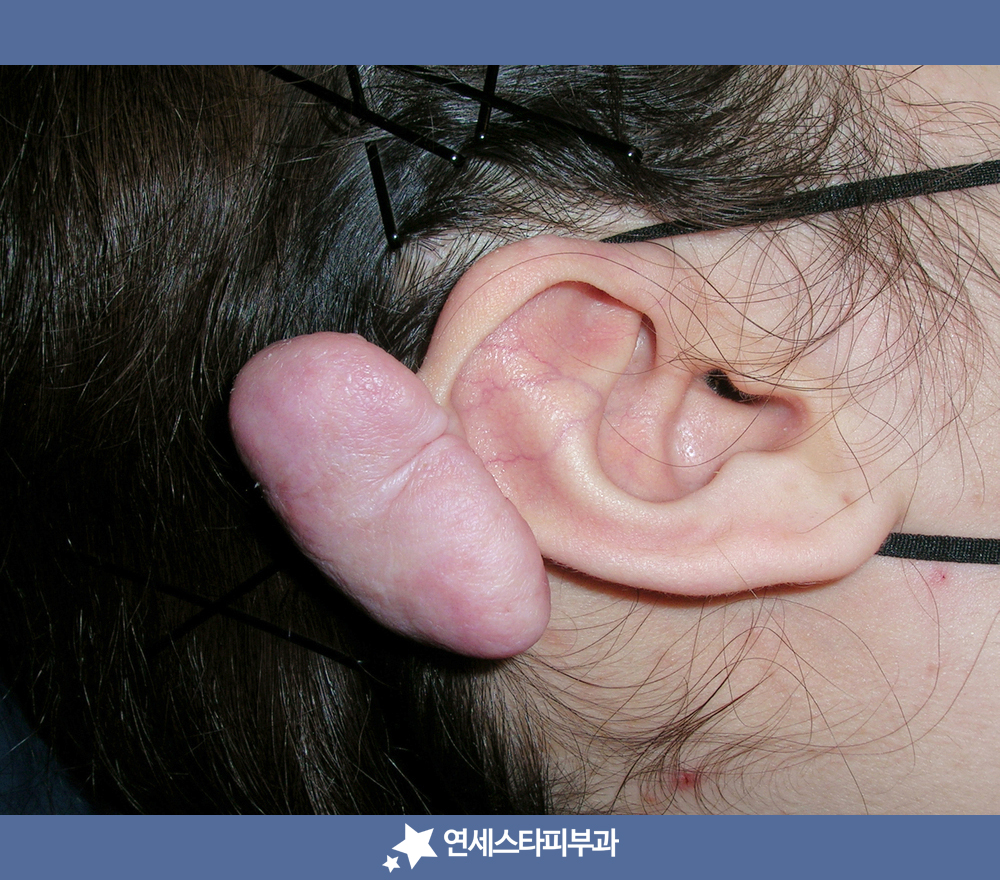
Some choose surgical methods to quickly remove the protruding, bean-like area. While this method removes the scar tissue at once, it carries a high risk of recurrence, so caution is needed.
It is also important to consider that the ear shape may change during the cutting process, or another scar may form at the surgical site. Therefore, when deciding on a treatment plan, it is good to consider the following points in advance:
- Size and location of the keloid, and its growth rate
- Possibility of recurrence and a management plan for it
- Possibility of ear shape deformation
- Time required to return to daily life after the procedure


How is Laser Treatment Performed?
Laser treatment is precisely performed with a fine thickness of thermal energy, resulting in a relatively clean outcome. Using a CO2 laser like Ultrapulse Encore, it can be applied only to the problematic area, making the procedure time short and allowing for minimal disruption to daily life.
If you are curious about scar treatment options, referring to Keloid Scar Information and Laser Lesion Removal can help you understand.

Often, people think that laser treatment requires multiple repetitions to see an effect. However, ear keloid excision can sometimes be performed in a single session. If left untreated, it can grow larger over time, so we recommend seeking medical attention before it's too late.
You can check any questions you have first by contacting us via chat for ear keloid treatment.


Combining Laser and Injections to Reduce Recurrence
The biggest challenge in keloid treatment is the high recurrence rate. Yonsei Star Dermatology Sinchon has a management process to reduce this probability and maintain the improved state for a long time. After laser treatment, the condition is checked approximately every 6 months, and low-pain injection therapy is combined to prevent inflammation from recurring.
Utilizing both methods together can help to clear ear keloids that are attached like lumps, even without surgery, and the injection components help to suppress excessive proliferation of fibrous tissue.
The effectiveness of combined laser and injection treatment has been reported twice, in 2010 and 2017, and serves as a reference for establishing treatment directions.
As treatment effects and duration may vary by individual, it is best to confirm a plan tailored to your condition through consultation with medical staff.


If You Notice These Signs, Seek Medical Attention
When self-checking changes in your ear, the following items may be helpful to review:
- The scar area is persistently itchy
- Pain continues steadily
- The lump or mass feels like it is growing larger
- The color darkens or it becomes harder
If you notice these signs, it is advisable to visit a hospital for an accurate diagnosis and to begin treatment. If you are curious about overall scar management, you can also refer to Cosmetic Surgery Scar Treatment Information and Triamcinolone Scar Injection.
If you are deliberating between surgery and a procedure, we recommend consulting to determine the direction before making a decision.
💬 Consult Now

Chief Director Lee Sang-ju (MD, PhD, Yonsei University College of Medicine and Graduate School, completed dermatology residency at Severance Hospital, President of the Korean Dermatological Association) Chief Director Lee Sang-ju's Profile First published 2024-12-05 / Last reviewed 2026-06-16
This content is for general information purposes only, and as treatment results and progress may vary by individual, please confirm an accurate diagnosis and treatment plan through consultation with medical staff.