

After being bitten by bed bugs, two main concerns often arise: whether the itchy marks are indeed from bed bugs, and whether they will leave scars. To put it simply, most bed bug bites subside over time, but scratching can lead to secondary infection, and depending on individual constitution, red marks and hyperpigmentation may remain.
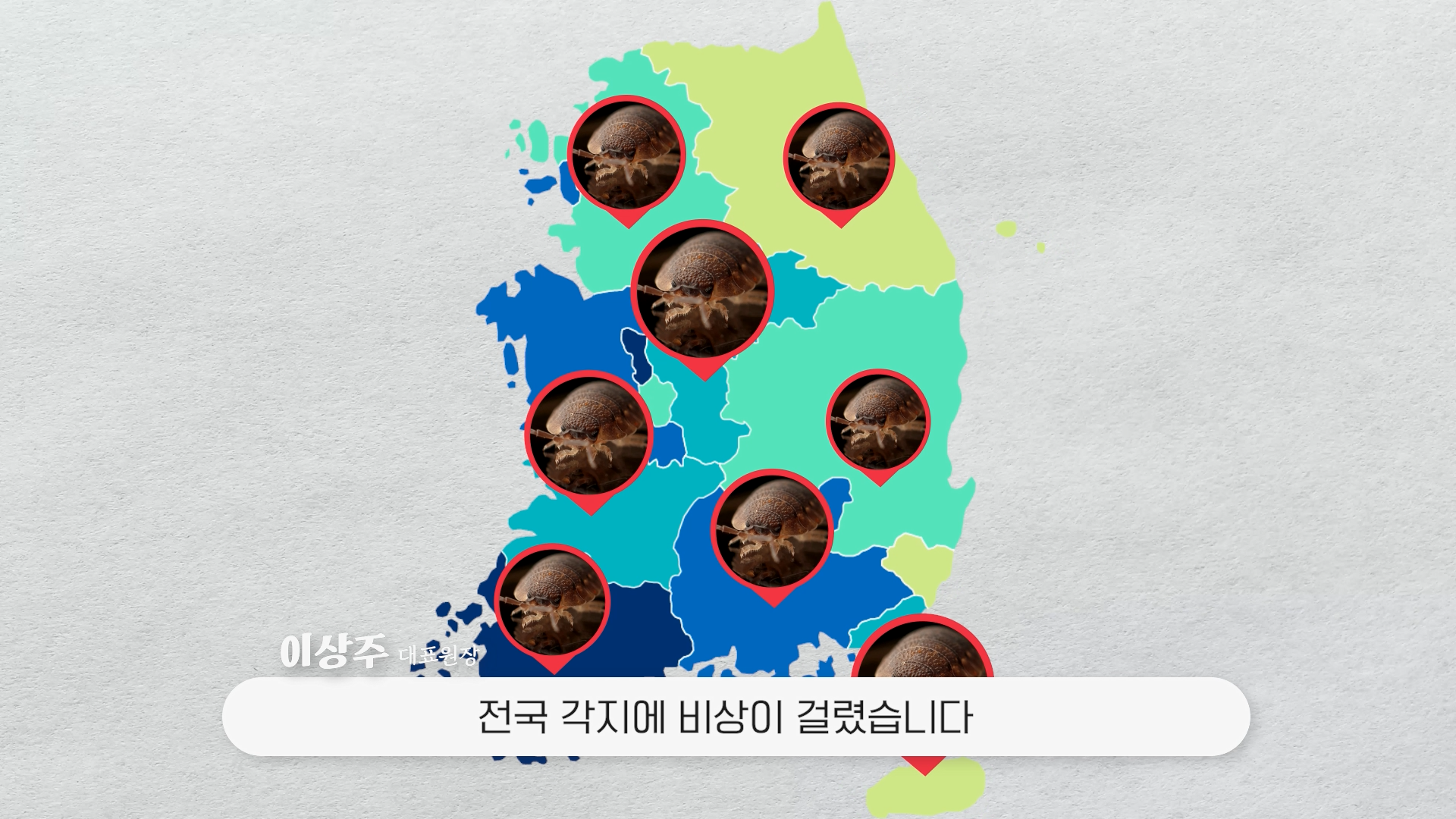
Bed bugs, blood-sucking pests, have reappeared in Korea after 50 years, causing a nationwide alert. Also known as 'bed bugs,' in the past, many people visited clinics to treat bites acquired during trips to Europe or Southeast Asia. However, with recent sightings in public transportation and spaces, there's been a significant increase in people wondering how to respond when bitten.
What do bed bug bites look like?
Bed bug bites are characterized by redness around the area and accompanying itchiness. Since bed bugs move across the skin while biting, if you see three or four marks in a line or arranged in a zigzag pattern, you should suspect bed bug bites.
Bed bugs are primarily active in the evening. Therefore, marks are often found on the abdomen, hands, arms, and legs, areas easily exposed when a person is sleeping. Experiencing severe itchiness along with simple red erythema is also a characteristic of bed bug bites.
How are they different from mosquito bites?
Bed bug and mosquito bites differ slightly in appearance. In the clinic, surprisingly many people confuse the two, but comparing them with the table below makes distinction much easier.
| Category | Bed Bug Bites | Mosquito Bites |
|---|---|---|
| Mark Shape | Linear or zigzag, continuous | Usually single, isolated |
| Number | Three or four in a row | Scattered, as many as bites |
| Primary Biting Time | Evening, during sleep | Any time |
| Accompanying Symptoms | Red erythema and severe itchiness | Red swelling and itchiness |
Mosquito bites typically cause severe itching and red swelling at the site, but it's rare for them to appear in a continuous line like bed bug bites. Conversely, if you have three or four marks in a row, appearing as if they crawled up the skin, it's better to suspect bed bugs first.
What you can do at home when bitten
Most bed bug bites heal naturally over time. However, if severe itching leads to scratching, the wound can open, allowing bacteria to enter and cause secondary infection. Therefore, proper management beforehand is important.
- Relieve the itchiness first to avoid scratching. Products that cool the area, like insect bite balms, can help.
- If the itching is so severe that it disrupts sleep, apply a cold ice pack briefly.
- When using ice, apply it until the skin feels cold, then remove and reapply. Prolonged application to one spot carries a risk of frostbite.
- Be careful not to scratch the marks directly with your hands, which can worsen the wound.
- If symptoms do not subside, consult a doctor rather than arbitrarily increasing medication.
Most bed bug bites self-heal, but the moment you can't resist scratching is the most common cause of scarring.
If the itching is severe or you desire more definitive management, oral antihistamines may be used under medical judgment, and steroids may be briefly combined if necessary. Ointments to relieve itching or antibiotics may also be used on the bite area. The medication used varies depending on symptoms and individual condition, so consulting a doctor is safer than self-diagnosing.
If you are unsure whether the bite marks are from bed bugs or what medication to use, please use Inquire about bed bug bites.
Can the marks leave scars?
Not everyone bitten by bed bugs will develop scars. However, individuals prone to scarring due to their constitution may develop reddish-brown marks or hyperpigmentation at the bite sites. It is reported that areas frequently scratched due to unbearable itching tend to leave marks for a longer time.
While these reddish-brown marks or hyperpigmentation can naturally fade over time, it can take a long time or they may not disappear easily. In such cases, Epidermal Pigment Removal can offer relatively quick improvement. If redness is prominent, RePott Laser for red marks may be considered, and if hyperpigmentation is widespread, a Customized Whitening Solution for pigment management may be included. However, the appropriate method depends on the condition of the marks and skin type, so a diagnosis is paramount.
When should you visit a dermatologist?
If the bite marks subside within a few days and the itching is tolerable, you can manage them at home and observe the progress. However, if any of the following apply, we recommend visiting a nearby dermatology clinic for a consultation:
If the itching is so severe that it's difficult to sleep, if there's oozing or swelling suggesting secondary infection, or if the marks remain as dark reddish-brown and seem to be solidifying into hyperpigmentation. In such cases, consulting with a dermatologist and receiving appropriate treatment for your symptoms can aid recovery. Our clinic offers personalized treatment guided by 1:1 consultations with five dermatologists.
If you are concerned about remaining marks, rather than worrying alone, we recommend getting your condition checked first through Inquire about scars and hyperpigmentation.
Chief Director Lee Sang-joo (MD, PhD, Yonsei University College of Medicine and Graduate School; completed dermatology residency at Severance Hospital; President of the Korean Dermatological Association) Chief Director Lee Sang-joo's Profile First published 2023-11-20 / Last reviewed 2026-06-16
This article is for general information purposes only. Symptoms and recovery processes may vary by individual, and accurate diagnosis and treatment require consultation with medical professionals.