

Many people experience their face feeling tight after washing in winter, and their normally healthy cheeks becoming flaky. The first question that comes to mind is usually similar: "Will just applying moisturizing cream properly solve the dryness?" To answer directly, choosing the right cream is certainly important, but before that, understanding why your skin becomes dry is essential to avoid repeating the same concerns.
Dry Skin: Why It Occurs and Persists
Dry skin can be seen not just as a state of lacking moisture, but as a condition where the skin's internal barrier is weakened, making moisture evaporate easily. During seasons with strong winds or dry indoor heating, frequent washing and exfoliation can thin the skin's surface, accelerating moisture loss.

The problem is that once the barrier is weakened, it takes time for it to recover on its own. If components like ceramide, cholesterol, and filaggrin, which constitute the skin barrier, are insufficient or damaged, the skin can become sensitive to external stimuli, potentially leading to persistent dryness accompanied by tightness and roughness.
Signs of a Compromised Barrier
In the clinic, patients often simply say "my skin is dry," but in reality, various signs of barrier damage are frequently present. If you experience the following changes repeatedly, it might be time to review your moisturizing habits and skin condition:
- Strong tightness and white flakes immediately after washing
- New stinging or redness when using previously compatible cosmetics
- Repeated itching that leads to unconscious scratching
- Makeup caking and smudging easily
- Moisture not lasting long over time
If redness or burning is prominent, it could lead to skin sensitive reactions like facial redness, so it's advisable to address it alongside barrier management.
Why is Moisturizing Cream Important for Dry Skin?
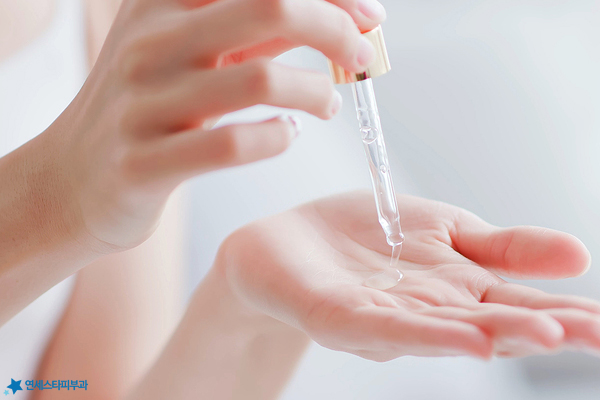
The reasons for using moisturizing cream when dry can be summarized into two main points. One is moisture supply and evaporation prevention. Creams containing ingredients that attract or hold moisture can slow down the rate at which moisture escapes from the skin. The other is supporting skin barrier recovery. Ingredients like ceramide and panthenol can help reinforce the barrier, which may contribute to alleviating flakiness, itching, and irritation caused by dryness.
Looking moisturized and staying moisturized are different. It is reported that considering sustainable hydration and barrier strengthening together can prevent dryness from recurring.
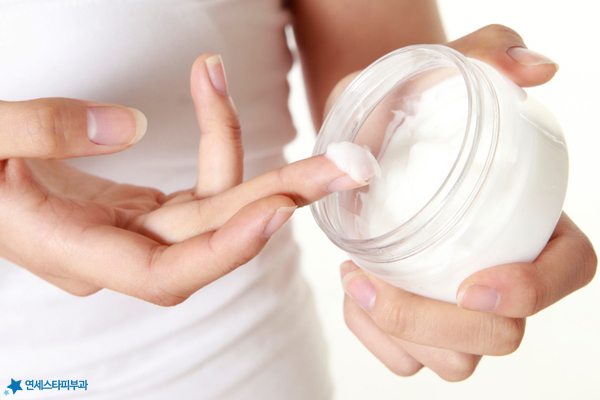
Therefore, it's necessary to view moisturizing cream not just as a product for immediate hydration, but as a tool to support the barrier.
For questions, inquire via chat consultation about dry skin care
Moisturizing Cream Selection Checklist
When choosing a moisturizing cream for dry skin, checking the following four points can be helpful:
- Ingredients: Check for moisturizing ingredients like ceramide, hyaluronic acid, and panthenol, and ensure irritating ingredients like alcohol, fragrances, and artificial colors are minimized.
- Texture and absorption: If too heavy, absorption might be slow and feel burdensome; if too light, a sufficient moisturizing film might not form.
- Skin reaction: It might sting slightly at first, but if itching or redness persists, it might not be the right product.
- Feel and longevity: Check if tightness returns after application and if the moisturizing effect lasts long.
Especially in strongly heated indoors or dry seasons, moisturizing longevity becomes even more important.
| Check Item | Recommended Direction | Points to Note |
|---|---|---|
| Ingredients | Ceramide, hyaluronic acid, panthenol | Minimize alcohol, fragrances, artificial colors |
| Texture | Balance of absorption and moisturizing film | Too heavy or too light formulations |
| Skin Reaction | Mild initial adaptation is possible | Persistent itching, redness |
| Longevity | Lasting moisture over time | Tightness returning quickly |
When Cream Alone Isn't Enough: Options to Consider
If tightness or roughness doesn't easily subside even with consistent moisturizing habits, you might consider an approach that addresses both internal skin moisture and the barrier. Water-Luminous Injection or Rejuran which addresses both skin texture and elasticity, are methods that can be discussed with a medical professional to progressively manage dry and rough skin. If dryness leads to bumpy, rough skin on the arms and legs, it's also advisable to check Keratosis Pilaris Treatment. However, which method is suitable can vary individually, so accurate skin condition assessment by a professional is paramount before self-diagnosis.
Small Daily Habits Ultimately Make a Difference
To manage dry skin, consistent small habits make a greater difference than just one moisturizing cream. This includes applying cream when moisture remains immediately after washing, being mindful of indoor humidity, and reducing excessive exfoliation that could cause irritation.

Especially in the dry winter, we hope you spend each day with moisturized and healthy skin. If you're curious about the right care direction for your skin, we recommend consulting with an expert rather than worrying alone.


Chief Director Lee Sang-joo (MD, PhD, Yonsei University College of Medicine & Graduate School, Completed Dermatology Residency at Severance Hospital, President of the Korean Dermatological Association) Chief Director Lee Sang-joo's Profile First Published 2025-11-12 / Last Reviewed 2026-06-16
This content is for general information purposes only, and skin conditions and reactions may vary from person to person. Accurate diagnosis and management direction should be determined through consultation with a medical professional.