


The wrist is a frequently exposed and highly visible area. This is why many people consider wrist tattoo removal due to social life or work environments.

Once you decide to remove it, worries often arise. Is it okay since the skin is thin? Will scars form? Can color tattoos also be erased? The wrist is indeed an area that requires a more delicate approach than other parts of the body due to its structure.
Why the wrist requires a delicate approach
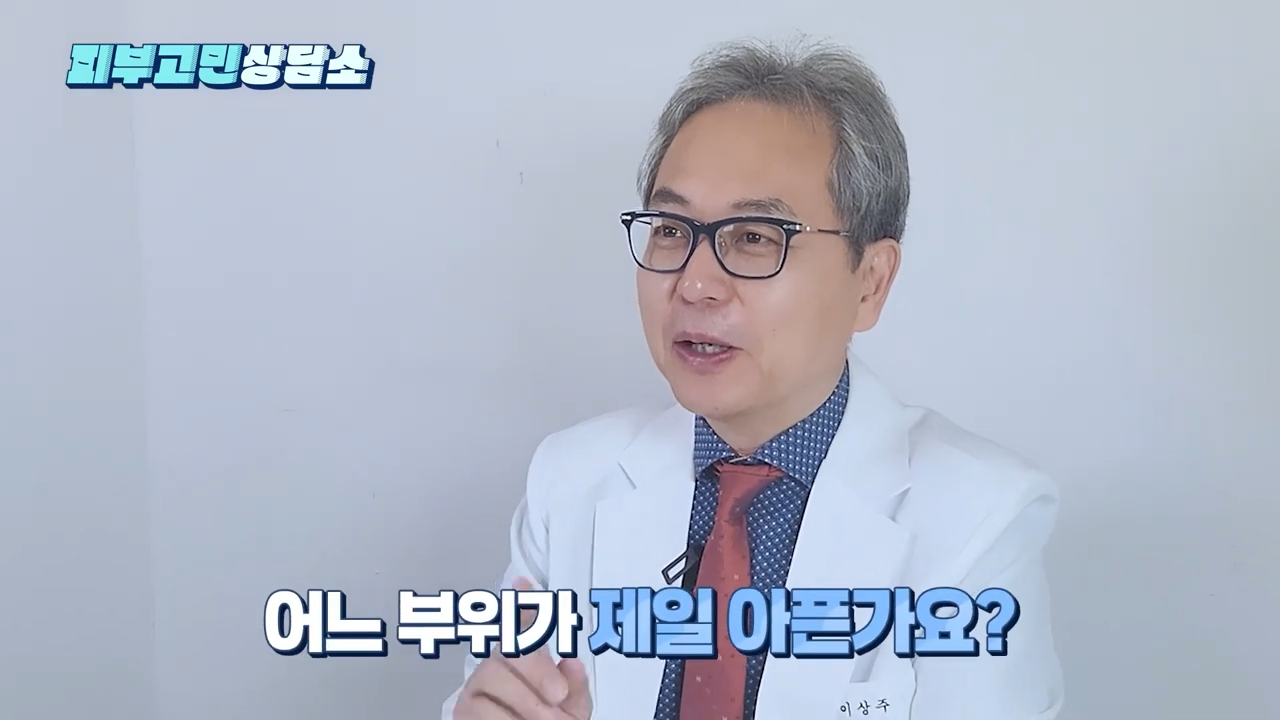
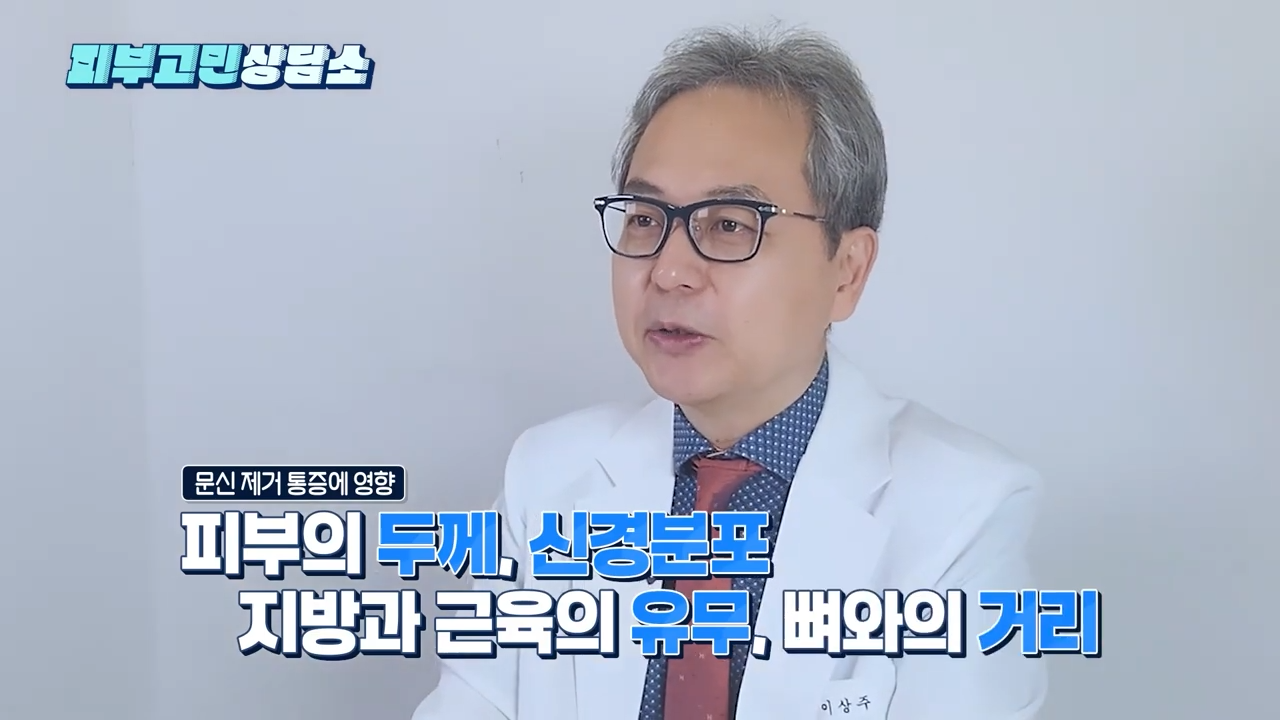
- The skin layer is thin and has few sebaceous glands. It reacts sensitively to external stimuli, and if pigmentation, blisters, or scars remain due to an improper procedure, it is a difficult area to conceal.
- Blood vessels and nerves are densely concentrated. Laser energy can be transmitted more directly to the nerves, which may cause stronger pain.
- Frequent movement can slow recovery. As the wrist is frequently used in daily life, friction and irritation are prone to occur after the procedure, making post-care even more important.
A question that precedes "how well it erases"
The key to wrist tattoo removal is not how well it erases, but how cleanly it erases without leaving scars.
This criterion dictates equipment selection and procedure design.
The meaning of a short energy delivery time
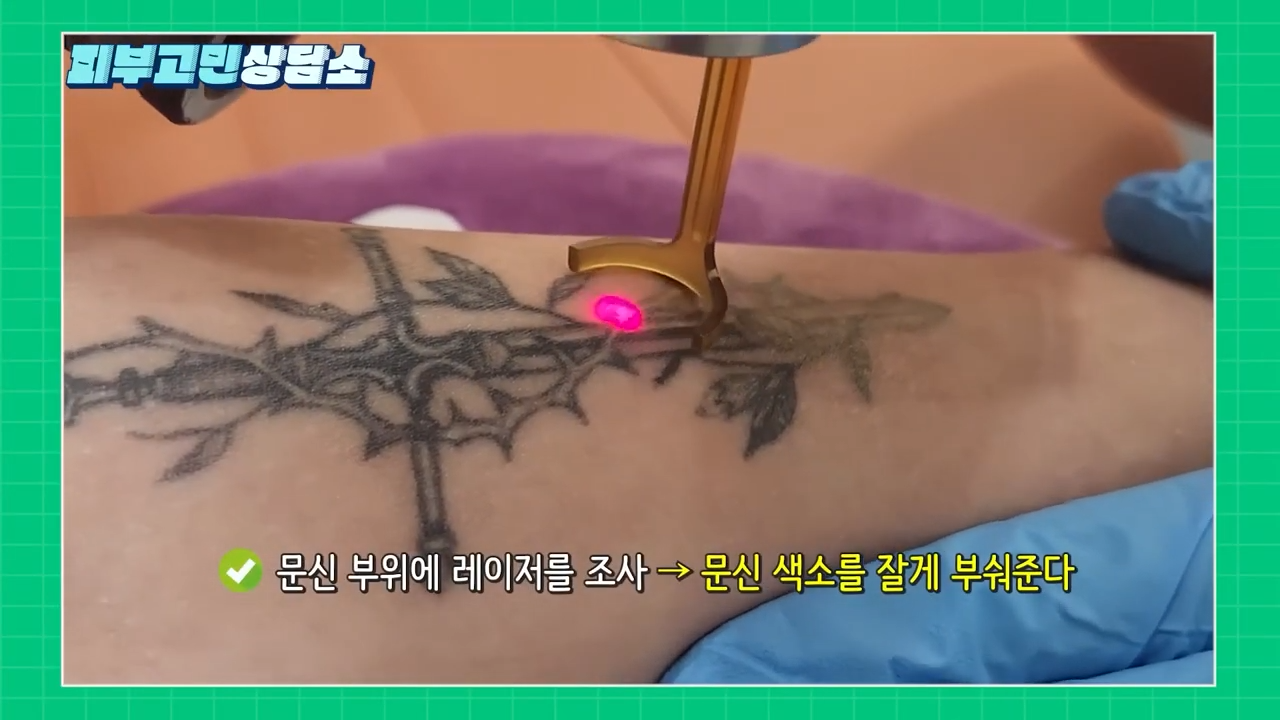
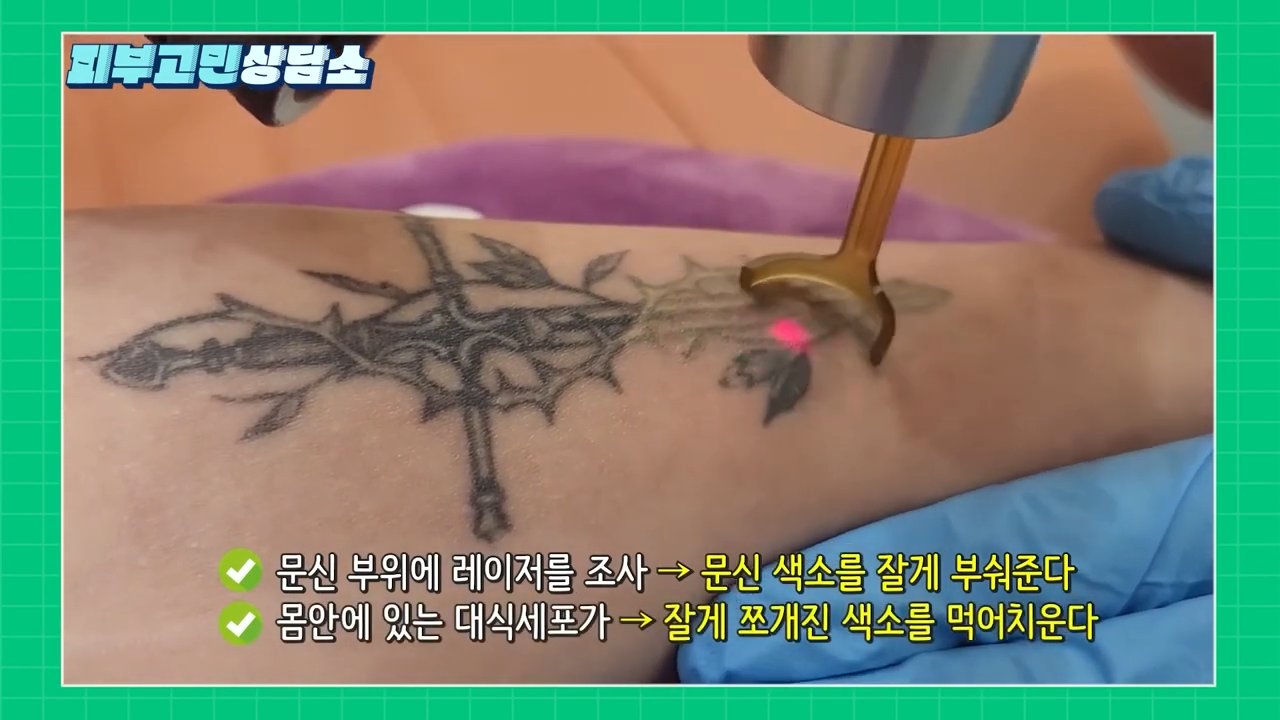
One of the devices frequently used for wrist tattoo removal recently is the PicoWay Laser. It is a picosecond-unit device approved by the US FDA, and its key feature is that the energy delivery time is much shorter than that of existing nanosecond lasers.
- It breaks down ink particles more finely, increasing the efficiency of their discharge from the body.
- It helps reduce the risk of scars by minimizing thermal energy delivered to surrounding tissues.
- The recovery period after the procedure is relatively short, reducing the burden of returning to daily life.
- It can address both black and color tattoos with four wavelengths: 532nm, 730nm, 785nm, and 1064nm.
The choice for areas where high output is difficult
Due to the nature of the wrist area, it is difficult to use high output at once. In this case, the R-Zero Technique can help reduce the overall treatment period.
When a laser is irradiated, white bubbles form on the skin surface, which then obstruct further penetration. R-Zero involves applying a special medication immediately after irradiation to remove the bubbles, and then irradiating again with a clear penetration path. This process can be repeated up to four times in one session for continuous irradiation.
This is not simple repetition. With each irradiation, the ink reaction state, skin recovery response, and color change are checked step by step. By not excessively increasing the intensity, more pigment can be broken down in a single visit, which can help reduce the risk of thermal damage, blisters, and scars without unnecessary output increases. The technique is explained in R-Zero Pico-Frectat Tattoo Removal.

When redness and pigmentation remain
During wrist tattoo removal, redness, pigmentation, or subtle scar reactions may occur. In such cases, combining vascular lasers or skin toning can help stabilize skin tone. Toning configurations can be found in Pico·Dual·Gold-Diamond Toning.
In some cases, the Pinhole Technique is also combined. This method involves creating microscopic holes in the skin with a CO2 laser to induce regeneration, and in the process, helping the ink pigment naturally fade, which can assist in scar prevention. Detailed information is available in Pinhole for Burn & Surgical Scar.
Five things to check before starting
| Check Item | Why Check |
|---|---|
| Tattoo color and area | The required wavelength varies depending on the color composition |
| Pigment depth | The number of treatments and method vary depending on the depth |
| Scarring tendency | Personal skin characteristics, such as keloid tendency, should be checked in advance |
| Anesthesia method | The wrist is a pain-sensitive area, so appropriate anesthesia must be chosen |
| Post-care system | Check if comprehensive care, including scar prevention and pigment management, is possible |
Wrist tattoo removal is not a procedure that ends with just laser treatment. If these items are not checked before proceeding, blisters, pigmentation, or depressed scars may remain. It is advisable to choose a place that has a good balance of efficient equipment, safe treatment methods, and the judgment of an experienced practitioner.
You can check the treatment procedure in Tattoo Removal Treatment Guide, and if you have any questions, you can ask via Chat Now.

Authored · Medically Reviewed by Representative Director Dr. Lee Sang-joo (Dermatologist) Graduated from Yonsei University College of Medicine · Severance Hospital Dermatology Resident · Doctor of Medicine Author of Skin Barrier and Medical Skincare · President of the Korean Dermatological Association in 2026 View Medical Staff Profile
First published 2026-07-21 · Last reviewed 2026-07-29
This article contains general medical information and does not substitute for individual diagnosis and treatment. Results and recovery progress may vary from person to person.