

If you've looked into tattoo removal, you've probably heard the name PicoWay. In the past, Q-switched lasers came to mind for tattoo removal, but now many people are looking for this device.
This article summarizes the performance and advantages of PicoWay.
What kind of device is it?
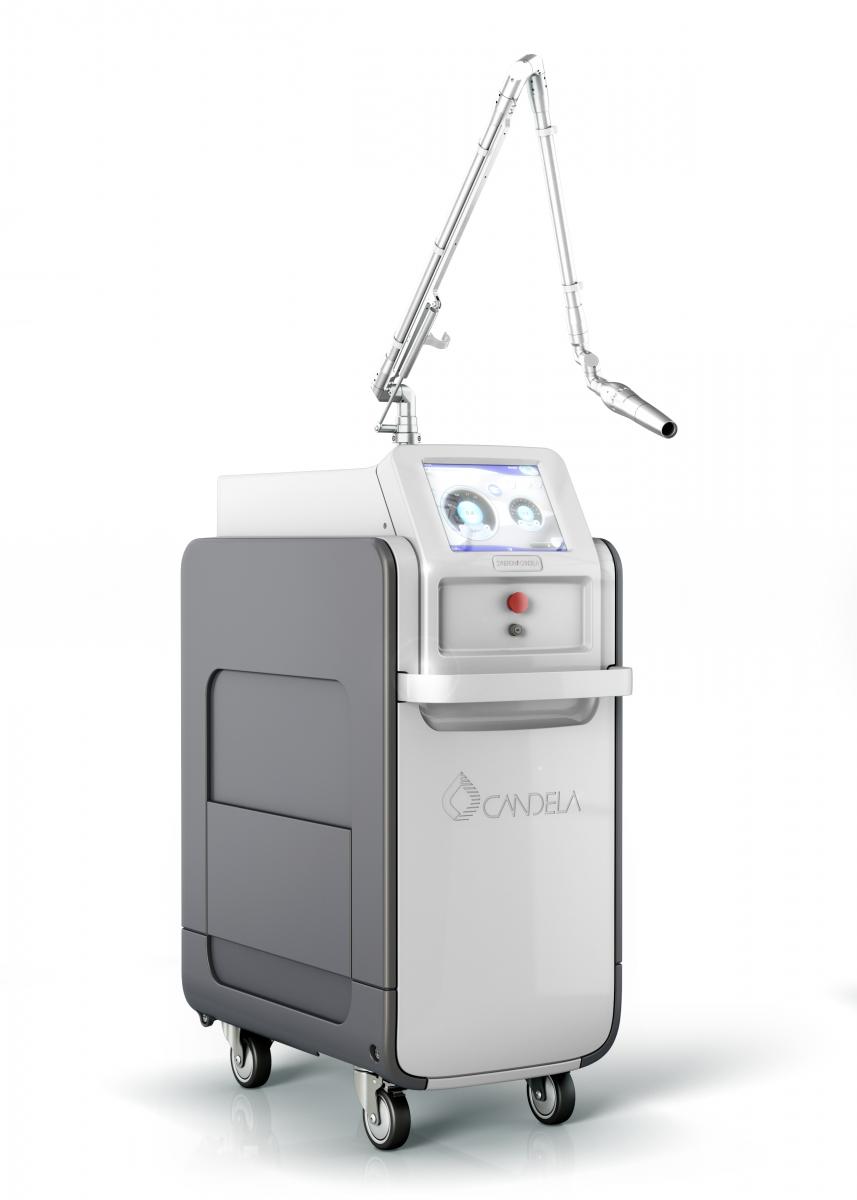
PicoWay is a device manufactured by Cynosure in the U.S., operating with picosecond-unit lasers. A picosecond is one trillionth of a second.
By emitting laser pulses very briefly, it can minimize thermal damage while physically breaking down pigment more finely.
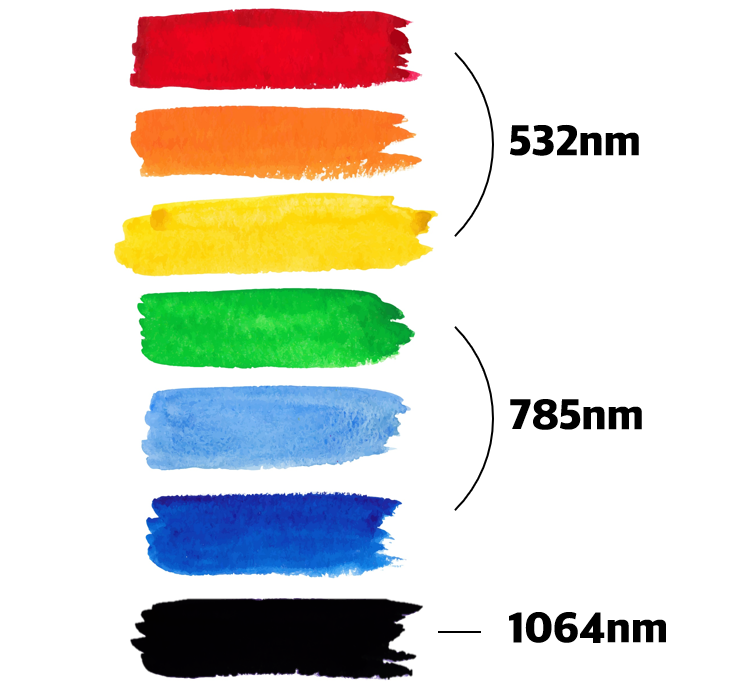
Different wavelengths target different colors
| Tattoo Color Category | Wavelength Used |
|---|---|
| Bright colors like red and orange | 532nm |
| Blue and green colors | 785nm |
| Dark colors like black and gray | 1064nm |
Since the wavelength can be selected and applied according to the individual's tattoo color, it is possible to treat tattoos with multiple mixed colors.
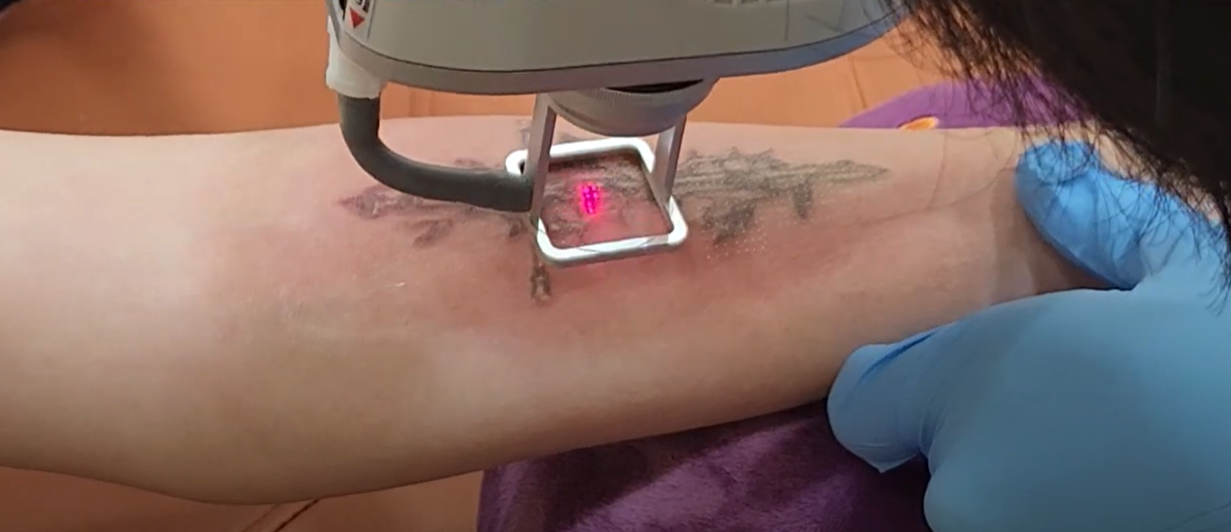
Uses vibration, not heat
When pigment is finely broken down by short picosecond-unit pulses, absorption occurs rapidly. This process primarily utilizes photoacoustic effect, or vibration.
Because less thermal damage is applied to surrounding tissues, the risk of scarring or pigmentation can be reduced.
It penetrates deep into the skin to selectively destroy only pigment, allowing for relatively safe treatment even on sensitive areas. The device configuration is summarized in the R-Zero Pico-Frectat Tattoo Removal guide.

If you're still concerned about scars
In the final stage, the Pinhole Technique using a CO2 laser can be considered. This method involves creating small holes in the treatment area to address deeper parts of the lesion.
It is used to minimize damage to surrounding healthy tissue, helping to prevent side effects such as discoloration or scarring. More details can be found in the Pinhole for Burn & Surgical Scar treatment guide.
Things to confirm before treatment
- What colors are mixed in your tattoo
- What your skin type is
- Whether the medical staff has experience in tattoo removal
Confirming these three points during consultation makes it easier to plan the appropriate laser and treatment for you. You can ask any questions via Chat Now.
Considering the remaining traces
Instead of focusing solely on removal, it's better to consider the traces that will remain on the skin after tattoo removal. The overall treatment flow can be checked in the Tattoo Removal Treatment Guide.


Authored · Medically Reviewed by Chief Director Lee Sang-joo (Dermatologist) Dermatologist · Ph.D. in Medicine, Yonsei University College of Medicine Graduate School Currently, Adjunct Professor, Department of Dermatology, Yonsei University College of Medicine · President of the Korean Dermatological Association in 2026 View Medical Staff Profile
First Published 2025-05-07 · Last Reviewed 2026-07-29
This article contains general medical information and does not substitute for individual diagnosis and treatment. Results and recovery progress may vary by individual.