

Hello, this is Yonsei Star Dermatology Sinchon.
If you've looked in the mirror and noticed a sudden increase in dark spots, you might suspect seborrheic keratosis. The most common question we hear is, "Will these just disappear on their own?" However, seborrheic keratosis rarely disappears naturally and tends to increase in number with age.
Why Seborrheic Keratosis Occurs and What It Looks Like
As skin naturally ages, and with added sun exposure, seborrheic keratosis can increase, making the overall skin appear dark and dull. While they may look like moles, they feel thick to the touch and are unlikely to disappear on their own over time.
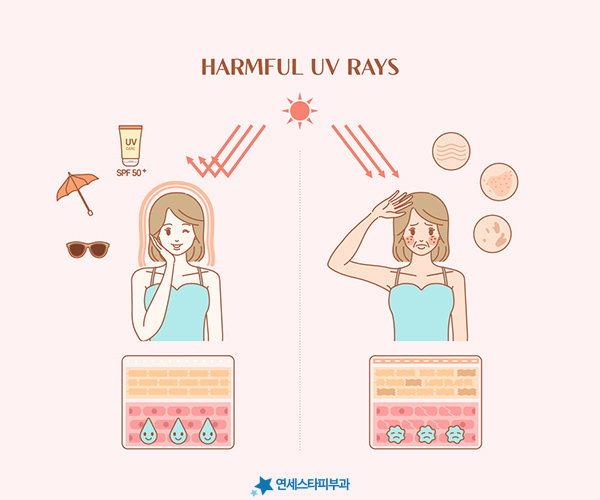
The areas where they appear are generally consistent. They tend to first appear in areas frequently exposed to UV light, and for those with a genetic predisposition, multiple lesions may also appear on the torso.
- Face, especially areas directly exposed to sunlight like the cheekbones and forehead
- Frequently exposed areas such as the back of the hands and wrists
- Multiple lesions on the torso in cases of genetic predisposition
A Sudden Increase May Require Confirmation

As it is a common pigmentary disorder for many people, there is no need to worry prematurely that the appearance of seborrheic keratosis indicates a major health problem. However, if dozens to hundreds of lesions suddenly appear within a short period of one to two months, the situation is slightly different.
If pigmentary lesions rapidly increase in a short period without significant changes in your usual lifestyle, it is recommended to have your condition thoroughly checked at a clinic.
Searching online often reveals methods for self-removal at home. However, many of these rely on folk remedies, leading to significant differences in results depending on the condition and individual, and often making it difficult to guarantee satisfaction.
Reasons Not to Remove It Yourself at Home
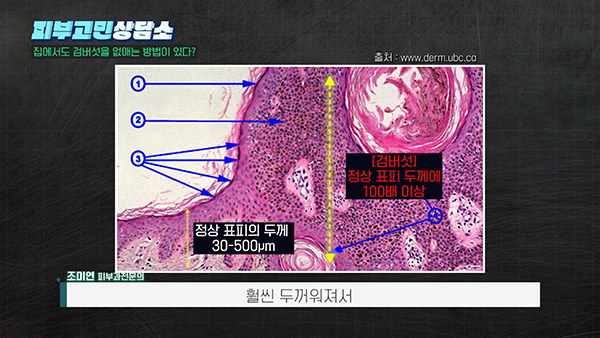
Seborrheic keratosis can be incredibly thick, differing by about 100 times or more from the thickness of normal epidermis. Creating a scab on the skin and simply peeling off that area is much harder than it seems. Furthermore, irritating it with insufficiently sterilized hands or tools carries a risk of secondary infection, requiring extra caution. In the examination room, we often see many patients who have deep marks remaining from attempting to forcibly remove them at home.
This is why receiving treatment at a dermatology clinic is safer and can lead to higher satisfaction in terms of results than self-removal at home.
If you are concerned about seborrheic keratosis, we recommend first checking treatment options performed by medical professionals, such as Epidermal Pigment Removal for blemishes, seborrheic keratosis, and freckles, or Laser Lesion Removal for seborrheic keratosis, moles, and warts. For detailed information, you can also use Chat consultation for seborrheic keratosis laser treatment.
How Dermatology Clinics Treat Seborrheic Keratosis

The basic principle involves precisely shaving off the skin. It's easy to understand if you think of it as similar to the laser principle for mole removal. However, depending on the size of the lesion and if it's located in an area with a high risk of pigmentation, it's advisable to carefully choose a safer device.
Among the devices recently used for removing lentigo or seborrheic keratosis, RePott Laser is gaining attention as it has been reported to show good effects with fewer sessions and can reduce the probability of side effects during treatment.
| Category | Features | Considerations |
|---|---|---|
| General Laser Removal | Basic method of shaving off lesions | Possibility of pigmentation depending on location and size |
| RePott Laser | Good effects reported with fewer sessions | Maintain band after treatment, recovery care |
| Multi-Laser Scar Treatment | Dark pigment or challenging areas like the back of the hands | Combination of multiple lasers, gradual improvement |
Recovery Process After Treatment

After RePott Laser treatment, a band like DuoDERM is applied to the treated lesion. The key here is to help the skin regenerate sufficiently. The recovery period is generally considered to be about 2 weeks, and removing the band prematurely before then can slow down recovery. We strongly urge you to maintain the band until it is safe to remove it.
It can be frustrating if you've had laser treatment but dark marks don't easily disappear, leaving a dull appearance. If pigmentation or marks remain lightly after treatment, it is known that they are likely to gradually recover over time.

Applying vitamin C ampoules or Melanon cream containing hydroquinone, known for its whitening properties, and being diligent with sun protection, can help accelerate the recovery time slightly.
If Pigment is Dark or Thickness Remains
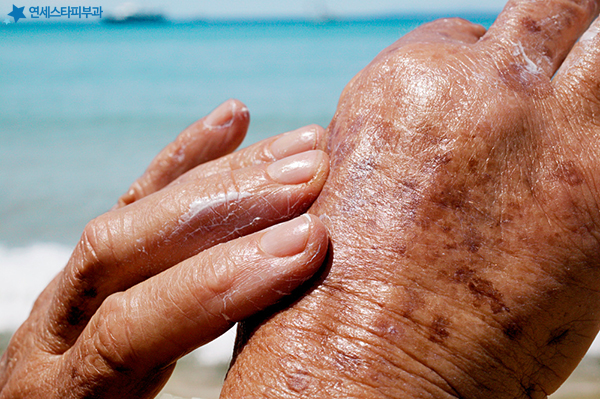
What should you do if the remaining pigment is dark and the treated area still feels thick to the touch? The back of the hands and wrists, in particular, are prone to various types of pigmentation, which may require a complex approach.
In such cases, rather than expecting a quick, one-time solution, it is better to revisit the dermatology clinic for an accurate diagnosis and combine RePott Laser with other lasers for a multi-laser scar treatment, observing changes step by step. If you are also concerned about facial blemishes or freckles, it can be helpful to consider the overall epidermal pigmentation and plan the treatment accordingly.
Daily Management to Prevent Recurrence
After seborrheic keratosis treatment, it is crucial to manage your skin to prevent problems and maintain long-lasting effects. Here are some points you can follow in your daily life:
- Apply sufficient sunscreen to areas easily exposed to UV light, such as the face and back of the hands.
- When taking long walks, engaging in outdoor sports, or traveling, use a hat or parasol in addition to cream.
- Maintain the post-treatment band until it is safe to remove it, without peeling it off arbitrarily.
- During the recovery period, avoid self-peeling or physical irritation that could be stimulating.
- If pigment or thickness remains, confirm the direction with a follow-up consultation rather than self-diagnosing.

In Korea, seborrheic keratosis is called 'Jeoseungkkot' (flower of the underworld), and in the West, 'Wisdom spot,' implying accumulated wisdom with age. Even with positive connotations, externally they can make one look older and give an untidy impression, leading many to inquire at dermatology clinics.
If you are considering treatment, you can receive guidance tailored to your current condition through Chat consultation for seborrheic keratosis treatment options.

We hope that the reasons why the laser treatment discussed here is helpful, and the points to consider for management, will serve as a small reference for your skin care. Yonsei Star Dermatology Sinchon will continue to be with you for clean and bright skin health.
Representative Director Lee Sang-joo (MD, PhD, Yonsei University College of Medicine and Graduate School, completed dermatology residency at Severance Hospital, President of the Korean Dermatological Association) Representative Director Lee Sang-joo's Profile First published 2025-03-04 / Last reviewed 2026-06-16
As the appearance and recovery course of seborrheic keratosis can vary individually, it is recommended to confirm an accurate diagnosis and treatment plan through consultation with medical staff.