

Discovering a distinct brown spot on your face one day can be startling for anyone. The first questions that usually come to mind are, "Is this melasma, lentigo, and can it be removed?" To answer directly, lentigo is a pigmented lesion that can be lightened with pigment-responsive lasers, and RePott Laser is one such treatment.
RePott Laser lentigo treatment is a laser procedure focused on improving pigmented lesions. Understanding why lentigo occurs, how RePott Laser works, and what precautions to take after the procedure can help you approach the treatment process more calmly.
What is Lentigo and How Does it Differ from Melasma?
Lentigo is a pigmented skin condition that primarily appears after middle age, in areas frequently exposed to UV radiation. It manifests as brown spots on sun-exposed areas like the face or back of the hands. Unlike melasma, lentigo often has relatively distinct borders and a darker hue.
While not a major health concern, many patients visit for cosmetic reasons due to the dull marks. Even similar-looking pigmented lesions can have different characteristics, so distinguishing the condition is the first step rather than making vague assumptions.

| Category | Lentigo | Melasma |
|---|---|---|
| Borders | Relatively distinct | Tends to spread vaguely |
| Color | Often dark brown | Light brown to grayish-brown |
| Common Areas | Face, back of hands, etc., sun-exposed areas | Cheeks, forehead, etc., bilateral symmetry |
As shown in the table, lentigo and melasma differ in appearance, but it's not uncommon for them to coexist on a person's skin. Therefore, rather than judging based on a single lesion, we also examine the depth at which the pigment is located.
How Does RePott Laser Work on Lentigo?
RePott Laser is a device that uses specific wavelengths responsive to melanin pigment to break down the pigment. Its core principle is to target pigment across both the epidermis and dermis, using precise energy delivery to selectively treat only the pigment while minimizing damage to healthy skin.
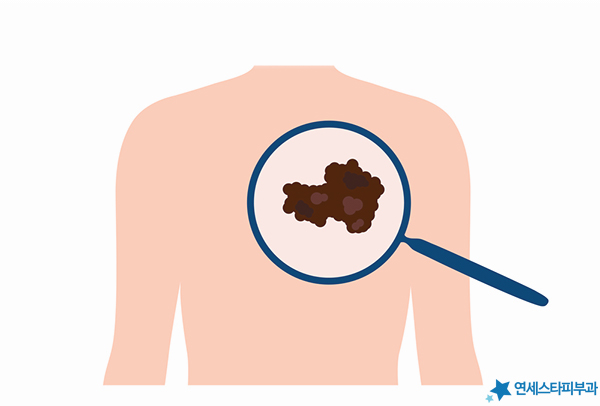
UV radiation is known as the biggest causative factor for lentigo, so post-treatment UV management is considered as important as the treatment itself.
The selective action on pigment also means the treatment is designed to reduce the burden on healthy skin surrounding the treated area. However, not all lentigo lightens to the same degree at once, and individual responses may vary depending on the depth and concentration of the pigment.
Expected Changes from the Procedure
The changes you can expect from RePott Laser lentigo treatment are summarized as follows:
- Lentigo improvement: Aims to lighten the concentration of lentigo by breaking down melanin pigment.
- Skin tone refinement: Improvement in overall skin tone, not just localized lesions, has been reported.
- Quick return to daily life: Immediate post-procedure redness or light scabs may occur but generally subside within a few days.
- Complex pigment response: Easily combined with other lasers for complex pigment issues rather than single lesions.

During the recovery period, it is important to manage the patch (such as DuoDERM) attached to the treated area to prevent it from falling off. If you also have concerns about epidermal pigment like age spots or freckles in addition to lentigo, the treatment sequence will be adjusted to your condition rather than insisting on a single device.
If you have any questions, feel free to leave them via chat consultation regarding RePott Laser lentigo treatment.
Characteristics of RePott Laser
The characteristics of RePott Laser in pigment treatment are explained as follows:
- Precise irradiation: Selectively treats pigmented areas to minimize damage to healthy skin.
- Depth-specific customization: Designed to reduce burden by adjusting energy delivery according to skin depth.
- Short downtime: Relatively quick return to daily life, with high reported patient satisfaction.
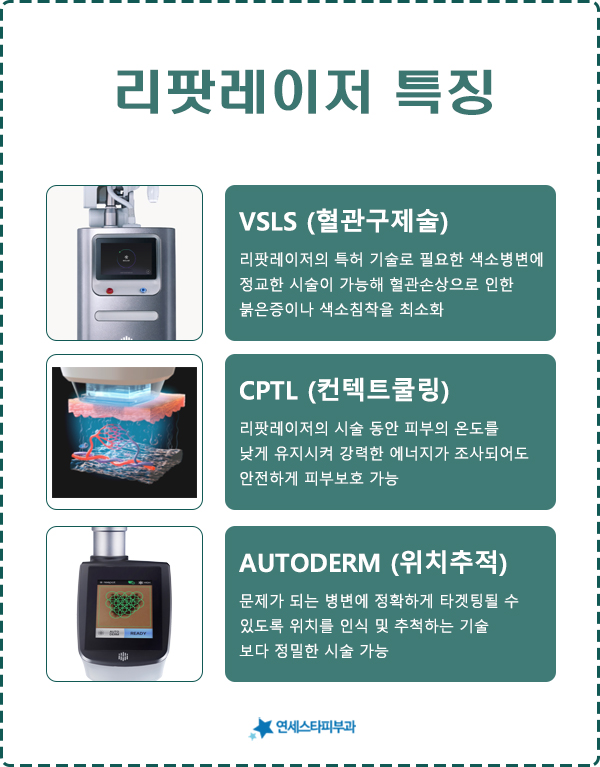
These characteristics describe the general tendencies of the procedure, and actual responses may vary depending on skin type and lesion condition. Therefore, it is necessary to review information about the RePott Laser procedure itself and consult with a specialist to confirm if it is suitable for your skin.
How to Manage After the Procedure
To maintain the long-term effects of laser treatment, post-care accounts for virtually half of the treatment. In the clinic, we often see that even with the same procedure, results vary depending on care habits.

- UV protection: Since UV radiation is a major cause of lentigo, apply sunscreen diligently.
- Moisturizing care: Use sufficient moisturizer and regenerative cream for the weakened skin barrier after laser treatment.
- Scab management: Do not forcibly remove scabs; allow them to fall off naturally to prevent post-inflammatory hyperpigmentation.
- Lifestyle habits: Smoking and alcohol can hinder skin recovery, so it's best to avoid them immediately after treatment.
Simply reducing irritating behaviors during the care process can significantly stabilize the recovery flow.
Why Treatment Timing and Specialist Consultation are Important
Lentigo removal with RePott Laser is relatively fast, but depending on the condition, additional procedures or other pigment lasers may be necessary. This is because lentigo often coexists with other pigment issues like melasma and freckles.

Therefore, it is crucial to consult with a specialist who can precisely analyze your skin condition and develop a tailored treatment plan. Comprehensive judgment is needed, as laser lesion removal for moles or warts or customized whitening care may also be considered alongside pigment treatment.
Lentigo tends to darken and spread over time. Therefore, starting treatment early is beneficial, and RePott Laser, with its low risk of skin damage, can offer relatively quick improvement. However, since responses may vary depending on skin type, lentigo depth, and pigment trouble, a personalized plan is necessary.
If you are considering treatment options, we recommend starting by organizing your current condition through lentigo treatment consultation chat.
Dr. Sang-Joo Lee, Chief Director (MD, PhD, Yonsei University College of Medicine and Graduate School; Dermatology Resident, Severance Hospital; President, Korean Dermatological Association) Dr. Sang-Joo Lee's Profile First Published 2025-09-10 / Last Reviewed 2026-06-16
This article contains general information about lentigo and RePott Laser treatment, and individual treatment responses may vary. Please consult with a dermatologist for an accurate diagnosis and treatment plan.