

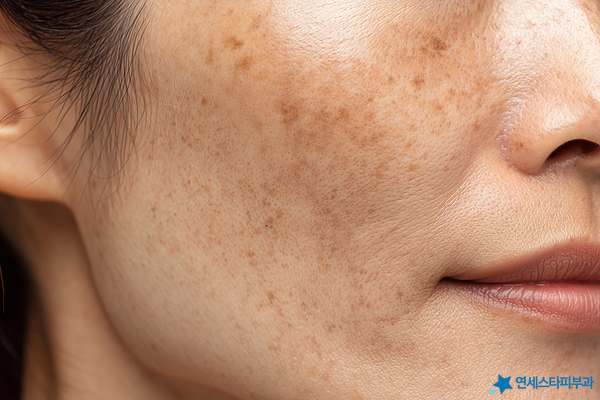
The distinct brown spots that catch your eye every time you look in the mirror, you've probably been concerned because they feel a little different from melasma. These distinct spots could be lentigo (黑子), and their cause and management approach differ from melasma or freckles.
How does lentigo differ from melasma?
Not all brown spots on the face are the same. Even if they look like melasma, freckles, or blemishes, if the cause is different, the approach will also be different. Among these, lentigo is a pigmentary lesion that occurs when the number of melanin cells in the skin increases, with excessive sun exposure and skin aging being the main known causes.
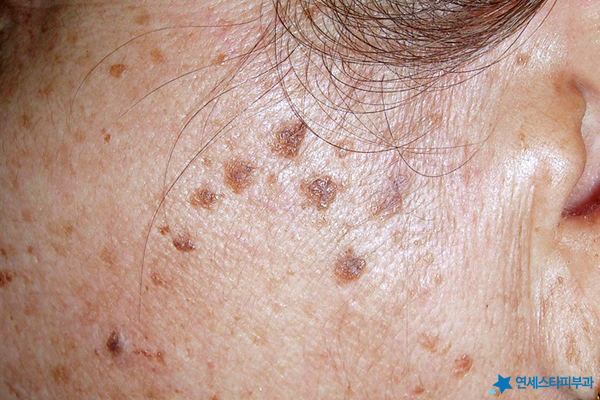
Medically, lentigo is classified as a benign tumor and does not directly affect health. However, over time, a single spot may gradually enlarge, or multiple spots may cluster and spread widely. Most importantly, the key characteristic is that they do not disappear naturally.
Lentigo is a pigmentary lesion caused by an increase in the number of melanin cells themselves, and its pathogenesis is reported to be different from melasma, which is primarily epidermal pigmentation.
Criteria for distinguishing lentigo, melasma, and freckles
In the clinic, we often see patients who mistake lentigo for melasma and manage them with the same cosmetics, missing the optimal treatment time. The differences are summarized in the table below.
| Category | Lentigo | Melasma | Freckles |
|---|---|---|---|
| Border | Relatively distinct | Blurry, spread out | Small and distinct |
| Main Cause | UV, aging | UV, hormones, etc. | Genetics, UV |
| Natural Disappearance | Rarely disappears | Varies | Varies |
| Pigment Depth | Can be mixed from epidermis to dermis | Primarily epidermis | Primarily epidermis |
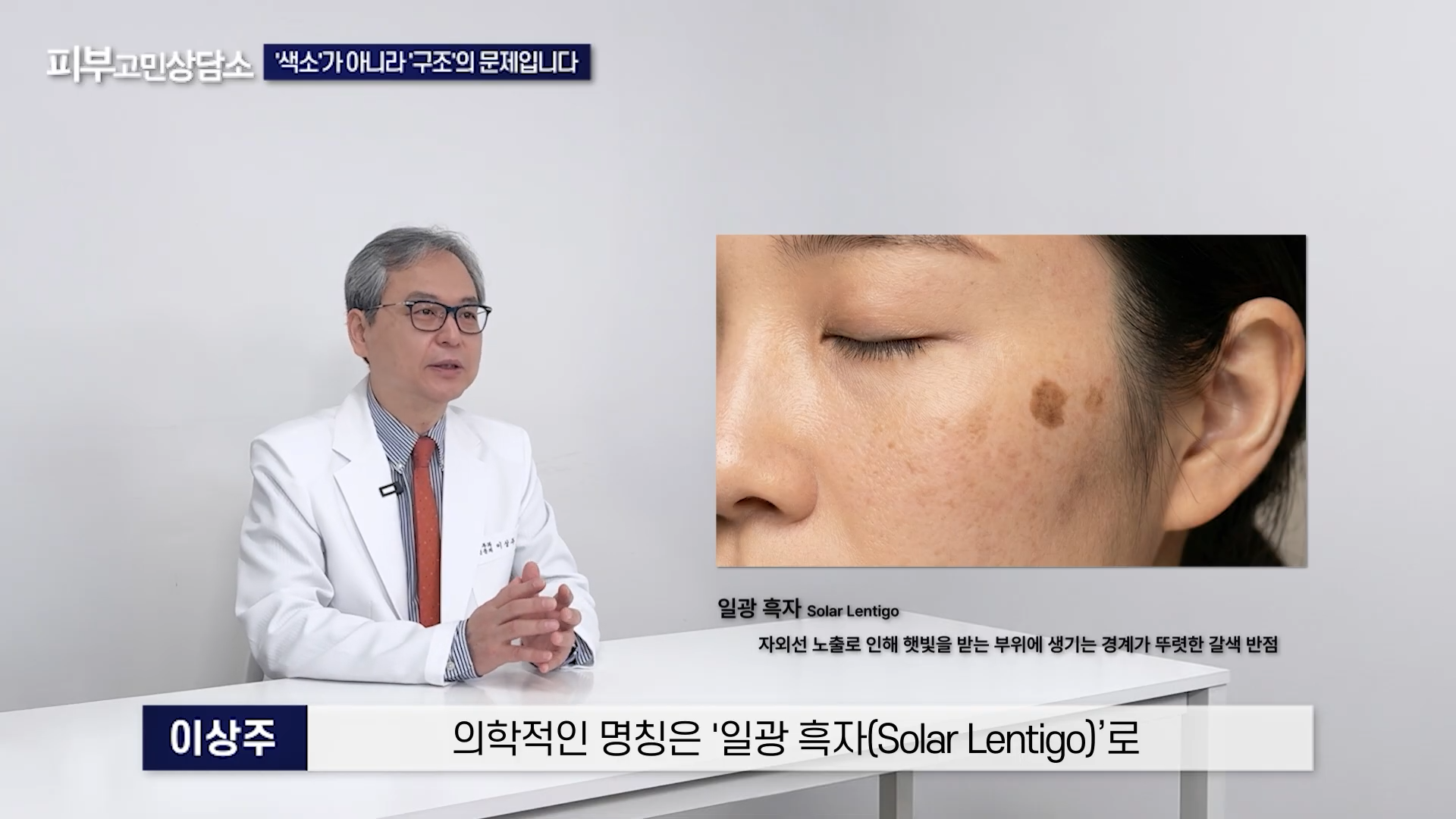
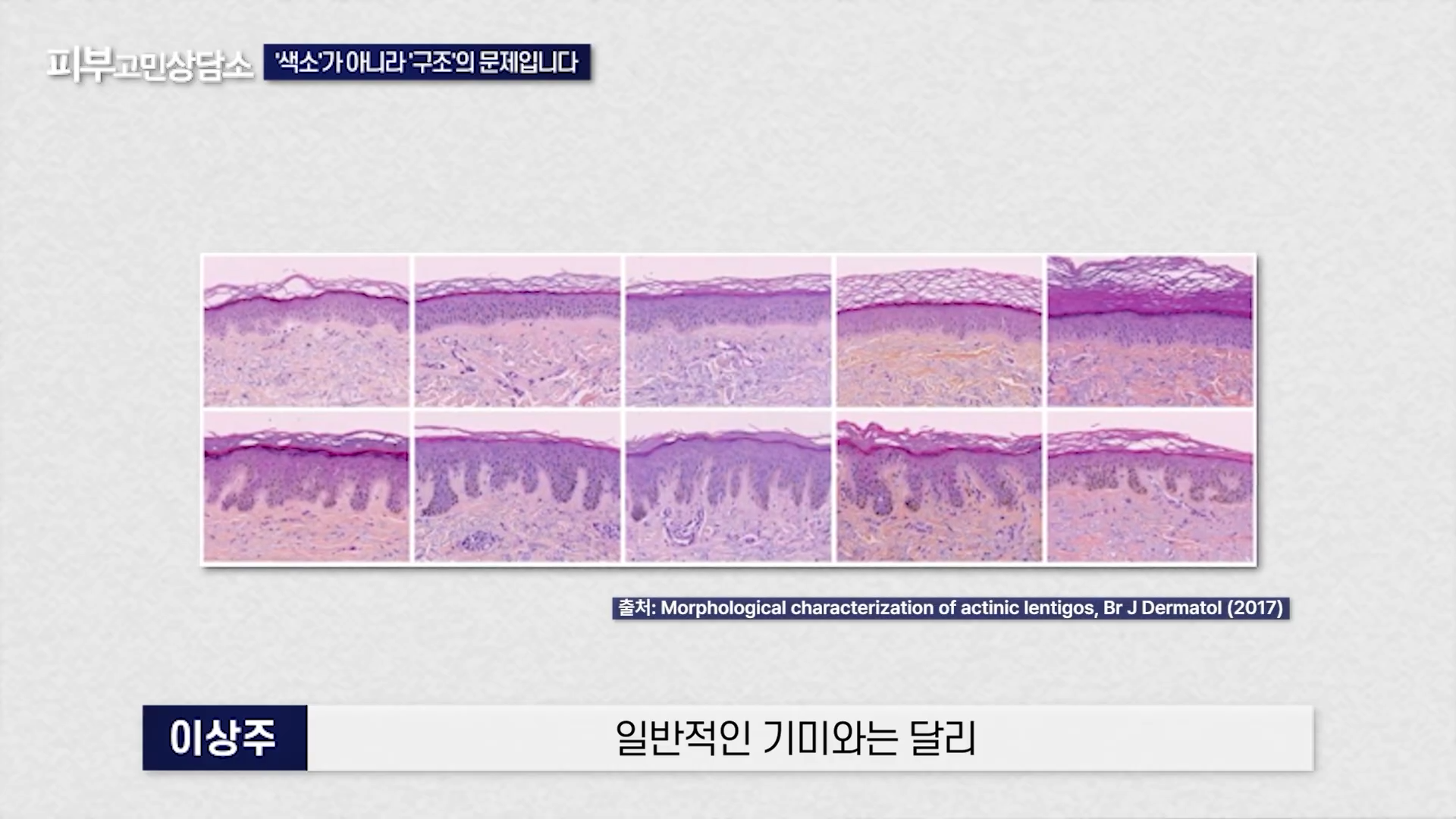
This is why it's difficult to judge by eye alone. Even if they are similar brown spots, if the depth and cause of the pigment differ, the management approach will change, so it is safer to confirm an accurate distinction through diagnosis. Many people with similar concerns also look into Epidermal Pigment Removal.


Why is facial lentigo so difficult to remove?
Lentigo is considered one of the more challenging pigment problems to treat. The pigment is often widely mixed from the epidermal layer to the dermal layer, and it is known as a refractory lesion with reported recurrence even after treatment.

Therefore, it is difficult to conclude that all pigment will disappear with a single treatment. The necessary approach varies depending on the depth and distribution of the pigment and the skin condition, so it is good to keep in mind that there may be individual differences.

Here are some points to check before managing lentigo:
- Observe whether the border of the spot is distinct, and if it is growing or increasing in number.
- Check if you are in an environment with a lot of UV exposure and if you have regular sun protection habits.
- Confirm if there has been no change with previously used whitening cosmetics.
- Check if other symptoms such as itching, bleeding, etc., are accompanied by the pigmentary lesion.
- Before treatment, consult a specialist to diagnose the presence and depth of lentigo first.
If you have concerns about blemishes, seborrheic keratosis, and other epidermal pigments mixed with lentigo, it is necessary to first distinguish which pigment is the main problem.
If you are curious about the exact condition of your lentigo, you can easily ask through chat consultation regarding facial lentigo removal.
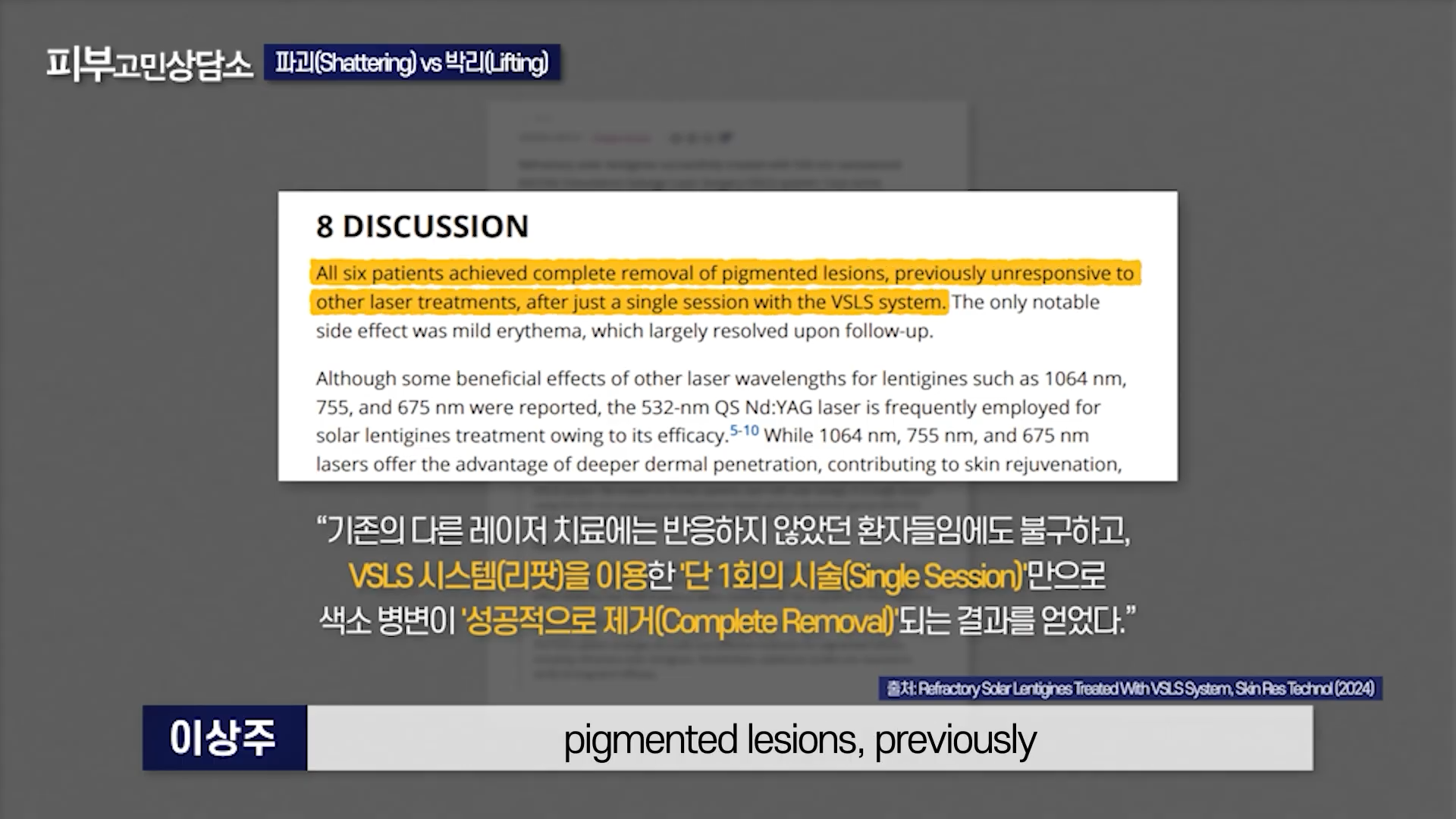
RePott Laser specialized for epidermal pigment
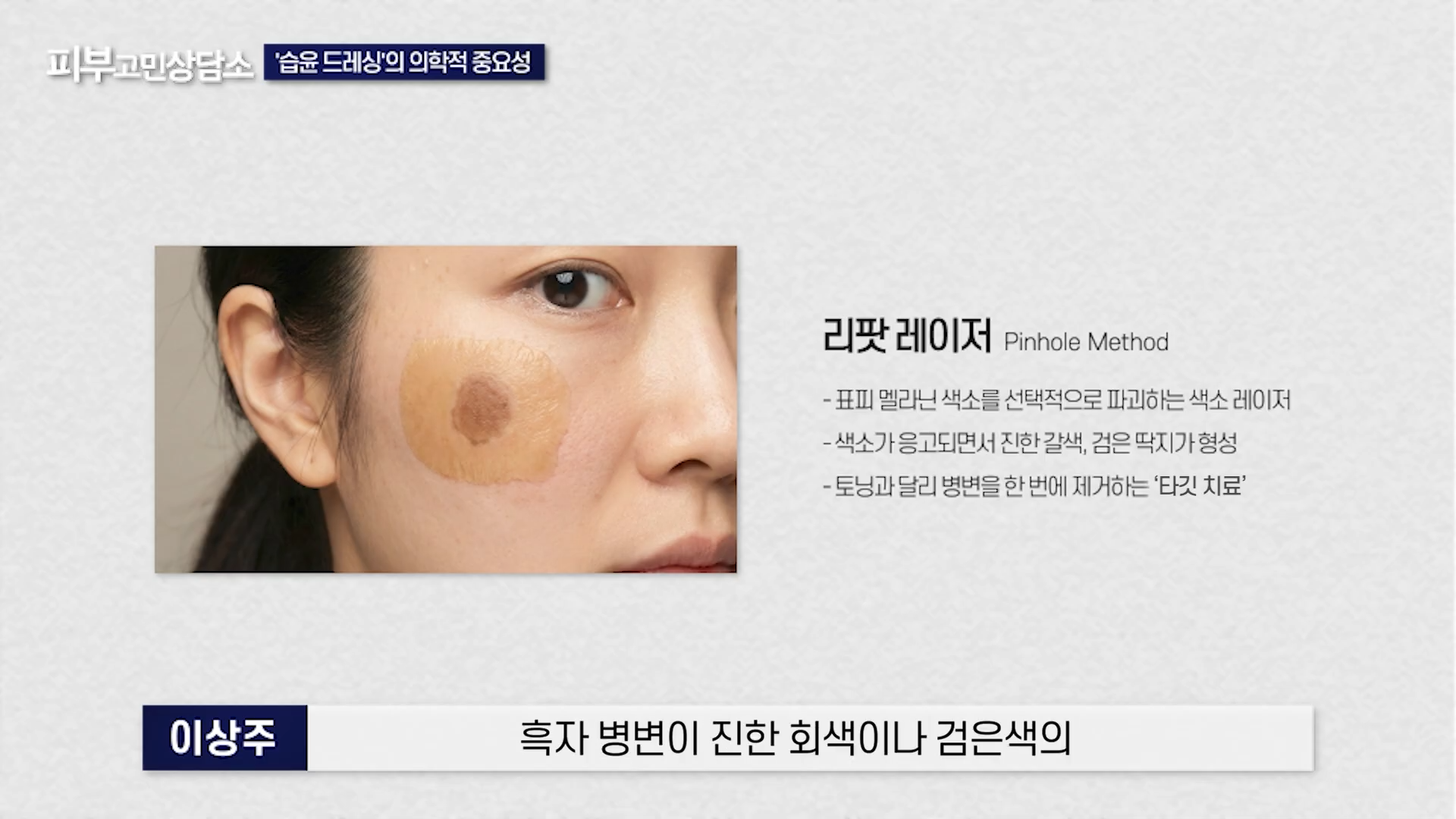
RePott Laser is a device specialized in treating pigmentary lesions that appear in the epidermal layer of the skin, utilizing a 532nm high-output laser method. It is particularly known for its strengths in treating lentigo and seborrheic keratosis.

Despite being a high-output laser, it is designed to reduce the burden on the skin during treatment thanks to its cooling system and compression method that minimizes blood vessel damage. The fact that it can be managed with relatively fewer sessions, unlike typical laser treatments, is also noteworthy.

However, not all pigments can be resolved with a single laser. If the pigment is located deep in the dermis, other approaches may also be considered, so it is reasonable to decide on the treatment direction after diagnosis.

Post-treatment regeneration period, manage it this way
After RePott Laser treatment, a regenerative tape such as Duoderm will be applied to the treated area. It is important to minimize external irritation for about two weeks while the skin regenerates, and not to touch the area until the patch is removed by the clinic.

If the Duoderm starts to peel off during daily life, it is best to apply a new one with a larger coverage area over it. If any abnormal reactions such as redness, itching, pain, or allergies appear around the attached area, please visit the clinic where you received the lentigo removal treatment immediately to have your condition thoroughly checked and receive appropriate measures.
Here are some important points to follow during the post-treatment regeneration period:
- Do not remove the regenerative tape arbitrarily; maintain it as instructed by the clinic.
- Avoid direct friction, scratching, or exfoliation on the treated area.
- Thoroughly block UV rays when going out to prevent pigmentation.
- Refrain from activities that cause a lot of sweat and heat, such as saunas and strenuous exercise, during the recovery period.
- If abnormal reactions such as redness, itching, or pain occur, visit the clinic immediately.
Don't neglect, check first
Lentigo does not disappear naturally and can spread if left untreated. Therefore, we recommend consulting a specialist as soon as possible to check your condition.
The pigment treatment method, including RePott Laser, may vary depending on the depth and distribution of lentigo and your skin condition. If you are unsure which method is right for your skin, try using chat consultation regarding facial lentigo removal.
Chief Director Lee Sang-joo (MD, PhD, Yonsei University College of Medicine and Graduate School, completed dermatology residency at Severance Hospital, President of the Korean Dermatological Association) Chief Director Lee Sang-joo's Profile First published 2026-04-27 / Last reviewed 2026-06-16
This article contains general information about lentigo and pigmentary lesions, and since the type and depth of pigment may vary for each individual, please consult a dermatologist for an accurate diagnosis and treatment plan.