
Changes like sagging cheeks and blurred contours begin not on the skin's surface, but in the internal structure of the skin.
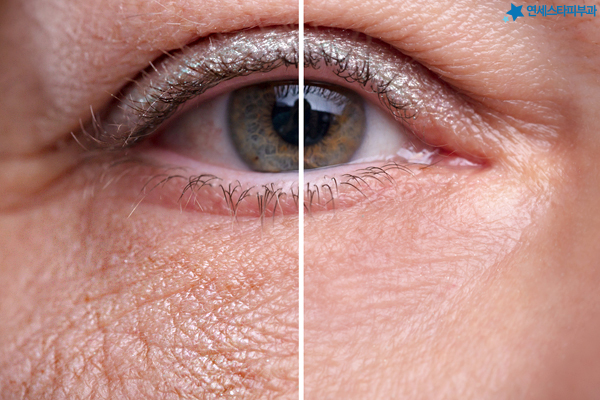
From the late 20s, collagen and elastin synthesis gradually decrease, and the supporting structure of the skin loosens, leading to a loss of elasticity.
This is why there are limitations to fundamental improvement with moisturizing creams and massages.
Not All Elasticity Devices Do the Same Thing
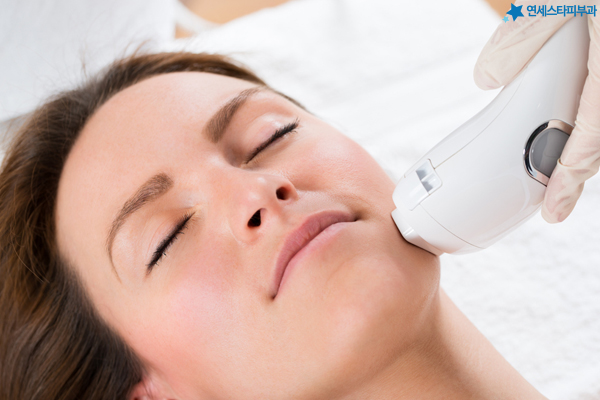
Elasticity lasers deliver energy into the skin to induce tissue contraction or collagen regeneration.
However, the type of energy used and the skin layer they act on differ by device. Even if their names seem similar, their functions vary.
| Method | Energy | Main Target Layer |
|---|---|---|
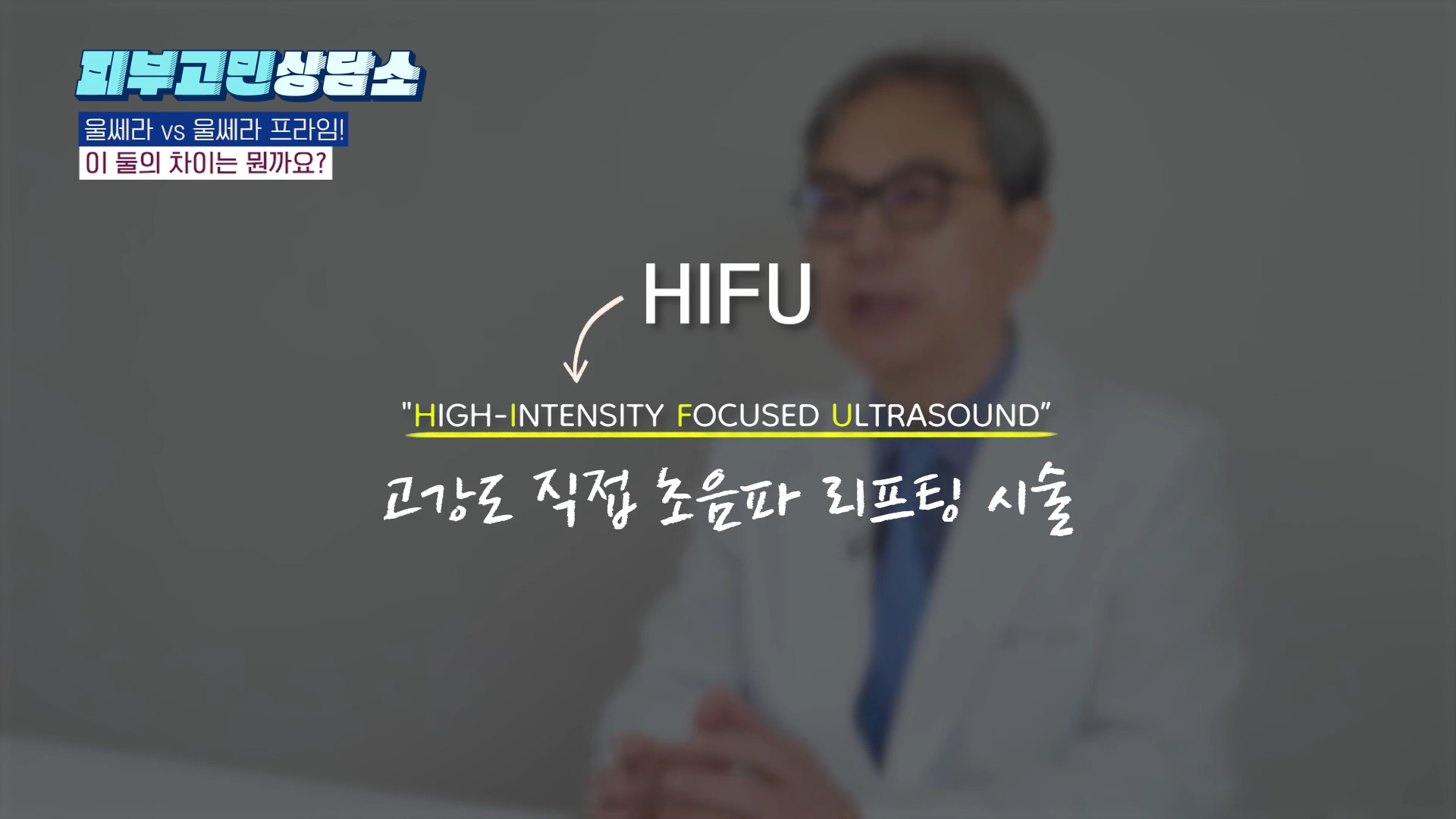
| Ulthera | High-Intensity Focused Ultrasound (HIFU) | SMAS fascial layer, approximately 4.5mm deep |
| Thermage | Radiofrequency (RF) | Entire dermal layer |
| Shockwave Series | Shockwave | Broad area from the superficial layer |
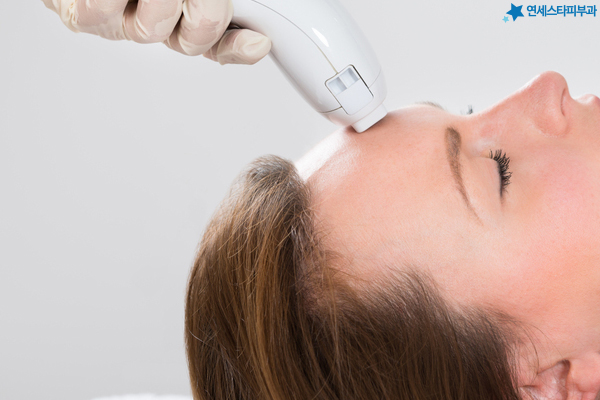
For Deep Layers
Ulthera gathers ultrasound waves to deliver energy to the SMAS fascial layer, approximately 4.5mm below the skin surface.
Heat points of 65-70℃ are created at the target site, leading to tissue contraction and collagen regeneration.
This method tightens the skin's supporting structure itself, making it suitable for cases of blurred contours.
For Broad Areas
Thermage broadly treats the dermal layer with radiofrequency. It delivers heat evenly across the entire surface rather than focusing on a single point.
This is suitable for general loss of elasticity or concerns about skin texture.
The two methods are not about superiority but about targeting different layers. To use a building analogy, one is like repairing a leaning framework, while the other is like smoothing out the walls.
Combining Them Broadens the Layers
Ulthermage is an approach that applies both methods together. This broadens the coverage from shallow to deep layers.
However, this combination is not necessary for everyone.
- If only surface texture and fine wrinkles are a concern, the impact of a deep layer procedure might not be significant.
- If contour sagging is the main concern, but only the surface is treated, the change might not be noticeable.
- If hollowness is a major factor, both methods might be insufficient, and a filling approach may also be needed.
If performed together on the same day, recovery responses may overlap, so it is safer to space out the treatments if your schedule allows.
In Summary
Choosing the device first can lead to misalignment. The appropriate method differs depending on whether your loss of elasticity originates from the fascial layer, a general dermal issue, or volume loss.
Since it is difficult to determine which layer is most significantly compromised by visual inspection alone, please try using chat consultation for personalized elasticity management directions for your face.
This article was reviewed by Chief Director Dr. Lee Sang-joo (Dermatologist). He leads Yonsei Star Dermatology Sinchon and will serve as the president of the Korean Association of Dermatologists in 2026. First published 2026-08-11 · Last reviewed August 16, 2026
The content is general medical information, and individual differences in condition and treatment response may occur. Please consult with a doctor to determine the necessity and method of treatment.