
![Don't Hide Anymore, Just Remember These 4 Things for Hesitation Wound Treatment! | [Yonsei Star Dermatology Sinchon]](/_next/image?url=https%3A%2F%2Fagqdgbuateknhwpocrgu.supabase.co%2Fstorage%2Fv1%2Fobject%2Fpublic%2Fsources%2Fbbf3bebe-45b6-4415-bd04-bda18b2cac0f%2Fblog-images%2F223501394182_00_1d6216a2b4de.png%3Ftype%3Dw966&w=3840&q=75)
Hesitation wounds refer to linear scars left on the wrist or other areas after self-harm. As they appear in highly visible areas, many people try to cover them up, but the most common question we hear in the consultation room is, "Can it be treated even now?" To answer directly, it is reported that in many cases, if treatment is approached at the right time and stage, the traces can be significantly lightened.
At Yonsei Star Dermatology Sinchon, the number of patients visiting for self-harm scars has recently increased. Hesitation wounds are often postponed due to social perceptions, but this can lead to missing the appropriate treatment period, making treatment more challenging. Today, we will systematically outline four important things to remember for hesitation wound treatment, from the wound stage to the scar stage.
What to do first in the wound stage, immediately after self-harm

Self-harm ultimately involves creating wounds on the skin, so the first step is to prevent secondary bacterial infection, just like with any other wound. The cleaner the wound healing process, the lighter the resulting scar tends to be.

Basic care you can do at home during the wound stage includes:
- Clean and disinfect the wound area to prevent secondary infection.
- Apply antibiotic ointment if there is a risk of infection.
- Use moist dressings like DuoDERM to create a healing environment.
- If the wound is deep, do not insist on self-treatment; seek medical attention.

Moist dressings help prevent the wound from drying out, aiding recovery. However, this conservative management is only applicable for shallow wounds.

If the wound is deep, sutures may be necessary. In such cases, it is important to get proper suturing at a nearby dermatology or surgical clinic. The decision to suture affects the shape of the subsequent scar.
Scars also have a golden time

As hesitation wounds are also scars, there is a golden time for their treatment. If possible, it is advisable to start scar treatment from the early stages when the wound begins to heal.
It is reported that intervening in the early stages before a scar fully forms often leads to more favorable outcomes.
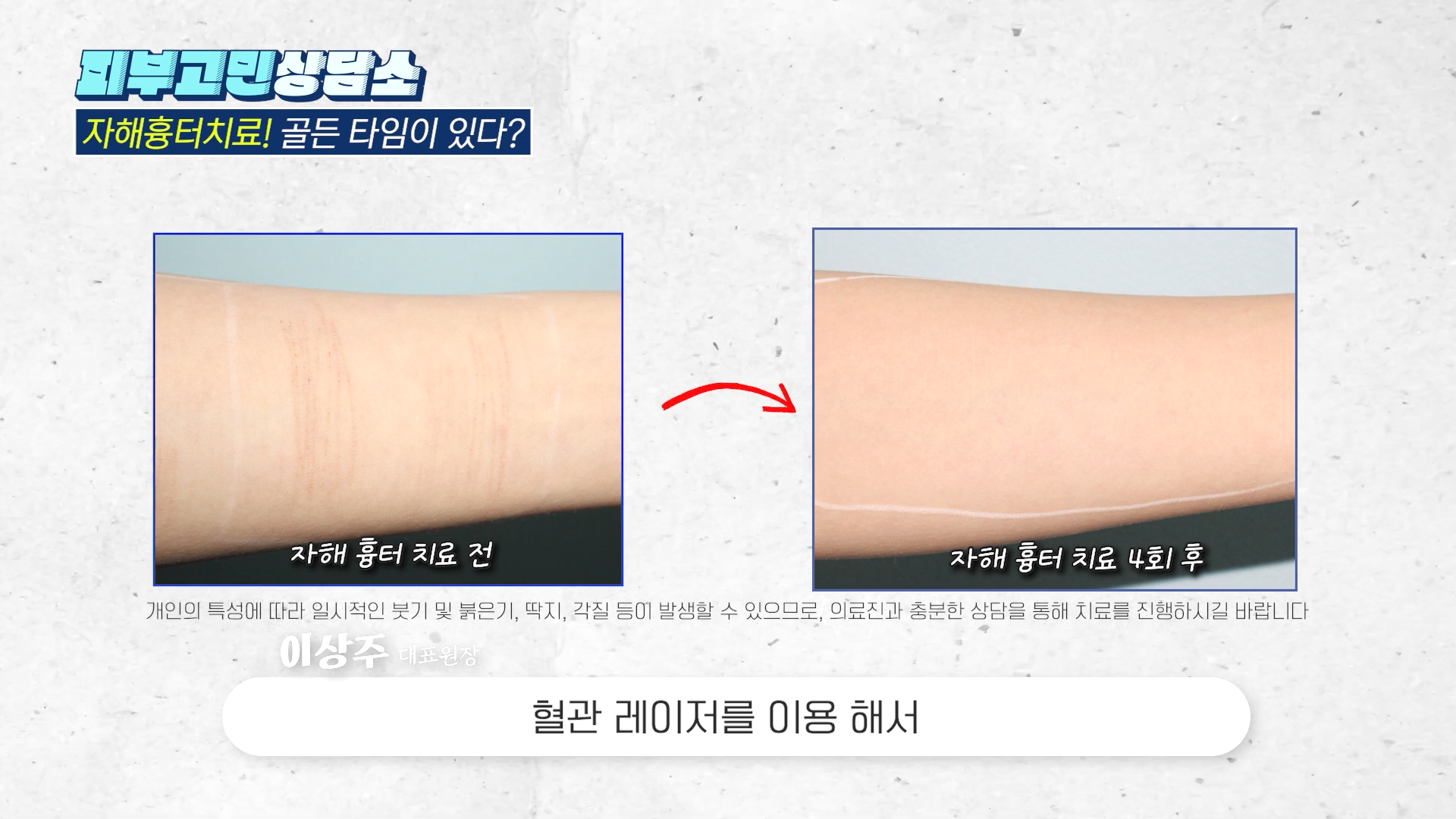
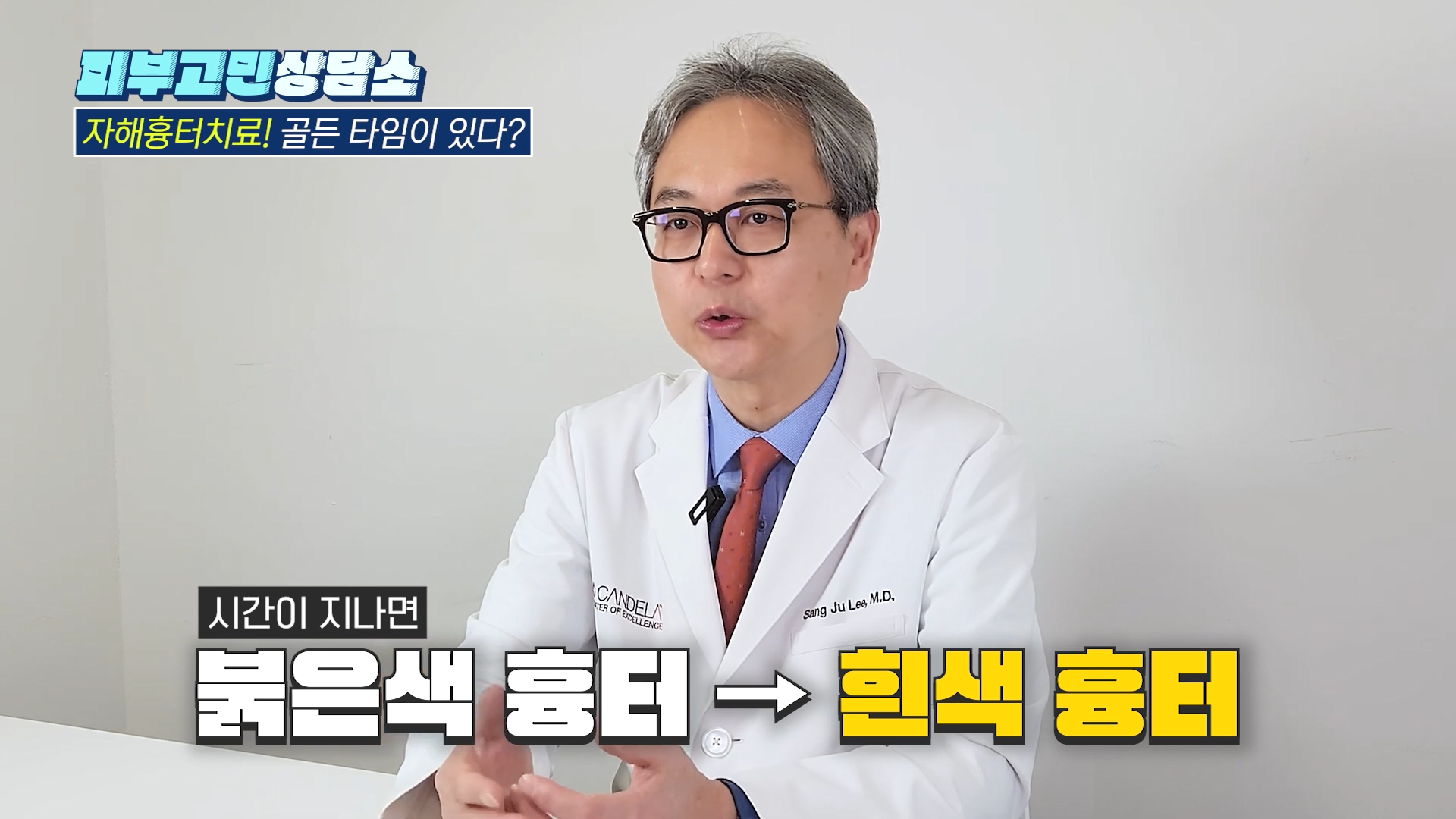
If the scar is still in the red stage, vascular lasers can be used to reduce excessively proliferated blood vessels, which may lead to a relatively good prognosis. If this period is missed or the scar is severe, it often settles as a white scar, but treatment is still possible. You may also find the Red Acne Scar Treatment Information helpful in understanding the stage-by-stage approach to scars.
If you have suffered from self-harm scars for a long time, it is a good idea to first check what stage your current condition is in. If you have any questions, you can easily ask them through Hesitation Wound Stage-by-Stage Treatment Consultation.
Surgery or Laser, Two Paths of Treatment
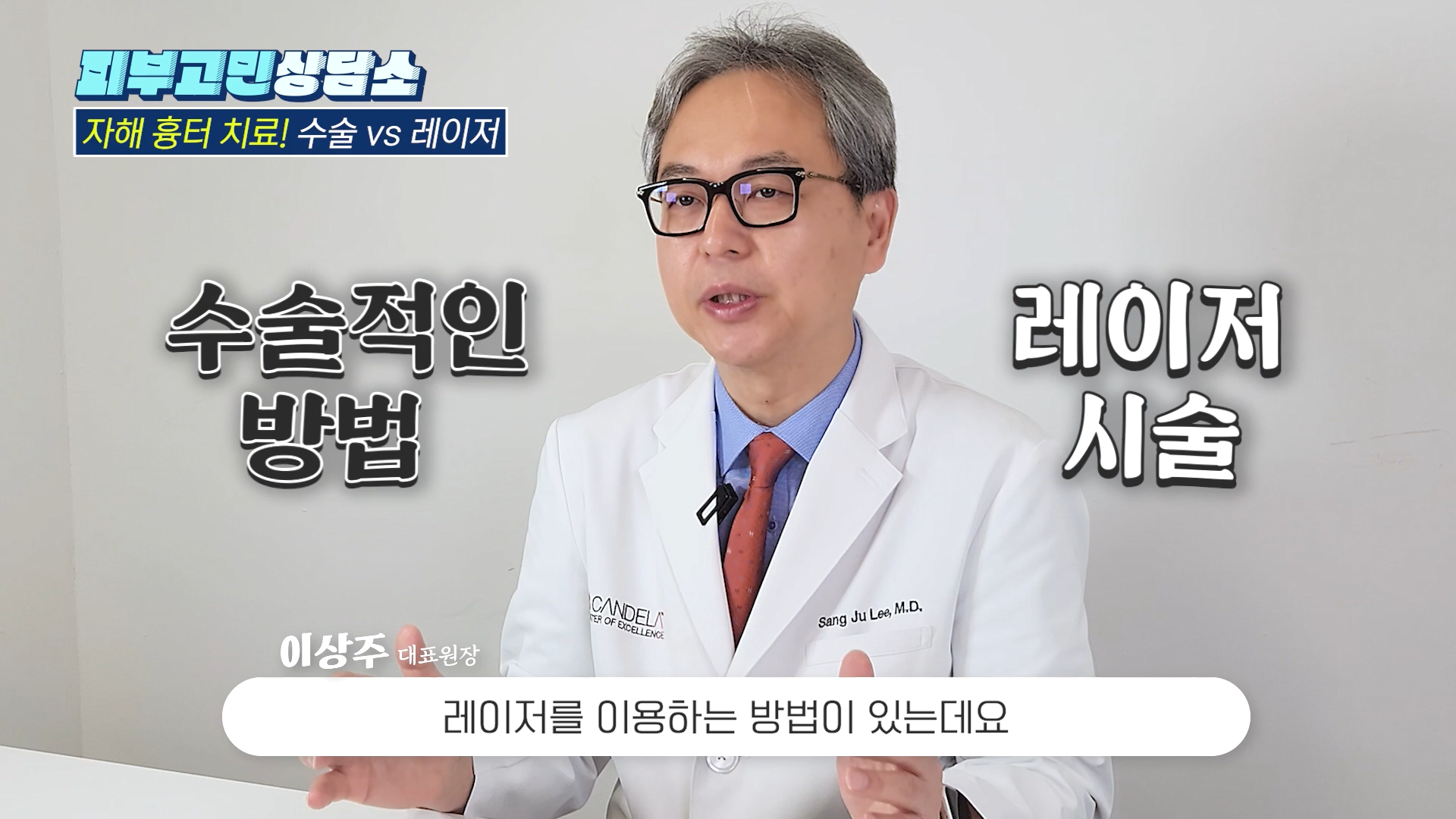
There are two main ways to treat scars.
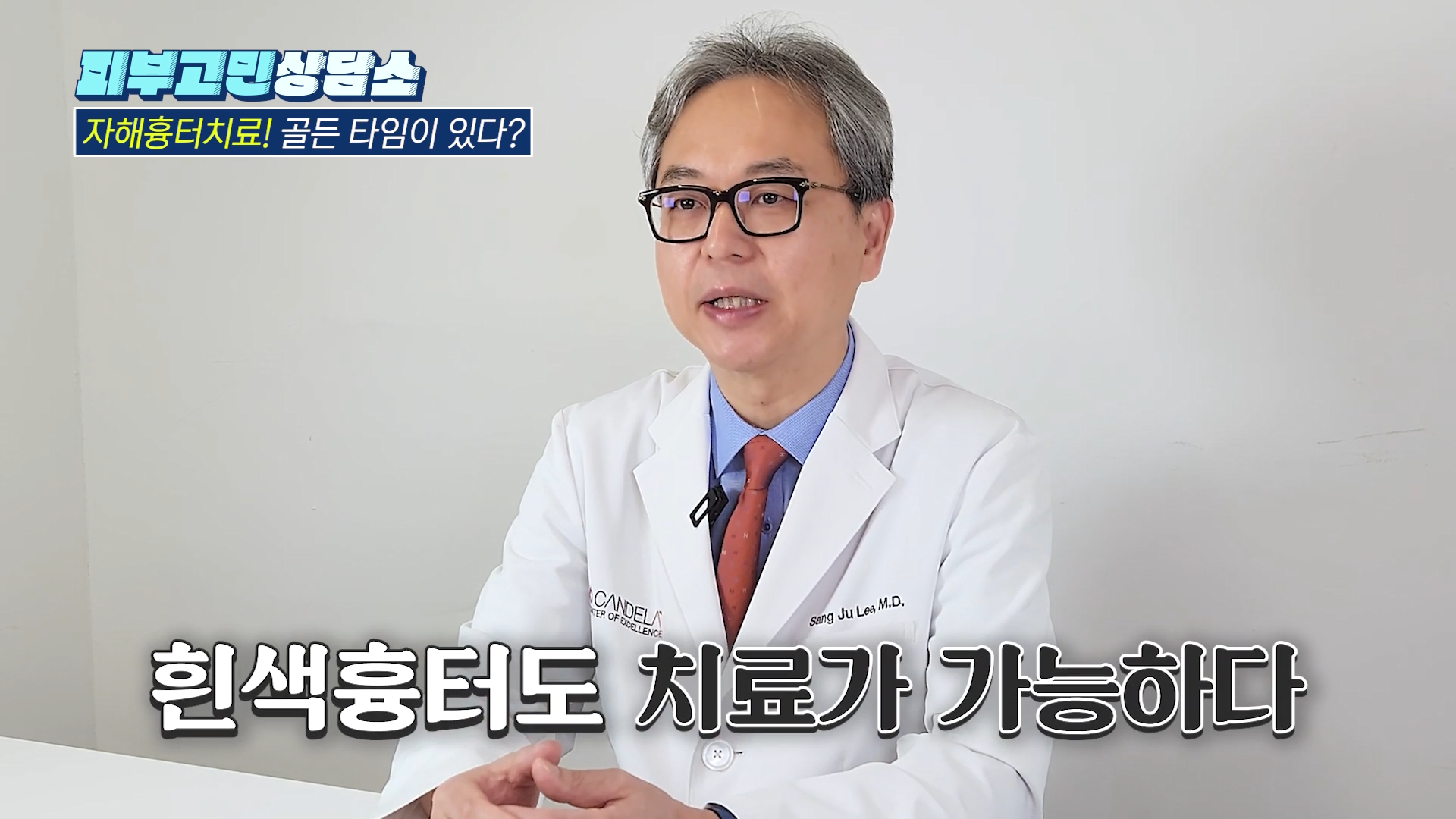

| Category | Approach | Characteristics |
|---|---|---|
| Surgical Method | Excising the scar and suturing in a zigzag pattern | Considered when there is a single scar; multiple scars may require skin grafting |
| Laser Method | Creating micro-holes to induce skin regeneration | Requires repeated treatments but is reported to be relatively safe |
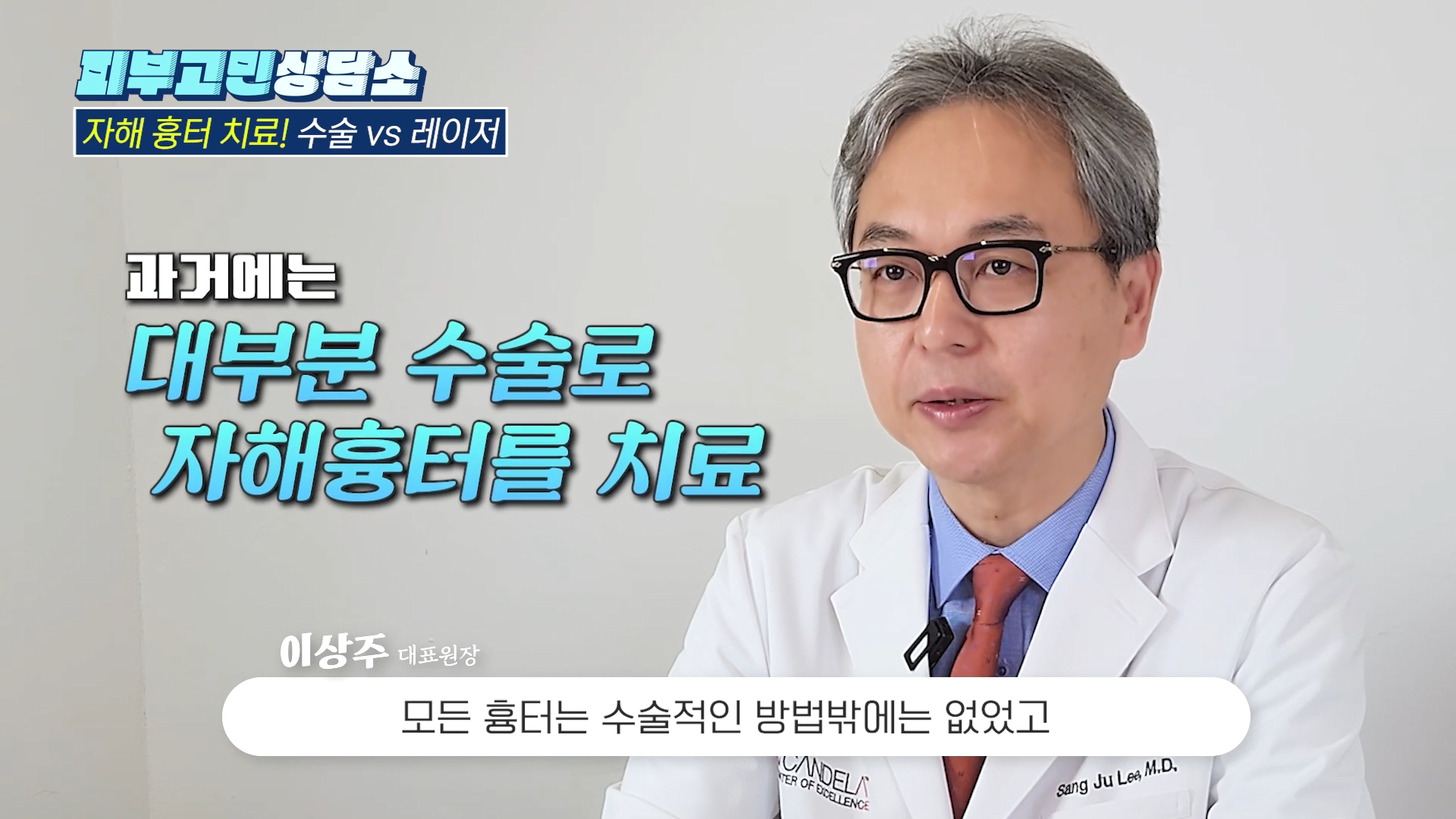
Before the development of lasers, the only treatment for hesitation wounds was surgical. Surgery involves excising a single scar and stitching it in a zigzag pattern, but in areas with a lot of movement, like the wrist, the scar might become more noticeable after treatment. If there are multiple scars requiring skin grafting, the scars in the grafted area can sometimes be more burdensome. If scar excision and suturing are necessary, it is advisable to also consider the scope of Surgical Scar Revision treatment.
Due to these limitations, surgical methods sometimes resulted in aesthetically unsatisfactory outcomes.
The Pinhole Technique, widely used recently
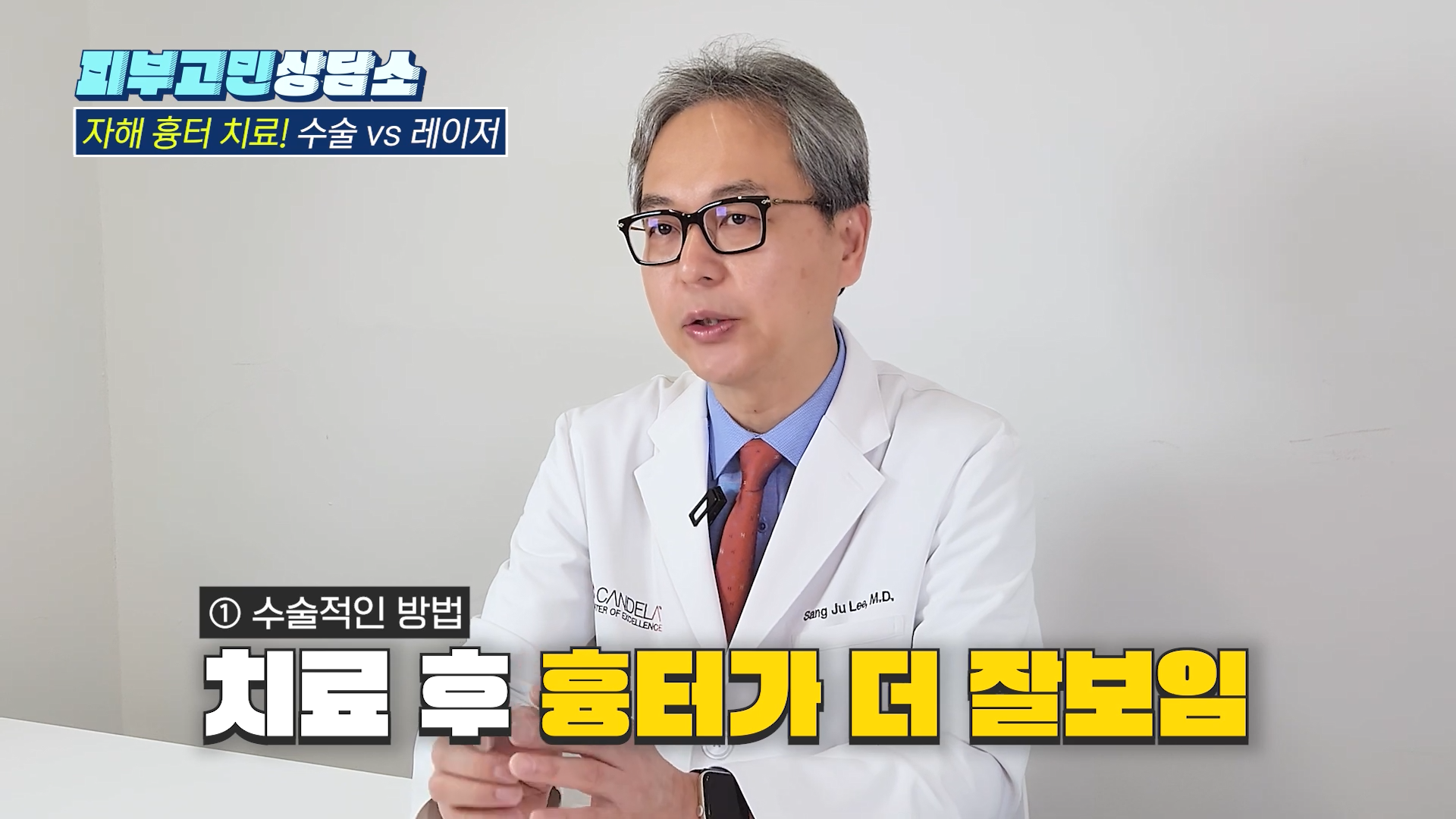
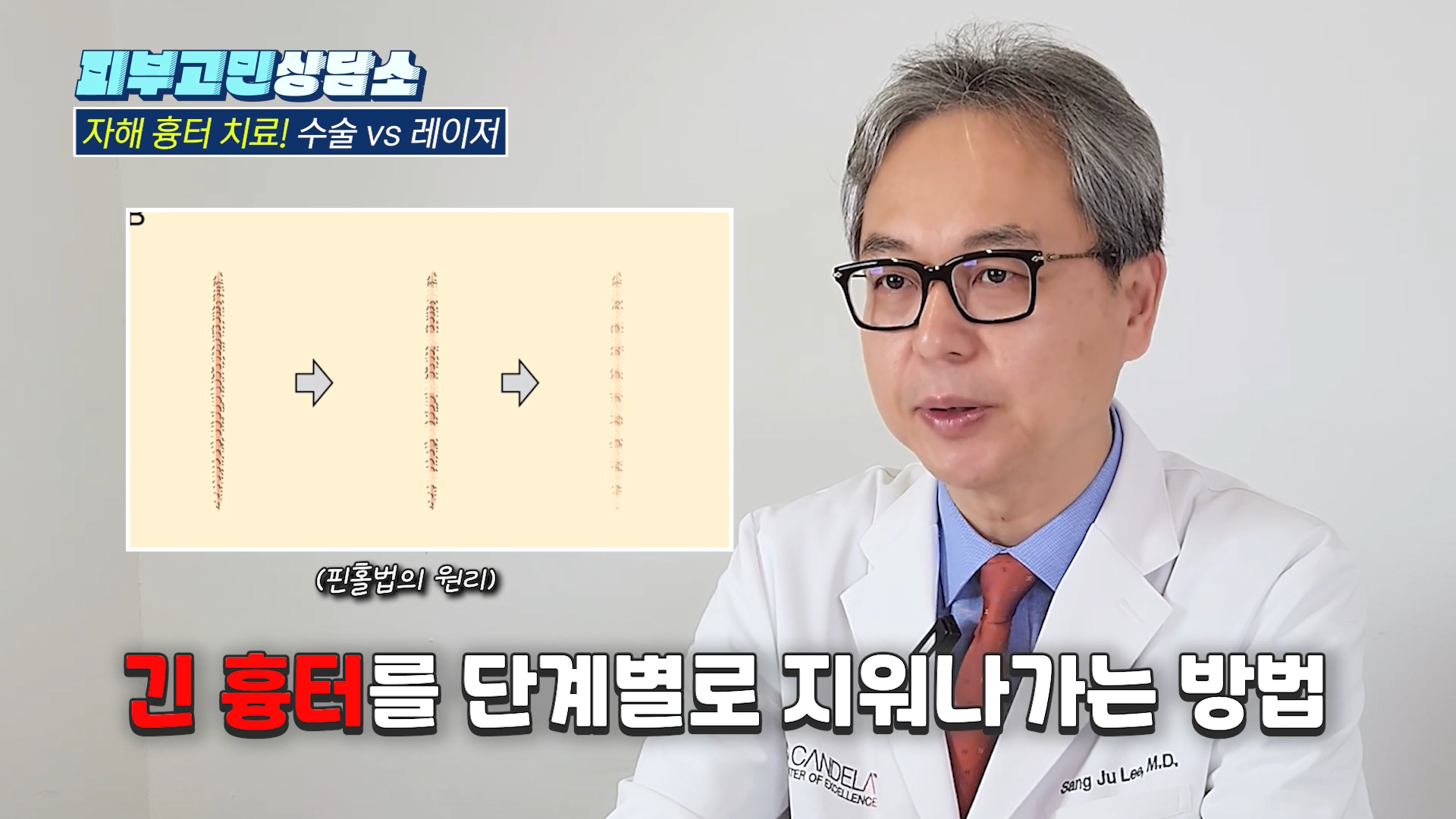
Various lasers have been attempted for self-harm scars, but currently, most doctors agree that the Pinhole Technique is effective. The Pinhole Technique induces regeneration by creating micro-holes in the scar, which can be understood as gradually erasing long scars.
One drawback is that it does not disappear with a single treatment and requires repeated treatments. However, it is widely used recently because no major side effects have been reported, and it is considered a relatively safe treatment. Since the application of Mild Pinhole scar treatment varies depending on the depth and condition of the scar, a plan will be established after consultation.
Can scars covered by tattoos be treated together?

Even with a tattoo, hesitation wounds are not completely covered. The scar lines often show through, which is why some people return to seek combined treatment for both the tattoo and the scars.

In such cases, laser treatment to remove the tattoo and laser treatment to erase the scars are performed concurrently. However, dealing with both simultaneously has the disadvantage of a longer treatment period and limited available lasers. If you need to remove the tattoo itself, checking the process of Tattoo Removal Treatment in advance can make planning easier.
Don't Hide, Remember These Things
Hesitation wounds are one of the scars for which treatment is highly important due to their visibility. To summarize, the four key points are: infection management in the wound stage, the golden time for scars, laser treatment centered on the Pinhole Technique, and combined treatment when tattoos are present.
Most importantly, it is crucial to start early, so rather than hiding, we recommend getting a consultation at the appropriate time to live your daily life comfortably. If you are unsure where to start, please use Hesitation Wound Treatment Consultation to have your current condition assessed.
Chief Director Lee Sang-ju (MD, PhD, Yonsei University College of Medicine and Graduate School, Completed Dermatology Residency at Severance Hospital, President of the Korean Dermatological Association) Chief Director Lee Sang-ju's Profile First Published 2024-07-04 / Last Reviewed 2026-06-16
Scar progression and treatment response vary by individual, so accurate diagnosis and treatment direction must be determined through consultation with medical staff.