

Stretch marks are a type of scar that occurs when the skin suddenly stretches, causing collagen and elastic fibers in the dermis to break. Common triggers include rapid growth during adolescence, weight changes due to pregnancy, and sudden weight gain over a short period. We frequently receive the question, "Once stretch marks appear, can they really disappear with treatment?" To answer directly, the treatment approach and cost for stretch marks vary depending on their color and depth, and improvement is reported when approached according to their condition.
Why are stretch marks so hard to get rid of once they appear?
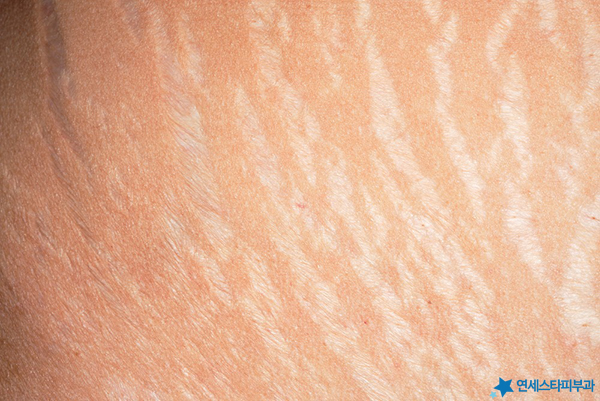
Stretch marks are not merely a surface pigmentation issue but a condition where the skin's internal structure is damaged. When dermal fibrous tissue tears in stretched skin, it initially appears as red lines where capillaries are visible. Over time, as the blood vessels subside, they turn white. Since the structure itself is altered, moisturizers or massages alone have limitations.
In the clinic, we often see patients with hardened white stretch marks who say they've "given up because they're old." Even for the same stretch marks, the difficulty of treatment varies significantly depending on their stage.
Types of Stretch Marks Vary by Color and Depth
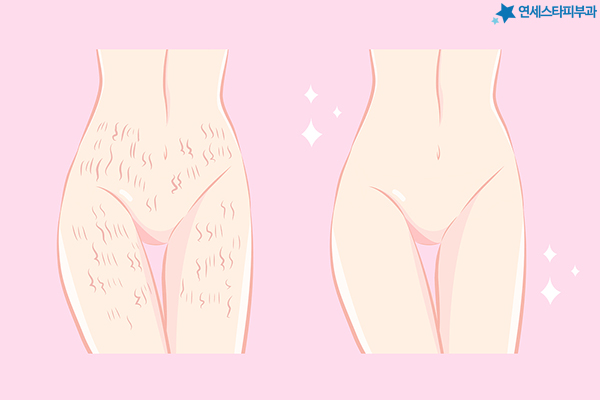
Stretch marks are broadly classified into three types based on their condition. Red stretch marks, which have appeared recently, are relatively easier to treat. As time passes, they can become severely cracked or leave depressed marks as white stretch marks, leading to higher treatment costs and longer durations.
| Stretch Mark Type | Condition | Treatment Approach |
|---|---|---|
| Red Stretch Marks | Early stage, reddish due to visible capillaries | Vascular laser to reduce redness, prevent progression |
| White Stretch Marks | Color faded over time | Collagen induction laser for gradual improvement |
| Cracked Stretch Marks | Deeply depressed and cracked form | Combined regenerative laser and Pinhole Technique |

The number of sessions required varies by individual, but it is generally difficult to complete treatment in a short period. Typically, 5 to 10 sessions, or even more, may be needed. Therefore, proceeding meticulously throughout the treatment period and starting with experienced medical staff can lead to satisfactory results relative to the cost.
What's the Difference Between General Care and Laser Treatment?

Typical at-home stretch mark care mostly involves creams, massages, and regenerative ointments. While these methods can be somewhat helpful for prevention or very early-stage management, they have significant limitations in improving established stretch marks.
Stretch marks are a condition where the dermal layer is damaged, so an approach that induces skin regeneration, rather than just surface care, is reported to be necessary.
In contrast, laser treatment directly acts on the damaged dermis to stimulate collagen regeneration. Combination treatments, such as fractional lasers, pico lasers tailored to the lesion's condition, and skin boosters like Rejuran, are possible, allowing for a customized approach to each individual's stretch mark stage.
If your stretch mark stage is ambiguous or you're unsure which treatment is right for you, we recommend checking your condition through chat consultation regarding stretch mark treatment.
Treatment Duration by Stretch Mark Type

Early-stage red stretch marks can have their redness reduced with vascular lasers like Vbeam Prima. Additionally, a preventive effect against progression to white or depressed forms can be expected.
Stretch marks are a type of scar formed within the skin, making them more challenging to treat over time. Therefore, if symptoms like whitening or cracking appear, treatment must proceed by boosting the skin's regenerative capacity.
In such cases, treatment is gradually performed with lasers that activate collagen and induce regeneration. Lasers like Ultrapulse Encore are utilized, and the Pinhole Technique is used to further enhance regeneration, improving the whitened areas and helping new skin grow in depressed areas. While it may cost more than early-stage treatment, improvement is reported even for old stretch marks that have been given up on, so you don't have to conclude it's too late.
Post-Care Checklist to Enhance Treatment Effectiveness
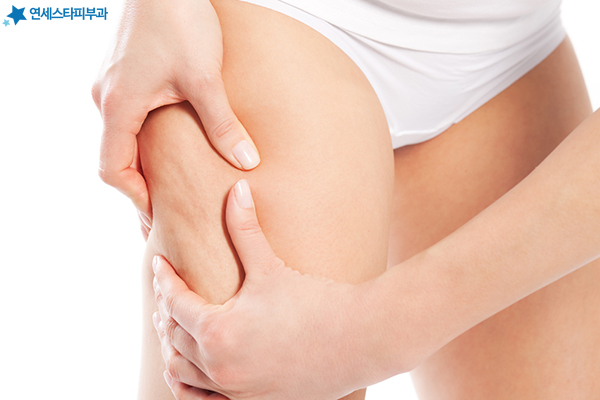
The effectiveness of treatment largely depends not only on the procedure itself but also on post-treatment care. Here's a checklist for good at-home post-care:
- Strengthen the skin barrier with moisturizing care to prevent re-damage
- Aid skin regeneration after treatment by consuming collagen
- Consistently apply sunscreen to prevent pigmentation
- Combine with regenerative and calming care programs provided by the clinic
Especially immediately after the procedure, you should avoid irritating scrubs, saunas, and strenuous exercise. It's important to be careful not to add further irritation to recovering skin.
Appropriate dietary control and exercise for weight management also positively influence preventing additional stretch marks. If you are taking steroid-related medications, these can act as another cause leading to stretch marks. Therefore, before management, it is a cost-effective method to have your condition diagnosed at the clinic and jointly review any lifestyle habits that need attention.
When is the Best Time to Start Stretch Mark Treatment?

Stretch marks are not just a cosmetic concern but a condition where the skin's structure itself is damaged, so leaving them untreated can make treatment more challenging. The key is that starting treatment when stretch marks are red can save both time and cost.
If you're curious about treatment costs, rather than simply comparing prices, the most accurate approach is to get an precise diagnosis of your stretch mark stage and develop a customized treatment plan. This is because the necessary procedures and number of sessions vary depending on the color and depth, even for the same area.
If you have any questions, we recommend checking your stage first through consultation for stretch mark diagnosis and treatment plan.

Sang-Joo Lee, Chief Director (MD, PhD, Yonsei University College of Medicine and Graduate School; Dermatology Resident, Severance Hospital; President, Korean Dermatological Association) Chief Director Sang-Joo Lee's Profile First Published 2025-06-24 / Last Reviewed 2026-06-16 This content is for general informational purposes only. The condition of stretch marks and treatment response may vary by individual. Please consult with medical staff for an accurate diagnosis and treatment plan.