

Scars from self-harm are not merely a problem of the skin's surface. The marks left on the body are often intertwined with emotional wounds. The first question people ask when they visit the clinic is often similar: "Can this scar really disappear?" To answer directly, while we cannot promise complete removal, we can certainly try to fade them to a degree where they are not largely noticeable in daily life.
This article summarizes the treatment perspective of Dr. Kang Jin-moon, the chief director at Yonsei Star Dermatology Sinchon, based on his insights. We will explain the mindset of medical staff facing self-harm scars and how treatment proceeds, from the patient's and guardian's point of view.

The Honest Feelings of Medical Staff Facing Scars
When we see someone with self-harm marks enter the consultation room, as medical professionals and as parents ourselves, our hearts first grow heavy. We are reminded of how difficult and lonely it must have been for them.
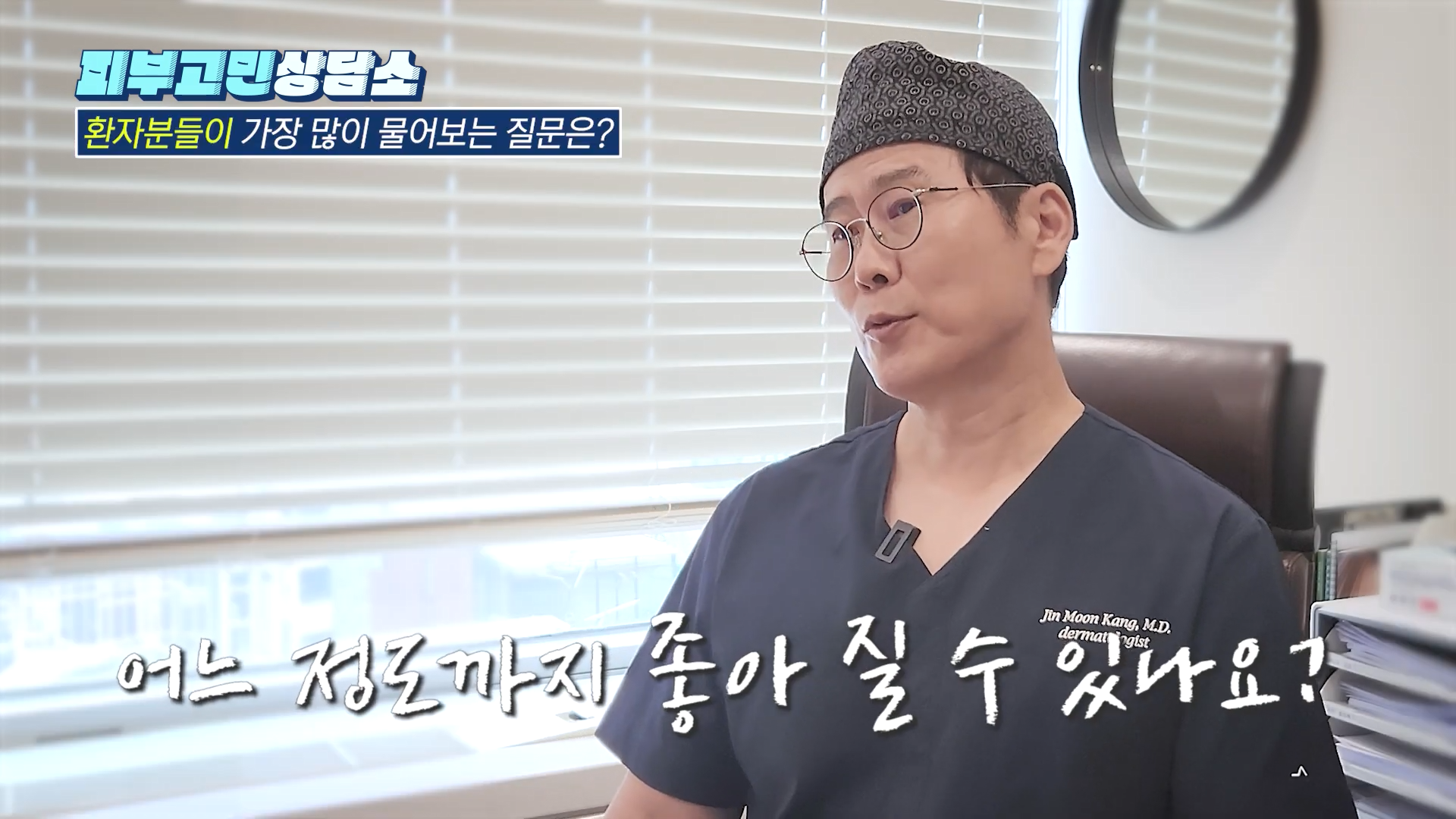
However, excessive emotional involvement is not always helpful for treatment. Instead, maintaining a calm distance and objectively examining the scar's condition can lead to better outcomes for the patient. Therefore, in the consultation room, we try to suppress our regrettable feelings and focus on how to improve the marks left on the skin.
Trust and Cooperation as the Starting Point of Treatment
When asked what is most important in self-harm scar treatment, the director replied that it is about building trust and gaining cooperation. This means that before any technical procedures, it is essential for the patient to open their heart and follow the treatment process together.
Half of self-harm scar treatment begins with trust between the patient and the medical staff.

However, in reality, cooperation is often not easy. Many individuals with self-harm scars also experience depression, and their desire to be alone can make it difficult for them to visit regularly.
Here are some important points for patients and guardians to keep in mind during the treatment process:
- Scar treatment does not end in a short period, and consistent visits determine the outcome.
- It is important not to give up midway, even if changes are not visible after one or two procedures.
- Adhering to the scheduled treatment plan and post-care instructions helps with recovery.
- It is best to honestly share any changes in scar condition and overall well-being with the medical staff.

Reasons for Extended Treatment Periods
Scars are marks left after skin damage and during the healing process, making it difficult to completely resolve them in a short period. Therefore, one of the most concerning aspects for medical staff is when patients stop treatment due to disappointment from expecting significant changes in a short time.
As this is an area that requires long-term treatment, the speed of scar improvement can be significantly better when conducted with trust and cooperation. For similar concerns, reviewing approaches to Surgical Scar Revision or Scars After Cosmetic Surgery may also be helpful for understanding.

Aligning with Realistic Expectations
The most challenging part of consultation is not the technique, but aligning expectations with reality. Those who have researched sufficiently online already know that scars do not disappear easily and wish for them to be as inconspicuous as possible. Conversely, those who come without much information may expect the marks to vanish completely.
| Patient Type | Common Expectation | Shared Goal |
|---|---|---|
| Those who researched beforehand | As inconspicuous as possible | Faded enough to be barely noticeable from a distance |
| Those who came without information | Marks to disappear completely | Faded enough not to be a burden in daily and social life |
The ultimate goal is for the scars to be barely noticeable at a glance or not to be a significant concern in social situations. If you are curious about specific approaches to scar restoration, you may refer to the Surgical Scar Revision guide.
Feel free to ask any questions through chat consultation about self-harm scar treatment directions.

The Change Created by Small Improvements
Once treatment begins and patients see their marks fading with their own eyes, that itself becomes a small hope.

It is when confidence gradually recovers and courage for the future emerges that medical staff feel the greatest reward. The degree and speed of scar improvement can vary from person to person, but even small signs of change can be a catalyst for renewed hope.

The Significance of the Guardian's Role
In fact, just as important as the treatment is the attitude of parents and guardians. In adolescent relationships with parents, neither excessive overprotection nor indifference or neglect is desirable.
The best approach is ordinary, consistent love, neither obsessive nor neglectful. It is good for both the patient and the guardian to understand and consider these aspects together. We hope you no longer focus solely on covering the marks, but can gradually shed them through treatment.
If you are curious about the possibility of small changes, please use the scar treatment consultation chat.

Chief Director Lee Sang-joo (MD, PhD, Yonsei University College of Medicine and Graduate School, completed dermatology residency at Severance Hospital, President of the Korean Dermatological Association) Chief Director Lee Sang-joo's Profile First Published 2024-08-20 / Last Reviewed 2026-06-16
This article contains general information, and since scar conditions and recovery patterns can vary from person to person, please consult with medical staff for an accurate diagnosis and treatment plan.