
![Checklist for Melasma Laser Treatment: Reducing Side Effects and Enhancing Efficacy | [Yonsei Star Dermatology Sinchon]](/_next/image?url=https%3A%2F%2Fagqdgbuateknhwpocrgu.supabase.co%2Fstorage%2Fv1%2Fobject%2Fpublic%2Fsources%2Fbbf3bebe-45b6-4415-bd04-bda18b2cac0f%2Fblog-images%2F223951507930_00_552bb175b6a3.jpg%3Ftype%3Dw966&w=3840&q=75)
Melasma is a brown pigmentary disorder that spreads symmetrically on both sides of the face, such as the forehead, cheekbones, and around the cheeks. If you're bothered by uneven skin tone every time you look in the mirror, the first question that comes to mind is likely, "Can I get rid of it all at once with a laser?" To answer directly, melasma is not a pigment that can be erased in one go; the principle of treatment is to gradually lighten it over multiple sessions while minimizing irritation.
Why does melasma, once it appears, not disappear easily?
The causes of melasma are known to be UV radiation, hormonal changes, and repeated skin irritation. It's a condition where melanocytes deep within the skin become excessively activated, continuously producing pigment. Once established, it tends to darken rather than lighten naturally.
Therefore, if left untreated, the area can widen and the color can deepen, making the overall skin tone appear dull. This is why considering melasma laser treatment early is often recommended.
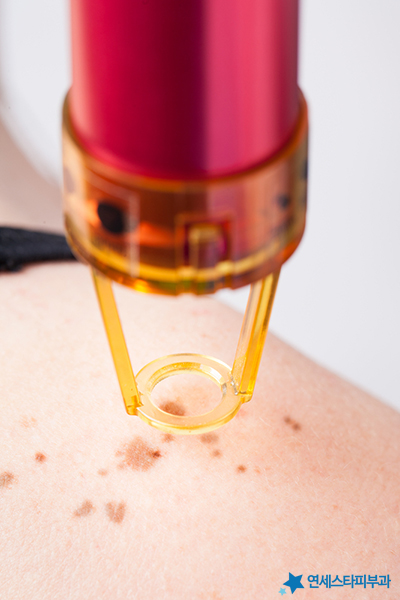
Why laser toning became established instead of strong lasers
In the past, treating melasma with IPL or high-energy lasers was common. However, this method could cause side effects such as post-inflammatory hyperpigmentation, hyperpigmentation, and melasma recurrence. Laser toning emerged to reduce these problems.
Laser toning involves repeatedly irradiating with a Q-switched Nd:YAG laser at low energy. By consistently performing treatments at 1-2 week intervals for 10 or more sessions, melanin pigment is gradually broken down to alleviate melasma. Its characteristic is repeated treatment without strong irritation, an approach that can lead to improvement with less burden on the skin.
Pico Toning, a more precise melasma laser treatment

The PicoWay device, which uses a shorter pulse width (picoseconds) than traditional laser toning, breaks down pigment more finely. It selectively destroys melanin particles and minimizes damage to surrounding tissue, reportedly showing better responses even for stubborn melasma.
Pico toning using PicoWay is evaluated as a precise and fast-acting method among melasma laser treatments. However, with any device, the intensity must be adjusted according to the skin condition and depth of the pigment. If you have similar concerns about epidermal pigment, reviewing the Epidermal Pigment Removal section may also be helpful for understanding.
Why 'gently many times' instead of 'strongly once'
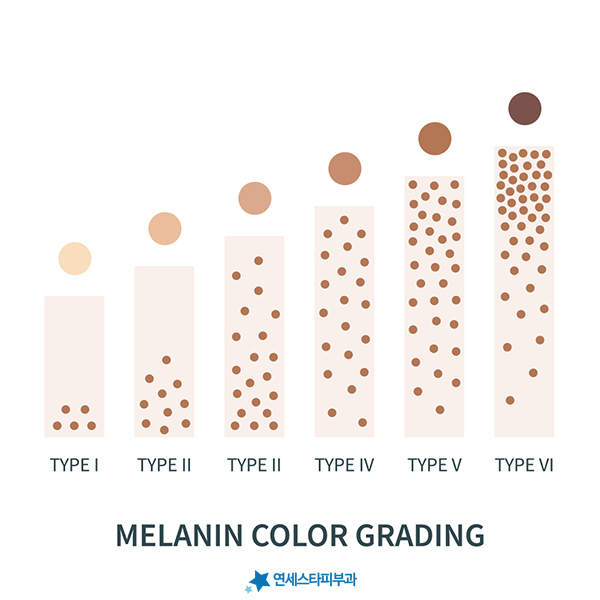
Melasma is a state where melanocytes are excessively activated. If strong energy is applied at this time, it can lead to rebound phenomena where the pigment actually darkens, burns, hyperpigmentation, or in severe cases, even scarring.
The principle of melasma laser treatment is 'gently many times' rather than 'strongly once'. Slowly eliminating melanocytes is the way to reduce side effects and continue improvement.
In the clinic, we often see that those who desire quick results and strong treatments suffer more from rebound. Prioritizing stability over speed in pigment treatment ultimately leads to a faster path to improvement.
Checklist to confirm before receiving melasma laser treatment

Before choosing a clinic, checking the following items can be helpful:
- Whether they are equipped with pigment treatment devices like Q-switched Nd:YAG and PicoWay
- Whether they aim for low-energy repeat treatment rather than strong single-shot treatments
- Whether a dermatologist specializing in pigment treatment with extensive experience performs the procedure directly
- Whether there is a personalized treatment plan that adjusts intensity, treatment cycle, and number of sessions according to skin characteristics
- Whether they provide follow-up care and recurrence checks after treatment
Considering these aspects can help improve results and reduce the risk of side effects. If you wish to lighten pigment and refine your skin tone simultaneously, you can also discuss parallel management options like Customized Whitening Solution during your consultation.
If you're curious about the treatment direction, please use Inquire about Melasma & Pigment Treatment via Chat.
Post-treatment care is as important as the treatment itself

Melasma is a representative pigmentary disorder with a high possibility of recurrence. Even with good equipment, the duration of treatment effectiveness varies greatly from person to person depending on subsequent care. After the procedure, taking care of the following helps with recovery:
- Apply sunscreen with SPF50 or higher before going out
- Block direct sunlight with a hat or parasol
- Apply enough moisturizer to keep the skin from drying out
- Avoid strong exfoliation or rubbing that irritates the skin

Especially during periods of strong sunlight, the importance of UV protection increases. Even with low-energy treatment, a personalized plan that adjusts intensity according to skin characteristics and carefully matches the treatment cycle and number of sessions must accompany it to maintain stable results.
What's the difference between strong treatment and toning treatment?

The differences between the two methods are summarized as follows:
| Category | Strong Single-Shot Laser | Low-Energy Toning Treatment |
|---|---|---|
| Energy | High output | Low output, repeated |
| Number of Sessions | Fewer sessions | Multiple sessions at 1-2 week intervals |
| Side Effect Tendency | Rebound, pigmentation reported | Aims to reduce irritation |
| Target | Some dark pigments | Symmetrical pigmentary disorders like melasma |
Melasma is a treatment that is difficult to complete in a short period. Therefore, choosing a method and clinic that can provide thorough and consistent care until the end is closer to the path of returning to bright and even-toned skin.
In conclusion

Melasma can spread widely and darken over time, so relatively early treatment is recommended, but it is equally important to carefully assess the condition and choose a safe method. As laser toning has become more widely known and available, careful selection has become even more necessary.

We hope this article helps you maintain healthy and clear skin through proper methods and consistent care. If you need more detailed consultation, please feel free to inquire via Melasma Laser Treatment Chat Consultation.

Chief Director Lee Sang-joo (MD, PhD, Yonsei University College of Medicine & Graduate School, completed dermatology residency at Severance Hospital, President of the Korean Dermatological Association) Chief Director Lee Sang-joo's Profile First published 2025-07-29 / Last reviewed 2026-06-16
This article provides general information, and since the course of pigmentary disorders and treatment responses vary individually, please consult with medical staff for an accurate diagnosis and treatment plan.