

Many people who see white, sunken marks on their abdomen, chest, and thighs after pregnancy and childbirth wonder, "Will these never disappear with cream?" To answer directly, it is difficult to return already established stretch marks to their original skin condition with just moisturizing cream, but there is certainly room for improvement if the timing and method are right.
Why do stretch marks appear during pregnancy?
Typically, the abdomen begins to noticeably protrude around the fifth month of pregnancy. At this time, the underlying skin that holds and supports the fetus, amniotic fluid, and placenta stretches rapidly, tearing the elastic fibers inside and causing stretch marks.

Pregnancy stretch marks appear not only on the abdomen but also on the chest, buttocks, and thighs. This is because subcutaneous fat in other areas also increases to protect the fetus and accumulate nutrients.
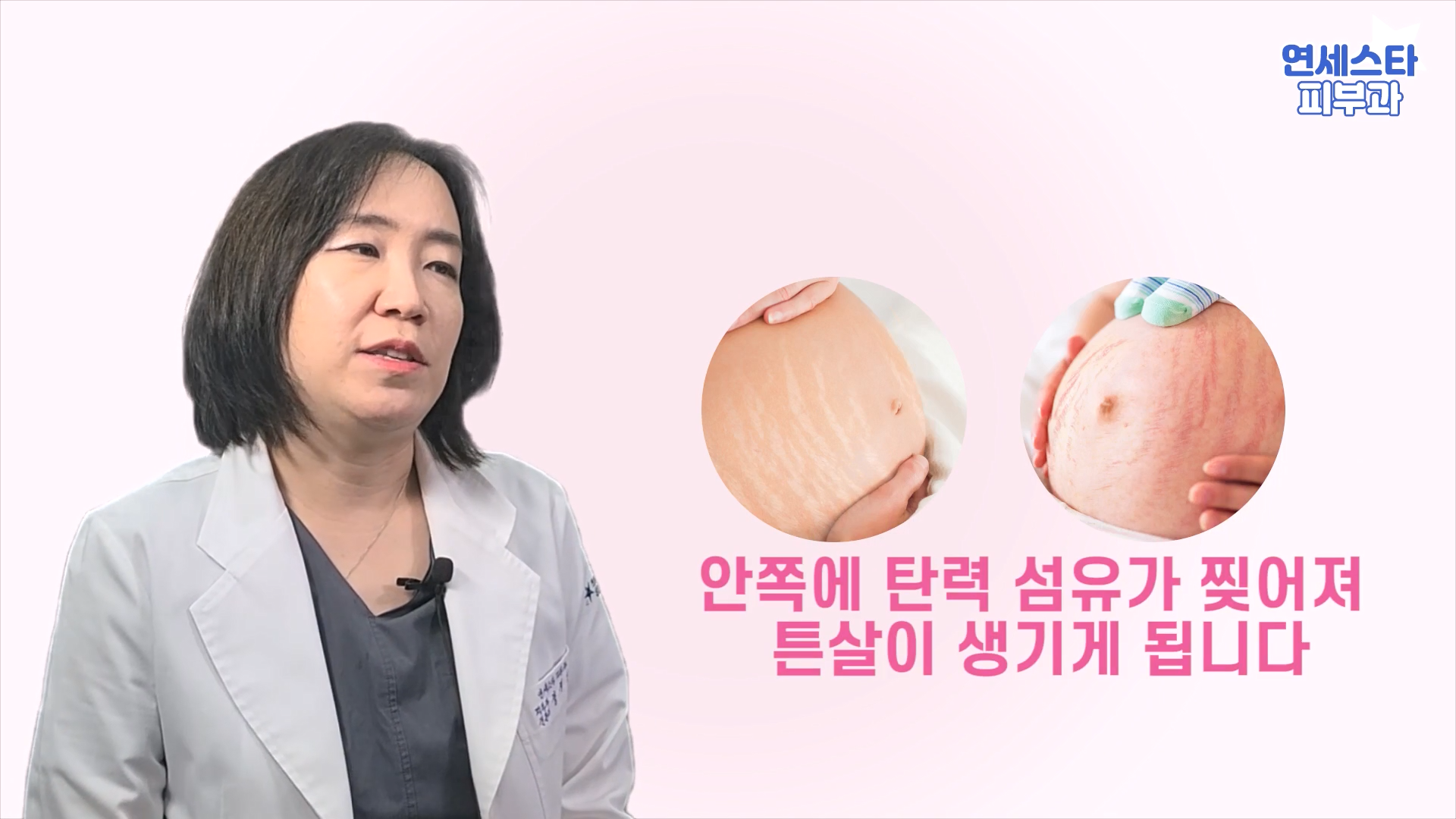
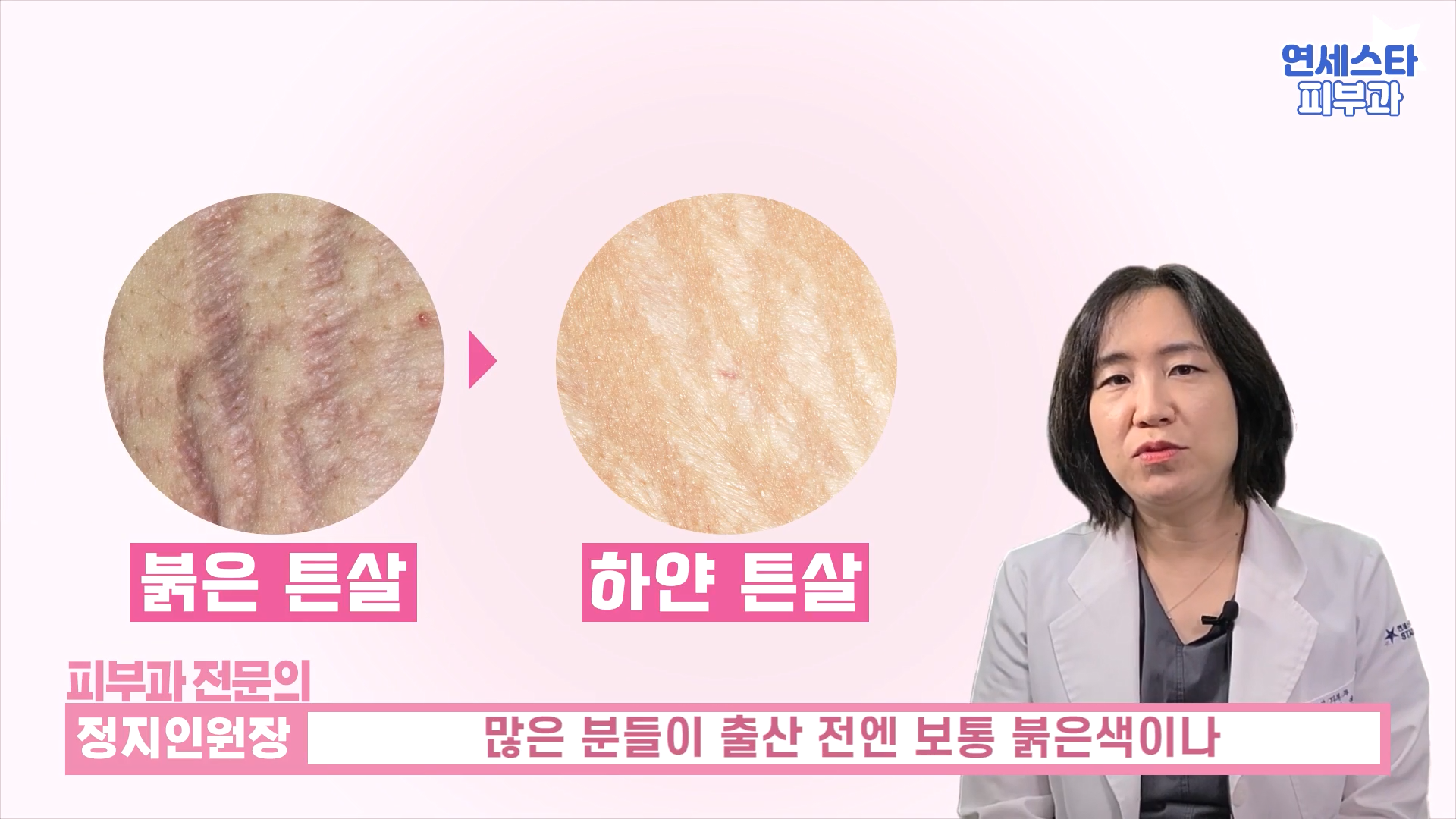
From red stretch marks to white stretch marks: Why the color changes
Stretch marks initially appear red because they are wounds in the dermis and subcutaneous tissue caused by torn fibers. They then turn brown, and once they settle as scars, they remain as white, sunken forms. Rather than being completely white, the skin is thinned, so the subcutaneous tissue may show through, giving them a slightly purplish tint.
| Stage | Color and Form | Characteristics |
|---|---|---|
| Early | Red | Stage of injury to the dermis and subcutaneous tissue |
| Mid | Brown | Process of settling into a scar |
| Late | White, sunken form | Skin thins, sometimes appearing purplish |
In the clinic, since the treatment approach for the red stage and white stage differs, identifying which stage your stretch marks are in is the first starting point.

Who is more prone to them?
They do not necessarily occur in all pregnant women, but the likelihood increases significantly if affected by hormones or if the abdomen swells to full term. Factors to consider in advance are as follows:
- If your mother or older sister had stretch marks during pregnancy, there is a higher chance due to genetic factors.
- If the abdomen grows rapidly and to full term.
- If the skin is dry and its elasticity is reduced.
- Paying attention to moisturizing by frequently and sufficiently applying moisturizing creams or oils containing ingredients like Centella asiatica from around 4-5 months of pregnancy can help prevent them.
Reviewing the characteristics and management of white stretch marks in advance can help you gauge prevention and early response timing.

Red stretch marks, what if they've already appeared?
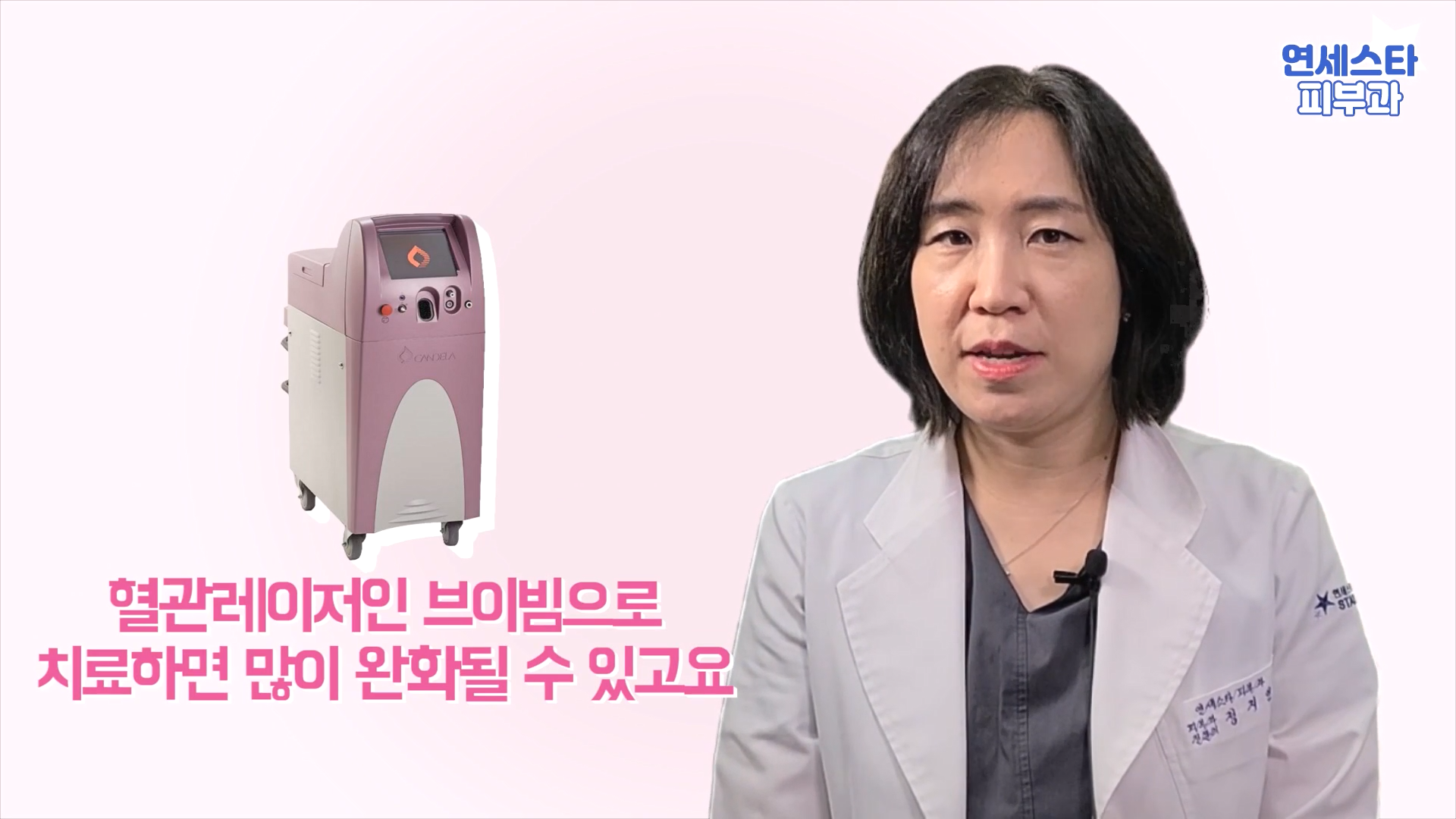
If red stretch marks have already appeared, treatment with the Vbeam vascular laser can significantly alleviate them.

If red stretch marks remain immediately after childbirth, an ointment containing tretinoin, a vitamin A derivative, may be considered. However, tretinoin should not be used during pregnancy, and it may irritate sensitive skin, so it is recommended to consult thoroughly with a dermatologist before use.
If you are curious about managing the red stage, you can check the appropriate direction for your stage through chat consultation about red stretch mark management.
Stretch marks do not disappear on their own
Unfortunately, stretch marks do not disappear naturally. A fading color is not disappearance but part of the change process.
Many people often assume that red stretch marks before childbirth have disappeared when they gradually turn white after childbirth. However, that is merely part of the stretch mark's transformation process, not a true disappearance.

If left untreated in the early stages, they will remain as white, sunken forms. White stretch marks have a different approach to treatment than red stretch mark treatment and are relatively more challenging to treat, so it is recommended to start management during the red stretch mark stage if possible.

White stretch marks, there are still options
Although challenging to treat, improvement is not entirely impossible. Yonsei Star Dermatology Sinchon views white stretch marks as a type of scar and has applied the Pinhole Technique to stretch mark treatment since the mid-2000s. This method creates microscopic holes in the stretch mark area with a carbon dioxide laser to induce regeneration similar to the surrounding healthy skin.
A study published by our clinic in 2010 reported improvement and satisfactory results in numerous cases.
Laser treatment is considered advantageous because it can be performed even during pregnancy after thorough consultation with a dermatologist. However, the effectiveness and course may vary individually. There have been cases where noticeable improvement was observed even in stretch marks that were over 10 years old, so if you are stressed by pregnancy stretch marks, we recommend consulting with a dermatologist experienced in stretch mark treatment.
If you are curious about Pinhole Technique-based stretch mark procedures according to the scar stage, feel free to inquire below.
💬 Inquire NowThank you for reading.

Chief Director Lee Sang-Joo (Yonsei University College of Medicine & Graduate School, Doctor of Medicine, Completed Dermatology Residency at Severance Hospital, President of the Korean Dermatological Association) Chief Director Lee Sang-Joo's Profile First published 2024-06-17 / Last reviewed 2026-06-16
This article contains general information about stretch marks, and treatment effects and progress may vary by individual. Therefore, please confirm an accurate diagnosis and treatment plan through consultation with medical staff.