
![Can Old Chickenpox Scars Be Improved? Causes and Characteristics of Chickenpox Marks | [Yonsei Star Dermatology Sinchon]](/_next/image?url=https%3A%2F%2Fagqdgbuateknhwpocrgu.supabase.co%2Fstorage%2Fv1%2Fobject%2Fpublic%2Fsources%2Fbbf3bebe-45b6-4415-bd04-bda18b2cac0f%2Fblog-images%2F224298133884_00_0292a9b07290.jpg%3Ftype%3Dw966&w=3840&q=75)
Marks left on the face after suffering from chickenpox in childhood often remain as bothersome traces even into adulthood. The first question that comes to mind is usually similar: "Can marks that are decades old still be improved now?" To answer directly, chickenpox scars are unlikely to disappear on their own over time, but gradual changes can be expected by externally stimulating the skin's regenerative response.
Why Do Chickenpox Scars Remain Unchanged Over Time?
Chickenpox virus penetrates deep into the dermal layer of the skin, damaging tissue. If collagen is not sufficiently produced during the healing process, the skin hardens in a depressed state. This is a chickenpox scar. Because it is not a surface wound but a structural damage to the dermal layer itself, there are limitations to recovery with only moisturizers or regenerative creams.

Especially for old marks remaining after adulthood, the skin's own regeneration rate is already slowed. In this state, it is difficult to expect depressed marks to fill in on their own unless the regenerative response is actively stimulated externally. Information on depressed acne scars, which are often discussed alongside similar concerns, also shares the same principle of approach due to dermal layer damage.

The Key is Activating Skin Regeneration, Not Just Equipment
The most important concept in chickenpox scar treatment is 'activating skin regeneration'. For depressed scars to fill in, new collagen must be created in the dermal layer, and new skin must grow around the damaged tissue.
The improvement of depressed scars begins with the skin's own regenerative response to produce collagen again.
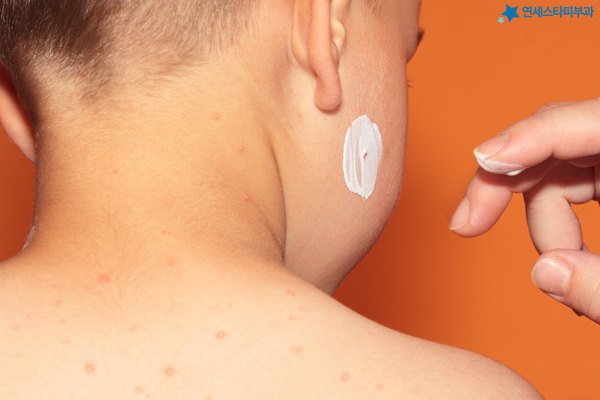
Regenerative lasers work by externally stimulating this process to re-initiate the skin's own regenerative response. When the laser creates microscopic thermal stimulation zones in the dermal layer, the skin perceives this as damage and begins a recovery response. In this process, elements necessary for elasticity recovery, such as collagen, are newly generated, and the depressed areas are gradually filled, leading to a smoother surface.

Improvement is not achieved with a single treatment but gradually through repeated stimulation and recovery processes. In the clinic, what determines the outcome is often not the name of a single device, but how accurately the stimulation is delivered to the dermal layer.

Why is a Specialist's Judgment Important for Lasers Suited to Your Condition?
The regenerative laser applied varies depending on the depth and condition of the chickenpox scar. Depending on the scar's state, it may be used alone or in combination sequentially. Therefore, choosing a dermatologist with a thorough understanding of scars and a clinic that can meticulously select the appropriate equipment for the situation is paramount.

Factors commonly considered when determining the treatment direction include:
- How deep the scar is and whether its edges are distinct
- How long ago the mark appeared
- Whether the marks are concentrated in one area or widely spread
- Whether redness or pigmentation is also present
These factors are comprehensively considered to design the direction and number of sessions for a scar revision approach using regenerative lasers. Unlike simple pigmented blemishes, depressed scars require structural restoration, so the approach itself differs from epidermal pigment removal procedures.
For questions, inquire via chat consultation regarding chickenpox scar treatment direction
From Dermabrasion to Combined Intracision
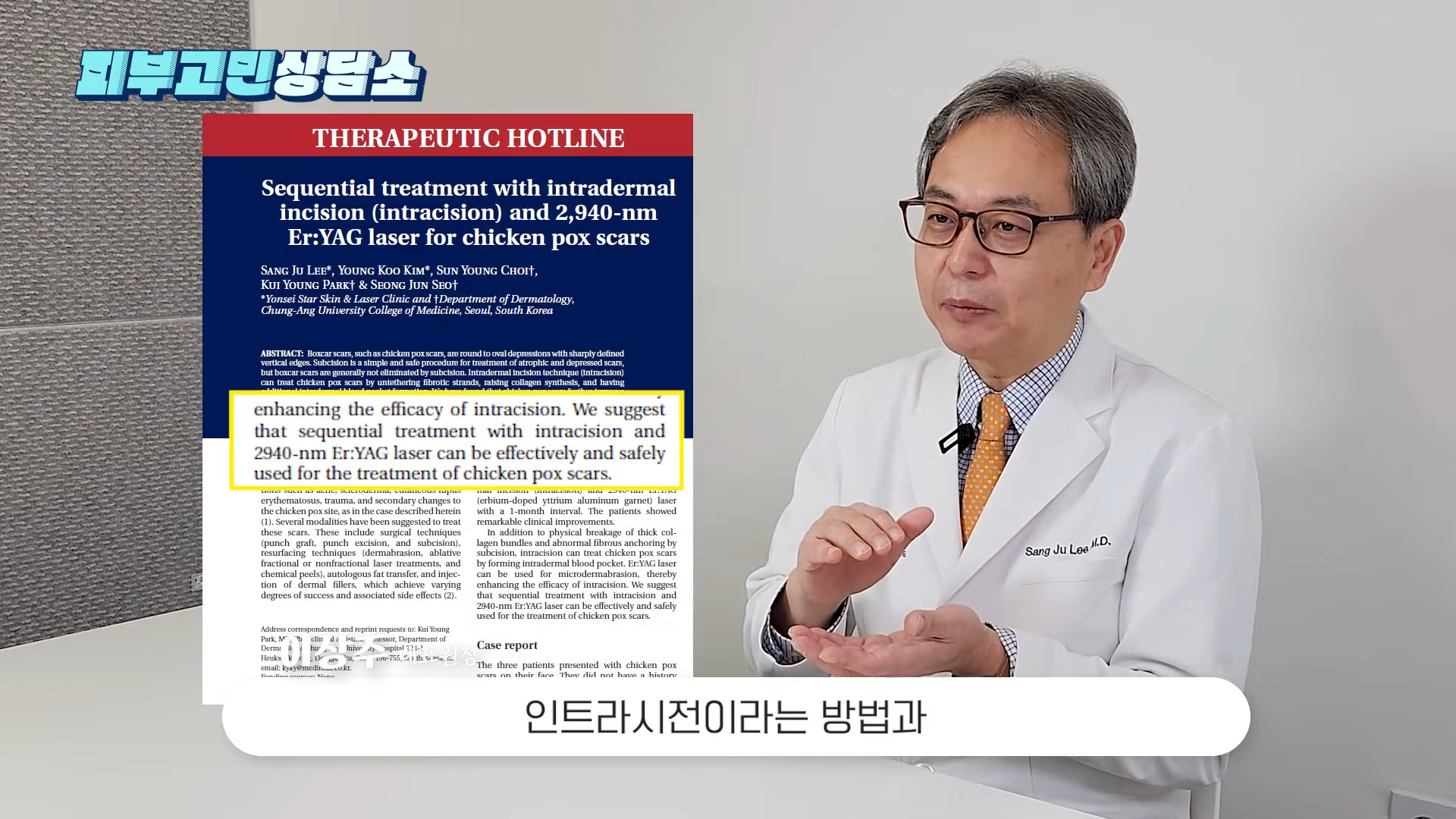
Dermabrasion was one of the methods widely used in the past to improve chickenpox scars. While it had some therapeutic effect, there were elements that made it difficult to expect satisfactory results, such as severe redness in the treated area or widening of the depressed area. Intracision combined with an Er:YAG laser is an applied method that complements these inconveniences and can lead to better changes.

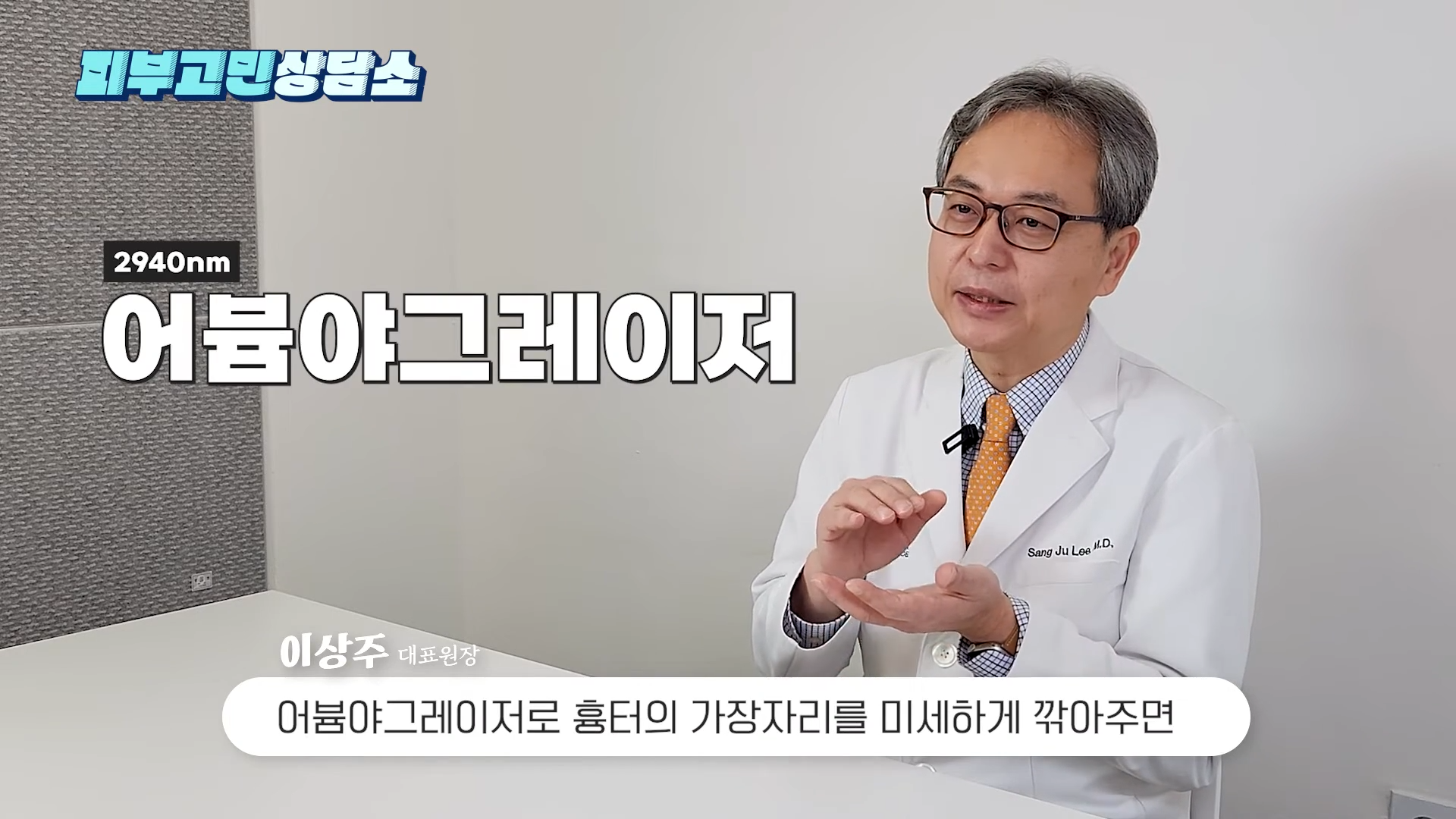
Intracision, an application of the Subcision method, helps the depressed areas that were not filling in well to recover naturally by cutting the fibrous tissue pulling the skin downwards. The skin gradually fills in about a month after the procedure. At this time, if the regenerated skin is refined with an Er:YAG laser, it can reduce unevenness and create a flow that restores it closer to its original state.

Step-by-Step Recovery Process
The process of loosening and refilling fibrous tissue in the dermal layer proceeds in stages. The table below shows the generally guided flow, and actual progress and number of sessions may vary individually.
| Stage | Main Action | General Guidance |
|---|---|---|
| Intracision | Separating pulling fibrous tissue | Starting point for releasing depressed areas |
| Recovery Period | Collagen generation, new skin growth | Observe progress for about one month |
| Er:YAG Refinement | Surface texture smoothing | Alleviating unevenness |
| Repeated Stimulation | Gradual improvement | Repeat at one-month intervals |
What is important is not which equipment is used, but how effectively the regenerative stimulation appropriate for the individual's scar condition is delivered to the dermal layer. The more active the regeneration, the more naturally the depressed areas fill in, leading to a smoother surface recovery.

Things to Know Before Treatment
We have summarized points that may help you prepare mentally before starting treatment.
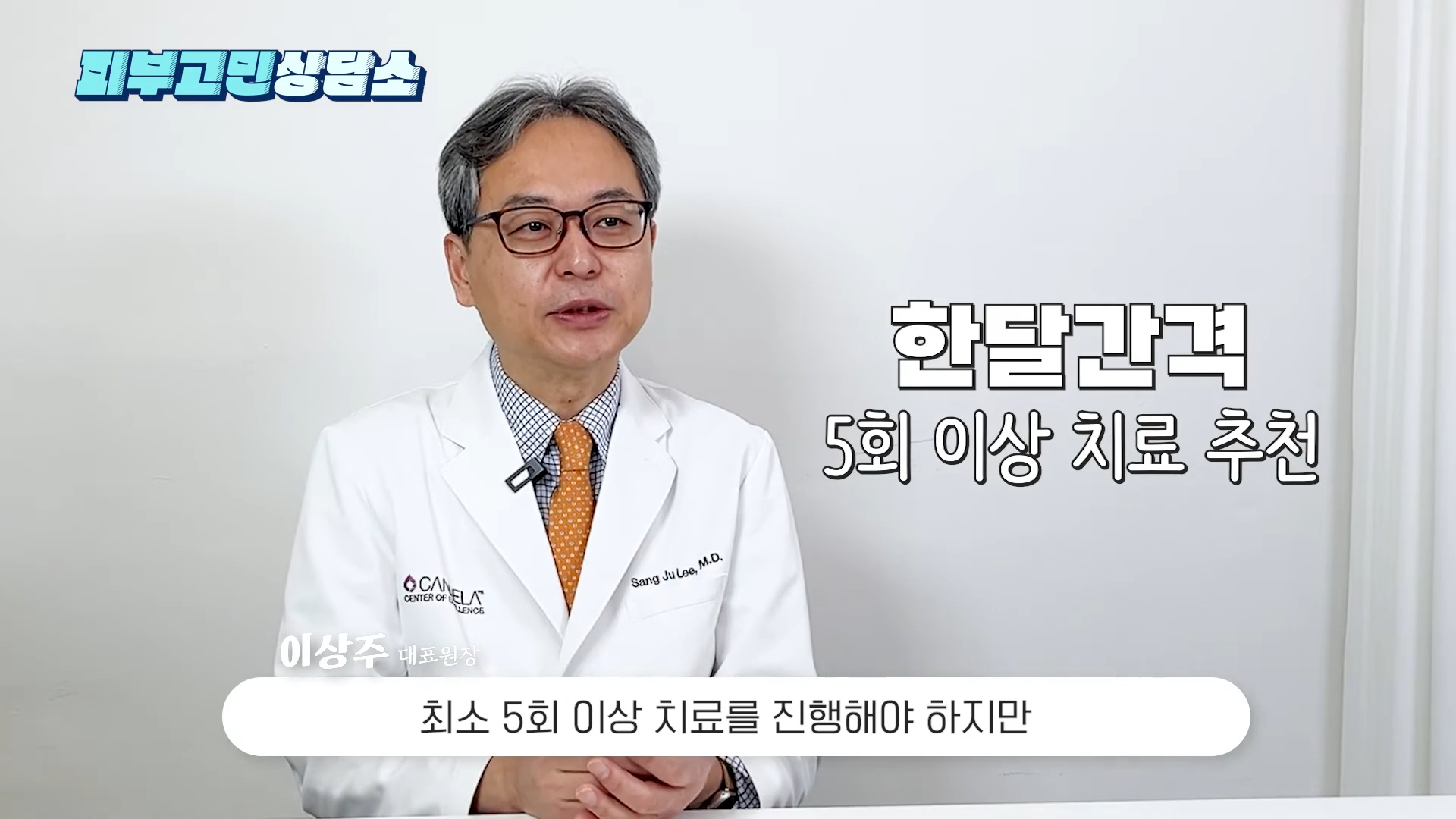
- It is usually performed about 5 times at one-month intervals, so it is good to allow ample time rather than expecting a one-time solution.
- As it involves a regeneration process, improvement is gradual rather than immediate.
- After treatment, it is reported to be maintained for a relatively long time unless there are special circumstances such as contracting chickenpox again.
- If you have important events or appointments, it is advisable to allow about a week of recovery time after the procedure.

It's Not Too Late to Start Now
It is surprisingly common for chickenpox marks from childhood to remain long into adulthood. Since significant positive changes can be expected through laser treatment, it is a good option to start now rather than giving up prematurely. As the approach varies depending on the depth and age of the scar, we recommend consulting thoroughly with a dermatologist to create a plan tailored to your scar condition.
If you are hesitant due to old marks, feel free to inquire via chat consultation for chickenpox scars

Sang-Joo Lee, Chief Director (MD, PhD, Yonsei University College of Medicine and Graduate School, Completed Dermatology Residency at Severance Hospital, President of the Korean Dermatological Association) Chief Director Sang-Joo Lee's Profile First Published 2026-05-27 / Last Reviewed 2026-06-16
This article is for general information purposes only, and treatment outcomes may vary individually. Please confirm an accurate diagnosis and treatment plan through in-person consultation with medical staff.