

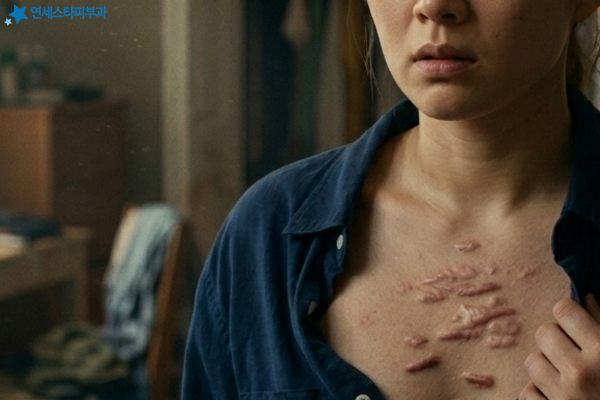
If a firm, raised scar on your chest doesn't shrink over time and instead spreads to a wider area, it might not be a simple scar. The first question that usually comes to mind is: "Is this just a scar, or is it a keloid?" Keloids differ from ordinary scars in nature and their appearance varies depending on the area, so an accurate distinction is the starting point for treatment.
Why Keloids Differ from Ordinary Scars
When the skin is injured, our body produces collagen to fill the area. In the case of a typical scar, collagen production naturally stops once the wound heals. However, with keloids, this process does not stop. Even after the wound has completely healed, collagen continues to be overproduced, spreading beyond the original wound area to the surrounding skin. This is the key characteristic of keloids.
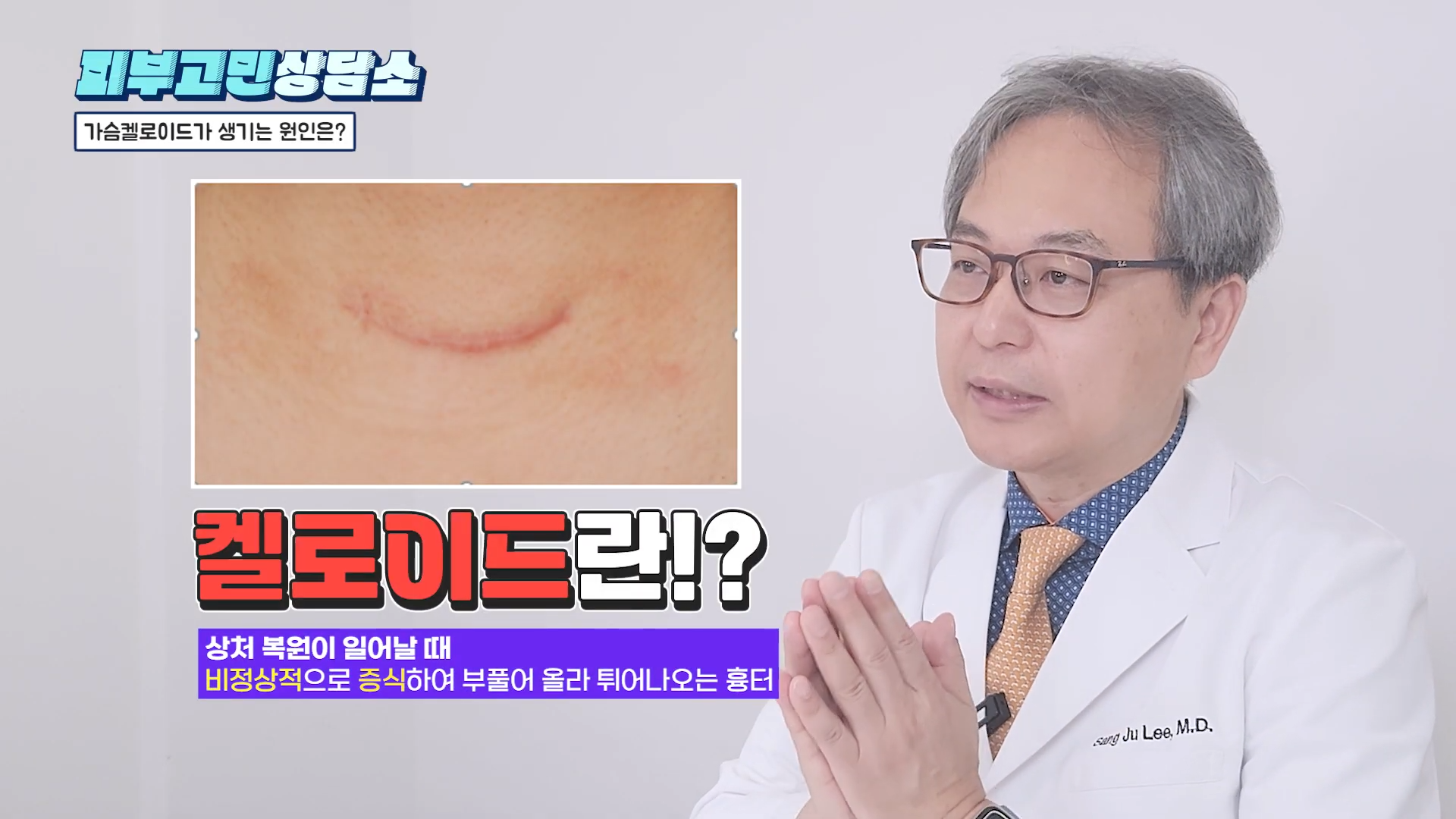
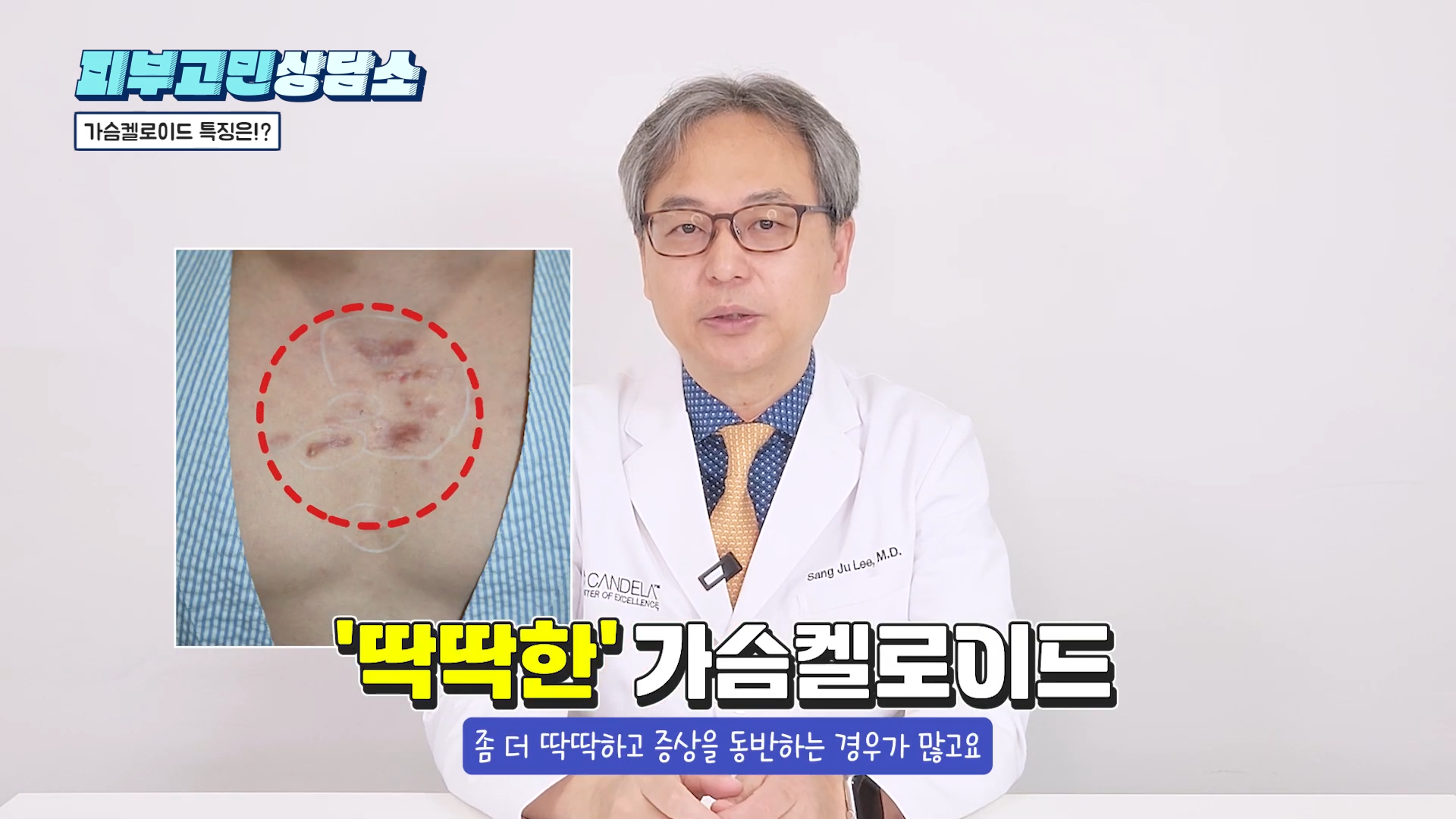
If a scar on your chest, instead of shrinking, becomes firm, expands in area, and is accompanied by itching or stinging, you should suspect a keloid.


What is the Difference from Hypertrophic Scars?
The difference from similar-looking hypertrophic scars is clear. Distinguishing between the two types of scars helps in understanding the treatment direction.
| Category | Hypertrophic Scar | Keloid |
|---|---|---|
| Extent | Raised only within the wound area | Spreads beyond the boundaries to the surrounding area |
| Course | May subside to some extent over time | Rarely resolves naturally |
| Recurrence | Relatively low | Reported to have a high chance of recurrence |
| Constitutional Influence | Small | Constitutional factors play a significant role |
Keloids are heavily influenced by constitutional factors, so the same injury may result in a keloid for some people but not for others.

Why Do Chest Keloids Occur?
The most common cause of chest keloids is acne. Acne often causes inflammation around hair follicles in the skin, leading to keloids during the healing process. Other commonly reported causes include:
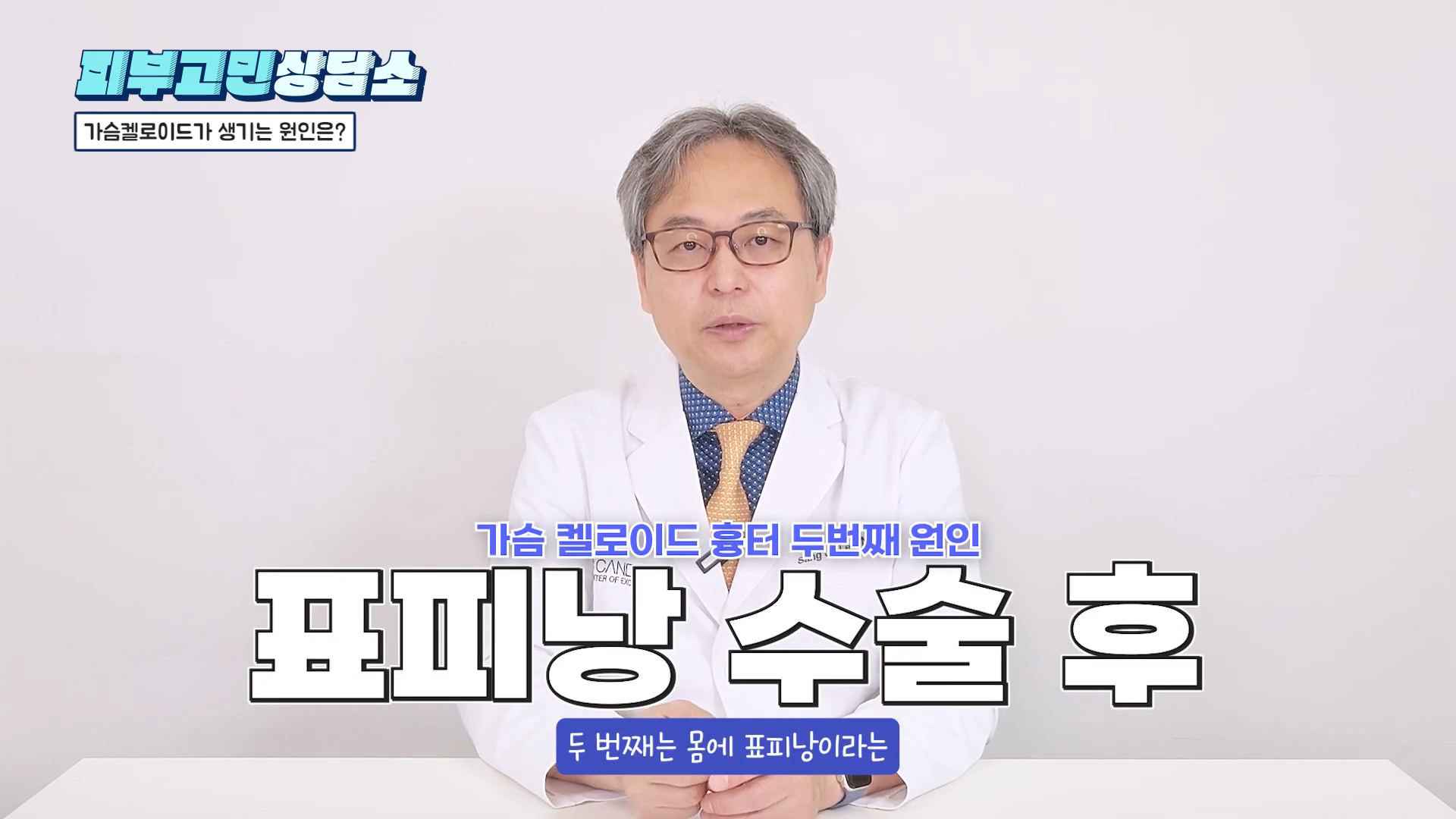
- Occurrence at the site after surgery for skin cysts such as sebaceous cysts or epidermal cysts
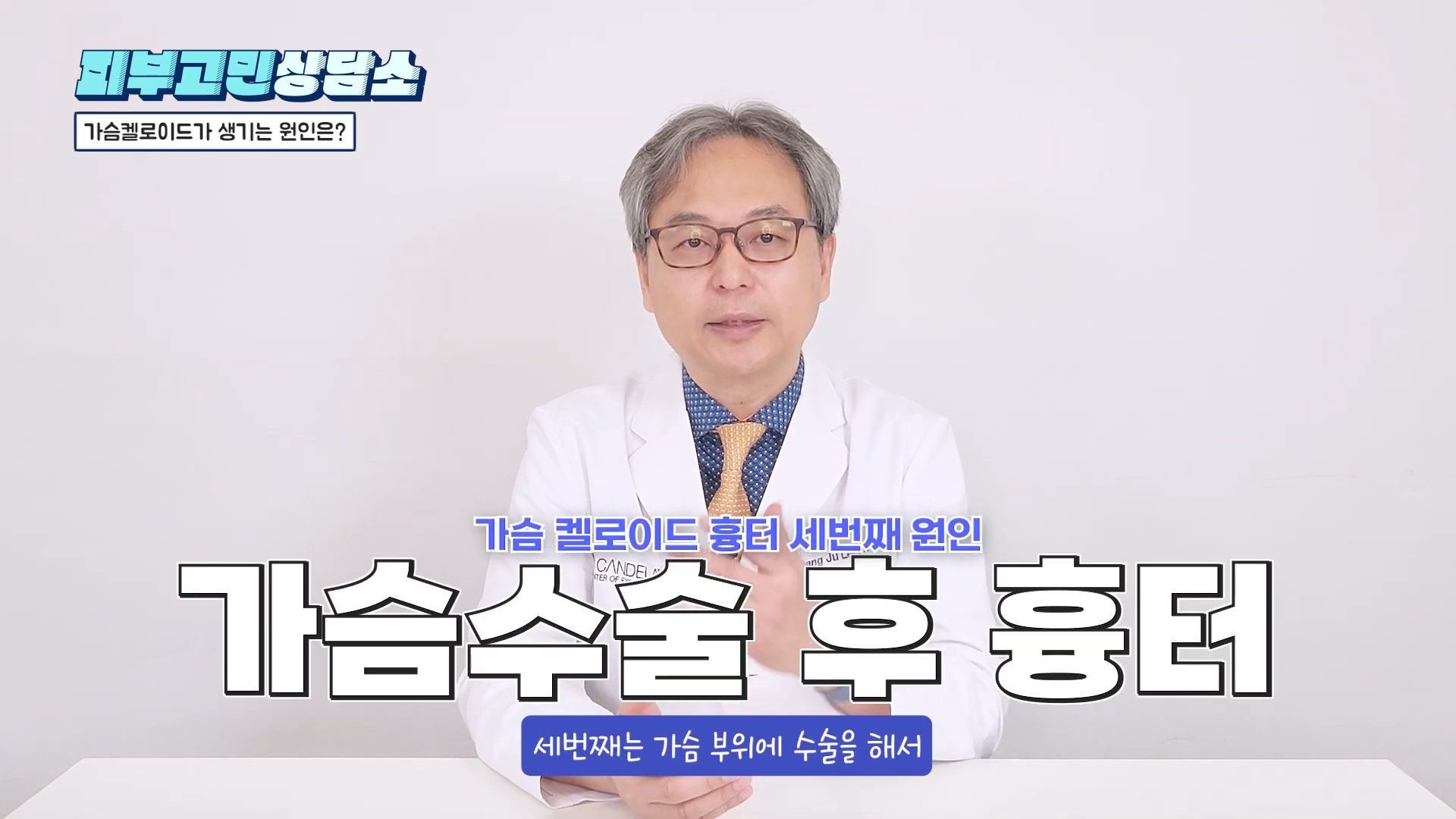
- Occurrence from surgical scars in the chest area
- Cases where acne inflammation repeatedly occurs and hardens into a scar
- Cases where keloids are constitutionally prone to develop
Areas where keloids commonly occur can be broadly categorized into the ears, shoulders, and chest. Among these, chest keloids tend to be relatively hard and accompanied by symptoms, often causing more discomfort in daily life. In particular, keloids that form in the middle of the chest can sometimes take on a unique shape, resembling a crab extending its legs. In many cases, management begins from the stage of red acne scars.
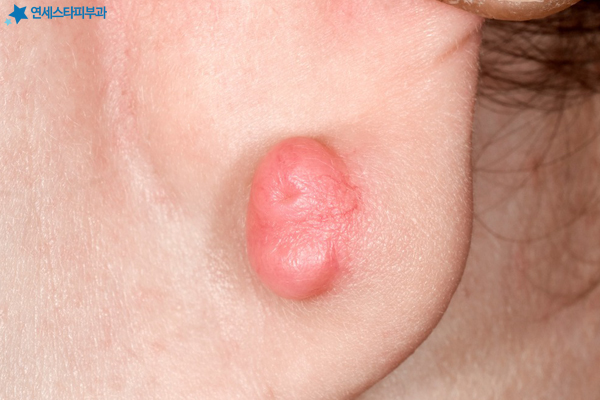
The Underlying Acne Must Be Addressed Together
Acne is one of the most common skin troubles that can occur even in adulthood. It is difficult to manage, carries a risk of leading to scars, and for some people, can turn into protruding keloid scars.
In the clinic, it is not uncommon to see patients with active acne on their chest along with keloids. In such cases, it is important to first treat the acne itself or to proceed with both treatments simultaneously.


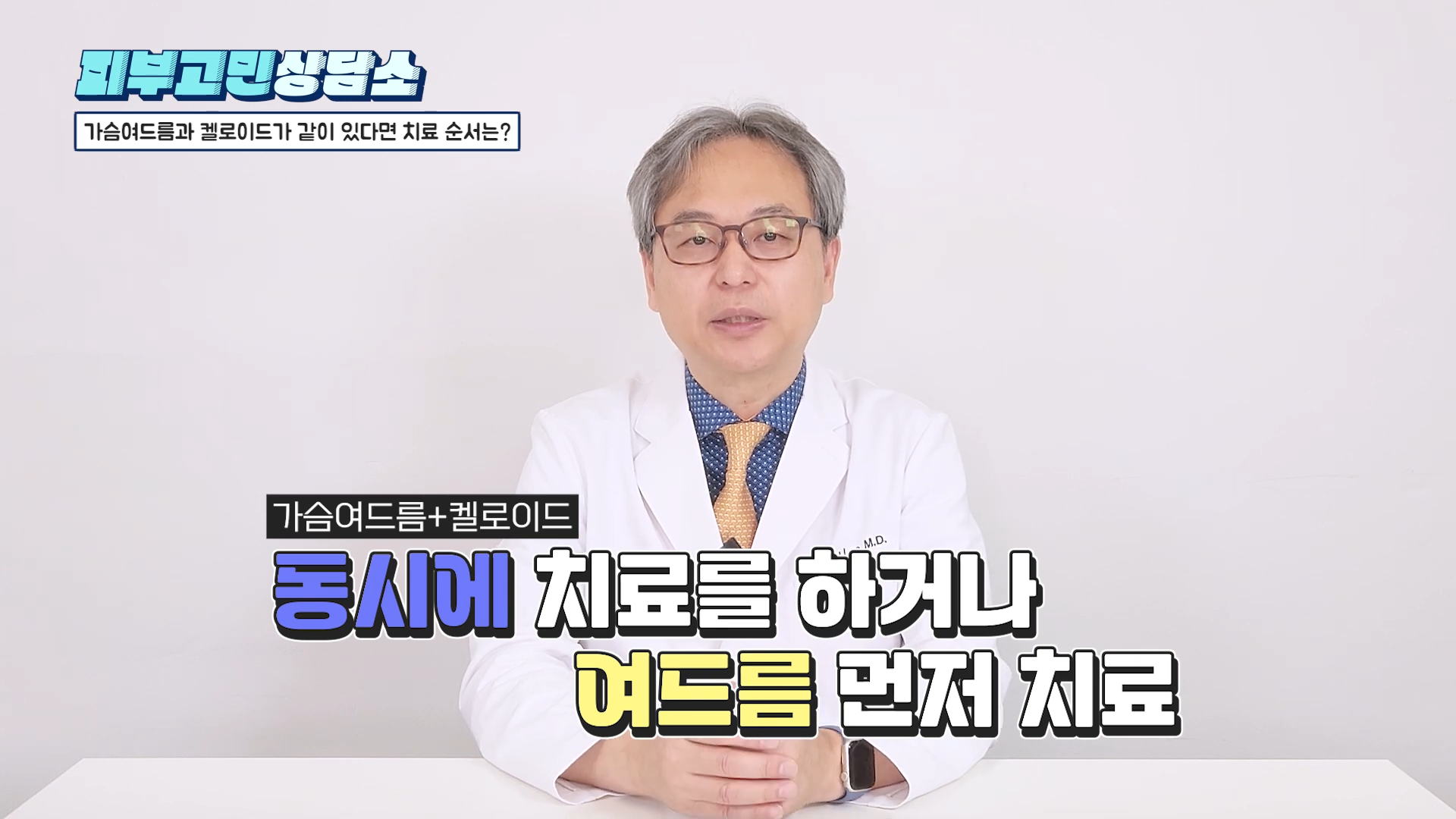
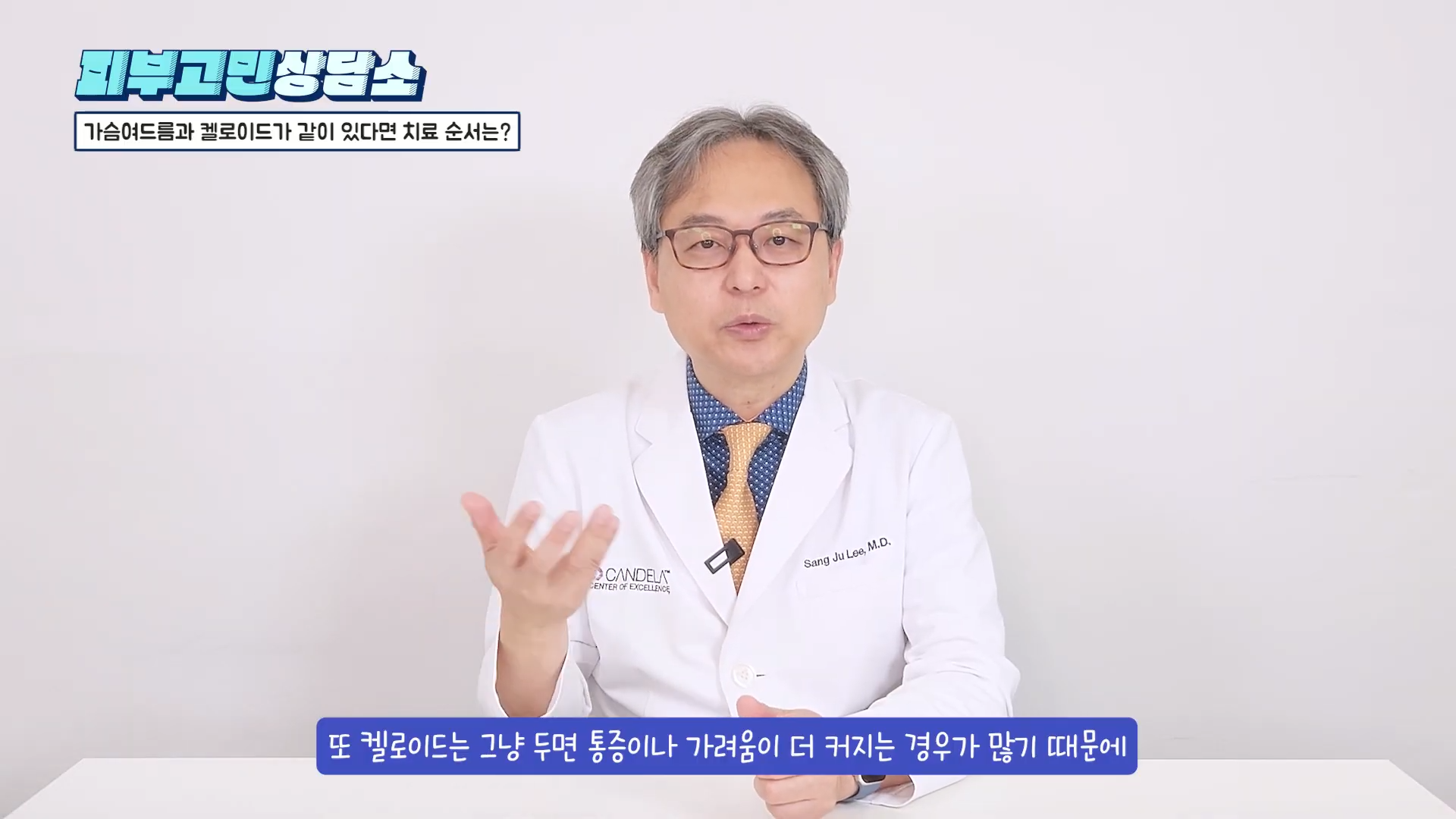
If the underlying causes are not managed together, new keloids may repeatedly occur even if keloid treatment is performed.
It can be difficult to maintain treatment effects in an environment where the causative acne continues to appear. Furthermore, if keloids are left untreated, itching and pain may worsen, so it is advisable to get a quick diagnosis when symptoms appear.
If you are concerned about chest keloids but don't know where to start, you can easily ask any questions through chat consultation regarding chest keloids.
How is Keloid Treatment Approached?
There are broadly three methods: surgery, injections, and lasers. Each method has its pros and cons, so how they are combined is key to treatment. Surgery directly removes keloid tissue, but the incision itself leaves a new wound, so the recurrence rate is high, and it can even grow larger, making it rare to apply alone.
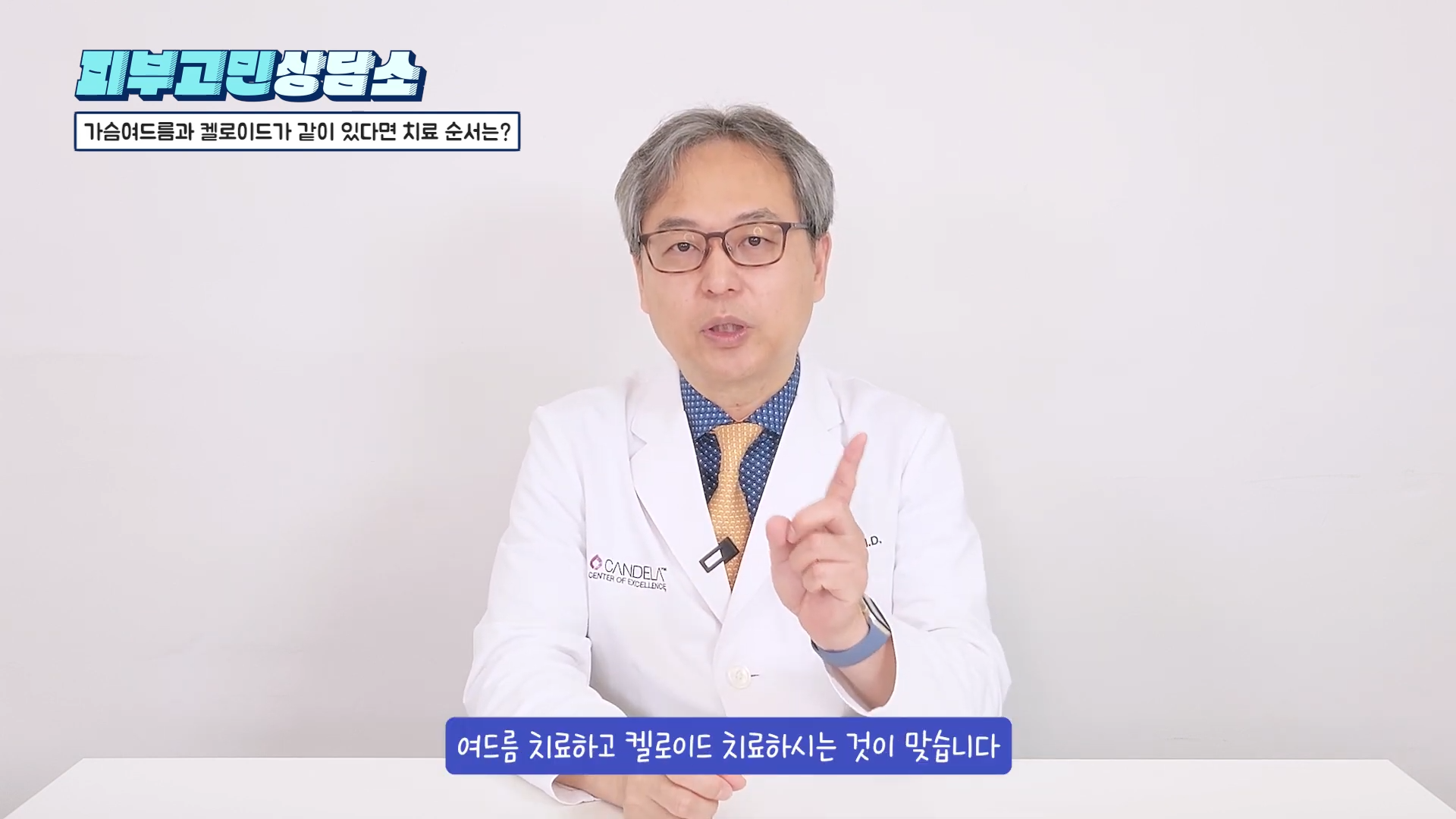
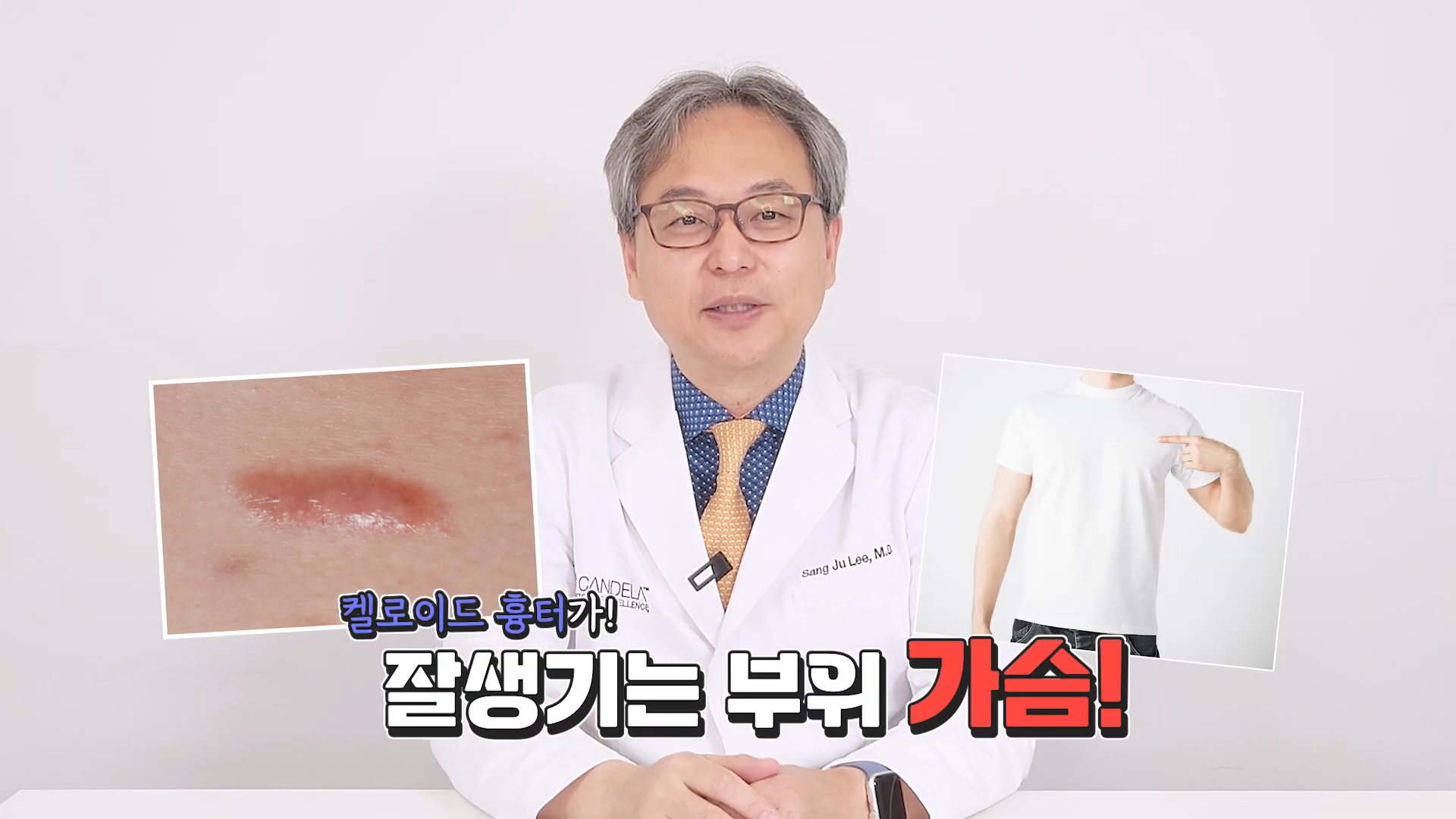
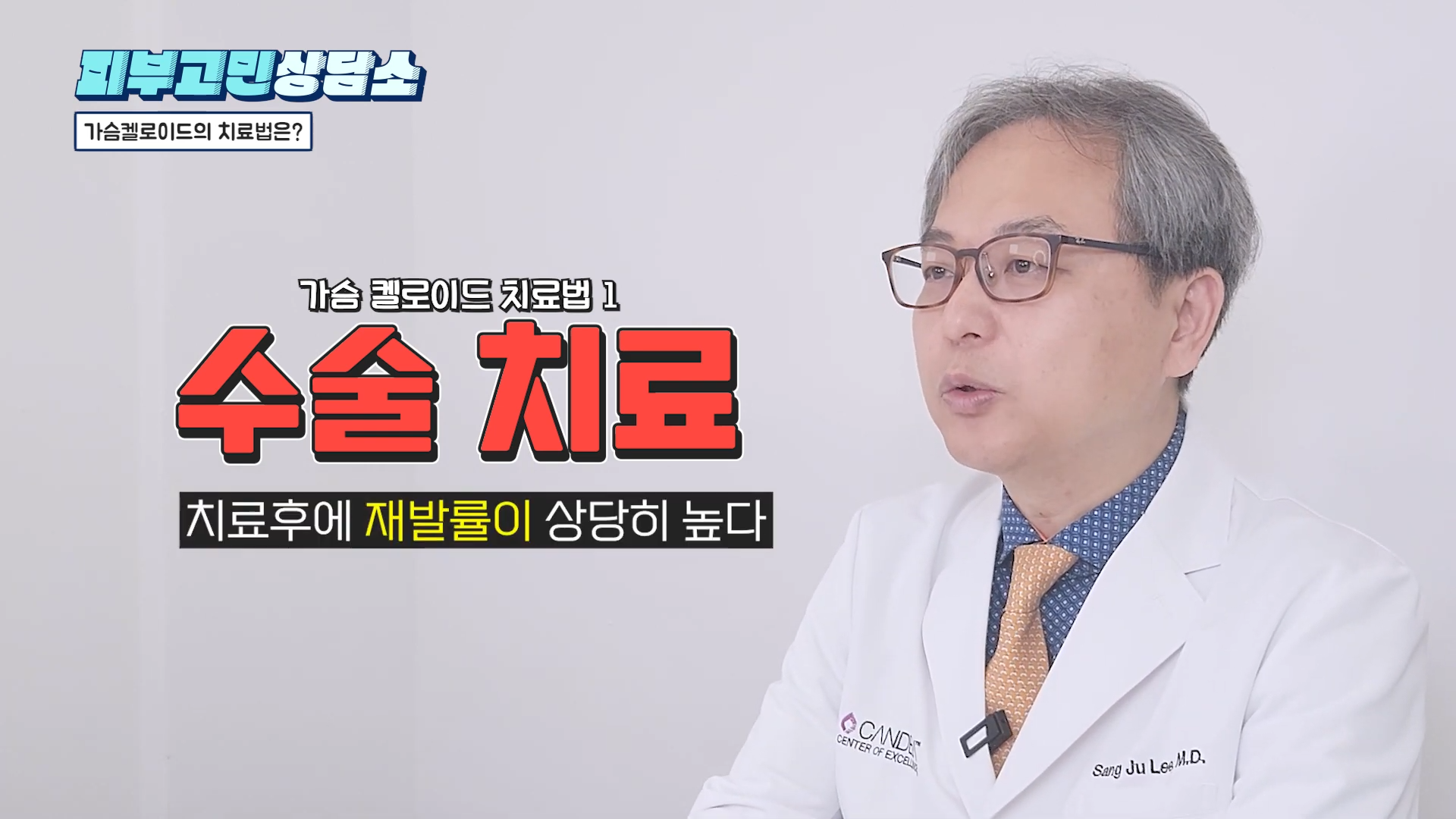

Triamcinolone Scar Injection directly injects medication into the keloid tissue to suppress excessive collagen production and helps reduce itching and pain. However, if the keloid is large, there may be pain during the procedure, and repeated treatments at regular intervals are necessary to maintain the effect.
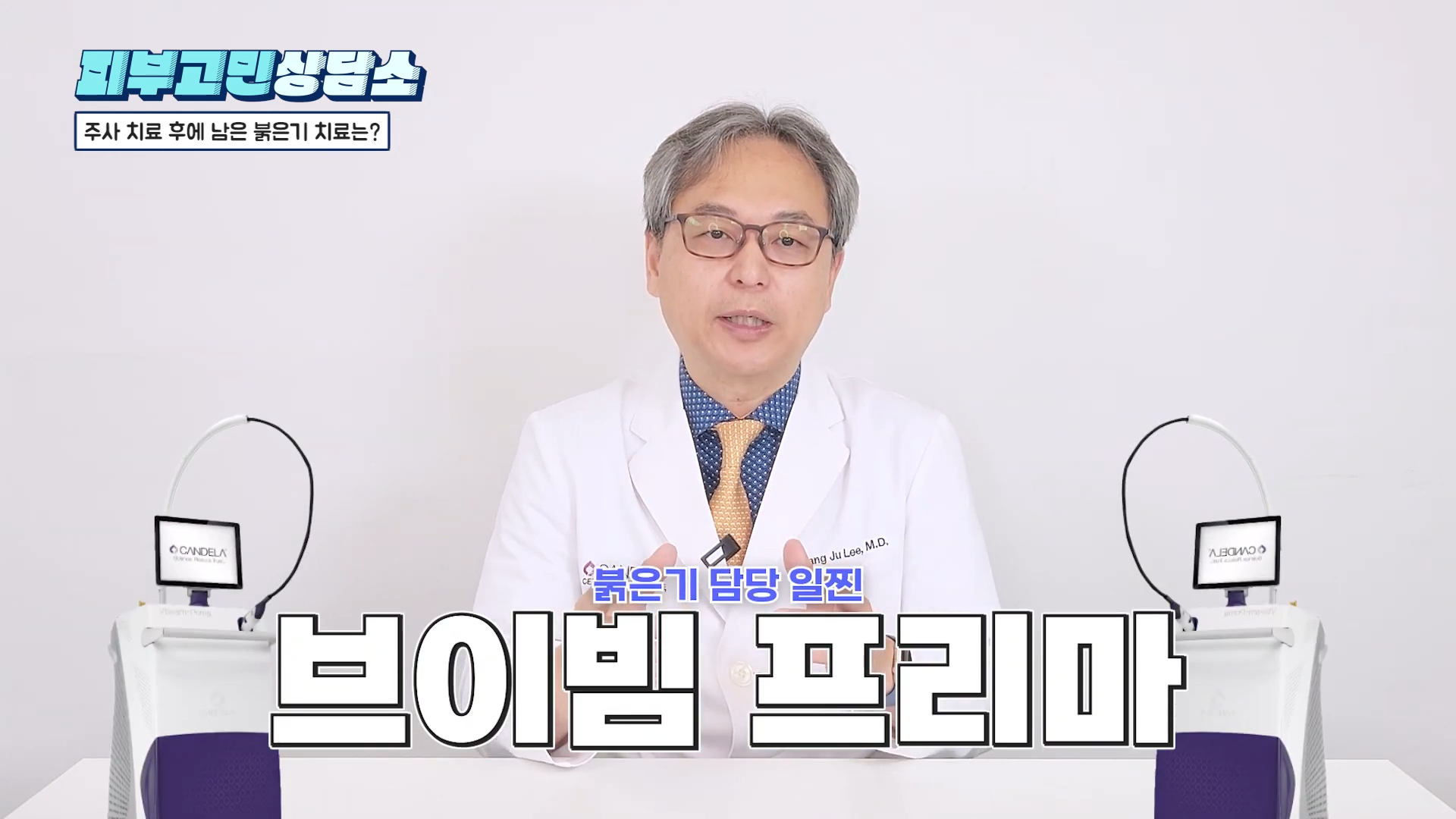
Laser treatment is used to reduce the height of keloids and improve their reddish color. If redness remains even after injection treatment, repeated laser applications can help improve it to resemble the surrounding skin tone.
Reasons for Combining Injections and Lasers
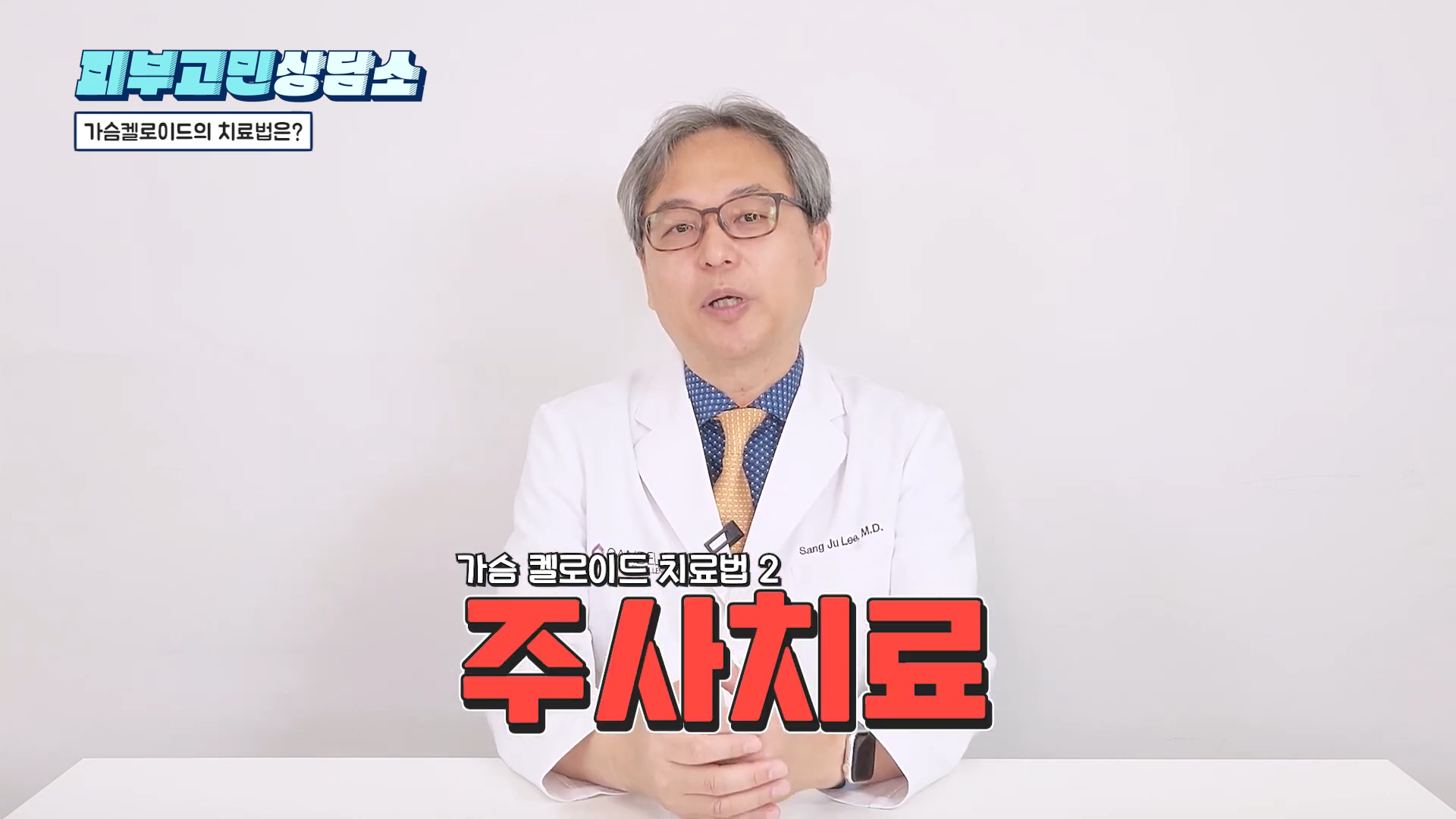
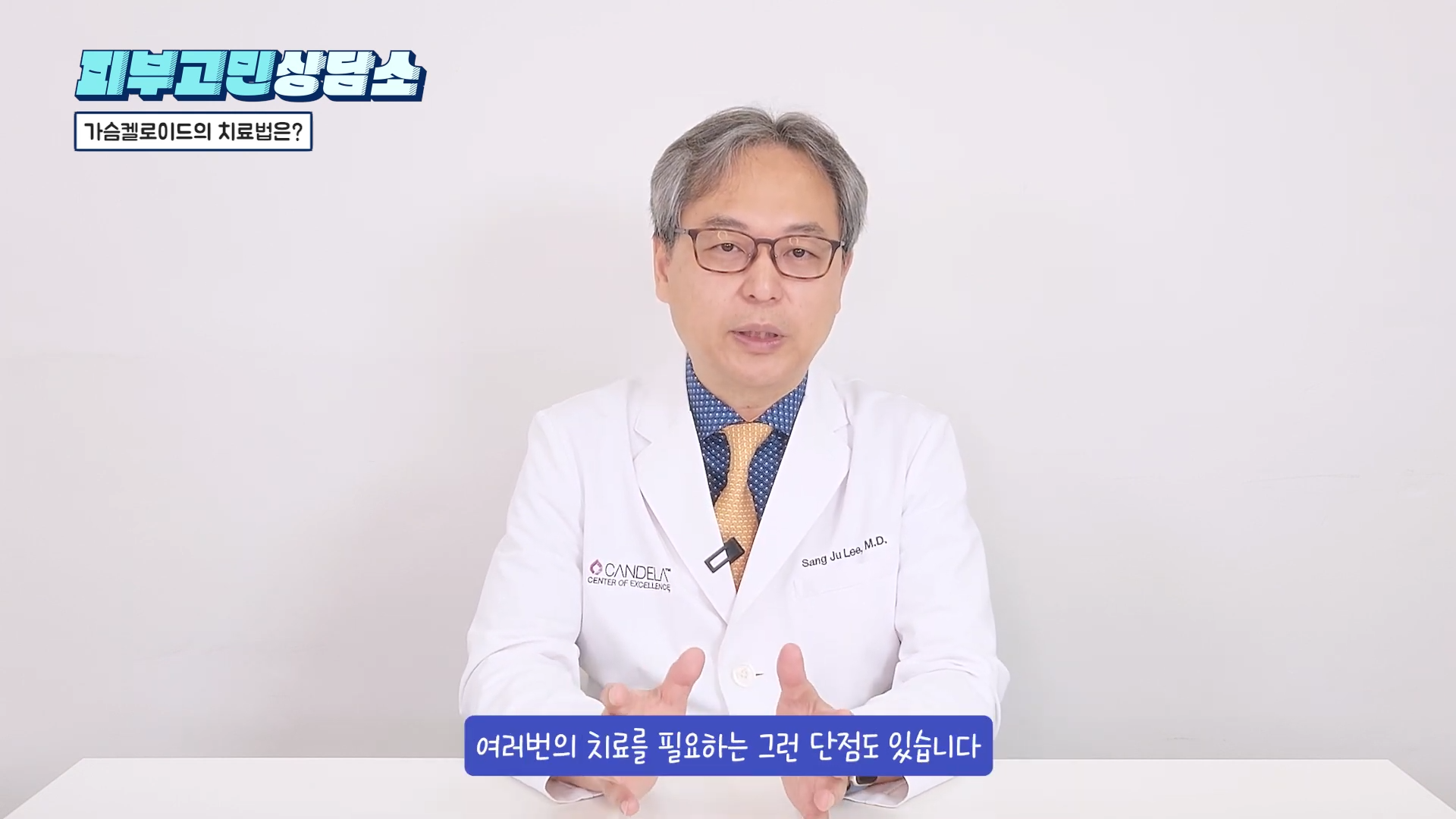
Among the three treatments, the combined approach of injections and lasers is frequently used for chest keloids. While injections play a role in suppressing keloid proliferation at the cellular level, lasers work to improve the shape and color of the tissue externally. Since the two treatments approach keloids from different directions, combining them can be expected to enhance both treatment effectiveness and sustainability.
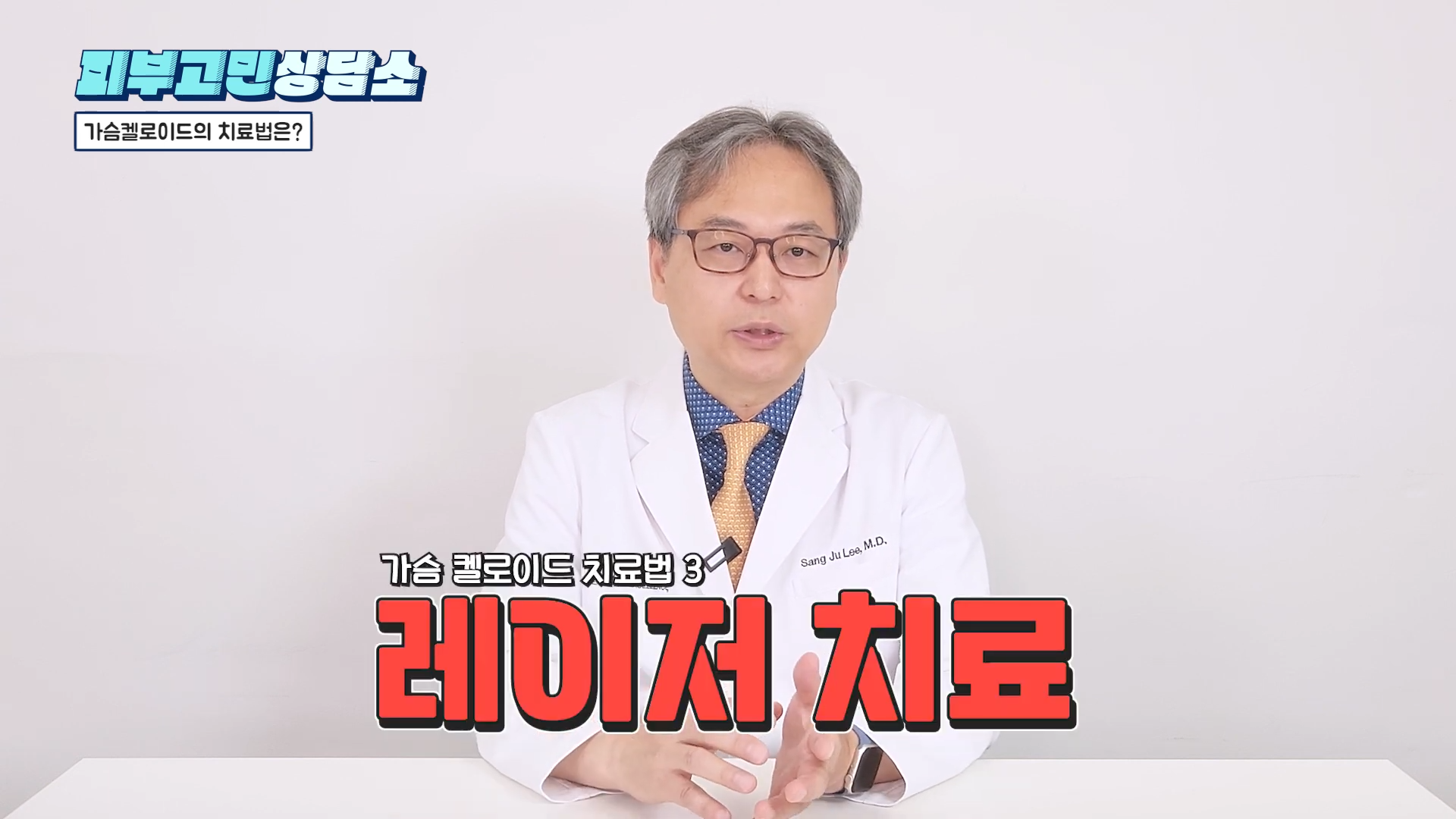

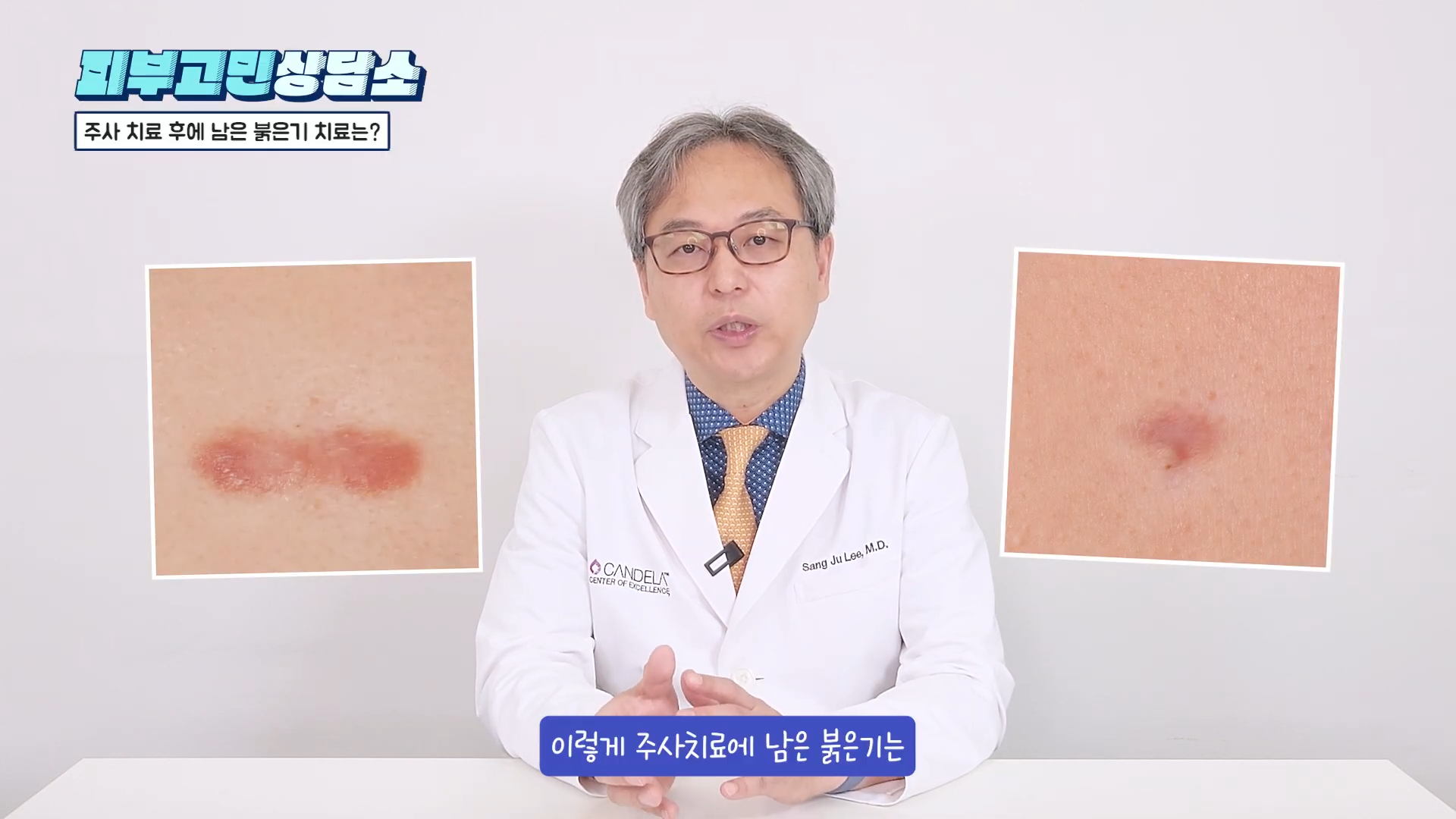
In particular, managing keloids from the small seed stage and simultaneously addressing pigmentation can help lower the chance of recurrence. The medical team determines which laser to apply and at what point based on the keloid's size, color, and firmness. If the structure of the scar itself needs to be addressed, Surgical Scar Revision may also be considered.
What to Observe During Treatment Management
In the early stages of keloid treatment, lifestyle habits also influence the outcome. Remembering the following points can be helpful:
- Avoid movements that significantly stretch the chest skin or strenuous exercise in the initial stages.
- Do not maintain postures that apply tension to the skin for extended periods.
- Avoid frequently scratching or irritating the treated area.
- If you feel the keloid is growing again, do not self-diagnose; consult with your medical team.
- Adhere to the prescribed treatment intervals to maintain the flow of repeated treatments.

If tension is applied to the skin, keloid tissue can be stimulated, which may affect the treatment outcome. Furthermore, early intervention for keloids significantly impacts long-term results, so it is safer to promptly check for any changes.
Don't Leave It Untreated; Start with a Diagnosis
Chest keloids involve a complex interplay of constitutional factors and underlying conditions, so the results of the same method can vary from person to person. Therefore, accurately understanding your skin condition is the first step in treatment. If you have similar concerns, we recommend calmly reviewing information about Keloid Scars.
If you are curious about symptoms or treatment directions, rather than worrying alone, 💬 Consult Now

Chief Director Lee Sang-joo (MD, PhD, Yonsei University College of Medicine and Graduate School, completed dermatology residency at Severance Hospital, President of the Korean Dermatological Association) Chief Director Lee Sang-joo's Profile First published 2026-04-21 / Last reviewed 2026-06-16
This article contains general medical information, and since keloids can vary individually depending on constitution and area, please confirm an accurate diagnosis and treatment direction through consultation with a medical professional.