
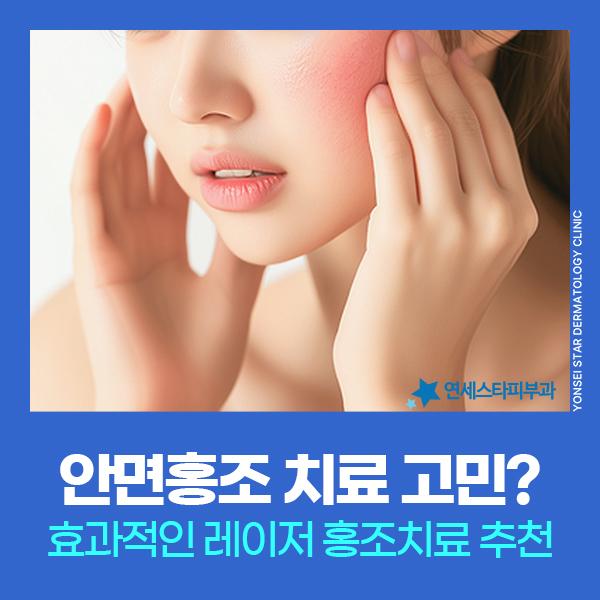
When the cold winds arrive, more people visit our clinic saying their face flushes more often than before. Winter facial redness tends to worsen because the temperature difference between indoors and outdoors and the dry air stimulate the blood vessels, and when widened blood vessels are the cause, vascular laser treatment that responds to the color red is known to be an effective option. Here we look in turn at the causes of facial redness, why it gets worse in winter, the Vbeam Prima laser, and the erythema induction method.
What Causes Facial Redness?
Facial redness is a symptom in which the face suddenly turns red along with a burning sensation of heat, and even board-certified dermatologists consider it a tricky condition to treat. The causes of facial redness fall into two broad groups.
- When inflammation has developed in the skin
- When widened blood vessels make the face look red
Underlying this, the biggest factor is your inborn constitution, that is, individual predisposition. On top of that, sunlight, hot or spicy food, alcohol, intense exercise, saunas, stress and emotional changes, harsh cleansing, and physical irritation from rubbing the skin can widen blood vessels, triggering redness or making it worse.
Three Reasons Facial Redness Gets Worse in Winter
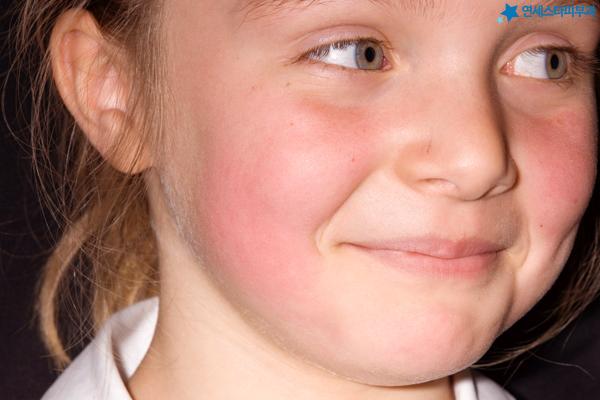
- Indoor and outdoor temperature differences: When you step from the cold outdoors into a warm room, blood vessels suddenly narrow and then widen again, so your face quickly flushes.
- Dry air: When heated air and cold air weaken the skin barrier, the skin reacts more sensitively to external irritants.
- Habits that raise heat: Things that warm the face, such as hot food, heating, and drinking gatherings, become more frequent in winter.
When these triggers repeat, a face that used to turn red briefly and then calm down may gradually stay red. That is why winter facial redness should be looked at rather than simply blamed on the weather.
When redness lasts a long time, heat inside the skin does not dissipate easily, which can lower the overall condition of the face, and in severe cases it can even lead to skin damage. So rather than waiting it out, it is better to identify the cause accurately and consider the necessary treatment early.
Vbeam Prima: The Advantages of Laser Treatment for Facial Redness
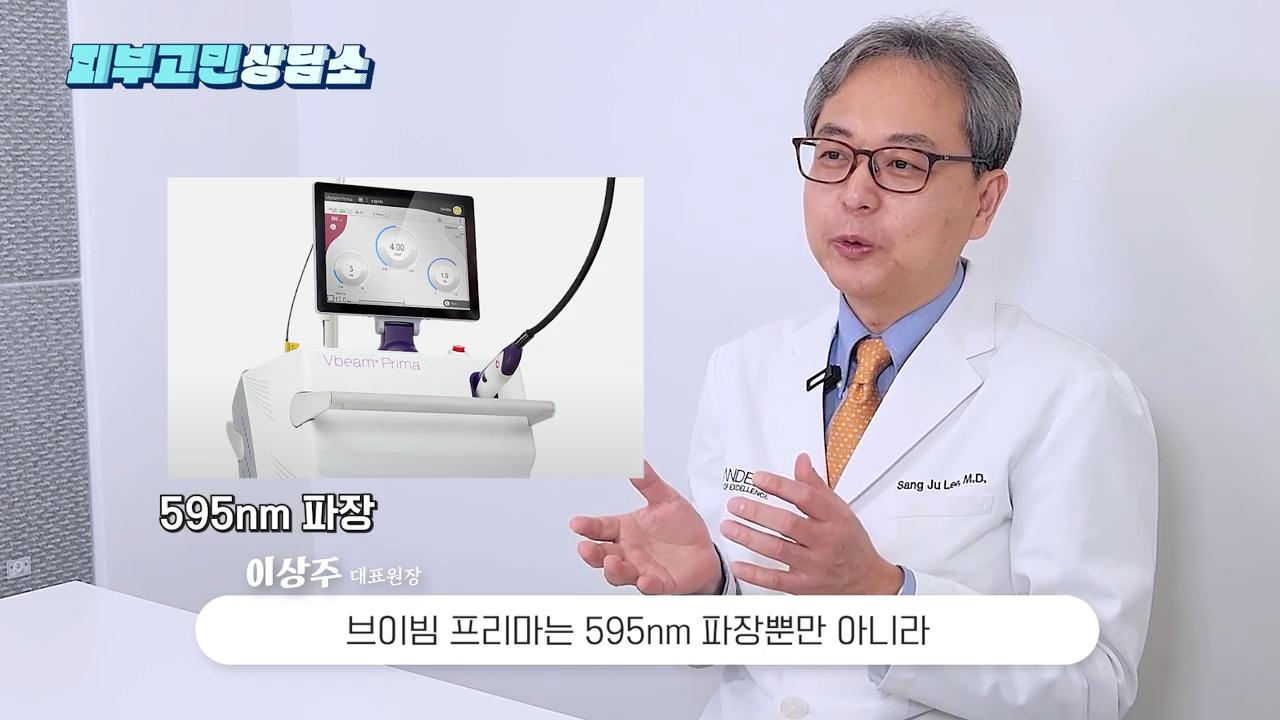
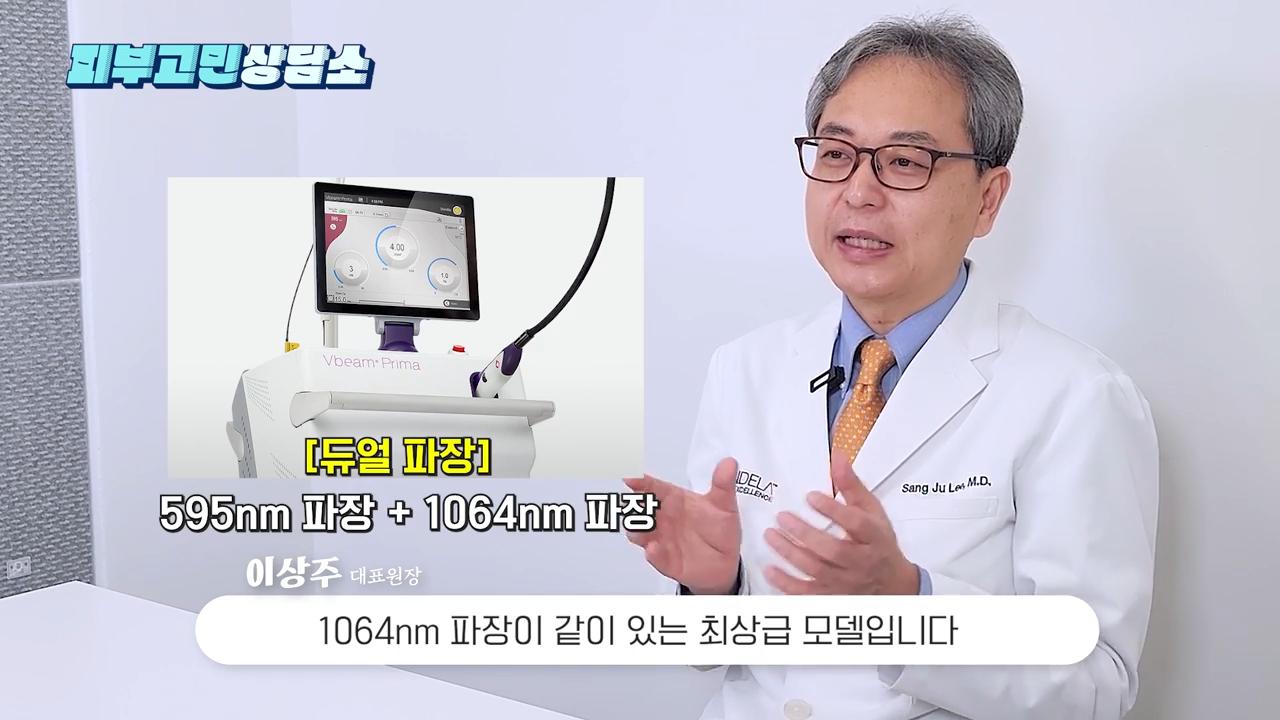
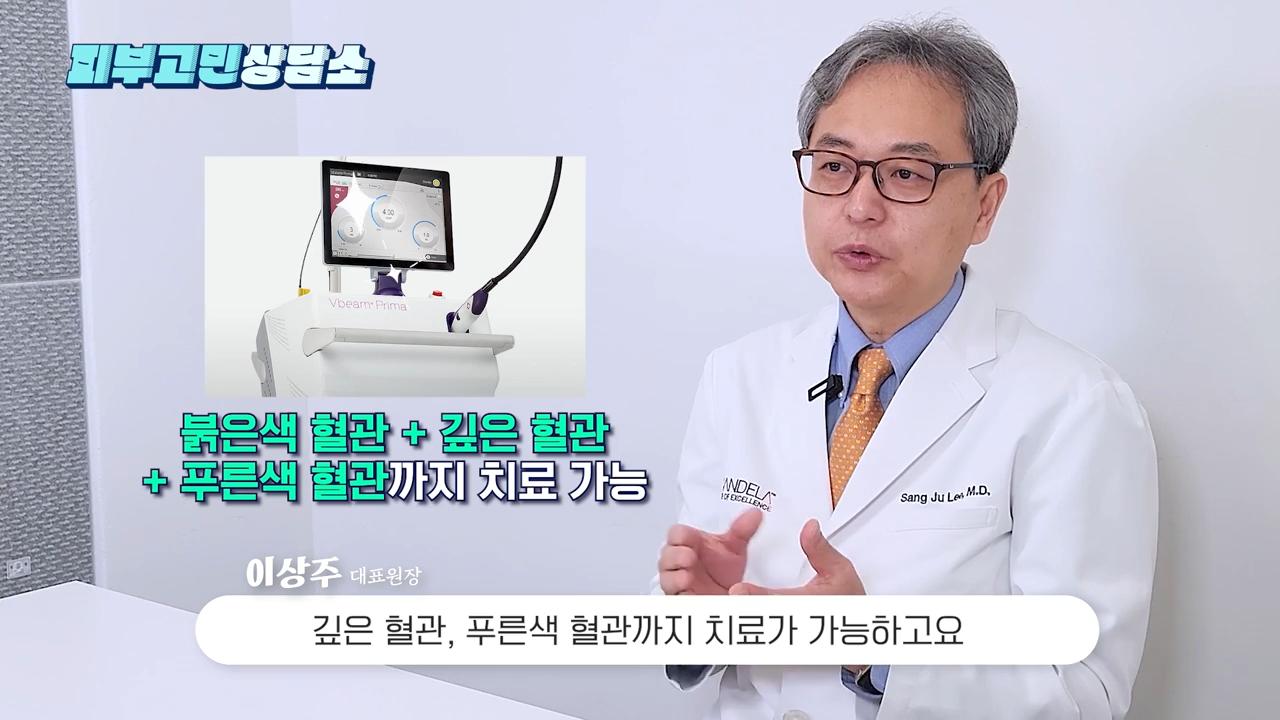
Among the methods known so far, a vascular laser that selectively treats widened blood vessels is considered effective. It is a laser that responds to the color red, and Vbeam Prima, which uses a 595nm wavelength, is the representative device.
- It selectively responds to hemoglobin in the blood vessels, reducing damage to surrounding tissue while targeting the problem vessels.
- A cooling device works alongside it to ease discomfort during the procedure.
- It can be used relatively safely on Asian skin.
- Beyond facial redness, it is widely used for red lesions such as rosacea, red scars, and dilated blood vessels.
Why Consider the Erythema Induction Method?
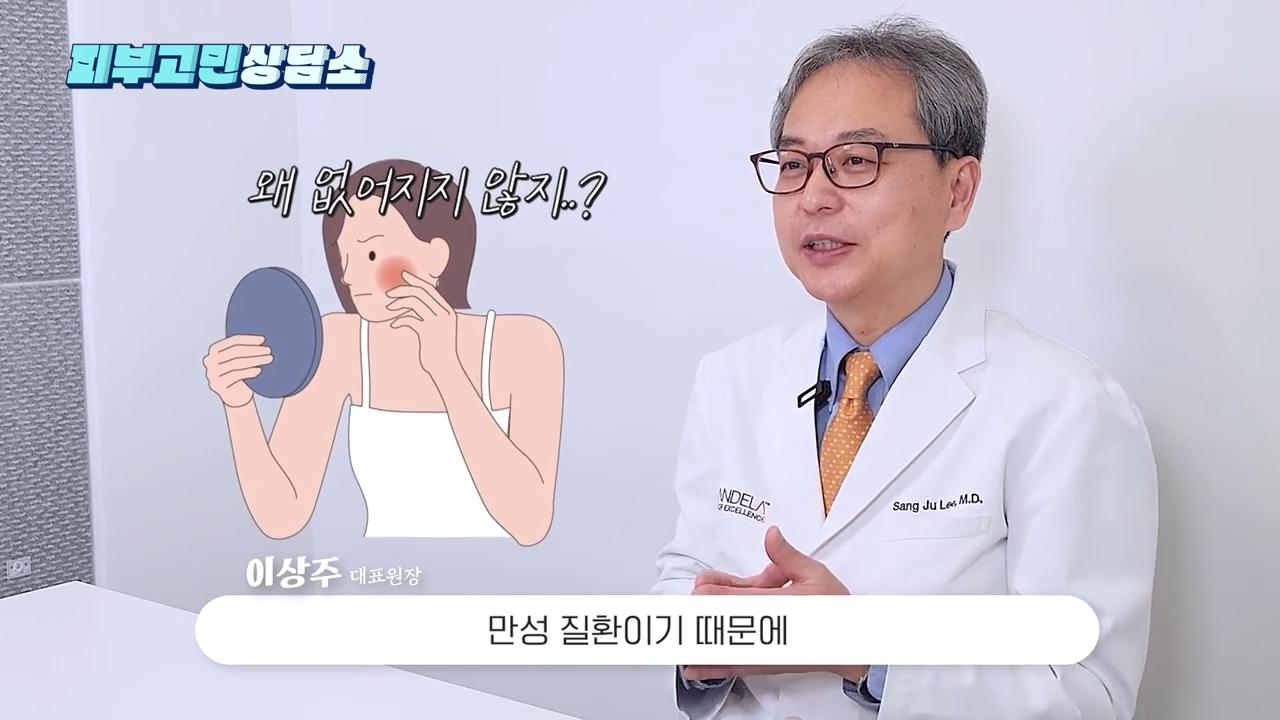
Facial redness repeatedly flares up and calms down. Even if you come to a dermatology clinic to treat the redness, if your face is not red at the moment of treatment, the laser's accuracy and response can drop. Because vascular lasers such as Vbeam Prima respond to the color red, the redder the face is at the moment of treatment, the better the results you can expect.
That is where the erythema induction method comes in. It is a process that briefly brings up the redness right before laser treatment so that Vbeam Prima can respond more effectively.
- The laser can target the intended blood vessels more precisely.
- A stronger laser response can further enhance the treatment effect.
- Results vary from person to person.
Everyday Care to Continue After Laser Treatment
Even after blood vessels have been treated with a laser, your face can turn red again if your lifestyle habits stay the same. How long the improvement lasts depends heavily on how much attention you pay in daily life, so take a moment to check even habits that seem minor.
- Reduce the temperature difference between indoors and outdoors.
- Reconsider habits that raise heat, such as hot food and alcohol.
- Protect your skin barrier with moisturizing and sun protection.
Frequently Asked Questions
My face only turns red in winter. Is it okay to leave it alone?
After repeatedly flushing and calming down, the redness can sometimes stay. Prolonged redness can lead to skin damage, so it is best to identify the cause and consider treatment early.
How does facial redness laser treatment work?
A vascular laser such as Vbeam Prima selectively responds to hemoglobin in the blood vessels to treat widened vessels. A cooling device works alongside it to reduce discomfort during the procedure.
Why is erythema induction needed?
If your face is not red during treatment, the laser response can drop. Briefly bringing up the redness just before treatment helps the laser target the blood vessels more precisely.

Even with the same red face, treatment differs depending on whether it is caused by inflammation, by dilated blood vessels, or by both. It is advisable for a board-certified dermatologist to examine your skin closely and then carefully plan everything from the treatment method to the intervals between sessions. If your redness keeps coming back, start by finding out the cause.
This article was reviewed by Dr. Lee Sang-Joo, Representative Director (board-certified dermatologist). Last reviewed November 29, 2026.
This article is intended to provide general medical information. Treatment results and downtime may vary depending on each individual's skin condition. Please consult a board-certified dermatologist for an accurate diagnosis and treatment plan.