

When you first look into tattoo removal lasers, the first concerns are usually the number of sessions, pain, and choosing a clinic. To get straight to the point, tattoo removal is not a one-time procedure but a process carried out over several sessions at intervals, and its duration and safety depend on the device, the treatment method such as R0, aftercare such as the Pinhole Method, and the medical team's experience. We have grouped frequently asked questions by topic before you begin, so feel free to start with whatever interests you most.
How Does a Tattoo Removal Laser Remove Ink?
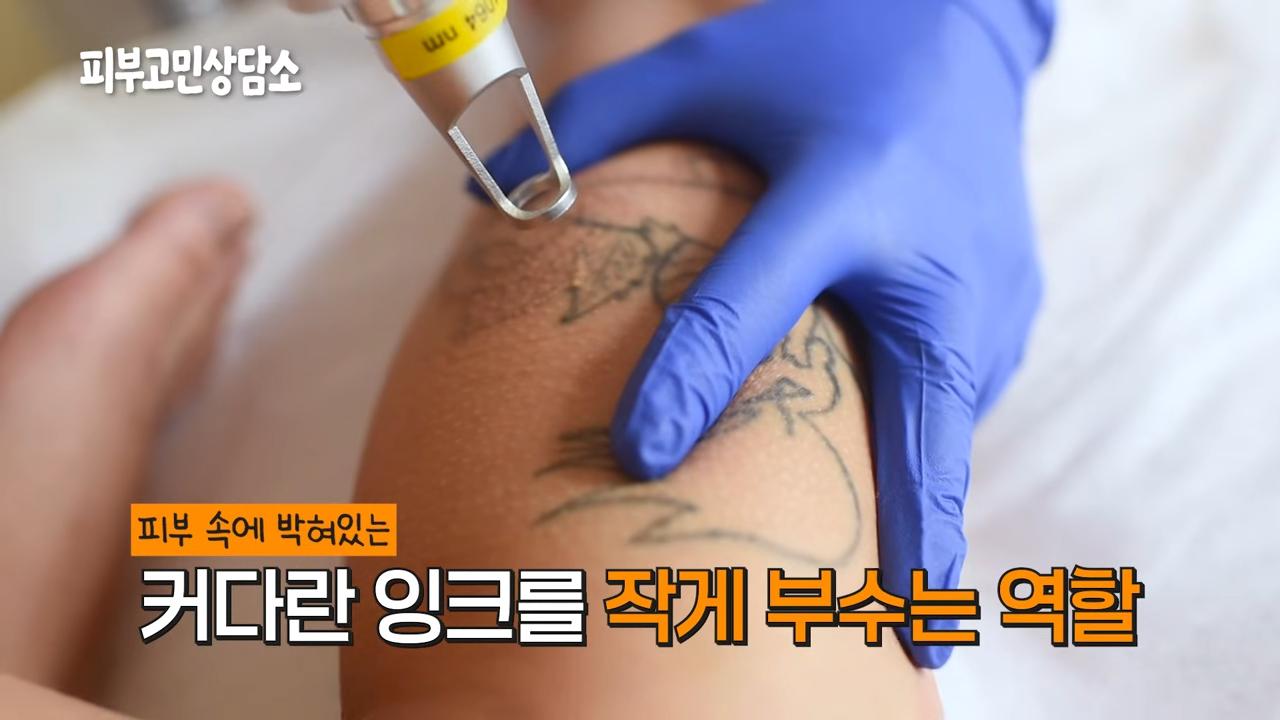
How a tattoo removal laser removes ink
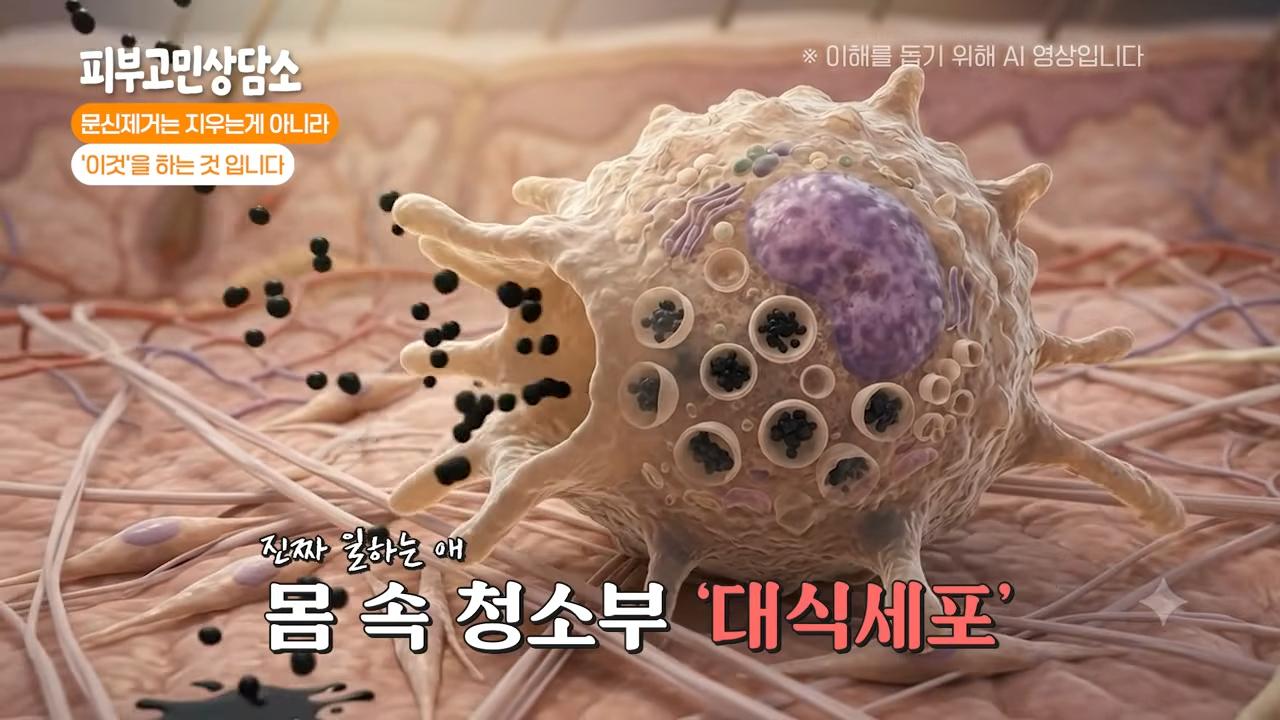
A tattoo removal laser breaks ink particles in the skin into smaller pieces, and the body's immune system gradually clears the fragmented particles out over time. That is why, rather than disappearing all at once, it is usually done in several sessions spaced at regular intervals.
The difference between pico lasers and nano lasers
What separates the two is how long the laser stays on the skin. A picosecond laser delivers energy in a much shorter time, which can be advantageous for breaking ink into finer pieces while reducing the heat burden on surrounding tissue.
| Comparison | Nanosecond (ns) laser | Picosecond (ps) laser |
|---|---|---|
| Pulse duration | Short, measured in billionths of a second | Even shorter, measured in trillionths of a second |
| Features | A method used for a long time | Advantageous for reducing heat effects and breaking ink into smaller pieces |
| What to check | Performance varies by device and model | Wavelength and output vary by model, such as PicoWay |

Color tattoos and semi-permanent makeup
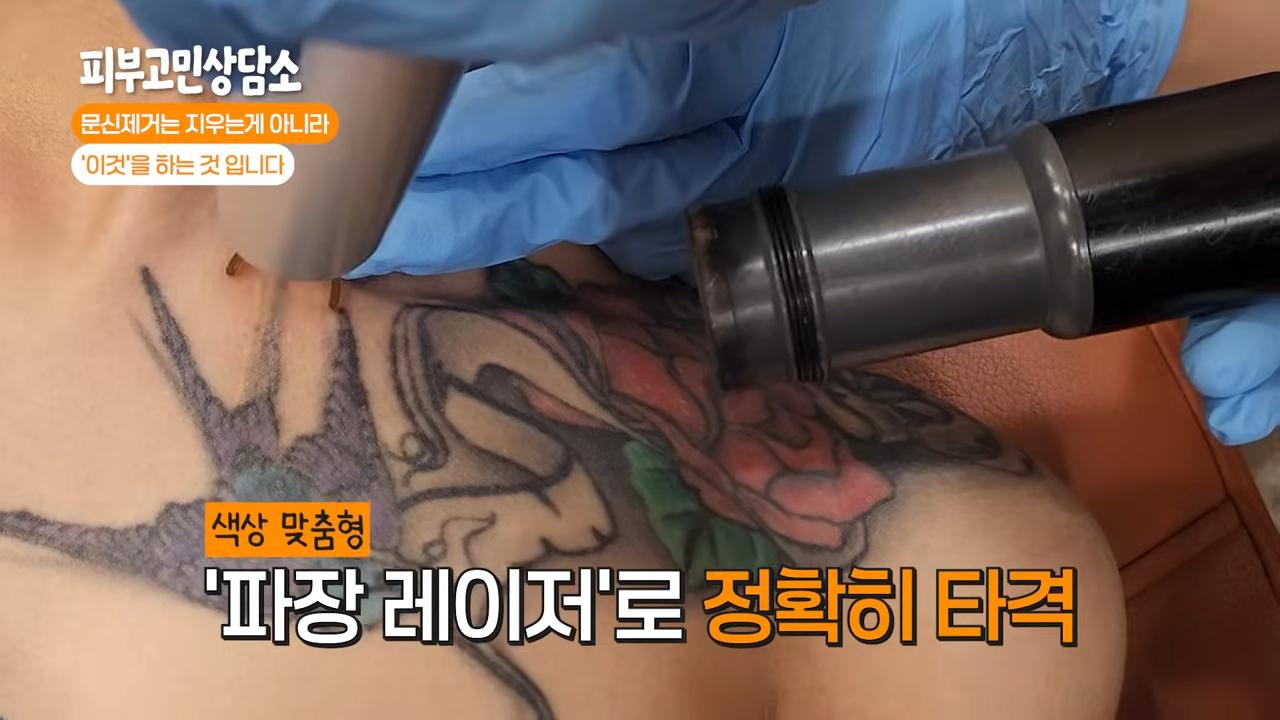
Color tattoos can often be removed too, but each color responds differently. Black ink tends to respond relatively well, while colors such as red, green, and blue each need a matching wavelength. That is why it is worth checking whether the device can use multiple wavelengths.
Semi-permanent makeup such as eyebrows or eyeliner can also be removed. However, the skin around the eyes is thin and sensitive, so ask in advance whether sufficient safety measures, such as eye protection like eye shields and anesthesia, are in place.
Number of Tattoo Removal Sessions, Intervals, and the R0 Method
How many tattoo removal sessions does it usually take?
The number of tattoo removal sessions depends on the tattoo's color, density, size, and how deep the ink was placed. It is generally five or more sessions, sometimes more than ten, and in terms of time it can become a long journey lasting over a year. Individual differences are large, so even tattoos that look similar may not need the same number of sessions.
How far apart are the sessions?
Sessions are often spaced about one to two months apart while waiting for the skin to recover, and the medical team adjusts this based on the skin condition and response. Tattoos with dense, dark ink and thick lettering, color tattoos, and tattoos covering a large area can take relatively longer. Older, faded tattoos can sometimes be easier, but this differs from person to person and should be confirmed during your consultation.
Is there a way to reduce the number of tattoo removal sessions?
Changing the treatment method can improve efficiency. A representative example is the R0 method, a technique that quickly clears away the bubbles that rise like a white film on the skin right after the laser is fired, so the laser can continue to be applied on the same day. Using the R0 method can help safely shorten the overall tattoo removal period without forcing up the laser intensity. However, not every clinic offers this method, and the practitioner's skill is important.
Pain and Aftercare
Is tattoo removal very painful?
Pain is felt differently from person to person and by area, such as spots close to bone. Pain relief methods such as numbing cream or cooling can be used alongside treatment, and using a pico laser with less heat burden can help reduce discomfort during the procedure.
How should I handle blisters, scabs, and swelling after treatment?
After treatment, the area may briefly turn red or swell, and blisters or scabs may form. Do not pop blisters yourself; care for them as instructed. Most heal on their own, so there is no need to worry too much, but if pain gets worse over time, oozing or pus keeps coming out, or the blisters are quite large, it is best to have the area checked and treated at the clinic.
What to observe in daily life after treatment
The basics are sun protection, moisturizing, and not scratching or rubbing the treated area. Follow the clinic's guidance on when you can shower, exercise, or use a sauna. Temporary changes in pigmentation can occur; in that case, be even more thorough with sun protection and moisturizing, and any remaining pigment can be improved with a pigment laser such as PicoWay. Making a care plan with the medical team keeps things safe.
Will tattoo removal leave scars?
Trying to remove a tattoo quickly with strong energy can increase the risk of burns, blisters, and scarring, so it is safer to proceed step by step. Some clinics also combine care that supports skin regeneration, such as the Pinhole Method, to reduce the risk of large blisters and help the ink come out more easily. Checking these points before treatment lets you undergo tattoo removal more safely.
Frequently Asked Questions
Is it okay to remove a tattoo with creams, at home, or through an unlicensed procedure?
We do not recommend it. The results cannot be guaranteed, side effects such as burns, infection, and scarring can occur, and later treatment at a clinic may become more difficult.
What determines the cost of tattoo removal?
It depends on the tattoo's size, color, and density, the expected number of sessions, and the device used. Rather than comparing price alone, review it together with the overall treatment plan during your consultation.
Are there times when tattoo removal should be postponed?
You may need to postpone if you are pregnant or breastfeeding, if there is inflammation or a wound where the treatment will be done, or if you have recently had a lot of sun exposure. If you are taking any medication, be sure to mention it during your consultation.
Which season is best to start?
Since it is not a laser that creates open wounds, there is no particular season when it cannot be done. However, because sun protection after treatment is important, many people start at a time when aftercare is relatively easy. Your personal schedule and skin condition come first, so decide on the timing during your consultation.
Tattoo Removal Clinic Checklist
Tattoo removal gets closer to the desired result safely when the device, treatment method, medical team's experience, and aftercare all work together. Check the items on the checklist below during your tattoo removal laser consultation.
- Whether the pico laser device can use multiple wavelengths
- For eyebrows or eyeliner, whether safety measures such as eye shields and anesthesia are taken
- Whether experienced medical staff perform methods that ease the burden of the number of sessions, such as the R0 method
- Whether care that reduces the risk of blisters and scarring, such as the Pinhole Method, is also provided
- Whether you can consult thoroughly with a board-certified dermatologist to make a plan that suits you
The more questions you have, the more important the first consultation is. Bringing this checklist to your consultation can help you avoid missing any questions.
This article was reviewed by Dr. Lee Sang-Joo, Representative Director (board-certified dermatologist). Last reviewed November 29, 2026.
This article is intended to provide general medical information. Treatment results and downtime may vary depending on each individual's skin condition. Please consult a board-certified dermatologist for an accurate diagnosis and treatment plan.