
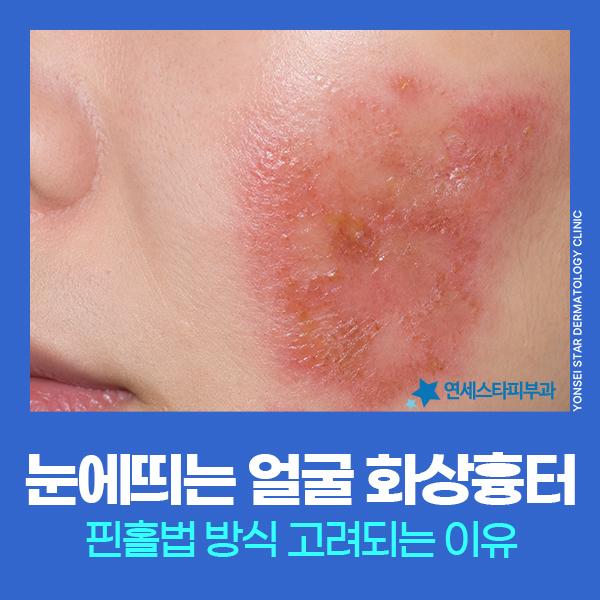
A facial burn scar that catches your eye every time you stand in front of the mirror is not just a matter of appearance. You become conscious of people's eyes when you meet them, you start avoiding photos, and your confidence tends to shrink. Because the face is always on show, the emotional burden is heavy, and many people spend a long time deciding between surgery and laser. Here we compare how surgery and laser differ in treating facial burn scars and how burn scar laser devices are combined.

Why facial burn scars stand out so much
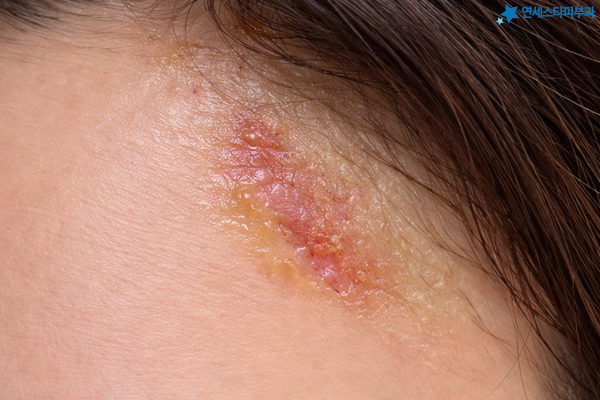
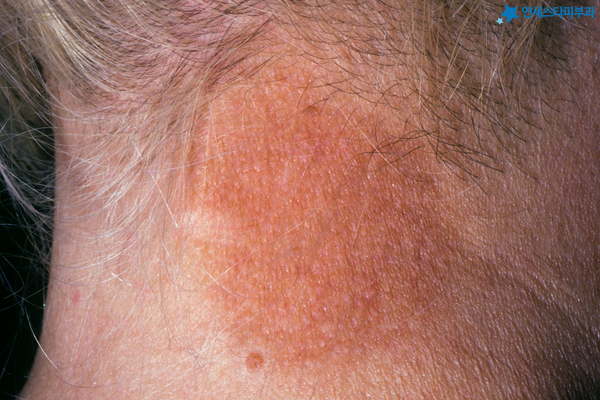
Burn scars look different from ordinary wound scars. The skin color changes to red, brown or white, and the grain and texture of the skin surface change too, so the scar tends to look out of place against the surrounding skin. The scar tissue may also thicken into a mass or form a contracture that hardens and pulls.
If a deep second-degree burn has damaged the deep layers of the dermis, a burn scar is likely to remain. While the skin regenerates, collagen tissue forms unevenly, which can make the scar more prominent. The face moves constantly with every expression, so scars there are more noticeable and harder to manage.
Surgery and laser: what is the difference?
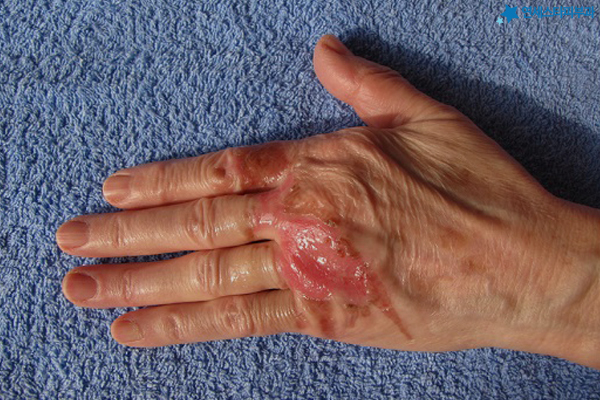
When people look into burn scar treatment, surgery that cuts out the scar or grafts skin often comes to mind first. With the face, however, many people find it hard to decide because they worry that new scars may form at the incision or graft site, and that the grafted skin may look different from the surrounding skin.

If these are your concerns, burn scar laser is worth weighing as well. Laser treatment refines the color, thickness and texture of scar tissue one step at a time without cutting the skin, so it aims to ease the burden of surgery while helping the scar blend naturally with the surrounding skin.
| Category | Surgery | Burn scar laser |
|---|---|---|
| Method | Cuts out the scar or grafts skin | Refines the scar's color, thickness and texture step by step without incisions |
| Concerns | New scars at the incision or graft site, and differences between grafted and surrounding skin | Does not finish in one or two sessions and needs to be repeated several times |
Burn scar laser does not treat every scar with a single device. The key is choosing and combining devices to suit the state of the scar.
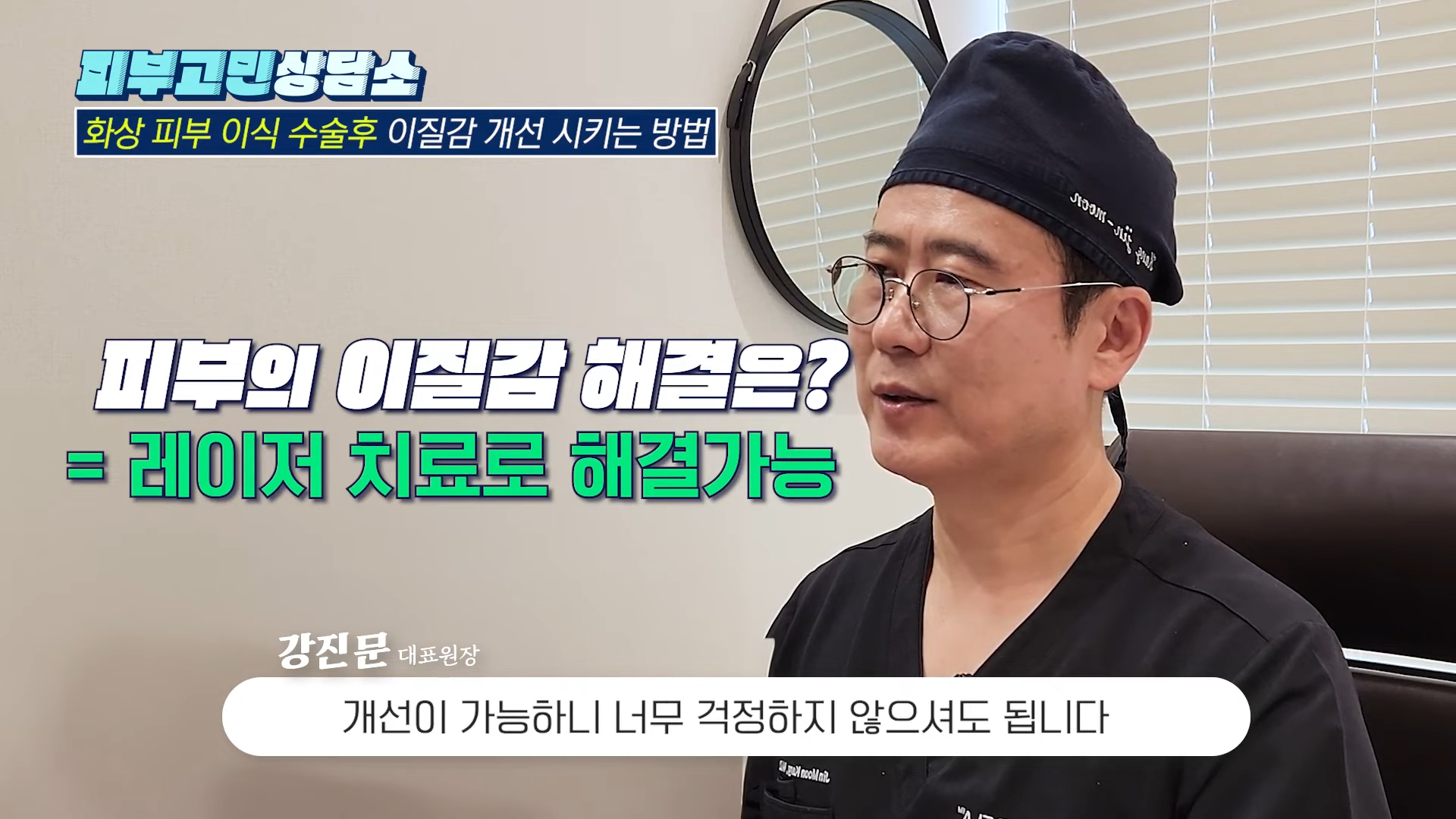
Combining burn scar laser devices: Vbeam Prima and UltraPulse Alpha
| Category | Vbeam Prima | UltraPulse Alpha |
|---|---|---|
| For these scars | Early scars that are still red | Scars that are hard, sunken or changed in texture |
| Action | Targets blood vessels to calm the red tone | Delivers fine stimulation to deep skin layers to drive regeneration |
| Expected change | Less redness in the scar | Improvement in thickened tissue and skin texture |
Burn scars are not usually finished in one or two sessions. They improve little by little as treatment is repeated several times at intervals. The number of sessions and the length of treatment vary with the depth and extent of the scar and the condition of the skin, and the exact plan is set after a diagnosis.
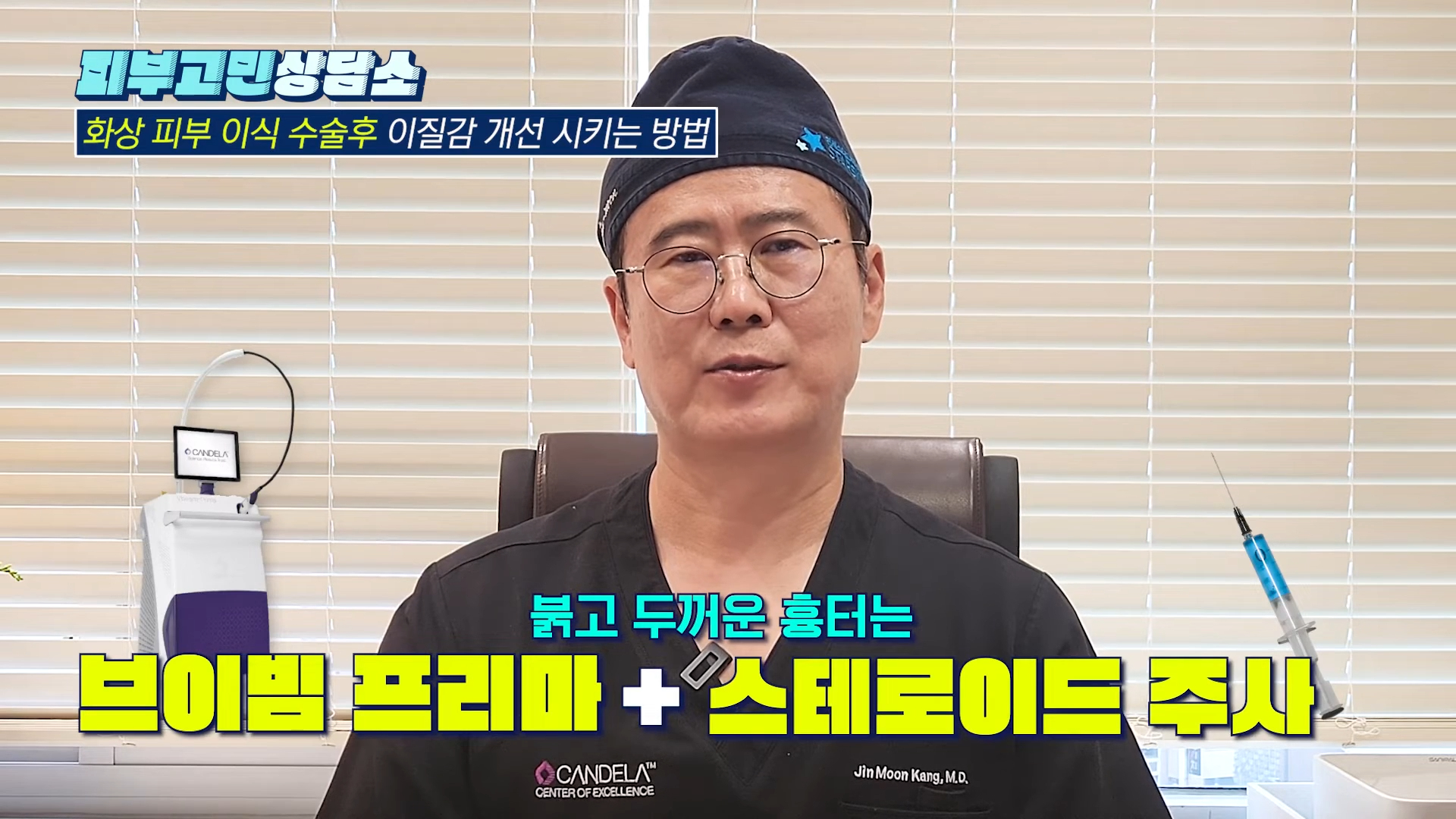
Vbeam Prima. A vascular laser that responds to vascular lesions, used to calm the redness of early scars that turn red right after a burn. The earlier care starts, before the scar settles, the better the chance of keeping it from hardening into a noticeable shape or color, so if a scar looks likely to remain, we recommend starting as early as possible.
UltraPulse Alpha. For burn scars that have hardened and changed in texture, a regenerative laser that reaches deep skin layers is used. UltraPulse Alpha boosts the skin's regenerative power, and the pinhole method applied in burn scar treatment makes tiny holes in the scar to help tightly tangled collagen tissue realign and to awaken the regenerative response. The pinhole method began as a burn scar treatment but is now widely used for many kinds of scars.

Adding picosecond laser for pigmentation after treatment
During or after scar treatment, the skin can be irritated and pigmentation marks can appear. In that case, a picosecond laser such as PicoWay is added to manage the pigment separately. When the regenerative laser handles the texture and structure of the scar and the picosecond laser handles the remaining pigment marks, skin tone and texture can be refined more evenly.
With this combination, change may feel like it builds slowly, but you can return to daily life right after each session and recovery happens naturally, so people with old burn scars can try it too. Choosing devices that suit the condition lets their effects add to each other. The skin stays sensitive for a while after laser treatment, though, so consistent aftercare such as sun protection and moisturizing is needed to prevent pigmentation and support recovery.
Facial burn scars: how much can you expect?
It is difficult to return a scar completely to the skin you had before the injury. Even so, refining the scar's color, thickness and texture step by step so that it bothers you less in daily life is well worth trying. If you are hesitating because you worry about new scars after surgery, get a burn scar laser consultation in Sinchon to find the right direction for your facial burn scar as it is now. We hope a worry you have carried for a long time grows a little lighter.

This article was reviewed by Dr. Lee Sang-Joo, Representative Director (board-certified dermatologist). Last reviewed November 23, 2026.
This article is intended to provide general medical information, and treatment results and downtime may vary depending on individual skin condition. Please confirm an accurate diagnosis and treatment plan through a consultation with a dermatologist.