
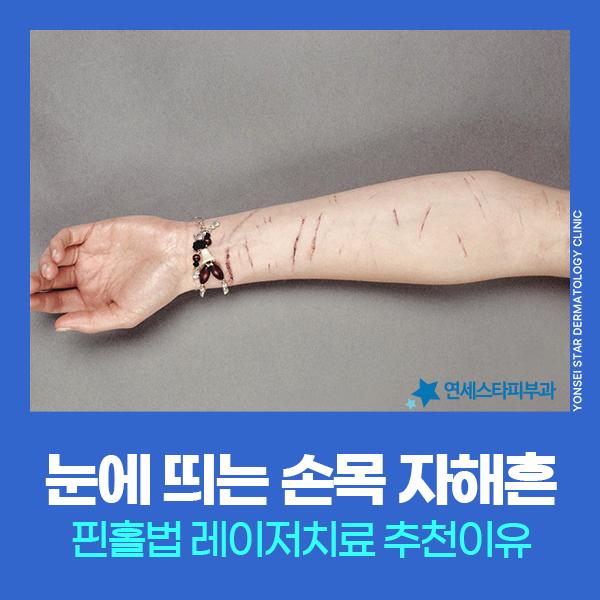
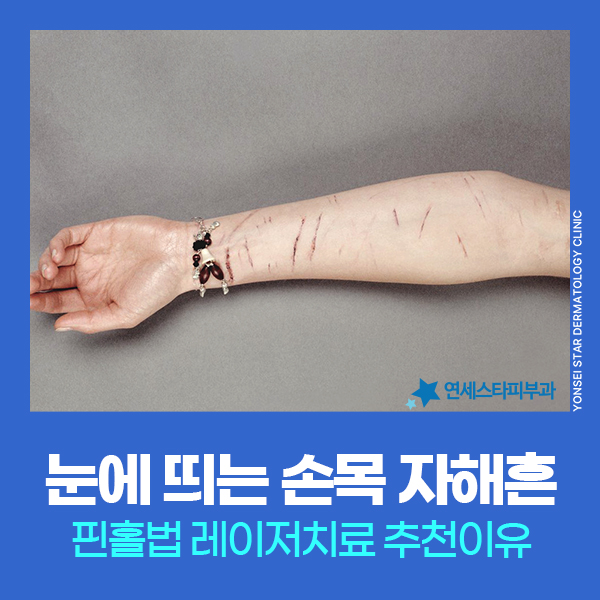
To start with the conclusion, even old wrist scars can be managed so they fade little by little with wrist scar laser such as the pinhole method. Wrist scars are often marks of hard times left on the skin, so people tend to keep covering them, choose long sleeves even in summer and shrink from other people's eyes. If you have come to feel that you want to erase the scars and start again, that feeling is already a meaningful change. Let us take a calm look at why hesitation mark treatment is not easy and how it can be approached.
Five reasons hesitation marks are harder to treat than other scars
Wrist scars caused by self-harm, often called hesitation marks, differ in nature from ordinary wound scars, so they call for a more careful approach when looking for ways to remove wrist scars.
- The skin is thin and moves a lot. The wrist has thin skin layers and the joint is used often, so scars tend to remain more distinct or harden with a pulling feeling.
- Several lines overlap. When wounds pile up repeatedly, linear scars overlap and often vary in depth.
- The scars take many forms. Deep wounds may sink or rise over time, and depending on constitution they may become keloids or come with brown pigmentation.
- They rarely heal on their own. Scars that reach the dermis seldom disappear by themselves.
- Treatment is easily delayed. Many people hesitate out of concern about what others think and miss the right time.
Approaches that differ by scar age and whether there is a tattoo
If the wrist scar has healed but is still red, a vascular laser such as Vbeam Prima can help calm the redness and reduce the chance of it settling into a white scar. Even if the scar has already turned white, there is no reason to give up. It is good to start knowing, however, that the older the scar, the longer the treatment may take.
Some people cover scars with a tattoo, but a tattoo alone often does not hide all the linear marks. In that case, a picosecond laser to remove the tattoo can be used together with a scar treatment laser, and the treatment period may be somewhat longer as a result.
How the pinhole method of wrist scar laser works
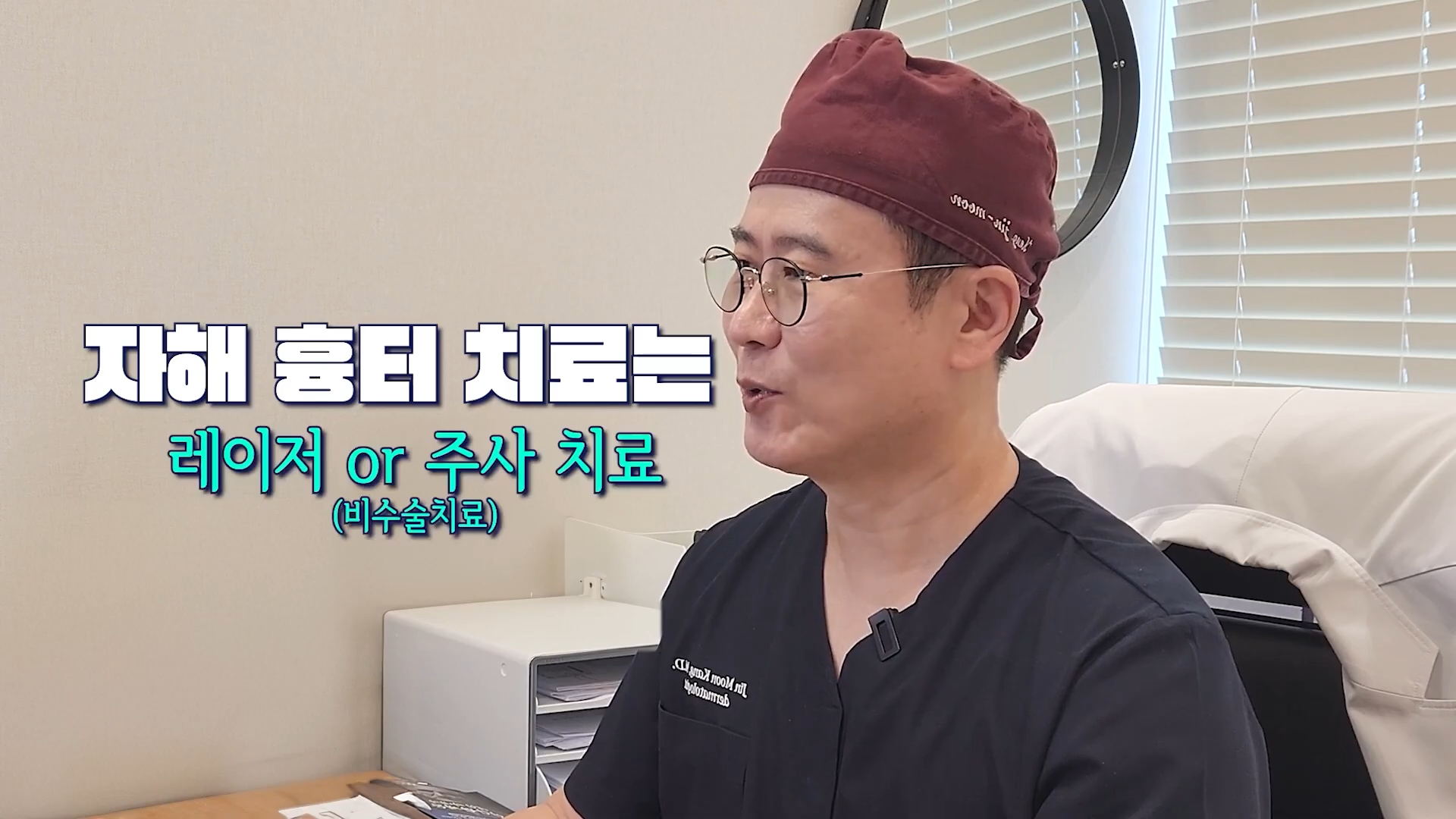
The pinhole method uses a laser to make very small, closely spaced holes in the scar, loosening clumped and tangled fibrous tissue and guiding the skin to regenerate on its own. It is performed with a regenerative laser device such as UltraPulse Alpha and can be used on irregular or deep wrist scars. Because it erases long linear scars little by little, the key point is that it works without cutting the skin or leaving new scars as surgery would.
There are three reasons to choose the pinhole method for wrist scar laser.
- Because there is no incision, it eases worries about new scars forming.
- Step by step improvement can be expected even in old scars where the tissue has hardened and thickened.
- It is widely used as a method well suited to hesitation marks, where the skin is thin, moves a lot and has overlapping linear scars.
The pinhole method began as a treatment for burn scars, but its use has now expanded to many kinds of scars, including keloids, sunken scars, surgical scars and traumatic scars.

The right method depends on the scar's color, depth and how long ago it formed, so it is important to combine vascular and regenerative lasers to suit the condition.
The time hesitation mark treatment takes, and the strength of those around you
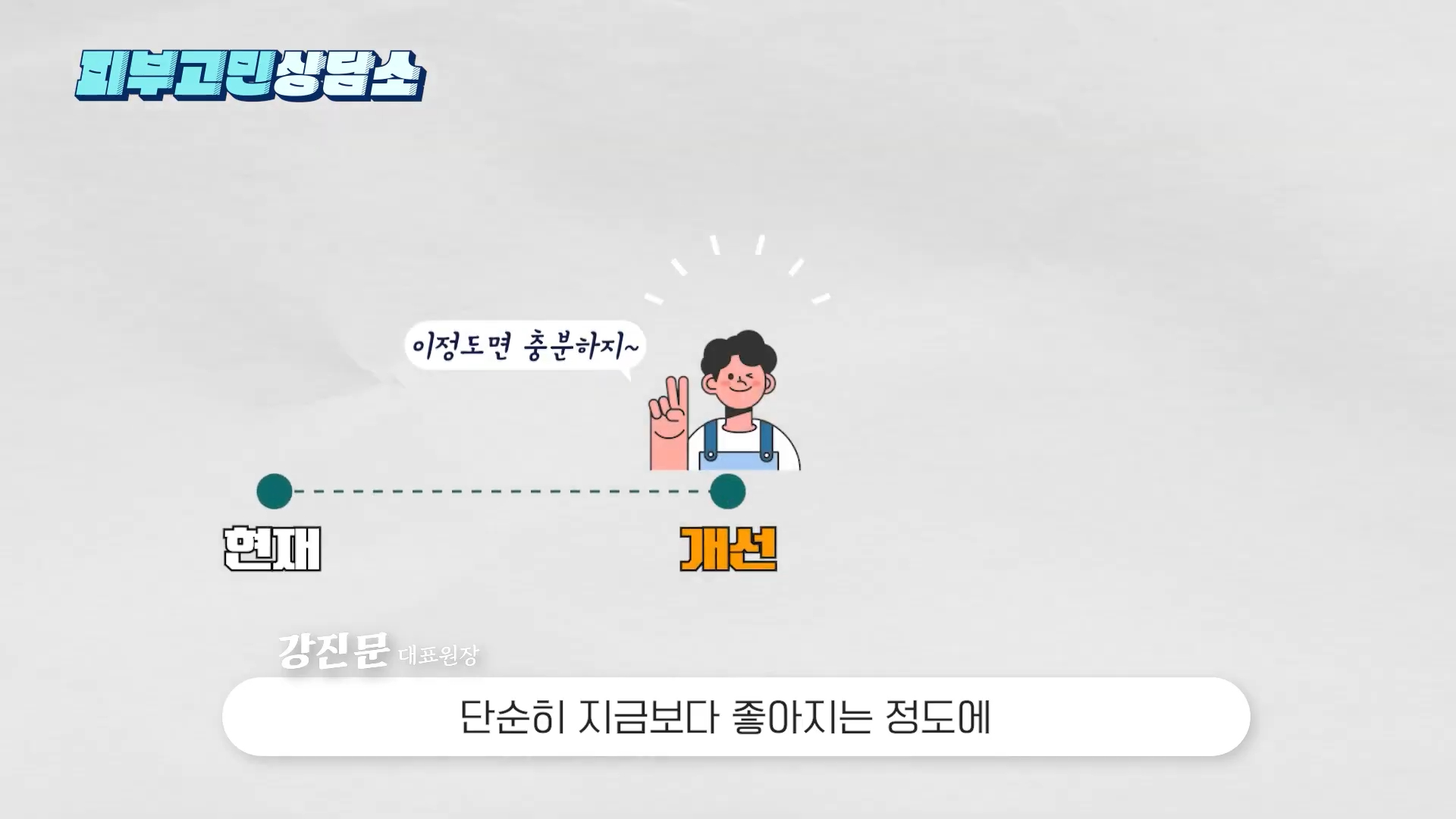
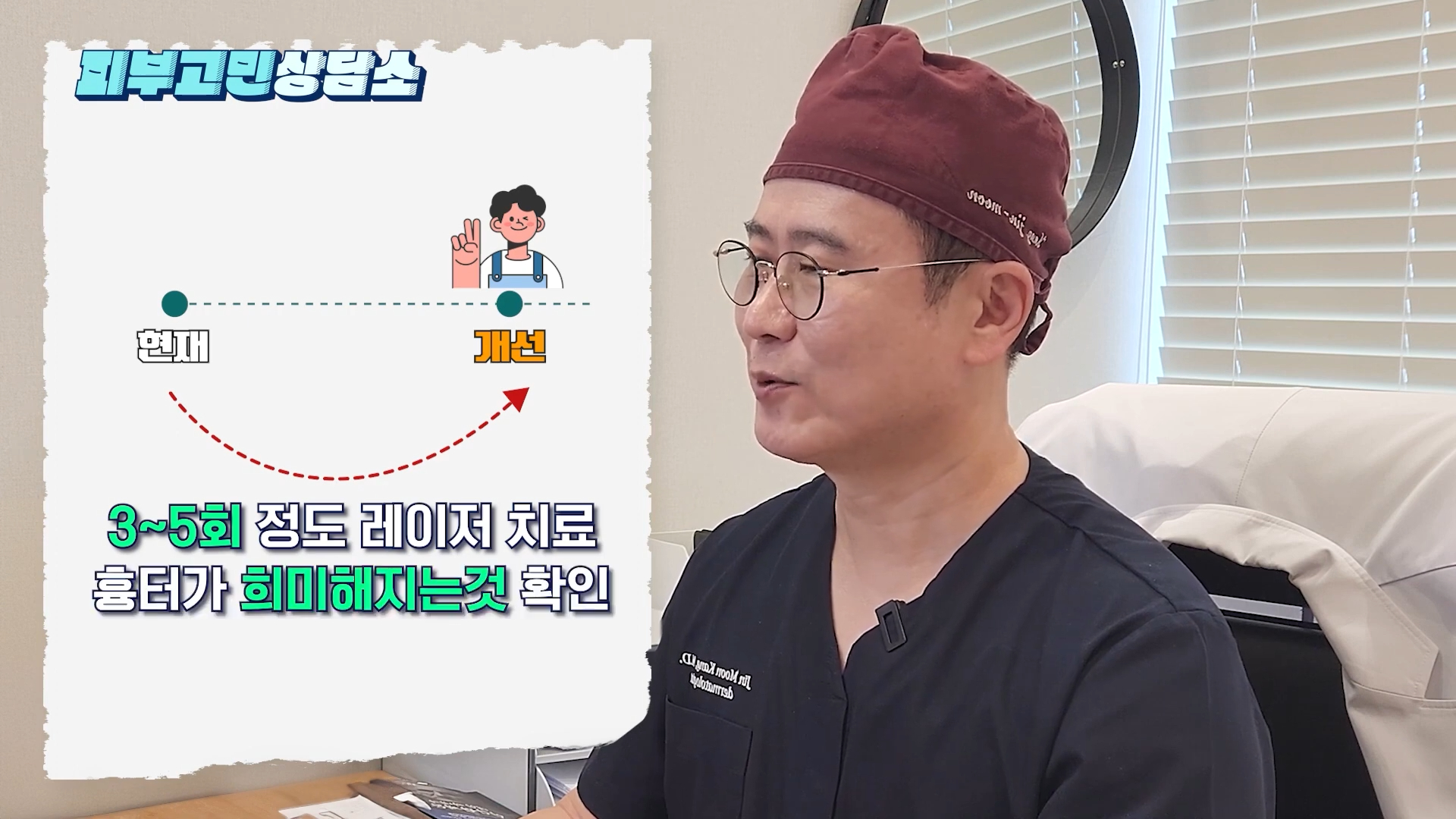
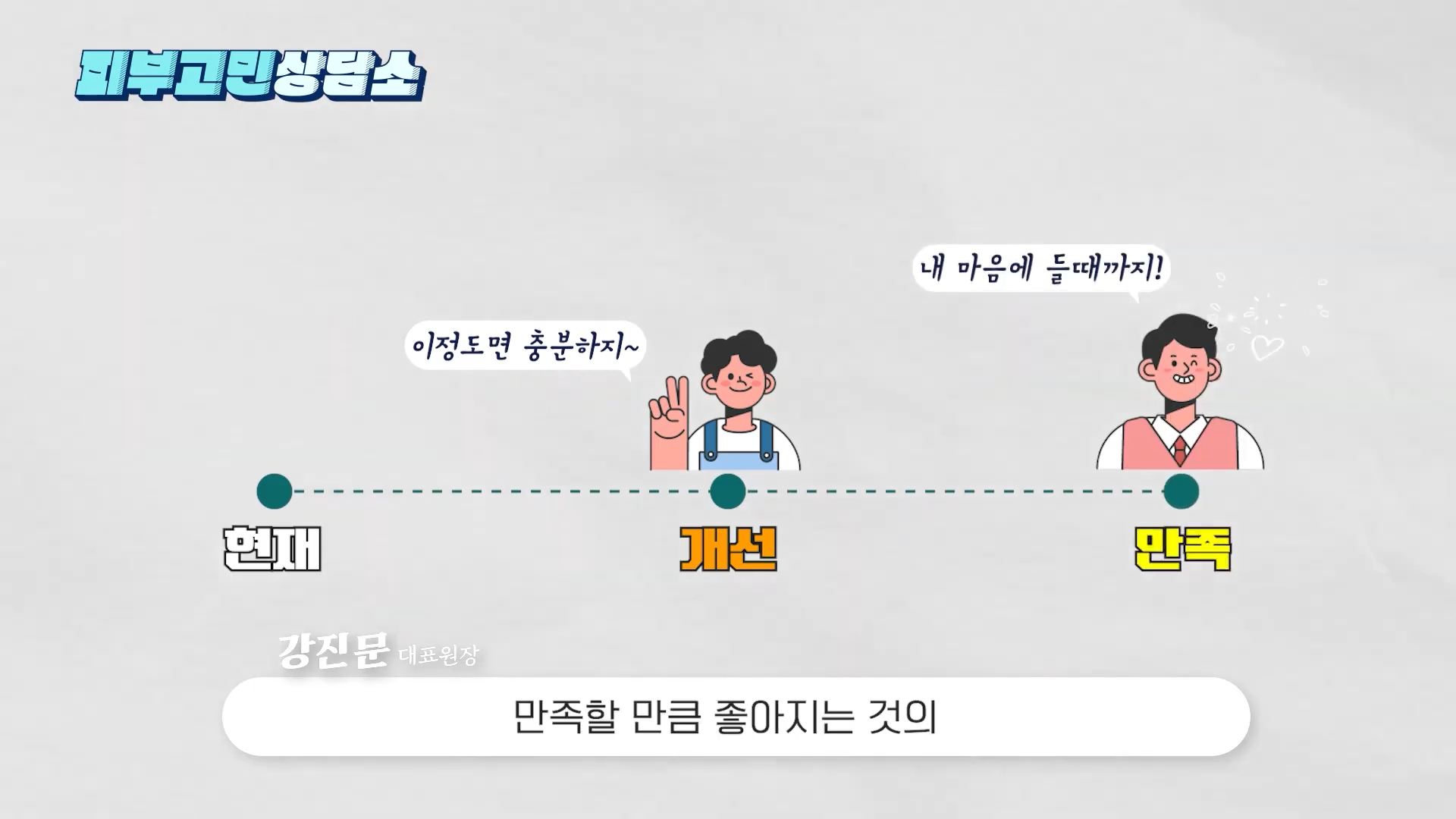
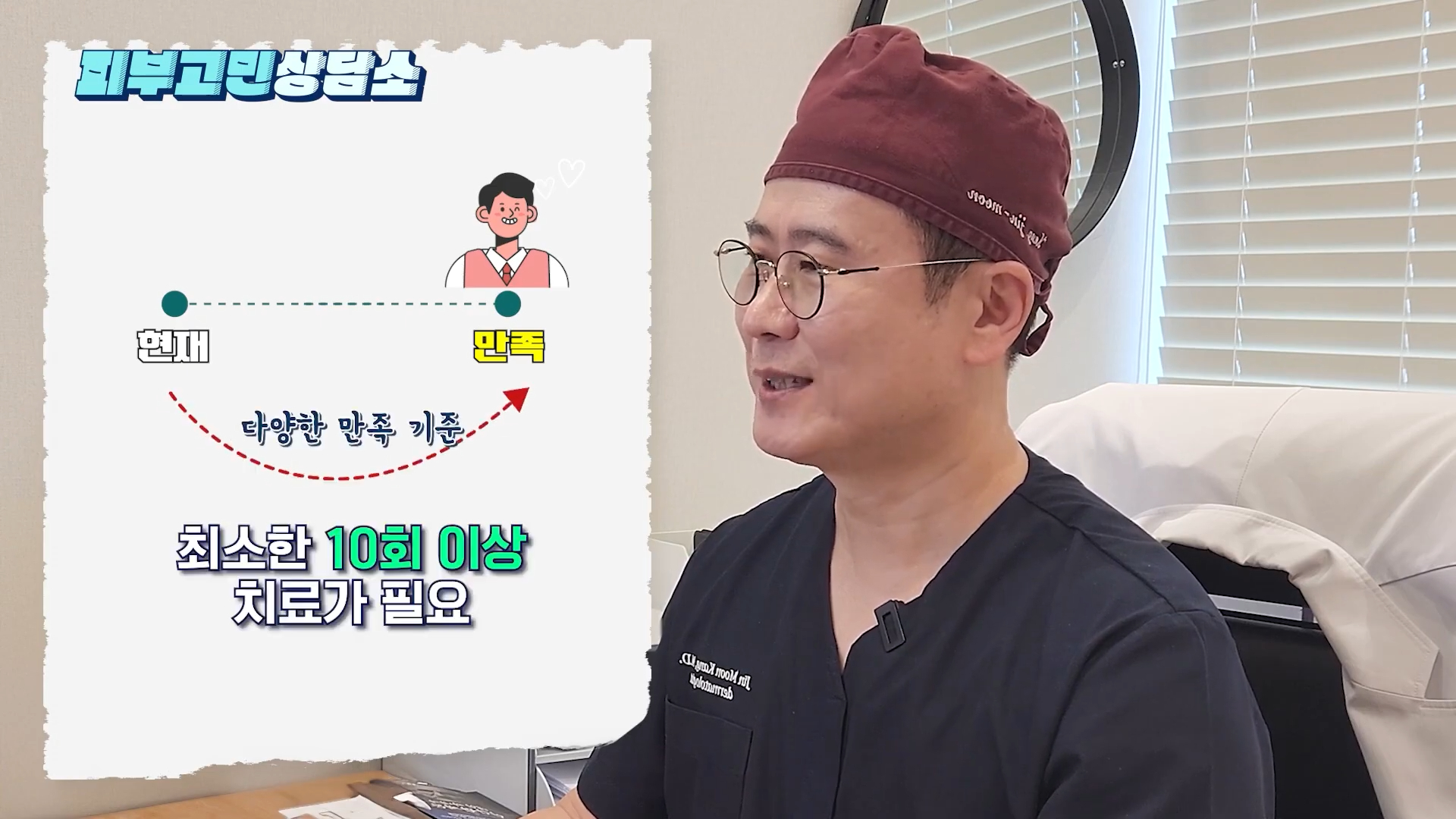
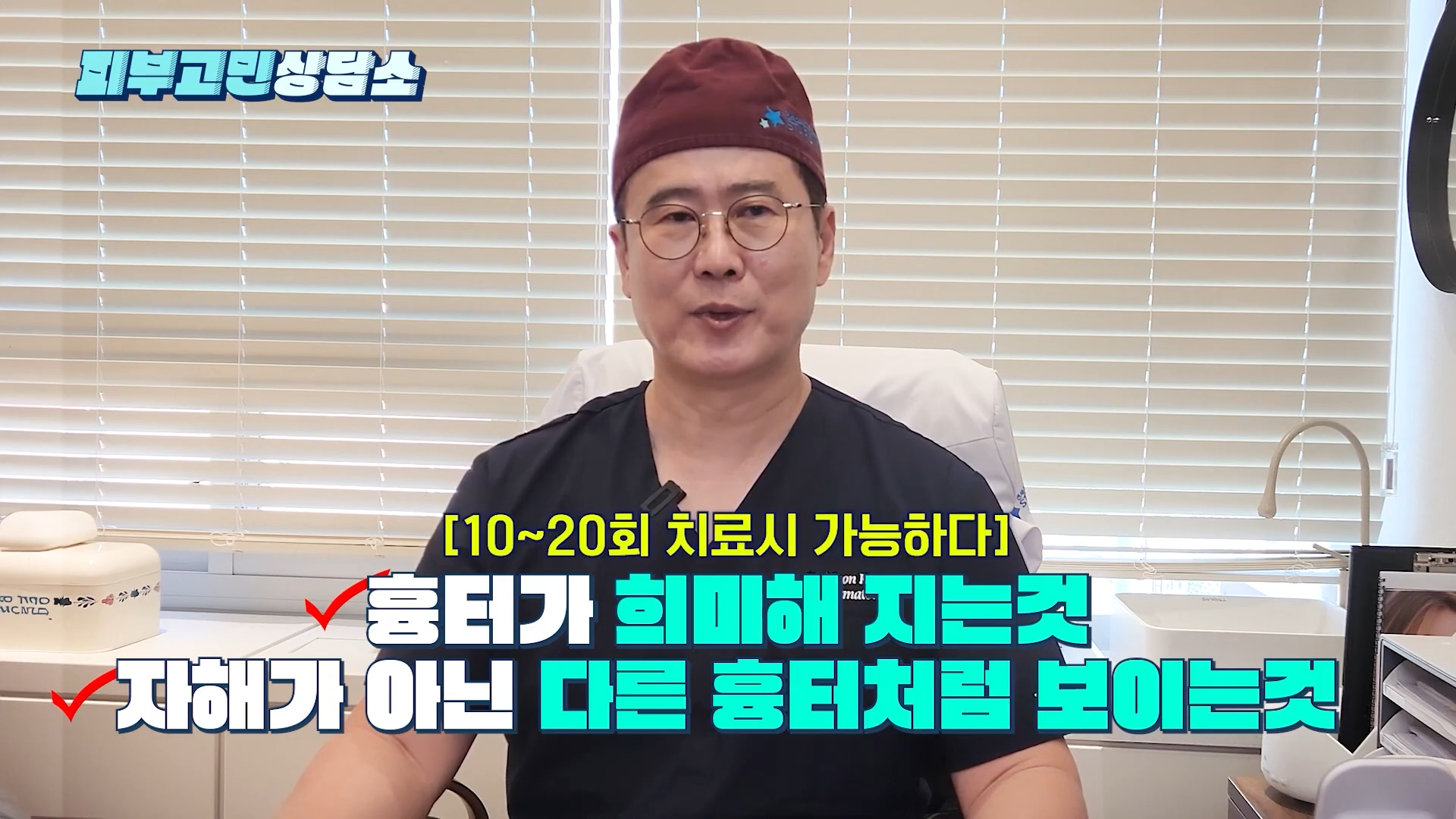
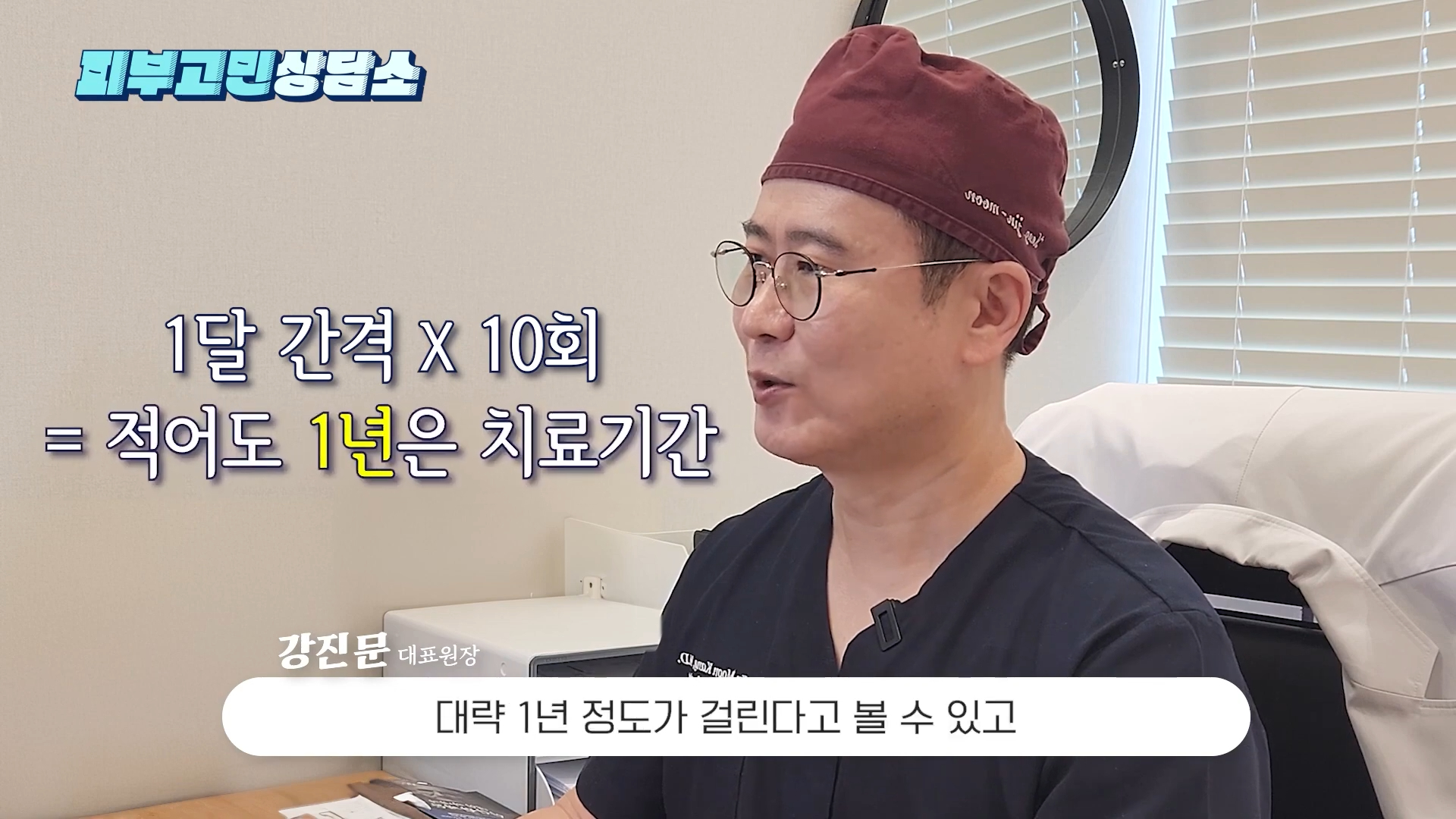
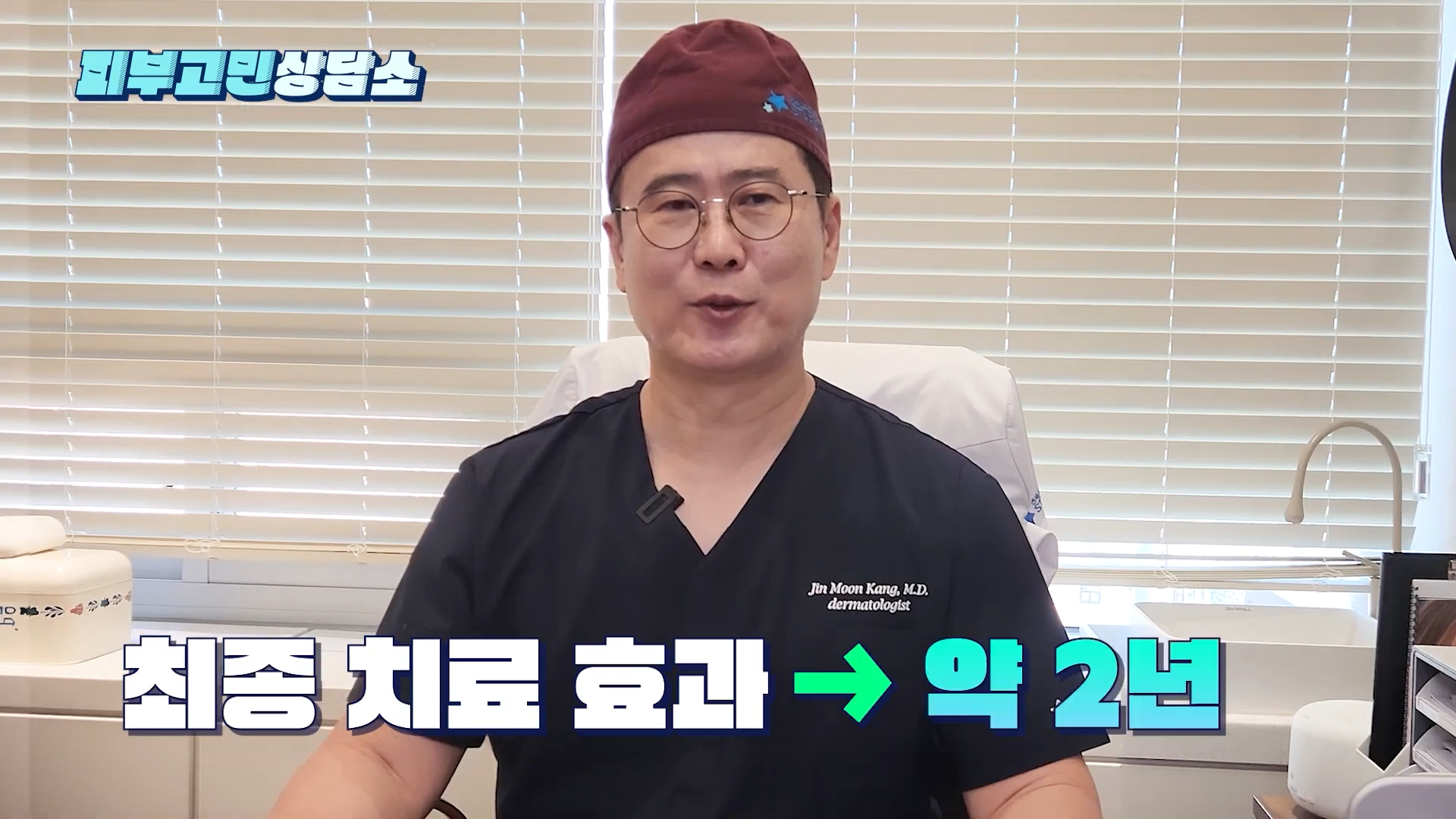
Wrist scar treatment usually continues over about 10 to 20 sessions, improving little by little. Depending on the person it can take anywhere from a few months to a few years, so persistence is needed. Above all, it matters not to let go even when change feels slow, and as each session builds on the last, the marks can gradually fade and confidence in daily life can slowly return.
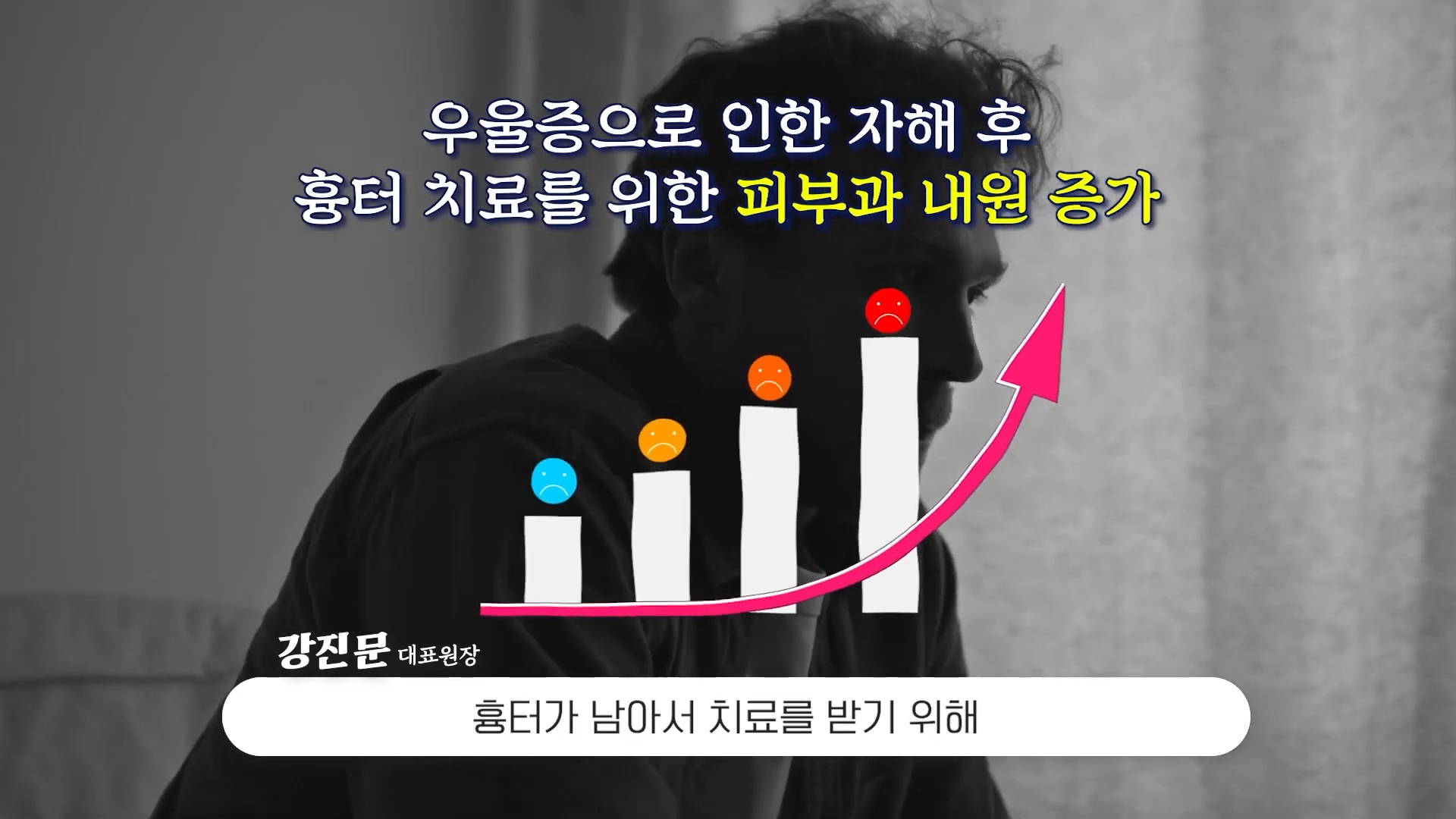
Hesitation mark treatment is often hard to see through on willpower alone. Among those who visit the clinic are quite a few young students whose scars formed while they were going through academic stress, friendship problems or emotional difficulties, and some come with their parents. It is a great help when family, friends and the people around them first listen closely rather than judging or pressing them. Simply going along on the treatment journey and telling them they are doing well helps a great deal in keeping treatment going.
Scar treatment and care for the mind go together
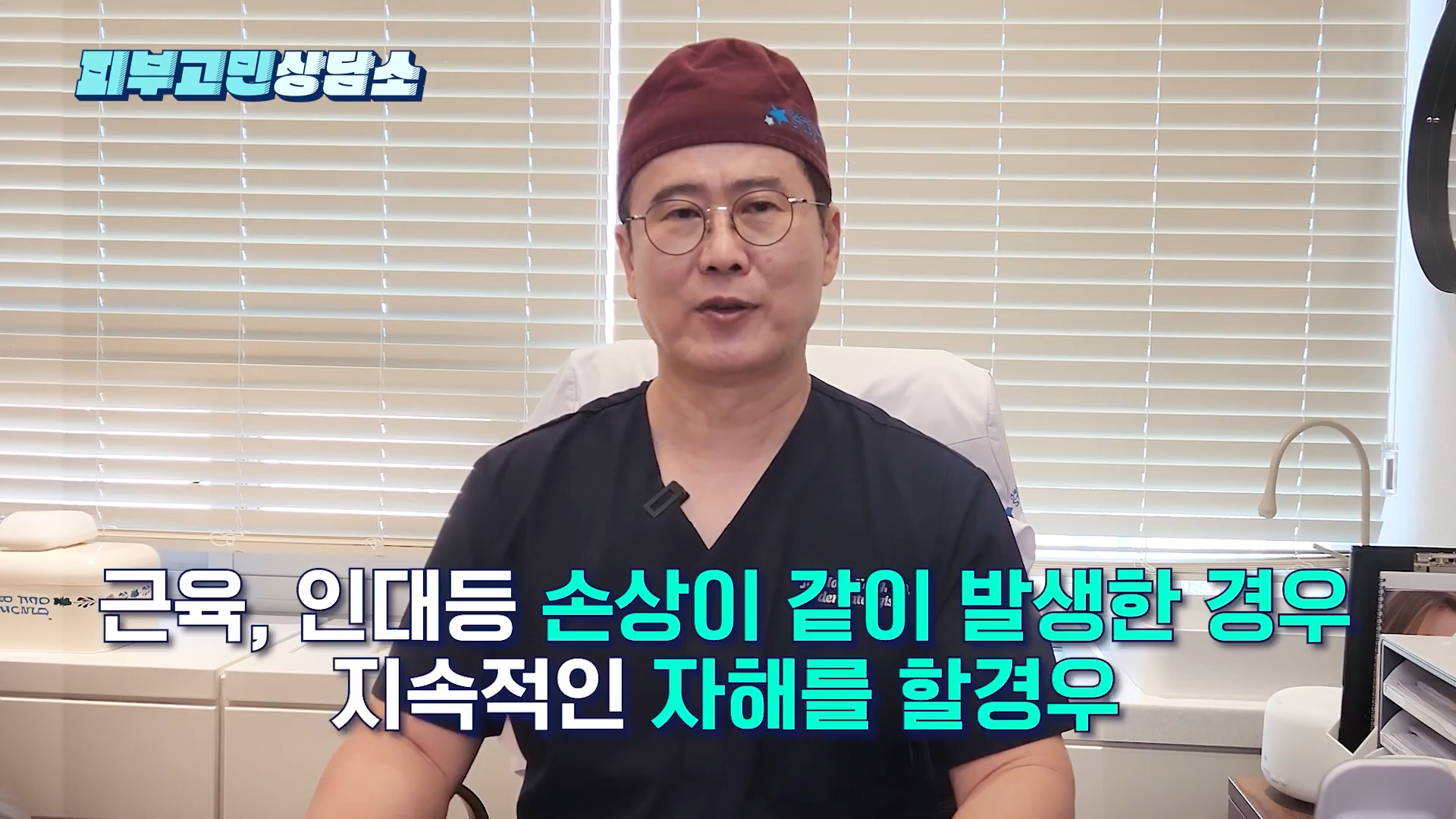
Improving the scar and caring for the mind must go hand in hand. If emotional difficulties remain unresolved, the same situation can repeat, and it is hard to keep hard-won treatment results for long. We recommend seeking help such as a consultation with a psychiatrist so you can find stability and comfort for both body and mind.
Scar treatment is a process of facing your own skin again, and when it goes together with the process of easing your mind, better results can be kept for longer. Do not carry your wrist scars alone. Feel free to come in for a consultation.

This article was reviewed by Dr. Lee Sang-Joo, Representative Director (board-certified dermatologist). Last reviewed November 23, 2026.
This article is intended to provide general medical information, and treatment results and downtime may vary depending on individual skin condition. Please confirm an accurate diagnosis and treatment plan through a consultation with a dermatologist.