
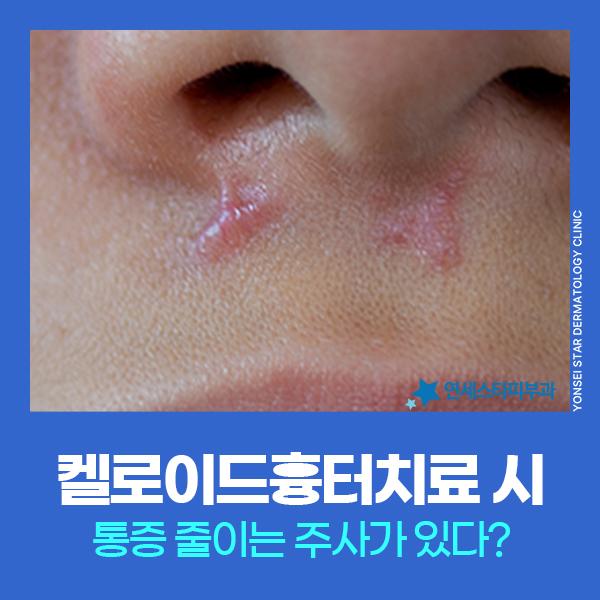
The saying that scars fade with time does not really apply to keloid scars. If the spot where acne used to be, a piercing hole or a surgical stitch line turns red, rises and grows harder over time, and if it actually gets bigger while you wait and starts to itch or sting, you should suspect a keloid scar.
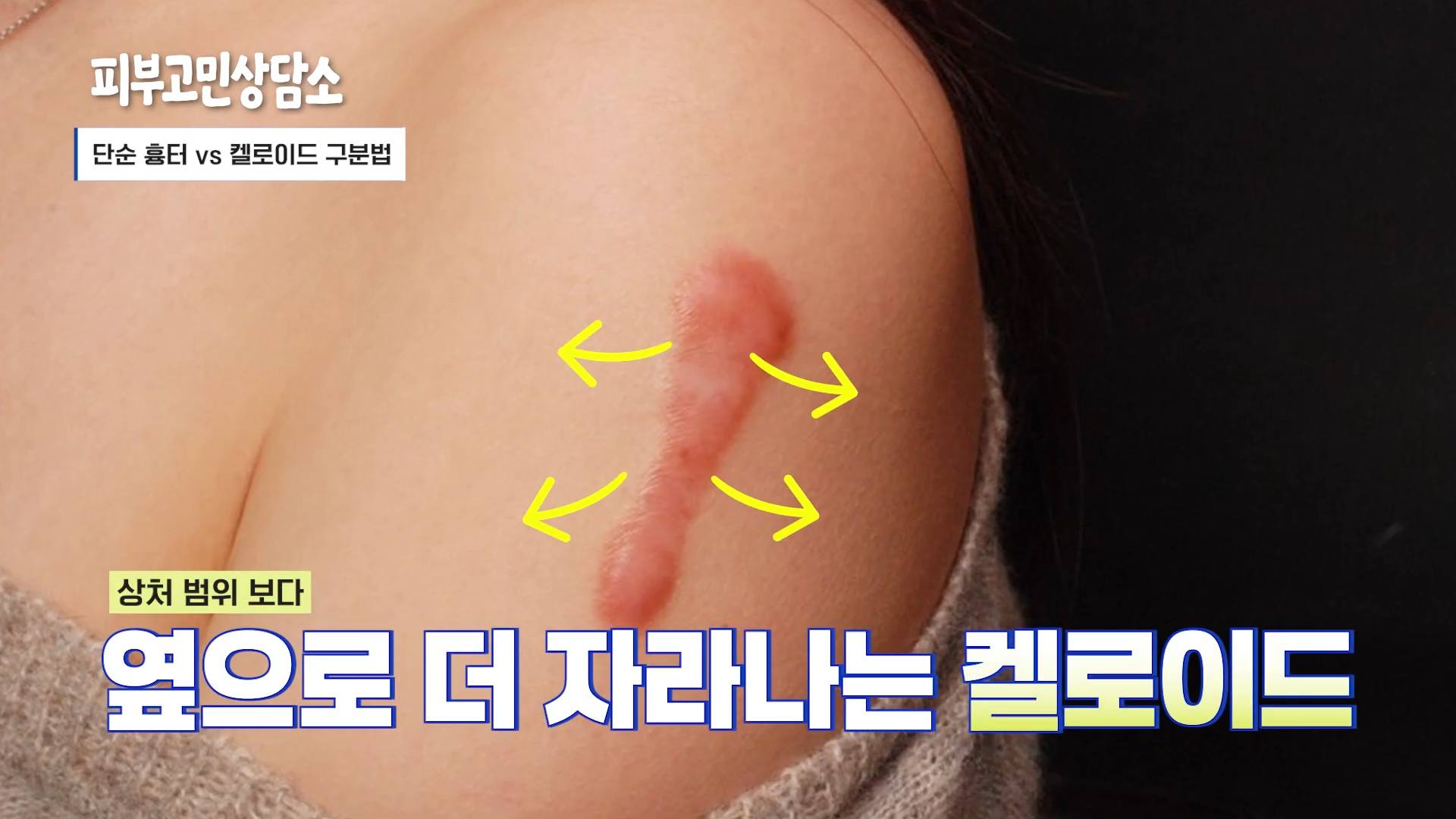
Keloid scars are hard to expect to improve on their own. Yet many people looking into keloid treatment put off the first step after hearing that keloids often come back or that the injections are quite painful. Here we explain, in order, why keloids are tricky to treat and how low-pain injections, which ease the pain burden, and combined laser treatment approach them.

Ordinary scars and keloid scars compared
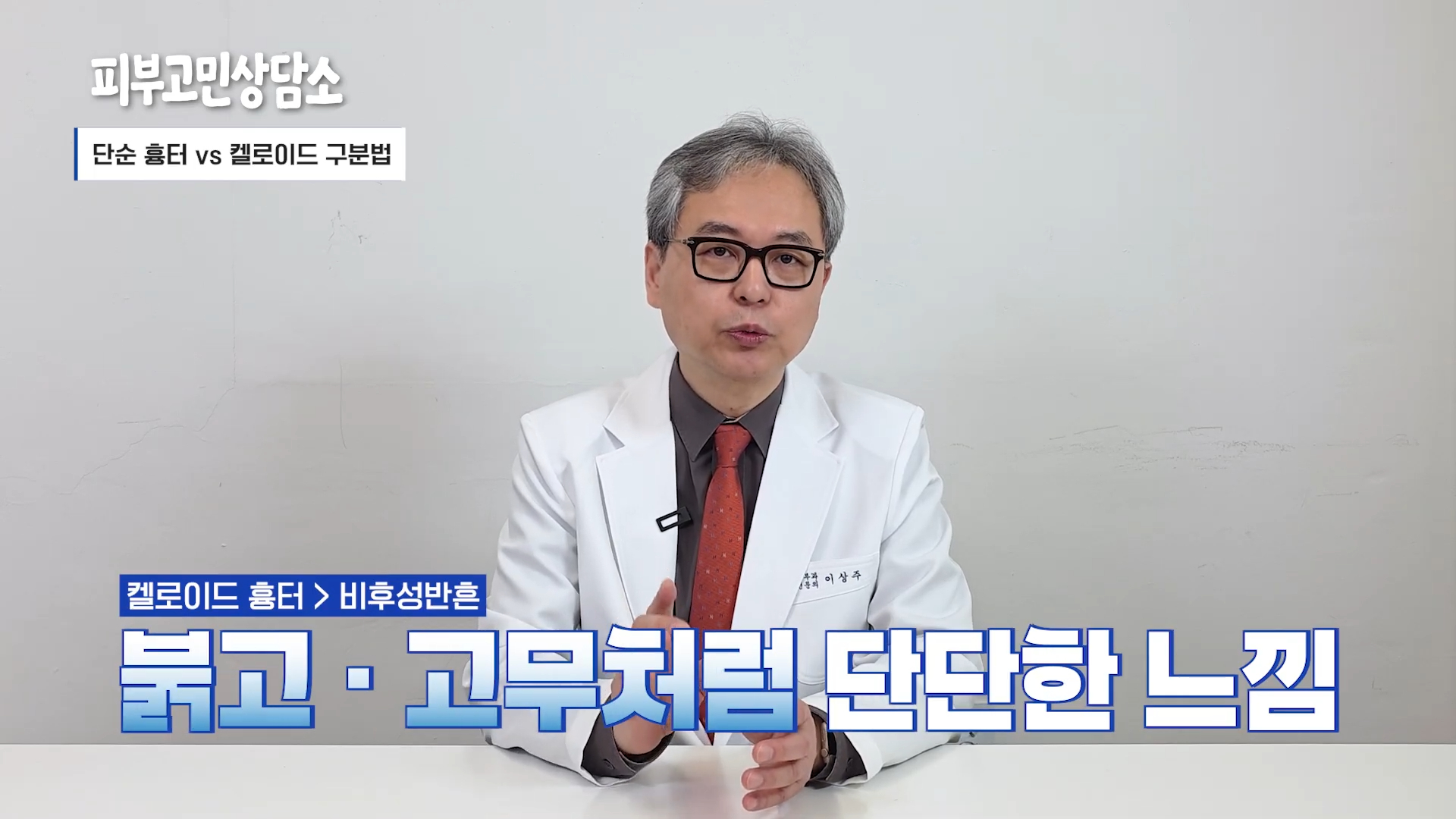
When a wound heals, the skin makes collagen to fill the damaged area. A keloid scar forms when this collagen keeps building up beyond what is needed, going past the boundary of the original wound and rising hard. Keloids are common in areas where the skin is stretched or frequently irritated, such as the chest, shoulders, jawline and earlobes, and if someone in your family has had keloids, the influence of constitution is also considered.
| Category | Ordinary scar | Keloid scar |
|---|---|---|
| Extent of spread | Usually stays within the original wound | May spread past the original wound into surrounding skin |
| Over time | Often fades gradually | May not shrink and may rise and harden further |
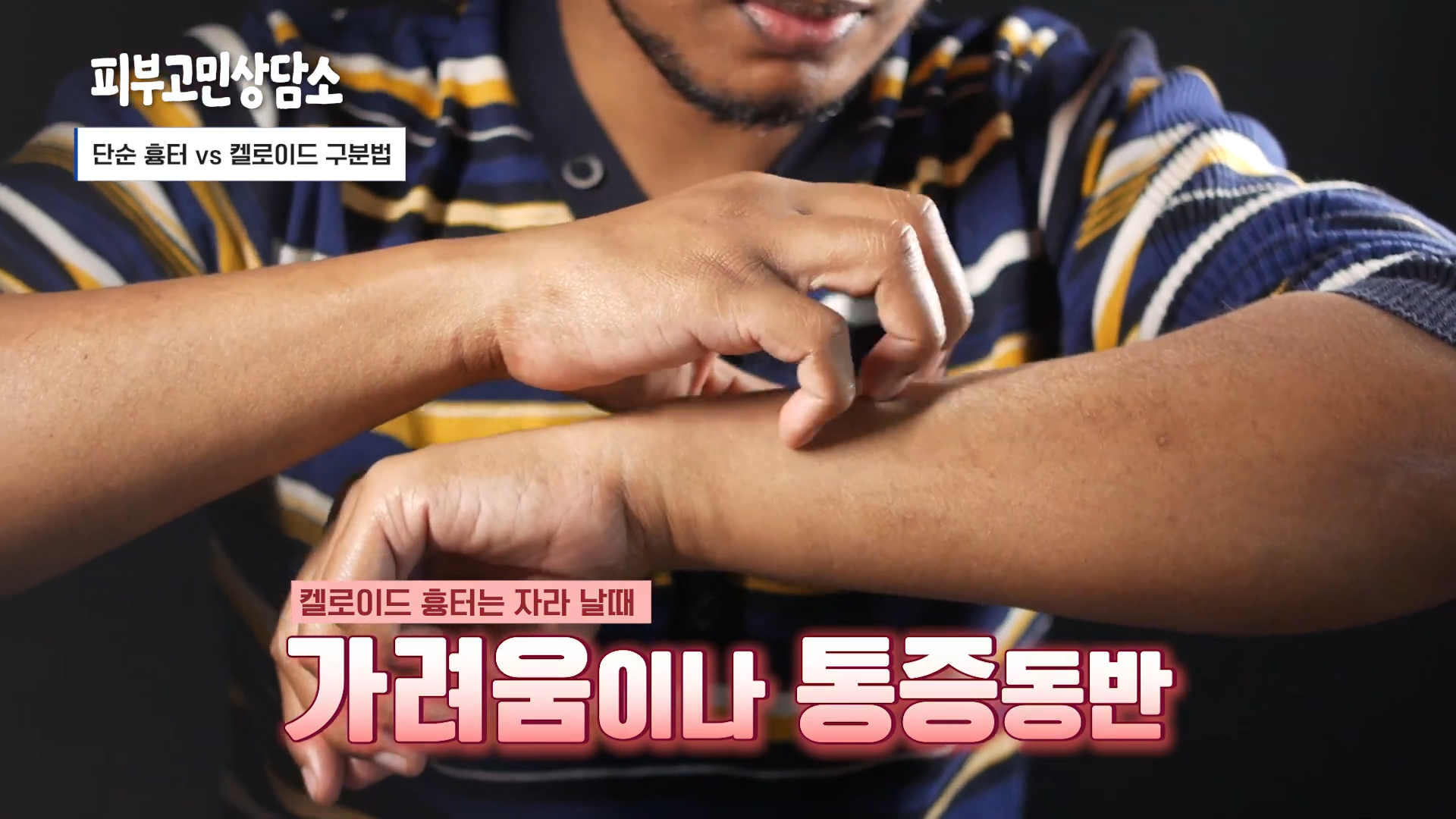
| Accompanying symptoms | Usually little discomfort | May come with itching, stinging and pain |
| Care approach | Sometimes simply monitored | Needs suitable treatment after diagnosis by a dermatologist |
Keloids after surgery can appear long after the wound has fully healed. If you see the surgical site turning red or hard, keep an eye on it and consult a specialist when it changes.
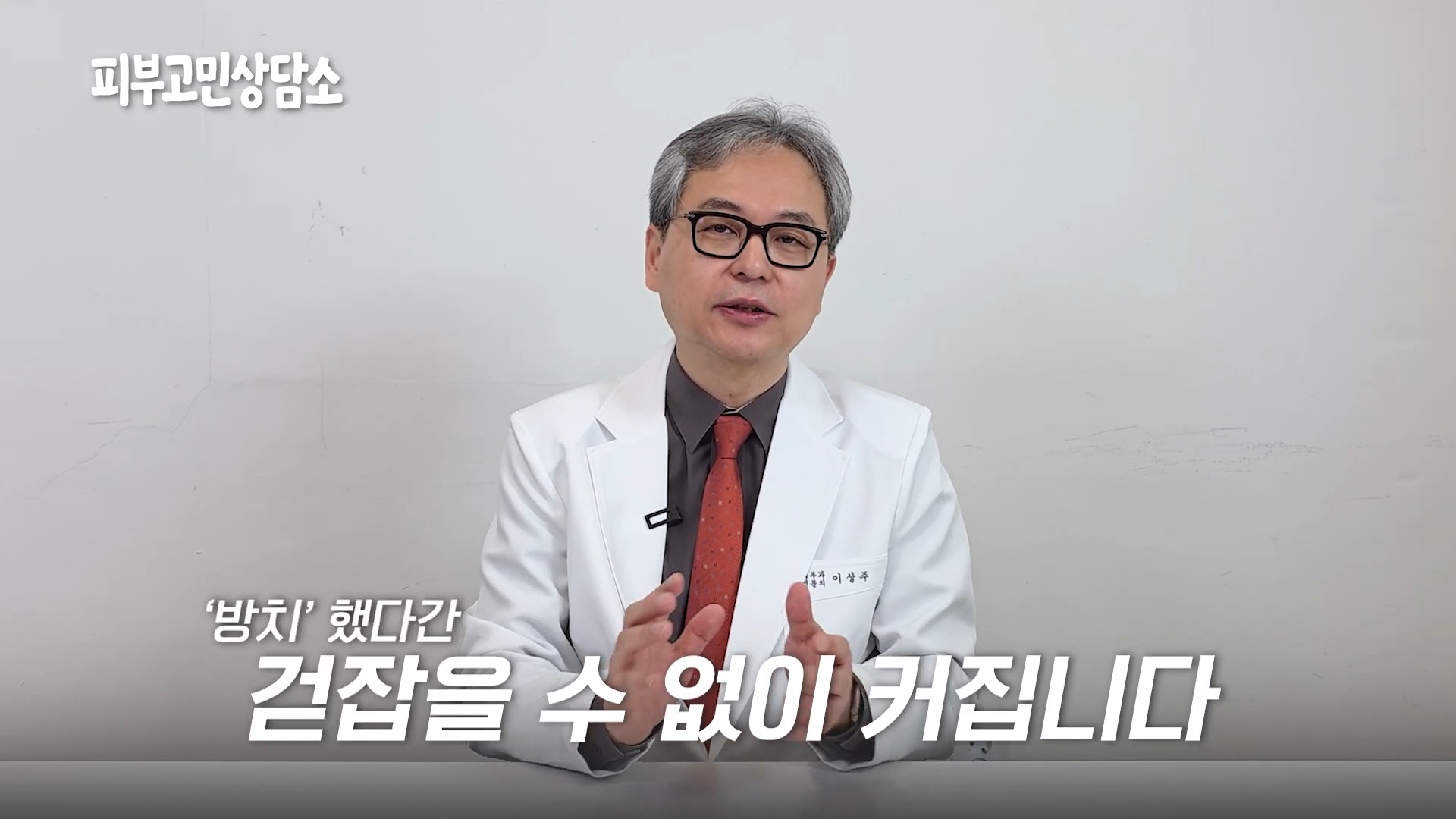
Keloid scars rarely shrink on their own. Left alone, they can grow larger or cause long-lasting itching and pain, so they are seen as scars that truly need suitable keloid treatment. The earlier treatment starts after symptoms appear, the easier it is to plan.
If any of the following four applies, it may be a keloid scar.
- The scar is raised above the skin
- It grows harder and redder over time
- The scar has become wider than the original wound
- Itching, stinging or pain keeps coming back
Recurrence and injection pain make keloid treatment hard
Recurrence. Keloids tend to keep producing collagen, so simply removing the scar tissue can let them rise again in the same spot. Sometimes they come back bigger than before, so the course must be followed and managed consistently even after treatment ends. It is best to think of keloid care less as a one-time procedure and more as long-term management.
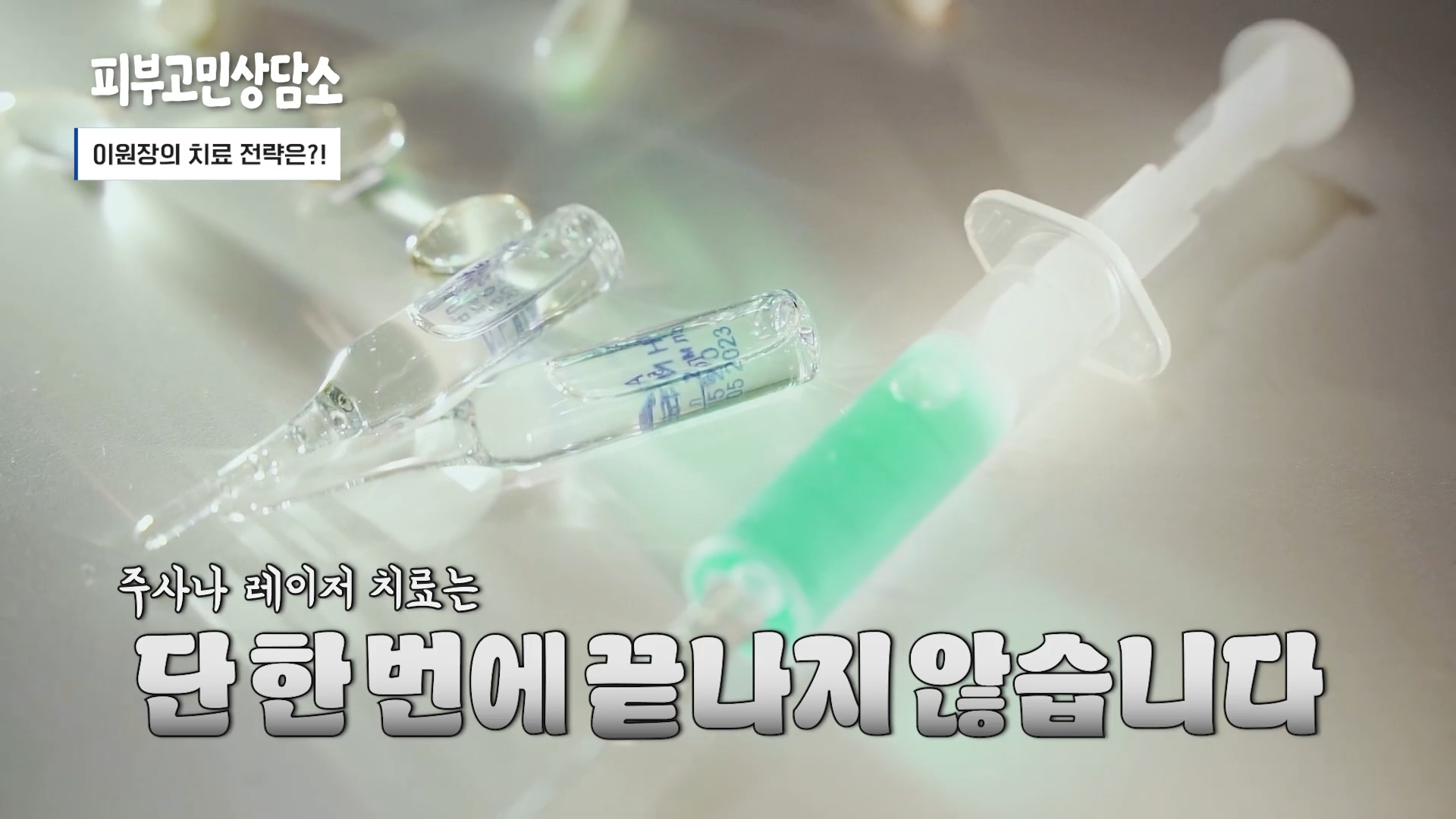
Pain from keloid injections. Keloid injections deliver a steroid directly into the hard scar tissue to suppress excessive collagen growth, and they have been used for a long time. The problem is that the denser the scar tissue, the higher the pressure when the medicine goes in, and the pain is considerable. Because the treatment has to be repeated at regular intervals, many people find this process a burden.
If fear of pain leads you to stop treatment partway, growth can easily resume and the chance of recurrence may rise. The way recurrence and injection pain feed into each other is what makes keloids even trickier.
Low-pain injections: easing the burden of injections
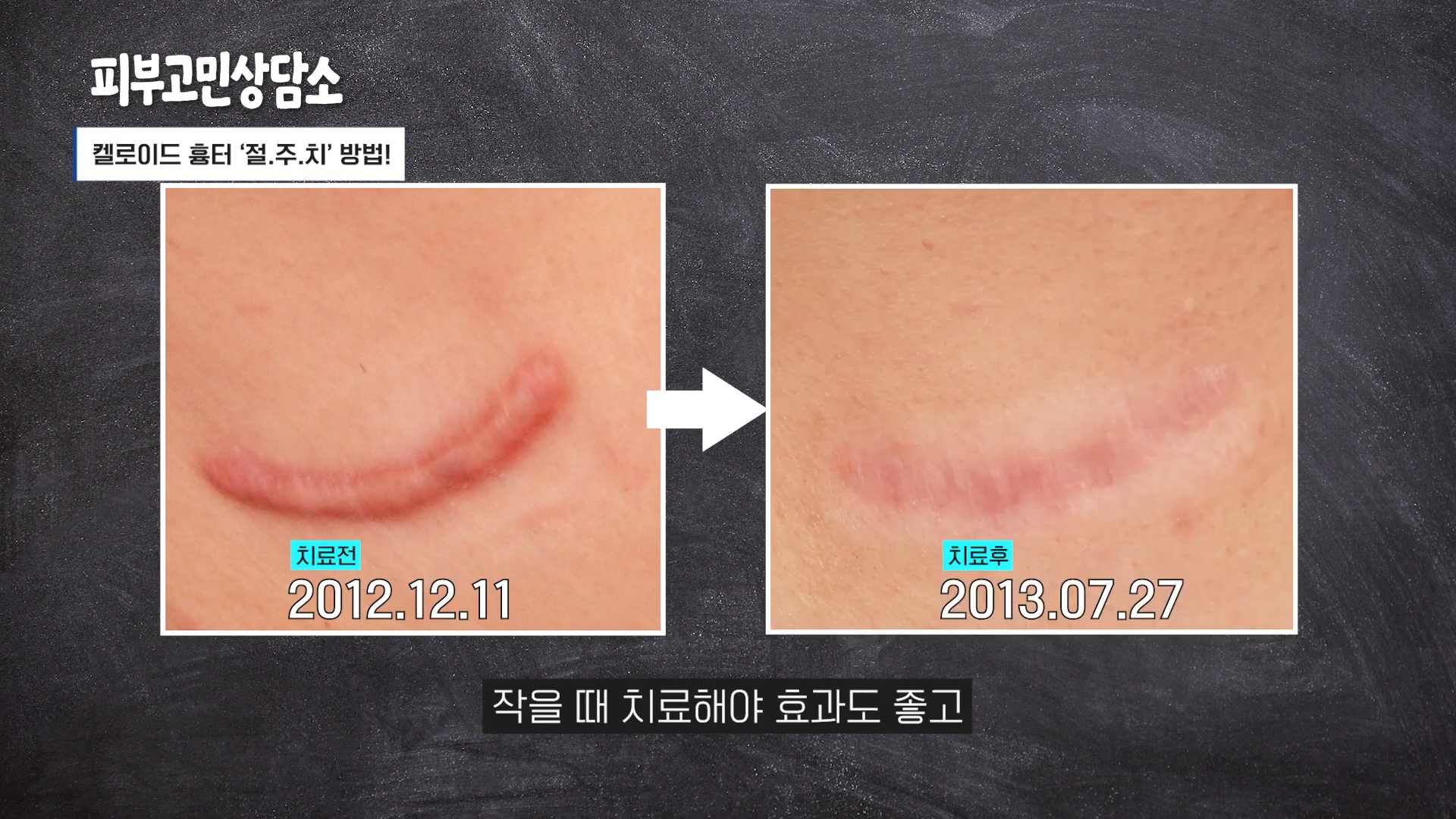
Low-pain injections keep the core action of keloid injections, the steroid's suppression of collagen growth, while reducing the pain felt during the procedure. When fear of pain eases, it becomes much easier to continue treatment at the planned intervals, and this also plays an important role in managing the chance of recurrence.

Combined treatment that adds laser
The characteristic redness of keloid scars often comes from an overgrowth of blood vessels. A vascular laser such as Vbeam Prima can selectively target this vascular growth, helping to settle the scar's red color and reduce its size.
In combined treatment, low-pain injections suppress collagen growth in the tissue while the laser handles the blood vessels and redness, allowing a broader approach than using a single method alone. It is also known to help ease accompanying symptoms such as itching and pain and lower the chance of recurrence.

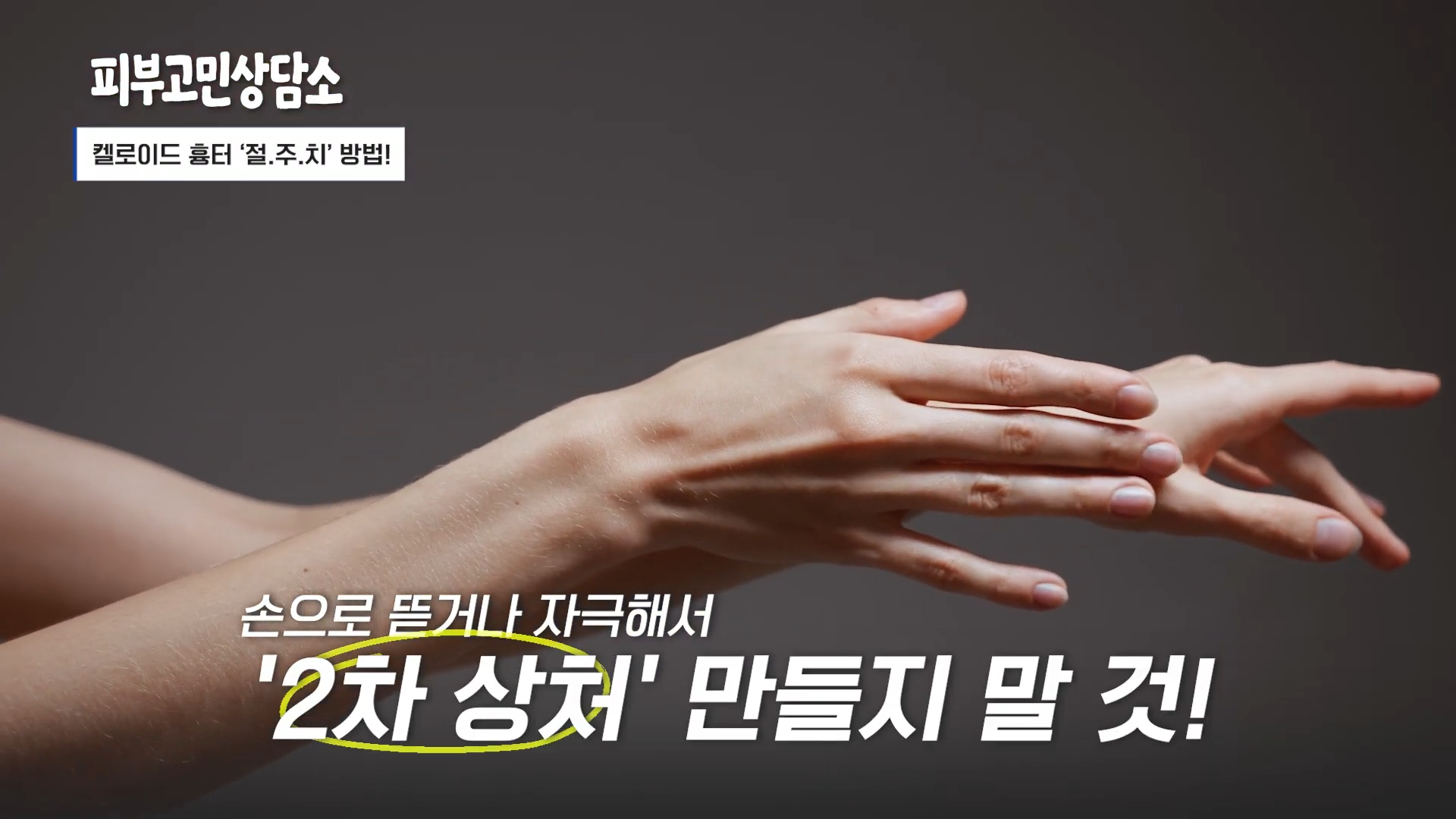
If you suspect a keloid, above all do not try to squeeze or pick it off yourself. Repeated irritation can actually make the scar bigger. Rather than relying on ointments or removal products at home, we recommend consulting a dermatologist early, when symptoms first appear, to decide on a treatment direction that suits your current condition.
Four common questions about keloid scars
Do keloid scars go away on their own over time? They rarely shrink naturally. Rather than leaving them, it is better to get a diagnosis from a specialist early.
Are keloid injections very painful? Because the medicine is injected into hard tissue, many people find the pain a burden. Low-pain injection methods are sometimes used to ease this, and how much it hurts varies from person to person.
Will it not come back after treatment? Keloids are scars that can recur, so follow-up is needed even after treatment. Consistent care with combined injection and laser treatment can help lower the chance of recurrence.
How many sessions and how long does treatment take? It depends on the size, location and hardness of the scar and how long ago it formed, so you will be guided according to a personal plan after diagnosis.
The first step in keloid care
Keloid scars are not solved by waiting, so suitable keloid treatment is essential. If you have been putting it off because of worries about recurrence and injection pain, consult a dermatologist about whether a gentler approach such as low-pain injections combined with laser suits your scar. Keloid care starts with making a plan that fits the current state of your scar.

This article was reviewed by Dr. Lee Sang-Joo, Representative Director (board-certified dermatologist). Last reviewed November 23, 2026.
This article is intended to provide general medical information, and treatment results and downtime may vary depending on individual skin condition. Please confirm an accurate diagnosis and treatment plan through a consultation with a dermatologist.