
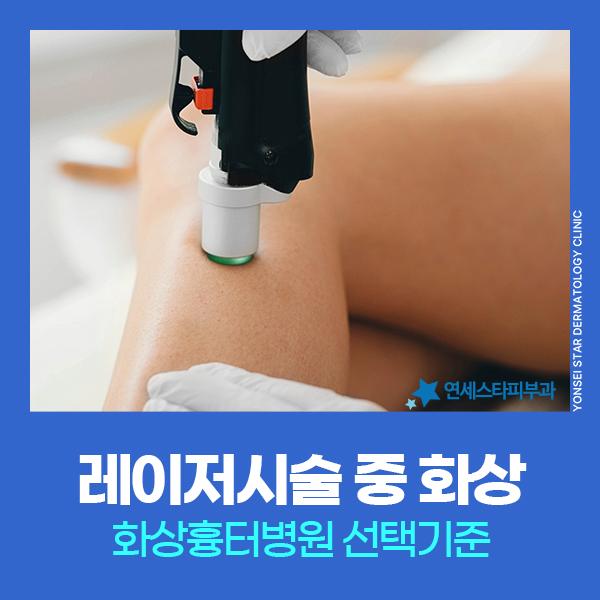
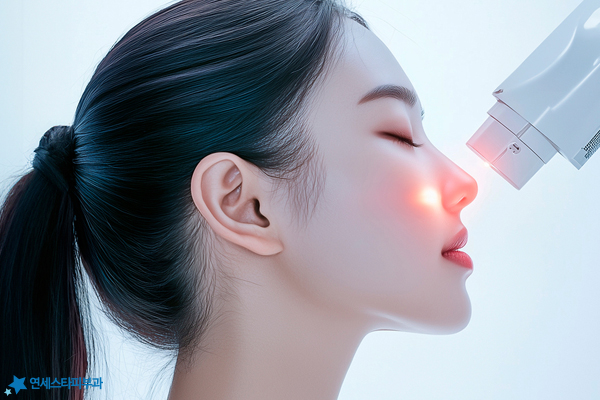
When we think of everyday Burn Scars, we often imagine accidents involving hot pots, curling irons, or clothes irons. However, it's surprisingly common for excessive energy to be momentarily delivered during Laser Treatment received for Skin Care, leading to a burning sensation and ultimately resulting in a laser Burn Scar. It's not uncommon for minor burns that were dismissed as "it'll be fine" to result in hyperpigmentation or Burn Scars several weeks later.
How laser Burn Scars are initially treated and which Burn Scar clinic manages them largely determines the subsequent recovery. This article summarizes the possibility of scars based on burn depth, the 5 steps for initial management of laser Burn Scars, and why you should choose a Burn Scar clinic with a dermatologist.

Scar Possibility Varies with Burn Depth
Burns are classified into 1st, 2nd, and 3rd degrees based on the depth of skin damage. Whether a scar remains depends on the depth and area of the burn, individual constitution, and how appropriately the burn was treated afterward.
Even 1st-degree burns should not be taken lightly; it's best to respond quickly. For 2nd-degree burns where blisters form, the scar pattern can vary depending on whether initial treatment was received.
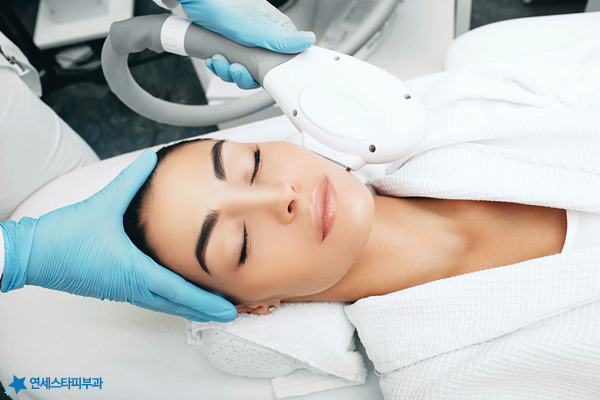
When to Suspect a Burn After Laser Treatment
Since lasers deliver thermal energy to the skin, redness and a feeling of warmth immediately after the procedure are common reactions. However, if blisters, oozing, severe pain, or scabs follow, depending on the treatment intensity, skin condition on that day, and post-treatment care, it should be considered a burn and managed accordingly.
Especially for laser Burn Scars that occur after Tattoo Removal or pigment lasers, even if they appear minor at first, they can spread to hyperpigmentation or scars over time, making initial management even more crucial.
5 Steps for Initial Management of Laser Burn Scars
- Cool down the heat: Immediately after the injury, sufficiently cool the area with cold running water or a clean cold compress. For general burns, cooling for more than 20 minutes is recommended. Avoid applying ice directly to the skin, as it can cause irritation.
- Protect blisters: Blisters protect the wound by covering it, so it's best not to intentionally burst them. If a blister has already burst, do not touch it and keep it clean, then have the wound checked at a nearby dermatology clinic.
- Keep it moist: To promote new skin growth, moist dressing, which manages oozing and keeps the wound moist, can be helpful. Since the appropriate method varies with wound depth, it's safer to follow guidance after a consultation rather than self-diagnosing.
- Prevent secondary infection: The burned area has a compromised skin barrier, which can lead to bacterial infection. If necessary, combine with medication such as antibiotics or anti-inflammatory drugs, and if there is swelling, pus, foul odor, or fever, visit the clinic immediately.
- Avoid UV and irritation: Skin during the new skin growth phase is very sensitive. UV radiation and friction can cause hyperpigmentation, so pay attention to blocking and protecting the area.
If the condition requires full-scale treatment at a Burn Scar clinic, it's best to start as soon as possible. Once a scar has already formed, it's often difficult for it to recover normally on its own, so appropriate Laser Treatment should be applied, considering its color, shape, and how long it has been present.
Why You Should Choose a Burn Scar Clinic with a Dermatologist
Excessively strong treatment for minor 1st or 2nd-degree burns sustained in daily life or mild burns after laser procedures can actually enlarge the scar. Therefore, the most important criterion when choosing a Burn Scar clinic is whether you can receive a diagnosis from a dermatologist who understands skin structure and laser reactions well.
Since laser Burn Scars require different lasers and intensities depending on their color, shape, and when they occurred, we recommend choosing a Burn Scar clinic with a dermatologist who can directly examine the wound and make a judgment.
In Summary
Burns are one of the diseases where the decision to "just wait and see" is most likely to lead to regret. If blisters, oozing, or pain persist after a laser procedure, the key is to address it early before it becomes a laser Burn Scar and to choose a Burn Scar clinic with a dermatologist to have the wound condition checked. If you are looking for initial management of laser Burn Scars or a Burn Scar clinic in Sinchon, you can find out about management methods suitable for your wound through a consultation inquiry [blocked].
Author · Dr. Lee Sang-Joo / Dermatologist As the chief director of Yonsei Star Dermatology Sinchon Main Branch, he provides comprehensive skin treatments including skin boosters, Scars, and Pores. Detailed history can be found in the Medical Staff Profile. · Last reviewed October 25, 2026
This article is intended to provide general medical information, and treatment effects and downtime may vary depending on individual skin conditions. Please consult with a dermatologist for an accurate diagnosis and treatment plan.