
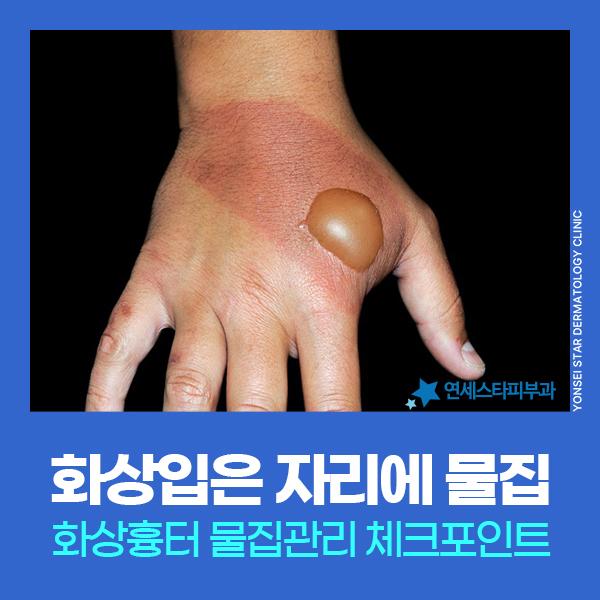
Burn blisters, which appear as transparent swellings on the skin after contact with hot water, oil, irons, or electric blankets, are more common than you might think. The stinging and burning pain of burn blisters might make you want to pop them immediately, but how you handle them can determine not only the speed of recovery but also whether a Scar remains after the burn blister. To get straight to the point, it is fundamental not to pop burn blisters yourself and to have their condition checked by a dermatologist early on.
In this article, we will sequentially cover the principles behind burn blisters, why you shouldn't pop them, common situations where burns occur in daily life, the progression if burn blisters are left untreated, and initial management methods.

Principles Behind Burn Blisters
The skin is layered from the outside in: epidermis, dermis, and subcutaneous fat layer. When exposed to hot temperatures, the epidermis is damaged first. If the heat penetrates to the dermis, plasma components of body fluid seep into the damaged tissue gaps and accumulate under the epidermis. This accumulation is what forms a burn blister.
If the reaction stops at redness and a burning sensation, it is usually considered a 1st-degree burn. However, if a burn blister has formed, it could be a 2nd-degree burn where part of the dermis or more has been damaged. Burn blisters often grow slowly over several hours rather than immediately after the injury, so it's important to remember that the condition can change even if the initial sensation was mild.
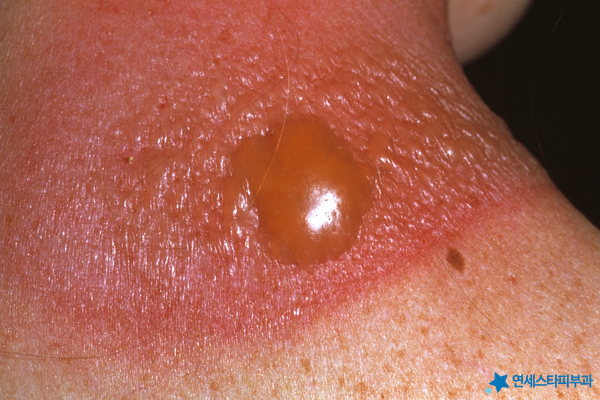
The clear fluid inside a burn blister is not just exudate but rather an exudate produced beneath the damaged area. This exudate and the thin skin membrane covering it act as a natural protective barrier, preventing external stimuli and bacteria and preserving the environment for new skin to grow.
Why You Shouldn't Pop Burn Blisters, Even with Severe Pain
When burn blisters become taut, many people are tempted to prick them with a needle or squeeze them with their hands due to the pain and discomfort. However, burn blisters, which serve as a protective barrier, should not be popped arbitrarily.
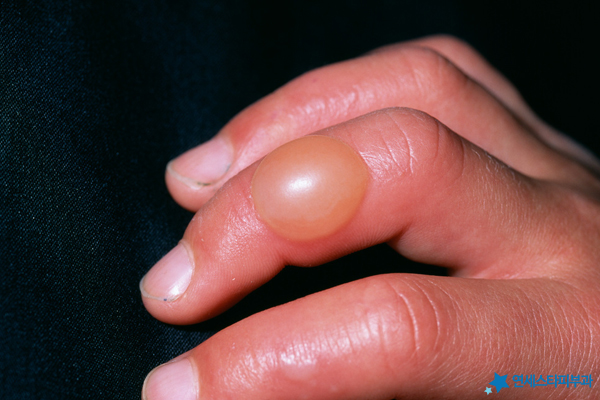
If a burn blister has already popped on its own, do not forcibly remove the peeled skin membrane. Gently wash the area with clean running water, cover it to prevent contamination, and then it is advisable to have its condition checked as soon as possible at a hospital with a resident dermatologist. If the blister is large or the pain is severe, it is safer to let medical staff manage it in a sterilized environment rather than attempting self-treatment.
Situations Where Burn Blisters Occur in Daily Life
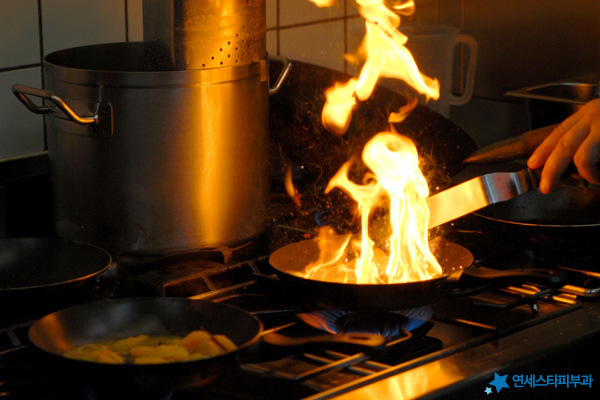
Burns frequently happen in various aspects of daily life, even without major accidents. Here are common situations grouped by location where burn blisters are likely to occur:
As we transition from autumn to winter and bring out heating appliances, special care must be taken to prevent low-temperature burns. Low-temperature burns, caused by prolonged contact with heat sources that are not extremely hot, such as electric blankets or hot packs, may initially appear as Red marks but can later reveal deep damage. Therefore, if a burn blister forms, do not take it lightly.
What Happens If Burn Blisters Are Left Untreated
If you leave a burn blister, thinking it will heal in a few days, the blister may rupture or become infected, prolonging the wound. If the regeneration process is delayed, Red marks, brown hyperpigmentation, and raised, uneven Scars are likely to remain, and if the dermis is deeply damaged, a pulling sensation in the skin may also occur.
Once a Burn Scar hardens after a burn blister, treatment becomes much more challenging. In the early stages, the focus is on wound care and Scar prevention. However, established Scars require addressing both hardened tissue and pigmentation, often leading to an increased number and duration of treatments, making it difficult to resolve in a single session.
Therefore, for burns, early management of burn blisters has a significant impact on whether a Scar remains, more so than after the wound has fully healed. Do not be complacent if the pain from the burn blister has decreased; we recommend seeking professional consultation and starting appropriate treatment in the early stages when Red marks are visible.

Initial Management of Burn Blisters and Vbeam Prima
If you receive an accurate assessment of the wound depth and condition from a dermatologist immediately after the injury and begin treatment, you can prevent infection, effectively manage the skin regeneration period, accelerate recovery, and reduce the burden of Scars. The earlier management begins, the lighter the burden of subsequent treatment processes and durations tends to be.
When new skin grows after the burn blister stage, redness and vascular marks often appear together. During this period, initial management with a vascular laser like Vbeam Prima can be considered. This method targets blood vessels to soothe the redness and vascular reaction in the injured area, helping to prevent prominent Burn Scars from remaining.
Whether to use Vbeam Prima and when to start depends on the depth of the burn and the stage of recovery, so it must be determined after a professional diagnosis.

In Summary
Burn blisters are easy to underestimate, but early management determines the subsequent condition of the skin. The three key points are: do not pop burn blisters yourself even if there is pain, if they pop on their own, do not peel off the skin membrane but protect it cleanly, and start Burn Scar management in the early stages when Red marks are visible. If you are looking for initial management for burn blisters or Burn Scars in Sinchon, you can check your personalized management plan for your wound depth through a consultation inquiry [blocked].
Author · Dr. Lee Sang-Joo / Dermatologist Dr. Lee Sang-Joo is the chief director of Yonsei Star Dermatology Sinchon Main Branch, specializing in overall skin procedures including skin boosters, Scars, and Pores. Detailed credentials can be found in the Medical Staff Profile. · Last reviewed on October 25, 2026
This article is intended to provide general medical information, and treatment effects and downtime may vary depending on individual skin conditions. Please consult with a dermatologist for an accurate diagnosis and treatment plan.