
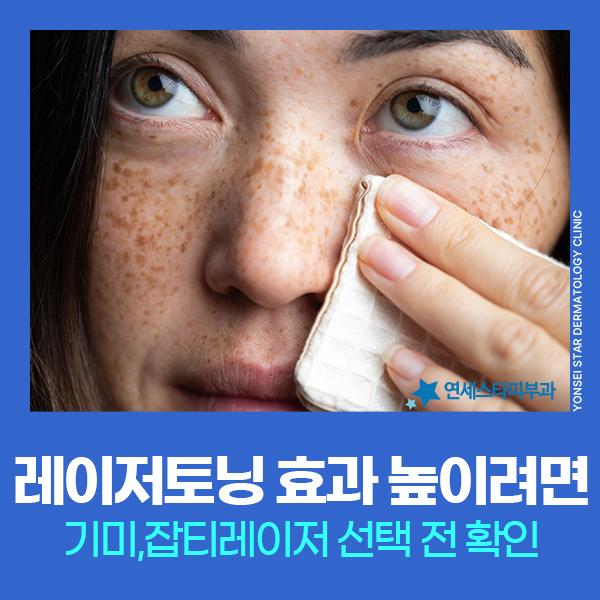


At times like these, when UV radiation is strong and the air is dry, various skin concerns can easily become prominent all at once. Anyone would be surprised if Melasma and blemishes that were not very noticeable suddenly become visible. It's easy to rush to grab whitening products or home care devices, but approaching the problem without checking why the pigmentation occurred and how deep it is can actually worsen your skin.
In this article, we will look at what to know when Melasma and blemishes suddenly darken, and how Pico Toning and general Laser Toning, which are often compared when choosing a Melasma and blemish laser, differ.

Reasons Why Melasma and Blemishes Suddenly Darken
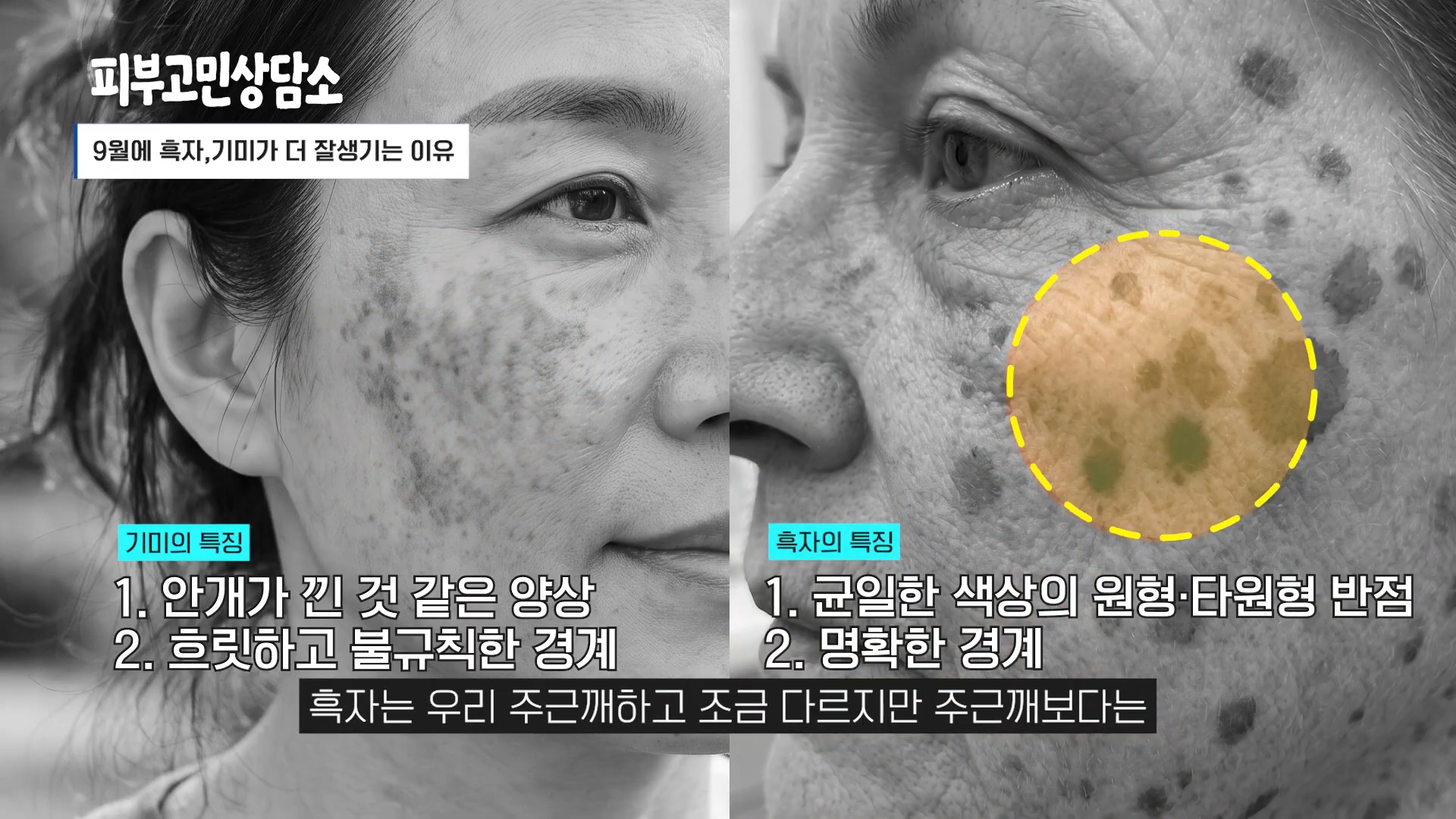
Melasma, sunspots, and blemishes are typical pigmentation problems caused by a combination of factors such as UV radiation, dry skin, friction, and hormonal changes. When UV radiation intensifies, the skin produces more melanin pigment to protect itself. If the skin barrier is also weakened by dry weather, the skin becomes more sensitive to external stimuli, and Melasma and blemishes may appear even darker.
Melasma rarely lightens on its own over time. If Melasma caused by UV exposure is left untreated, the color tends to darken and the area tends to widen, so it is best to check your skin condition when you notice a change.
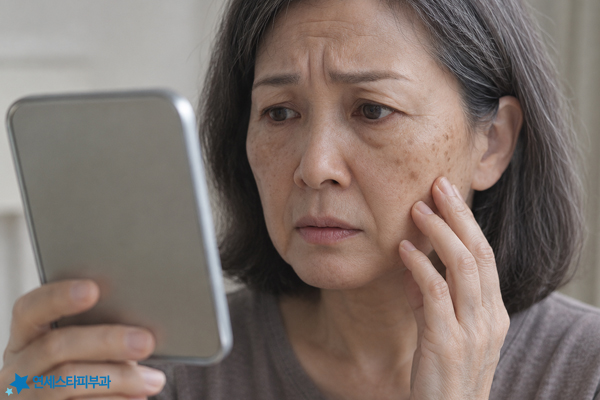
Why Whitening Cosmetics and Home Care Devices Have Limitations
When pigmentation is bothersome, the first things people reach for are whitening cosmetics and home beauty devices. However, products that temporarily make the skin appear whiter may have only changed the surface appearance rather than improving the pigmentation itself. If you stop using them, your skin may return to its original tone, or the pigmentation may even darken due to accumulated irritation.
Using highly irritating ingredients indiscriminately, or using devices without accurately knowing their output and usage, can damage the skin barrier. Skin with a compromised barrier is prone to inflammation from minor irritations, and if post-inflammatory hyperpigmentation also occurs, managing Melasma and blemishes becomes even more challenging.

Pico Toning vs. Laser Toning: What's the Difference?
When researching Melasma and blemish lasers, you often encounter the name Pico Toning. Traditional Laser Toning uses a method of repeated low-intensity treatments, which has the advantage of being less burdensome on the skin. However, changes appear slowly, making the treatment period feel long, and some people may stop midway.
If Laser Toning is stopped midway, the temporarily suppressed pigmentation may reappear, making management feel very difficult for some. Pico Toning uses a much shorter and stronger laser than Laser Toning, reducing thermal damage to the skin while breaking down the target pigmentation into finer particles, allowing for relatively comfortable Melasma and blemish treatment.
When comparing the two side by side, the differences are clear. General Laser Toning involves repeatedly irradiating with a relatively low-intensity laser to gradually break down melanin pigment, aiming to reduce skin irritation. However, it's important to note that changes often feel slow, and if stopped midway, dormant pigmentation may recur.
Pico Toning uses picosecond (one trillionth of a second) short laser pulses to finely break down pigment particles. This method delivers energy in a short amount of time, reducing the thermal damage burden on surrounding tissues, allowing for a more precise approach depending on the pigmentation condition. As such, Pico Toning requires a plan tailored to the individual's pigmentation depth and type, along with consistent management.
Why PicoWay is Gaining Attention
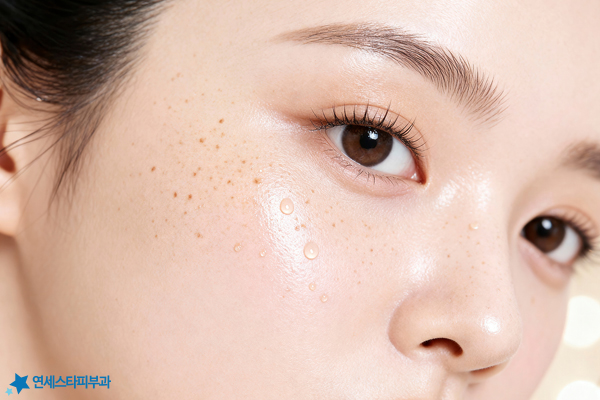
Among Pico lasers, PicoWay stands out because it can use multiple wavelengths during treatment. Since wavelengths can be applied differently according to the depth and type of pigmentation, even if Melasma, blemishes, and Freckles are mixed on one face, a differentiated approach can be considered for each condition.
Nevertheless, regardless of the equipment used, results and progress may vary depending on skin condition, type of pigmentation, and lifestyle habits. Pigmentary disorders are typically difficult to resolve completely with just one or two treatments, so it is necessary to discuss and plan the appropriate number and interval of treatments with a specialist.

Characteristics of Each Toning Method and Choosing a Melasma and Blemish Laser
Receiving toning treatments with laser equipment like PicoWay is a commonly known method for removing Melasma and blemishes. As time has passed, the variety of equipment available for toning has also increased, so choosing a method appropriate for your situation can further enhance satisfaction with toning treatments.
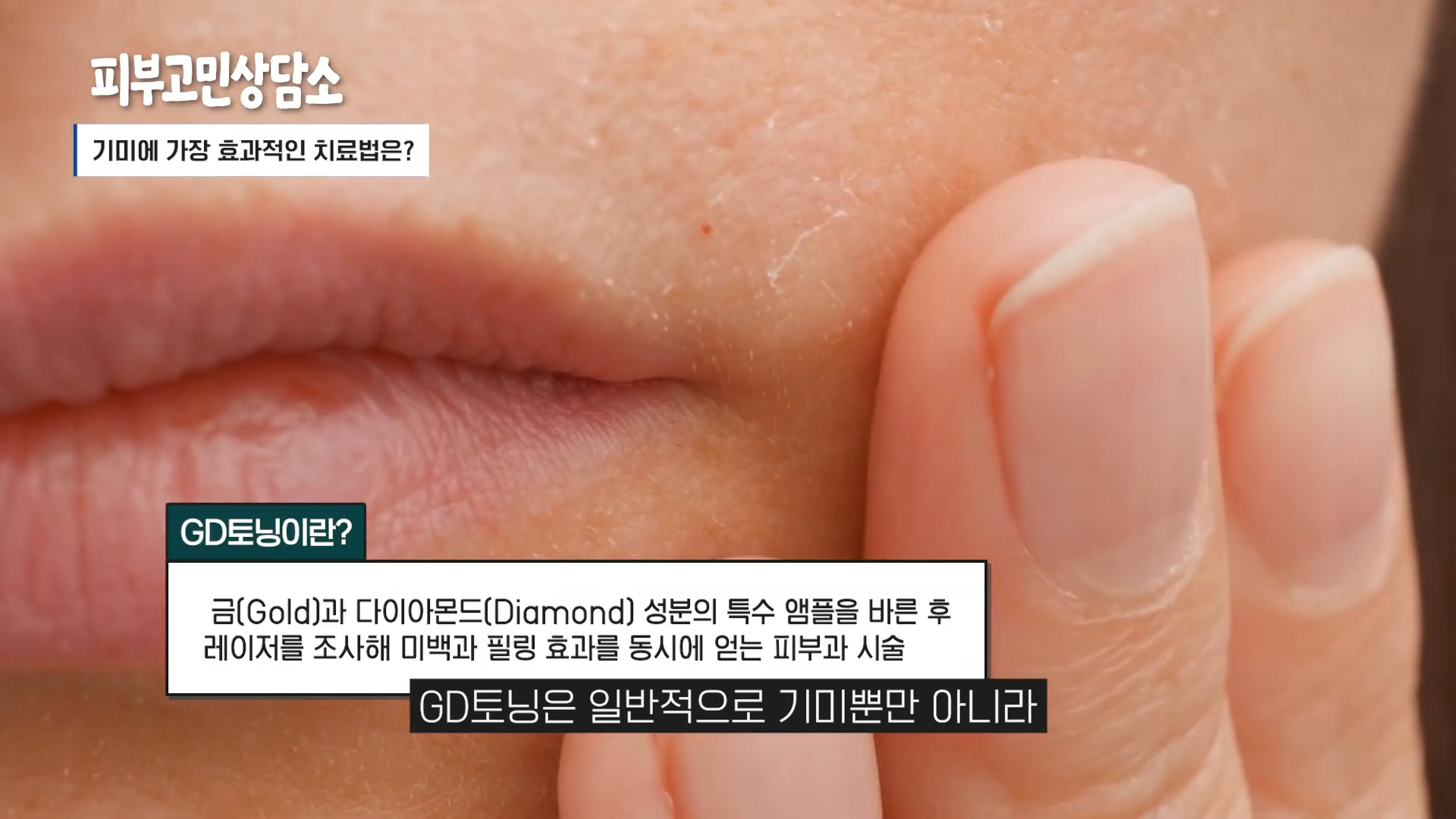
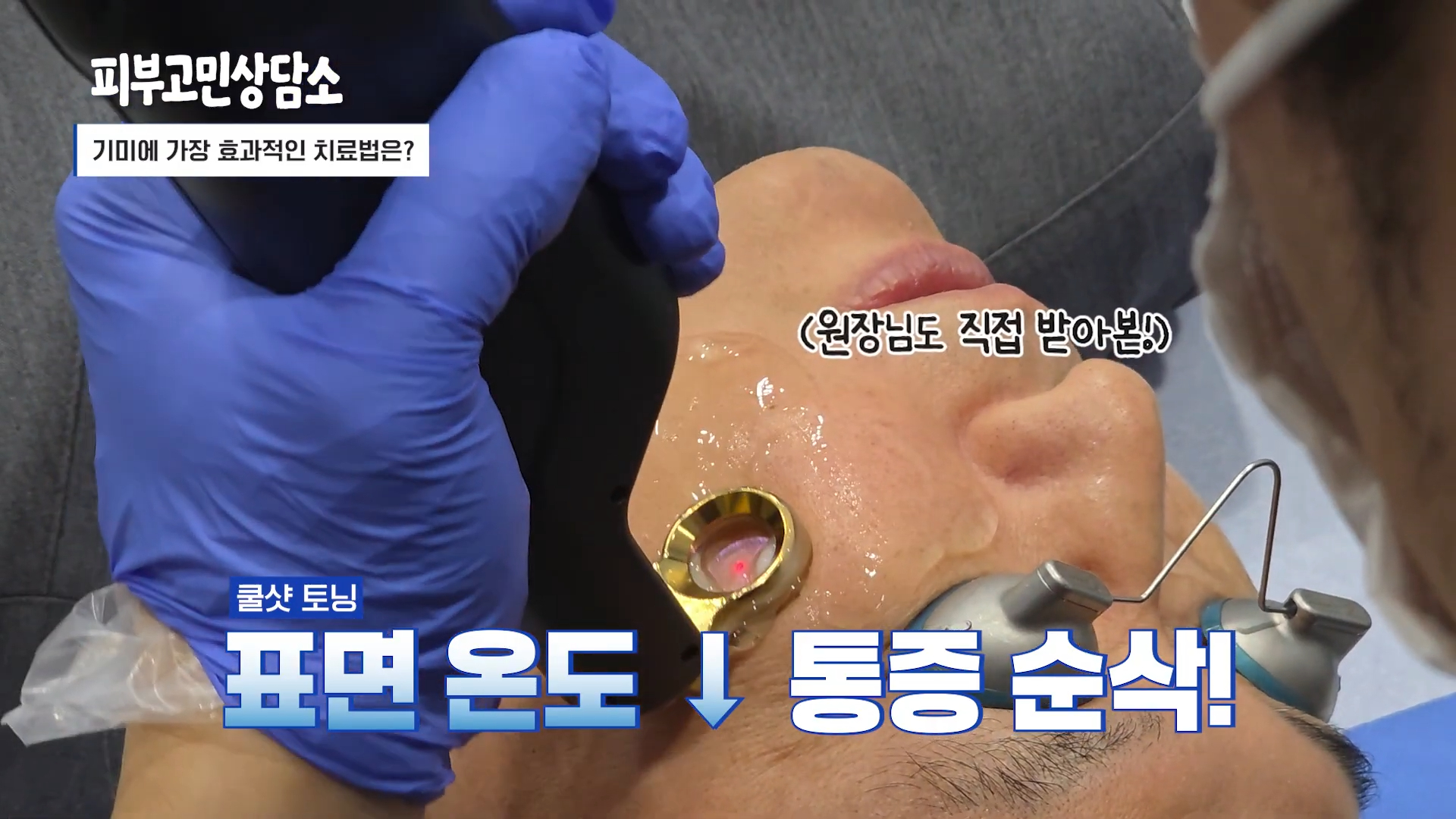

GD Toning is a method worth considering for overall Skin Care purposes, as a special ampoule containing diamond components meets the laser, offering both whitening and peeling effects. For sensitive skin, Cool Shot Toning, which has less treatment irritation, can reduce the burden of toning. If Melasma is mixed with blemishes like sunspots, combining RePott Laser before toning can help restore the skin to a brighter complexion.

In Summary
Melasma and blemishes that suddenly darken during strong UV and dry seasons often appear in various types at once. Since the treatment and management methods differ for each type, home care alone has limitations, and unsuitable products or devices can lead to skin barrier damage and worsening pigmentation. If you are curious about accurately identifying the blemishes on your face and choosing between Pico Toning and Laser Toning for Melasma and blemish treatment, you can find out more by contacting Yonsei Star Dermatology in Sinchon for a consultation [blocked].

Author · Dr. Lee Sang-Joo / Dermatologist Dr. Lee Sang-Joo is the chief director of Yonsei Star Dermatology's Sinchon main branch, specializing in overall skin procedures including skin boosters, Scars, and Pores. Detailed credentials can be found in the Medical Staff Profile. · Last reviewed October 11, 2026
This article is intended for general medical information purposes, and treatment effects and downtime may vary depending on individual skin conditions. Please consult with a dermatologist for an accurate diagnosis and treatment plan.