
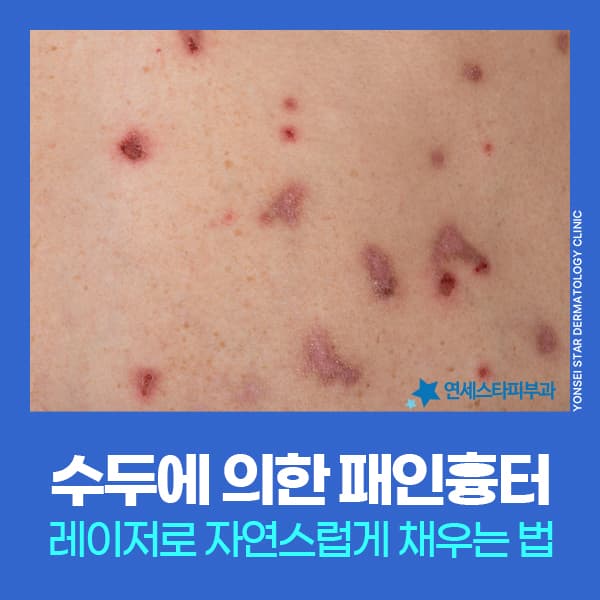
Sometimes, chickenpox scars from childhood remain on the face even into adulthood, causing concern. While some may hope they will fade naturally over time, many find that they remain unchanged for decades. This is because chickenpox scars are a type of scar where the skin has clear limitations in self-repair. In this article, we will explain why chickenpox scars do not easily disappear and how regenerative lasers can fill in depressed areas.

How Damage Extending to the Dermal Layer Becomes a Chickenpox Scar
The virus that causes chickenpox not only affects the epidermis but also penetrates the dermal layer, damaging the tissue. If collagen is not sufficiently replenished during the healing process, the skin can harden in a depressed state, which is the essence of a chickenpox scar. Unlike shallow scratches on the surface, the dermal layer's structure itself is compromised, so superficial care alone, such as moisturizing or regenerative creams, has limitations in filling the scar.
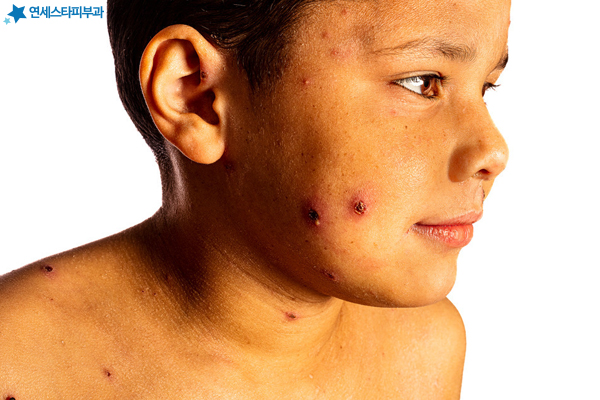
Furthermore, old chickenpox scars that persist into adulthood often coincide with a period when the skin's own regeneration rate has already slowed down. Since natural healing alone makes improvement difficult to expect, an approach that re-initiates a regenerative response externally becomes necessary.
The Principle of Regenerative Lasers Filling Depressed Scars
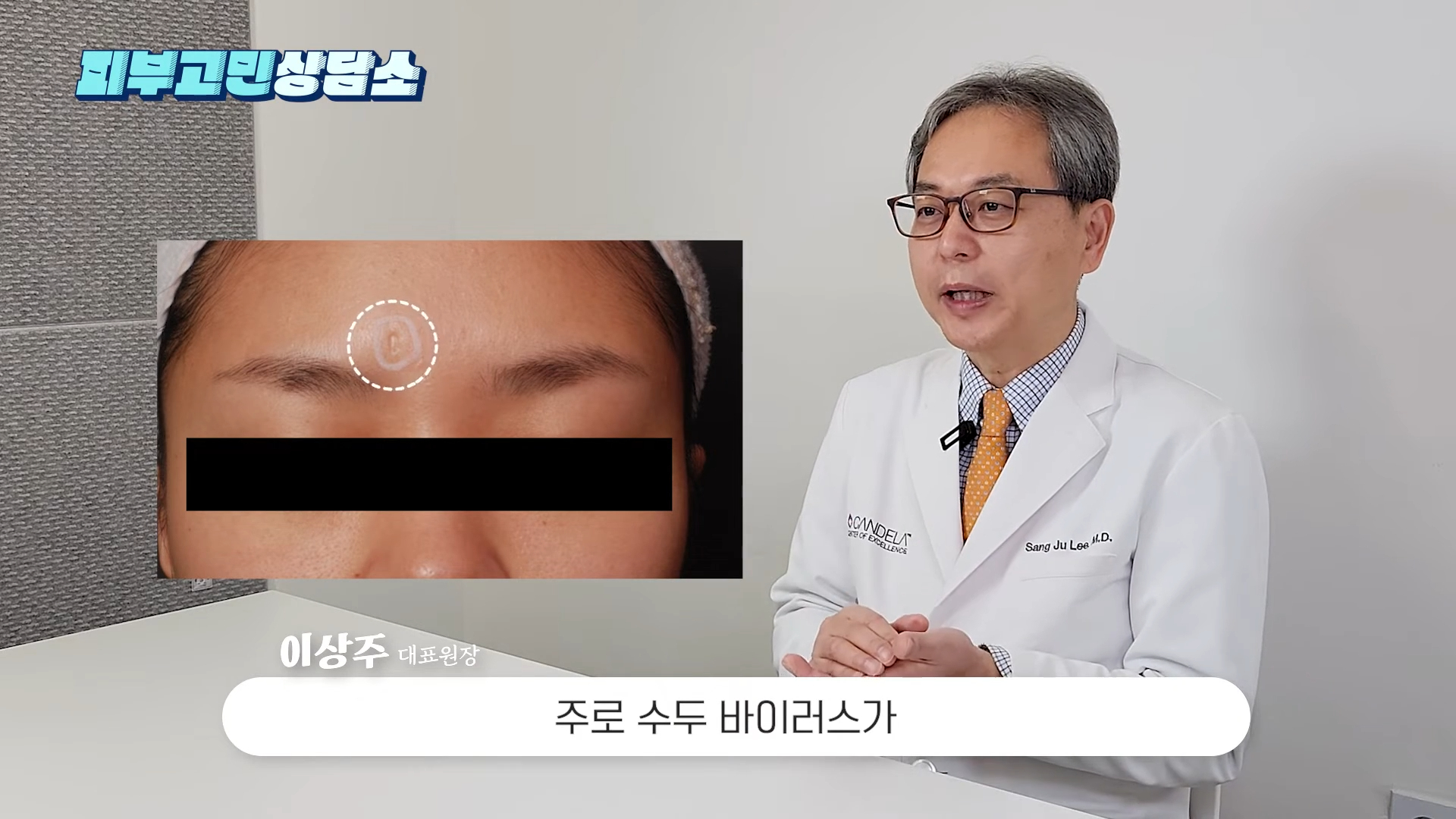
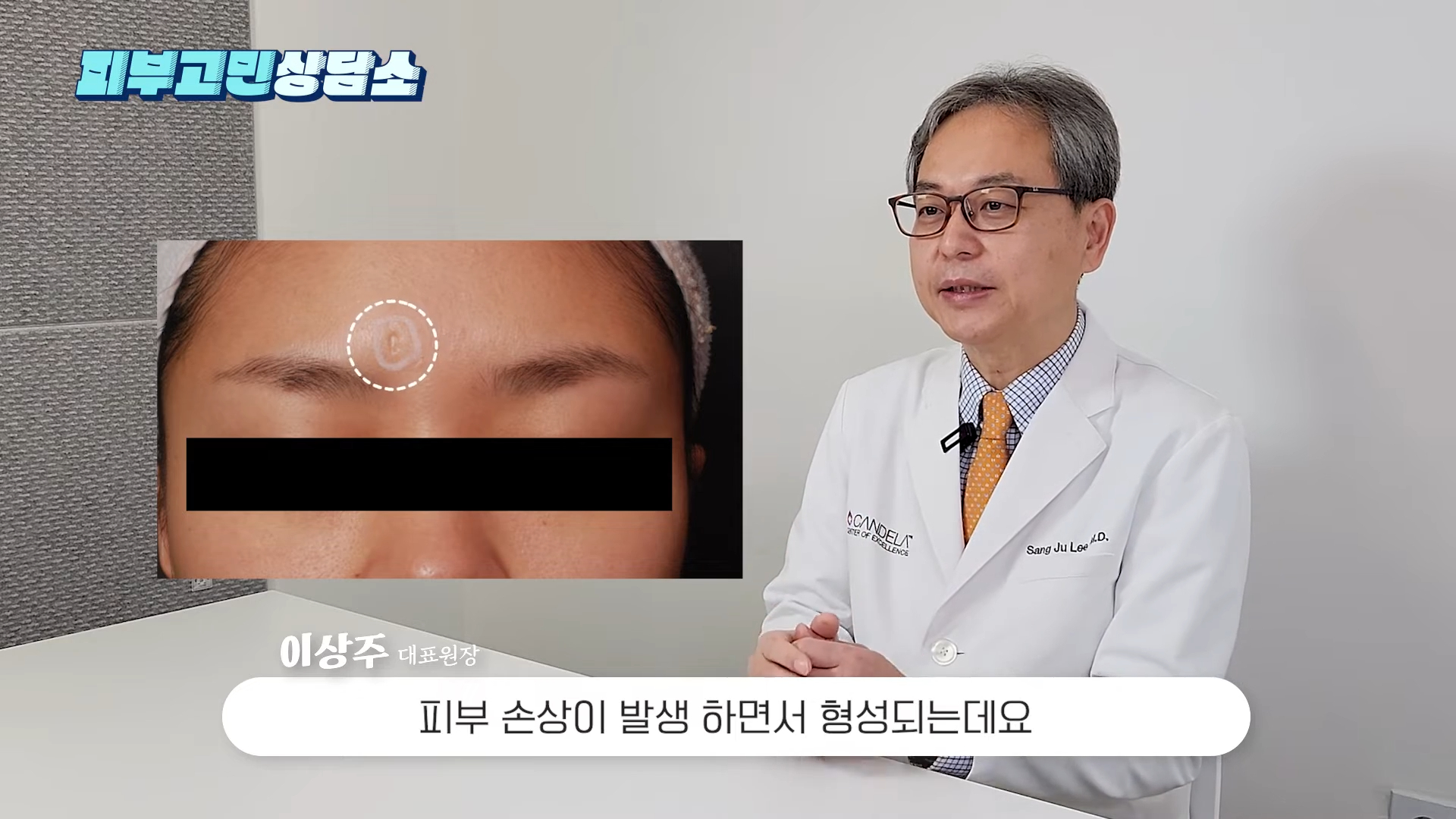
A key concept in chickenpox scar treatment is "skin regeneration activation." For depressed areas to be filled, new collagen must be produced in the dermal layer, and new skin must grow around the damaged tissue. Regenerative lasers work by re-initiating this response through external stimulation.
Specifically, when the laser creates microscopic thermal stimulation zones in the dermal layer, the skin perceives this as damage and begins its self-repair process. During this process, new collagen and elastic fibers are generated, gradually filling the depressed areas and smoothing the surface. However, it is important to note that this is not a one-time procedure; improvement occurs gradually through repeated stimulation and recovery.
Combination Treatment for Redness and Pigmentation
Chickenpox scars often present not only as depressed scars but also with accompanying symptoms such as redness or pigmentation. Therefore, dermatologists utilize a combination treatment approach, comprehensively examining the scar's shape and accompanying symptoms, then combining the necessary lasers.
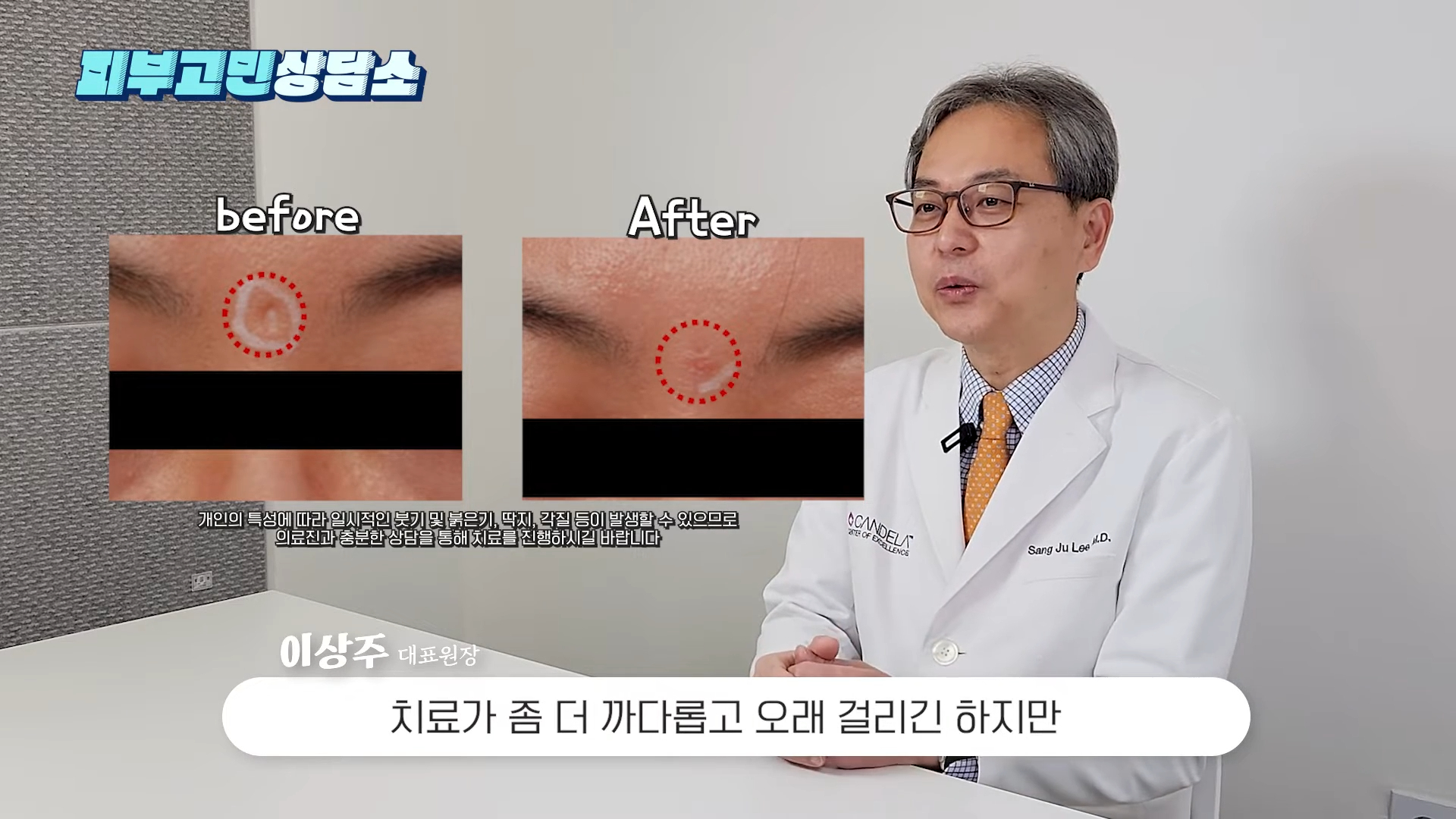

For the depressed areas themselves, where scar regeneration is needed, regenerative lasers such as UltraPulse Alpha are used. CO₂ lasers stimulate dermal tissue to induce collagen regeneration. If there is severe adhesion around the scar, subcision may be performed concurrently to release the adhesions. If the skin is sensitive or thin, a less stimulating laser subcision method may be used. If redness remains around the scar, Vbeam Prima, which targets blood vessels, can be used. If pigmentation is also present, a pigment laser like PicoWay can be applied together, allowing for the simultaneous management of scars, redness, and pigmentation. The important thing is not to rely on a single device, but to create a combination that considers the individual's complex skin condition, including the scar's shape, redness, and pigmentation.
In Summary

Even if chickenpox scars originated in childhood, there is no need to give up prematurely just because they are old. Regenerative lasers are one treatment method that helps the skin produce its own collagen to fill in depressed areas. The necessary combination and number of treatments may vary depending on the scar's depth, age, and the presence of accompanying redness or pigmentation. Rather than determining all combinations in a single consultation, it may be safer to observe the progress and adjust the plan step by step. If you wish to create a plan tailored to your scar condition, please contact us for a consultation.

Author · Dr. Sang-Joo Lee, Chief Director / Dermatologist As the Chief Director of Yonsei Star Dermatology Sinchon Main Branch, Dr. Lee specializes in overall skin procedures including skin boosters, scars, and pores. For detailed credentials, please refer to the Medical Staff Profile. · Last reviewed September 20, 2026
This article is intended to provide general medical information, and treatment effects and downtime may vary depending on individual skin conditions. For an accurate diagnosis and treatment plan, please consult with a dermatologist.